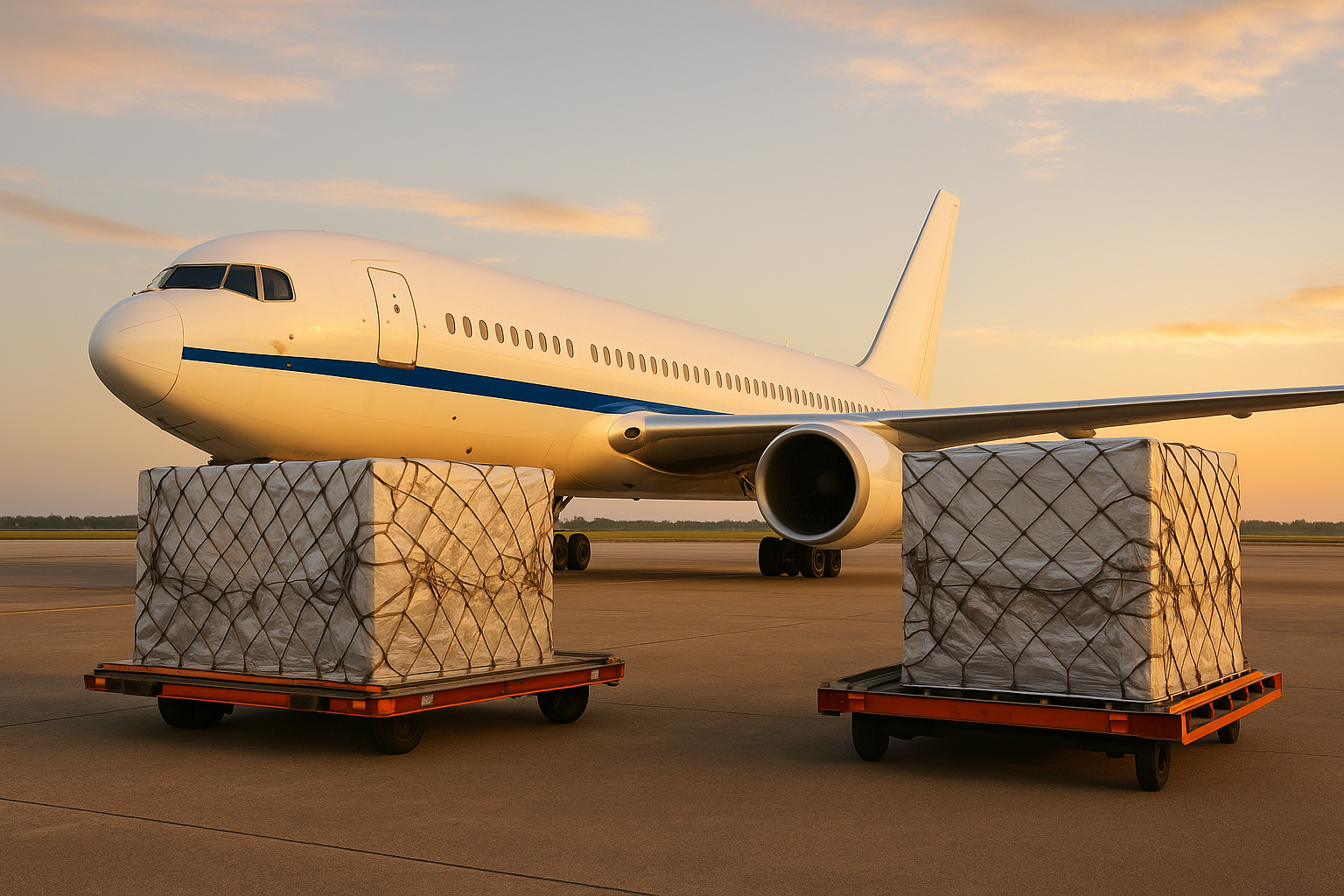
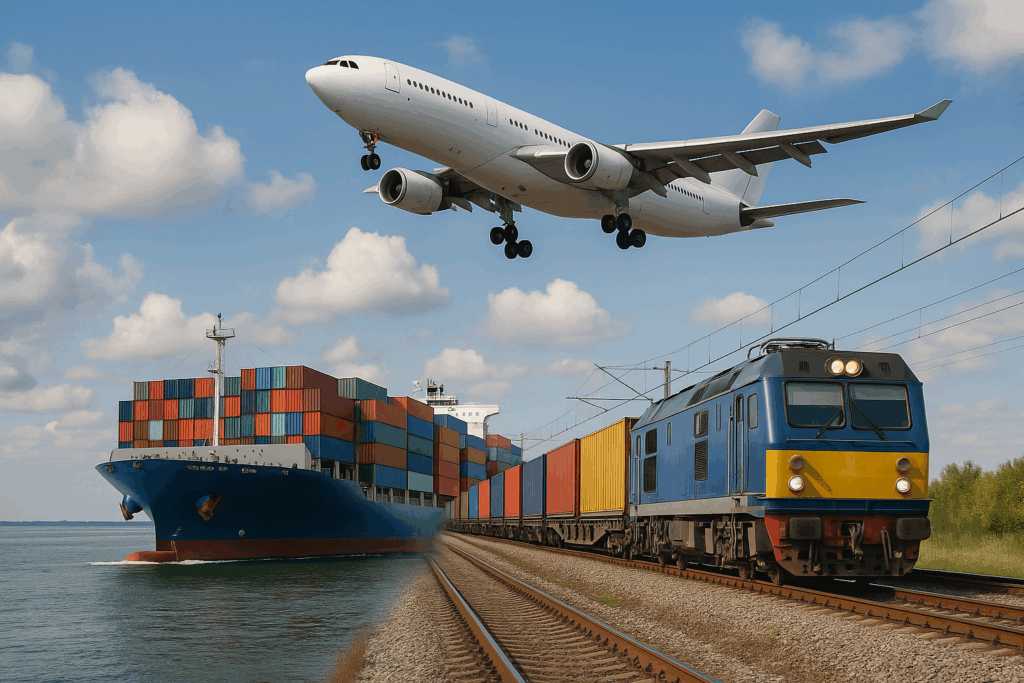
When it comes to cross-border trade between two of Asia’s busiest economies, air freight China to Malaysia offers speed, security, and flexibility. From electronics and textiles to machinery and medical devices, importers rely on air cargo to shorten delivery cycles and keep supply chains agile.
This guide covers costs, transit times, customs clearance, documentation, and risk management, giving you practical insights to simplify your logistics process.
1. Air Freight Costs from China to Malaysia
Air freight is priced based on chargeable weight (whichever is greater between gross and volumetric).
Mode
Transit Time
Cost Range (USD/kg)
Ideal For
Express Courier (DHL/FedEx)
2–4 days
6–10
Small urgent shipments
Standard Air Cargo
4–7 days
3.5–7
Mid-size freight
Consolidated Air Cargo
7–10 days
2.5–4
Shared space, cost-saving
💡 Tip: Book early during peak season (Jan–Feb, Sep–Oct) to avoid surcharges.
These products benefit from speed, security, and reduced handling.
8. Risk Management in Air Cargo
Cargo insurance for high-value shipments
Secure packaging for fragile goods
Partnering with reputable airlines to reduce delays
9. Terms and Conditions to Review
Destination handling fees may not be included
Airlines apply fuel & peak season surcharges
Customs clearance usually handled by importer unless using DDP service
10.Conclusion
For businesses shipping across Asia, air freight from China to Malaysia delivers speed, safety, and reliability. Though costlier than sea freight, it minimizes lead times, ensuring supply chains stay competitive. By preparing documents correctly, managing risks, and choosing the right freight forwarder, importers can streamline logistics and reduce hidden costs.
Consult TJ China Freight Forwarding for the lowest quote. They will provide you with reliable, cost-effective service.