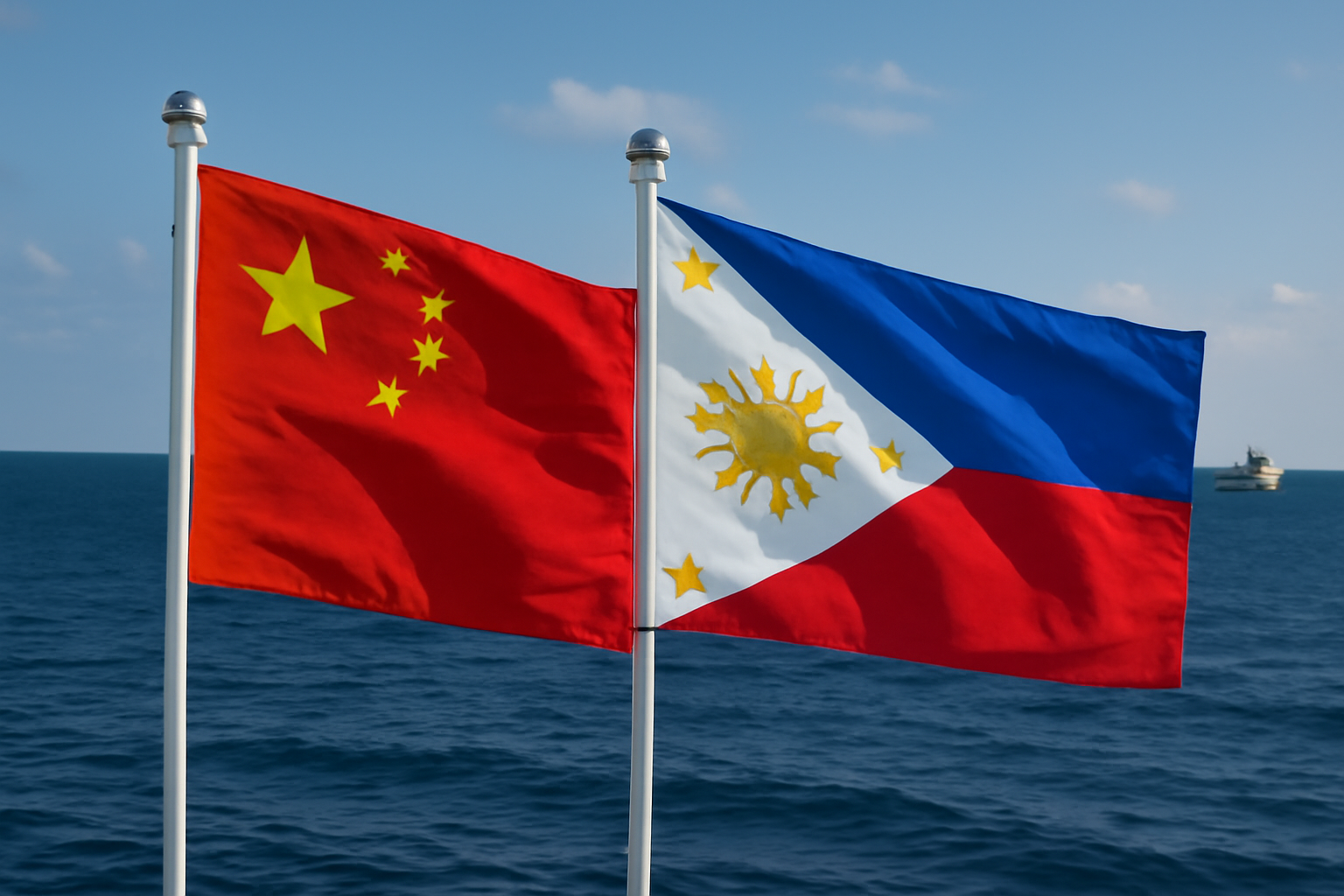
Shipping goods through China to Philippines sea freight is one of the most popular trade routes in Asia, supporting electronics, textiles, furniture, and raw materials. Although sea freight is affordable and efficient for bulk cargo, importers must navigate customs clearance, transit time, and cost fluctuations. This guide explains everything you need to know.
What Is China to Philippines Sea Freight?
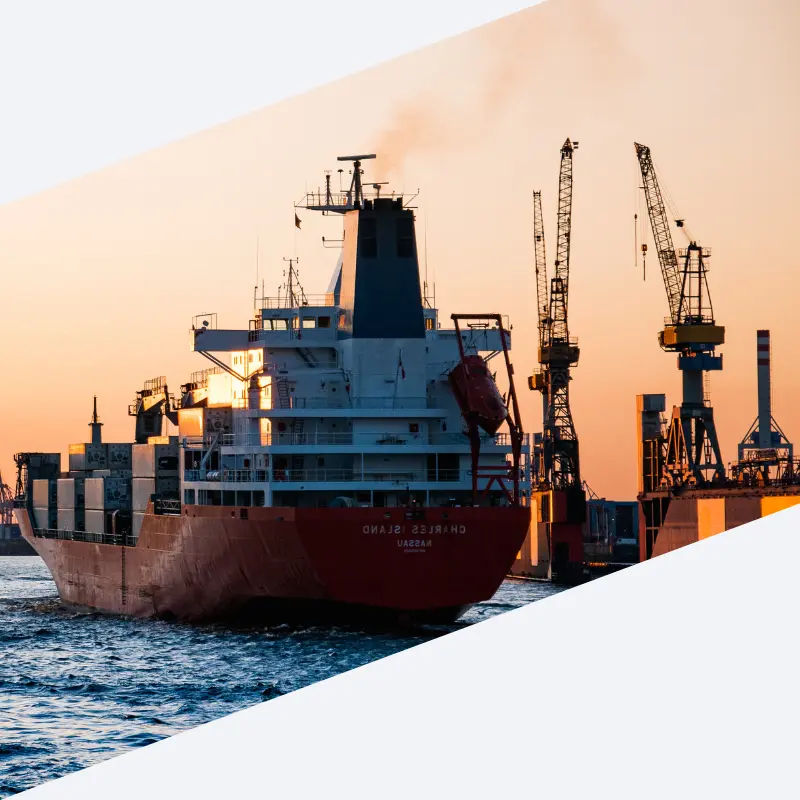
Sea freight is the transportation of goods by container vessels across international waters. From Shenzhen or Shanghai to Manila, Cebu, or Davao, ships carry thousands of tons of cargo daily.
Additionally, freight forwarders manage vessel bookings, container consolidation, customs paperwork, and inland delivery, allowing importers to save time and reduce costs. Without a doubt, sea freight remains the backbone of trade between China and the Philippines.
How Much Does Sea Freight from China to the Philippines Cost?
Sea freight charges depend on cargo size, container type, and shipping season.
Shipping Type
Average Cost (USD)
Transit Time
Best For
Pros
Cons
FCL 20GP
$1,200 – $1,800
10–15 days
Bulk cargo
Cheapest per unit
Requires large volume
FCL 40HQ
$2,200 – $3,000
10–15 days
Heavy goods
Economical for bulk
Longer lead time
LCL (per CBM)
$80 – $120
12–18 days
Small shipments
Shared cost
Delays from consolidation
Moreover, prices rise during peak holiday seasons when container demand outpaces supply.
Accordingly, businesses often combine sea freight for bulk imports and air freight for urgent goods.
What Challenges Affect China to Philippines Sea Freight?
Port congestion in Manila during peak months.
Container shortages during global shipping crises.
Incorrect HS codes leading to customs delays.
Weather disruptions such as typhoons in the South China Sea.
Rising fuel surcharges impacting freight costs.
Nevertheless, working with experienced forwarders minimizes risks and ensures compliance.
How to Select the Best Freight Forwarder for This Route?
When evaluating providers, consider:
Experience in China–Philippines trade.
Carrier Partnerships with major shipping lines.
Transparent Pricing without hidden surcharges.
Customs Expertise for smooth clearance.
Support Services such as warehousing and last-mile delivery.
Therefore, choosing wisely saves both time and money.
Can Freight Forwarders Help with Customs Clearance in the Philippines?
Yes. Freight forwarders assist with:
HS code classification.
Duty and tax calculation.
Quarantine inspections.
Document submission.
Delivery to warehouse after clearance.
Consequently, importers avoid costly mistakes and delays.
Conclusion
Choosing China to Philippines sea freight ensures cost-effective logistics for bulk cargo. To summarize, sea freight offers lower per-unit shipping rates, reliable transit schedules, and flexible options for both FCL and LCL shipments. By partnering with an experienced freight forwarder, importers can reduce delays, manage customs requirements, and achieve smooth delivery for their supply chain.
Consult TJ China Freight Forwarding for the lowest quote. They will provide you with reliable, cost-effective service.