

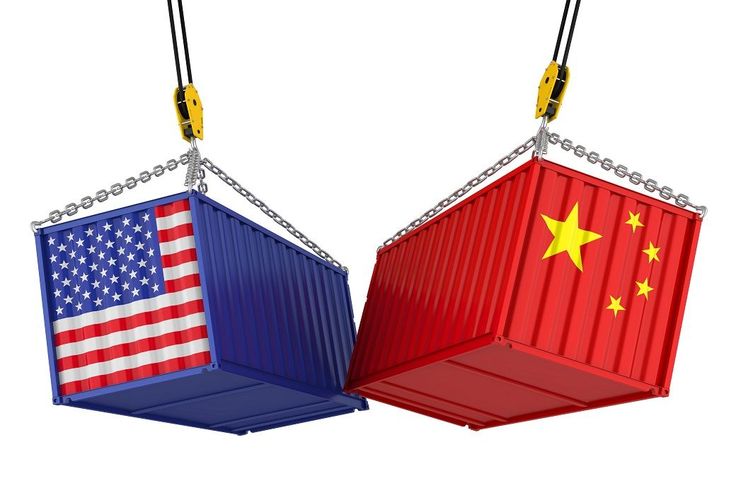
Businesses importing from China to the United States face one common question: What is the real China to US air freight cost? With global trade becoming faster and more competitive, importers must balance speed, budget, and reliability. Air freight offers unmatched speed but comes with pricing structures that vary depending on weight, volume, routes, and customs. This article breaks down costs, timelines, and strategies to help you make informed shipping decisions.

Several elements influence how much you pay for air freight:
- Chargeable weight: Airlines calculate by either actual weight or volumetric weight, whichever is higher.
- Route selection: Direct flights cost more but reduce transit times.
- Airline choice: Premium carriers like Cathay Pacific or China Southern may charge higher rates.
- Fuel surcharges: These fluctuate with oil prices and impact overall air freight costs.
- Seasonality: Peak seasons such as pre-Christmas or Chinese New Year can push rates up by 20–40%.
Below is a general cost structure for 2025 based on shipments from major Chinese airports to U.S. gateways.
| Origin (China) | Destination (US) | Rate (USD/kg) | Transit Time | Notes |
|---|---|---|---|---|
| Shanghai (PVG) | Los Angeles (LAX) | $5.5 – $7.0 | 3–5 days | High demand, fast service |
| Shenzhen (SZX) | Chicago (ORD) | $6.0 – $7.5 | 4–6 days | Central U.S. hub |
| Guangzhou (CAN) | New York (JFK) | $6.5 – $8.0 | 5–7 days | Higher customs workload |
| Beijing (PEK) | Miami (MIA) | $6.8 – $8.5 | 6–8 days | Longer customs clearance |
Note: Prices fluctuate based on season, airline, and cargo type.
Although sea freight is cheaper, air freight has unique advantages:
| Mode | Cost | Transit Time | Best For |
|---|---|---|---|
| Air Freight | High ($5–$8/kg) | 3–8 days | Urgent, high-value cargo |
| Sea Freight | Low ($1000–$2000/20GP) | 30–40 days | Bulk, non-urgent shipments |
| Rail Freight | Medium ($3–$4/kg) | 15–20 days | Europe-focused shipments |
Therefore, importers of electronics, fashion, and medical products often rely on air freight despite higher costs.


Before shipping, prepare the following documents:
| Document | Purpose |
|---|---|
| Commercial Invoice | Declares value of goods |
| Packing List | Details cargo weight/volume |
| Airway Bill (AWB) | Contract of carriage |
| Export License | For restricted products |
| Customs Declaration | Mandatory for U.S. entry |
Proper documentation prevents delays and unexpected storage costs.
Transit times vary by route:
| Route | Estimated Transit Time |
|---|---|
| Shanghai → Los Angeles | 3–5 days |
| Shenzhen → New York | 5–7 days |
| Guangzhou → Chicago | 4–6 days |
| Beijing → Miami | 6–8 days |
Delays may occur during customs inspections, especially for sensitive items like electronics or pharmaceuticals.
Case 1: Electronics from Shenzhen to Los Angeles
- Cargo: 1,200 kg consumer electronics
- Mode: Air freight (direct flight)
- Cost: $6.2/kg → $7,440 total
- Time: 4 days (airport to airport)
Case 2: Garments from Shanghai to New York
- Cargo: 800 kg apparel
- Mode: Air freight (consolidated)
- Cost: $6.8/kg → $5,440 total
- Time: 6 days including customs
There are several practical methods to save money:
- Book early: Reserve space before peak seasons.
- Consolidate cargo: Combine shipments to lower per-kg costs.
- Flexible airports: Choosing alternative destinations (e.g., Dallas instead of JFK) may cut rates.
- Use experienced forwarders: They negotiate better airline contracts.
| Pros | Cons |
|---|---|
| Fastest delivery (3–7 days) | Higher cost than sea or rail |
| Reliable schedules | Weight and size restrictions |
| Safer for high-value goods | Subject to customs inspections |
| Lower insurance rates | Limited capacity during peak seasons |
Small and medium-sized importers often prefer air freight because it provides predictable delivery schedules. Moreover, when shipping small volumes, air freight may actually be more economical compared to full container loads by sea.
A reliable freight forwarder helps optimize both cost and efficiency:
- Transparent pricing: Clear breakdown of charges.
- Customs expertise: Experience with U.S. import regulations.
- Network coverage: Partnerships with major airlines.
- Customer support: 24/7 tracking and updates.
Air freight remains the fastest way to ship goods across the Pacific, though costs are higher compared to sea or rail options. Understanding rate structures, seasonal impacts, and documentation requirements helps businesses plan better. By working with an experienced forwarder, you can manage your China to US air freight cost efficiently while ensuring reliable delivery.
- Consult TJ China Freight Forwarding for the lowest quote. They will provide you with reliable, cost-effective service.
FAQ:
Q1.What is the average china to us air freight cost per kg in 2025?
The average rate is $5.5–$8.0 per kg, depending on season, airline, and shipment volume.
Q2.Can air freight from China to US handle oversized cargo?
Yes, but oversized cargo incurs dimensional weight charges, making china to us air freight cost significantly higher.
Q3.How do customs duties affect china to us air freight cost?
Duties and taxes add to overall expenses, often 5–25% of cargo value, depending on product classification.
Q4.Are there express air freight options from China to US?
Yes, express services reduce transit to 2–3 days, but china to us air freight cost can exceed $9 per kg.
Q5.Does shipment insurance impact china to us air freight cost?
Insurance is optional but recommended, usually 0.3–0.5% of cargo value, ensuring protection against loss.