

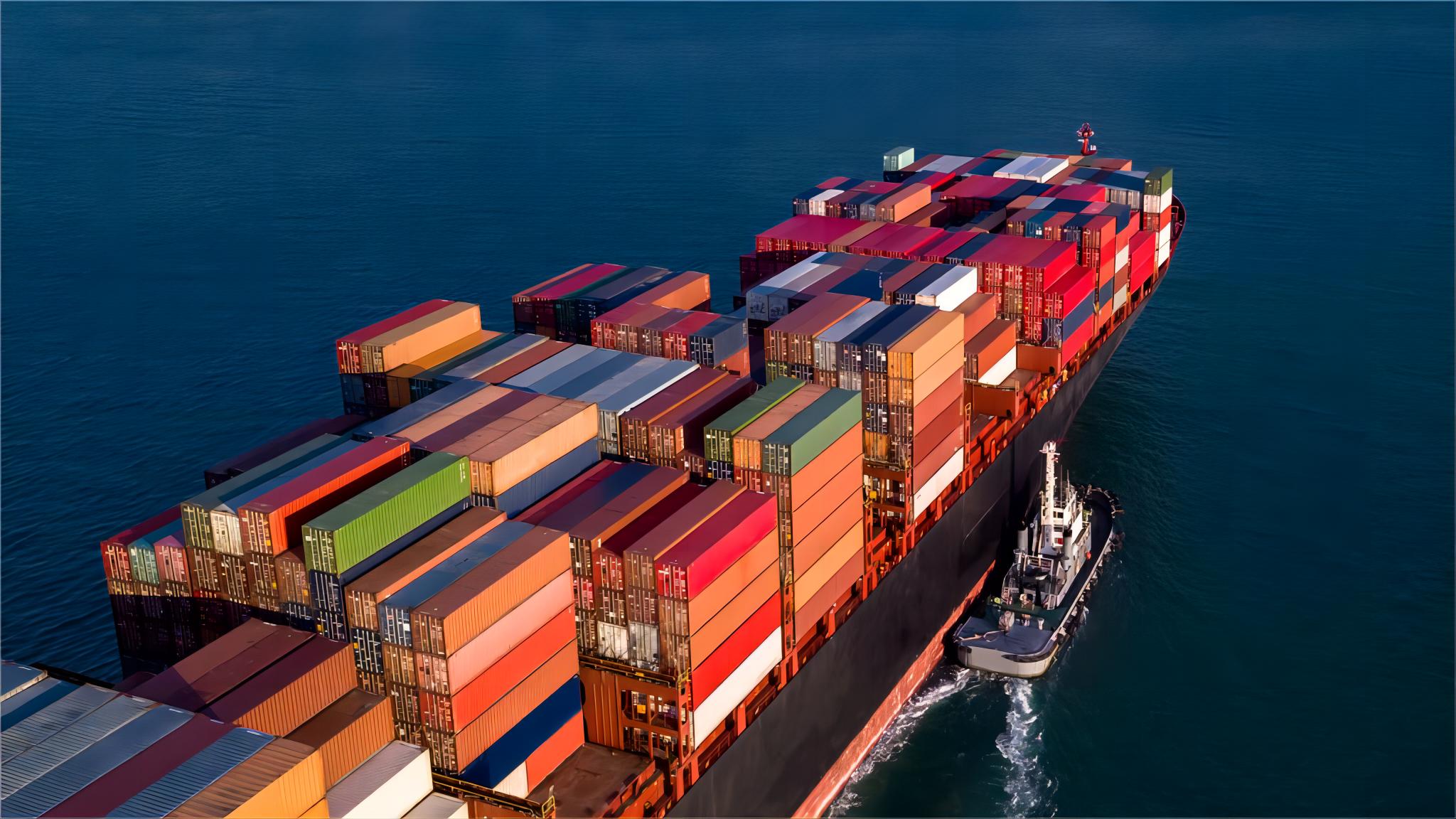
Customs Clearance from China to Netherlands: 2026 Logistics Guide
Navigating the complexities of customs clearance from china to netherlands requires a deep understanding of European Union trade regulations and Dutch tax laws. As we move into 2026, staying updated on the latest compliance requirements is essential for maintaining a resilient supply chain. At Top China Freight, we provide comprehensive logistics solutions designed to simplify your international trade operations and minimize potential delays at the border. This guide explores the critical steps, costs, and strategies necessary for successful importation into the Netherlands.
The Landscape of Customs Clearance from China to Netherlands in 2026
The Dutch logistics market has remained a primary gateway for European trade throughout early 2026. Consequently, the Port of Rotterdam and Schiphol Airport continue to handle record volumes of cargo originating from major Chinese manufacturing hubs. Importers must adapt to evolving digital customs systems that prioritize speed and accuracy in documentation.
Furthermore, environmental regulations are now more strictly enforced at the Dutch border than in previous years. Businesses must ensure that their goods meet all EU safety and sustainability standards before departure from China. Failure to comply with these updated mandates can lead to significant fines or the seizure of products by the Douane.
Selecting the right partner for customs brokerage is a strategic decision that impacts your bottom line. Expert brokers manage the intricate details of tariff classification and tax assessment on your behalf. This professional oversight ensures that your shipments move through the Dutch customs office without unnecessary administrative friction.
How Does Sea Freight Compare to Other Shipping Options?
Evaluating different transportation modes is vital for optimizing your shipping budget and meeting delivery deadlines. While sea freight remains the most cost-effective choice for large volumes, it requires the longest lead times. Importers often choose this method for non-urgent bulk commodities or heavy industrial equipment.
On the other hand, air freight offers unparalleled speed for high-value or time-sensitive electronics and pharmaceuticals. Although the cost per kilogram is significantly higher, the reduced inventory holding costs can justify the investment. Meanwhile, rail freight has emerged as a reliable middle-ground solution for trans-Eurasian trade.
Hybrid logistics models, such as sea-air combinations, are gaining popularity in 2026 for their flexibility. These strategies allow businesses to balance transit speed with operational costs effectively. The following table provides a clear comparison of the primary shipping methods available for the China-Netherlands route.
| Shipping Method | Cost Range (2026) | Transit Time | Best For |
|---|---|---|---|
| Sea Freight (FCL) | $3,200 – $4,500 | 30 – 38 Days | Bulk Goods |
| Air Freight | $4.50 – $8.00/kg | 4 – 7 Days | High-Value Items |
| Rail Freight | $2,100 – $3,200 | 18 – 24 Days | Mid-Size Loads |
| Express Service | $8.00 – $12.00/kg | 3 – 5 Days | Samples / Small Parcels |

Critical Documentation for Customs Clearance from China to Netherlands
Accurate documentation serves as the foundation for any successful customs clearance from china to netherlands. The most essential document is the Commercial Invoice, which must clearly state the value, description, and HS codes of the goods. Additionally, a detailed Packing List is required to verify the physical contents of each container or pallet.
The Bill of Lading acts as both a contract of carriage and a title of ownership for the cargo. For shipments arriving via air, an Air Waybill serves a similar purpose in the eyes of the authorities. Moreover, a Certificate of Origin may be necessary to claim preferential tariff rates under specific trade agreements.
Importers must also provide an EORI number, which is a unique identifier required for all businesses trading with the EU. Without this number, the Dutch customs system cannot process your declaration, leading to immediate delays at the port. Ensuring all paperwork is complete and digitally accessible is a prerequisite for modern logistics.
| Document Name | Purpose | Required By | Format |
|---|---|---|---|
| Commercial Invoice | Tax Valuation | Customs / Bank | Digital/Original |
| Packing List | Cargo Verification | Warehouse/Customs | Digital |
| Bill of Lading | Title of Goods | Carrier/Customs | Original/Telex |
| EORI Number | Entity ID | EU Authorities | Digital Record |
Understanding HS Codes and Tariff Classifications
Correctly identifying the Harmonized System (HS) code for your products is a critical step in the importation process. These codes determine the specific percentage of import duty that will be applied to your shipment upon arrival. Consequently, misclassification can lead to either overpayment of taxes or severe penalties for under-declaration.
Specifically, the Dutch customs authorities utilize the Integrated Tariff of the European Union (TARIC) to manage trade measures. This system includes information on anti-dumping duties, tariff quotas, and environmental levies applicable in 2026. Therefore, consulting with a specialist to verify your HS codes before shipping is highly recommended.
Utilizing a door to door service often includes professional HS code verification as part of the package. This comprehensive approach reduces the risk of administrative errors during the transit phase. Indeed, proactive classification management is one of the most effective ways to ensure predictable landed costs.
Managing VAT Deferment and Article 23
The Netherlands offers a unique advantage for importers known as the Article 23 VAT deferment license. This regulation allows businesses to defer the payment of Import VAT from the moment of importation to their periodic VAT return. As a result, companies can significantly improve their cash flow by avoiding immediate tax outlays at the border.
However, obtaining an Article 23 license requires a registered fiscal representative if your company is not established in the Netherlands. This representative handles the VAT reporting and ensures full compliance with Dutch tax authorities. Moreover, this system makes the Netherlands an ideal entry point for goods destined for other EU member states.
Implementing a fiscal representation strategy can transform your European distribution model into a more efficient operation. Many businesses utilize rail freight to bring goods into the Dutch hinterland before distributing them across the continent. This combination of tax efficiency and central location provides a competitive edge in the 2026 market.
Real-World Case Studies for 2026
Examining actual shipping scenarios provides valuable insights into the practical challenges and costs of international trade. These examples reflect the market conditions observed during the first half of 2026. Each case highlights how specific logistics choices impact the overall success of the import operation.
Case Study 1: Electronics Distribution. Route: Ningbo, China to Rotterdam, Netherlands. Cargo: Consumer Electronics, 68 CBM, 14,000 kg. Container: 40HQ. Shipping Details: Direct ocean carrier service. Cost Breakdown: Ocean Freight $3,950; Origin Charges $400; Destination Charges $550; Total Landed Cost $4,900 (excluding duties). Timeline: 34 days door-to-door. Key Insight: Pre-clearing customs via a digital portal saved 3 days of port storage fees.
Case Study 2: Apparel E-commerce. Route: Shenzhen, China to Amsterdam, Netherlands. Cargo: Fashion Apparel, 5 CBM, 1,200 kg. Container: LCL. Shipping Details: Transshipment via Singapore. Cost Breakdown: Freight $720; Customs Brokerage $150; Delivery $200; Total Landed Cost $1,070. Timeline: 39 days. Key Insight: Utilizing Article 23 deferment allowed the importer to reinvest $4,000 in saved VAT payments immediately into new inventory.
Which Shipping Option Should You Choose?
Choosing the ideal shipping method depends on your specific business priorities, budget constraints, and inventory requirements. If your primary goal is cost reduction for high-volume goods, sea freight remains the undisputed leader in 2026. Conversely, those prioritizing speed to market for seasonal products should look toward air or express services.
Budget priority: Recommend sea freight for shipments exceeding 15 CBM or 2,000 kg. Speed priority: Recommend air freight for urgent restocking or high-margin items. Cargo type considerations: Use specialized containers for perishable goods or hazardous materials. Volume thresholds: For shipments between 1 and 10 CBM, LCL (Less than Container Load) is usually the most economical approach.
Strategic importers often diversify their shipping methods to mitigate risks associated with port congestion or global disruptions. For example, maintaining a steady flow of goods via sea while using air freight for emergency stock ensures consistent availability. This balanced approach is essential for modern supply chain management.
Final Thoughts on Dutch Import Logistics
Successfully managing customs clearance from china to netherlands is a multifaceted process that requires constant attention to detail. By understanding the documentation requirements, tax advantages like Article 23, and the various shipping modes, you can build a more efficient supply chain. The logistics environment in 2026 rewards those who are proactive in their compliance and strategic in their carrier selection.
Remember that market rates and regulations are subject to change based on global economic shifts and local policy updates. Partnering with a knowledgeable freight forwarder ensures that you remain compliant while optimizing your landed costs. Whether you are shipping via sea, air, or rail, a well-planned customs strategy is the key to long-term success in the Dutch market.
Need a tailored shipping solution?
Streamline your international trade with our expert customs clearance from china to netherlands solutions. Contact the team at Top China Freight today for a personalized quote and professional logistics advice tailored to your 2026 business goals.