

DDP Shipping from China to Germany: 2026 Logistics Guide
Managing international trade requires a deep understanding of logistics, especially when coordinating ddp shipping from china to germany for your business. Top China Freight provides comprehensive solutions that handle everything from origin pickup to final door delivery. Consequently, importers can avoid the stress of navigating complex European tax laws and customs regulations alone. This guide explores the most efficient ways to transport goods while ensuring full compliance and cost-effectiveness in the 2026 market.
What is DDP Shipping and Why is it Popular for Germany?
Delivered Duty Paid (DDP) is an incoterm where the seller assumes all responsibility, risks, and costs associated with transporting goods. This includes paying for shipping, insurance, and most importantly, the import duties and VAT required by German authorities. Furthermore, this method provides total price transparency for the buyer, as the final cost is determined before the goods leave China.
Choosing this method is particularly beneficial for e-commerce sellers and small businesses that lack a local German entity or an EORI number. Since the freight forwarder handles the customs entry, the importer does not need to worry about unexpected storage fees or clearance delays at the port of Hamburg. Moreover, the streamlined nature of DDP allows for faster inventory turnover and predictable supply chain management.
German customs are known for their strict adherence to documentation and safety standards. Therefore, having a professional logistics partner manage the DDP process ensures that all HS codes are correctly classified and taxes are paid upfront. Indeed, this reduces the risk of cargo being held or rejected by the Zollamt (German Customs Office).
How Does DDP Shipping from China to Germany Compare to Other Shipping Options?
Comparing DDP to other incoterms like DAP (Delivered at Place) or FOB (Free on Board) reveals significant differences in control and cost. While FOB might appear cheaper initially, the buyer must manage the sea freight and all German import formalities independently. In contrast, DDP bundles every expense into a single per-kilogram or per-CBM rate, simplifying accounting processes for the importer.
Alternative strategies often involve hybrid solutions such as sea-air combinations or utilizing bonded warehouses. For instance, some businesses choose DAP to maintain control over their VAT reclamation, which is not always possible under standard DDP arrangements. However, for those prioritizing convenience, DDP remains the gold standard for door-to-door delivery.
Market data suggests that over 60% of small-to-medium enterprises now prefer DDP for their China-to-Germany routes. This shift is driven by the desire to minimize administrative overhead and avoid the complexities of the German fiscal representative system. Nevertheless, high-volume importers might still find FCL (Full Container Load) under FOB terms more economical for long-term scaling.
| Shipping Method | Cost / Time | Best For | Limitations |
|---|---|---|---|
| DDP Sea Freight | $180-$250 per CBM / 35-45 Days | Bulk goods and heavy items | Slowest transit speed |
| DDP Rail Freight | $2.50-$3.80 per kg / 18-24 Days | Mid-sized inventory restocks | Subject to border congestion |
| DDP Air Freight | $5.50-$8.50 per kg / 5-9 Days | High-value or urgent cargo | Very high cost for weight |
| DDP Express | $9.00-$12.00 per kg / 3-5 Days | Small samples and documents | Strict weight restrictions |
What are the Primary Methods for DDP Shipping to Germany?
Selecting the right transport mode depends heavily on your budget, cargo volume, and required delivery speed. For large shipments, sea freight offers the most economical path despite the longer transit times. Most sea shipments arrive at the Port of Hamburg or Bremerhaven before being trucked to their final German destination.
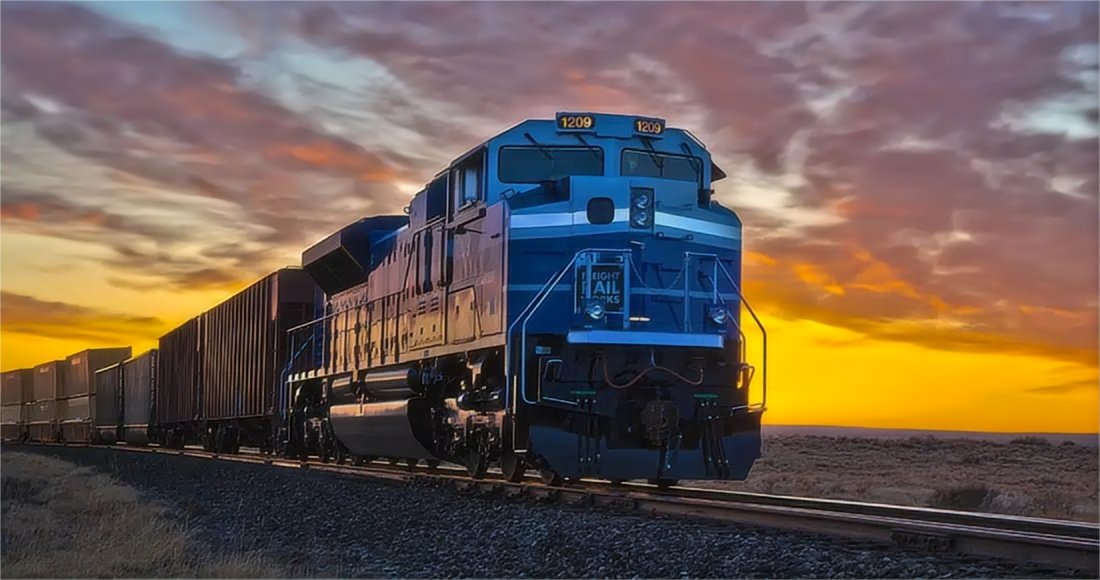
If you require a balance between cost and speed, rail freight is an excellent alternative. The Iron Silk Road connects major Chinese hubs like Chengdu and Xi’an directly to Duisburg and Hamburg. Consequently, rail is often 50% faster than sea freight while remaining significantly cheaper than air transport.
For urgent inventory needs, air freight remains the fastest option available. Goods are typically flown into Frankfurt (FRA) or Munich (MUC) airports, where customs clearance is performed immediately. Meanwhile, express services provide the most seamless experience for shipments under 100kg, often bypassing traditional brokerage steps.
Additionally, many businesses are now exploring sea-rail hybrid models to optimize their logistics trends in 2026. These models involve shipping goods by sea to a hub like Piraeus and then moving them by rail into Central Europe. Such strategies help bypass potential congestion in the Northern Range ports during peak seasons.
Understanding Transit Times and Delivery Schedules for 2026
Transit times have stabilized in early 2026 following the infrastructure improvements across the Eurasian rail network. Typically, sea freight takes between 35 and 45 days, including the time required for loading and customs processing. On the other hand, rail freight has seen improvements, now averaging 20 days from terminal to terminal.
Air freight schedules are highly reliable, with most DDP services delivering within 7 to 10 business days door-to-door. This includes the 1-2 days required for German customs clearance and the final last-mile delivery. Accordingly, planning your inventory cycles around these timelines is crucial for maintaining consistent stock levels.
Weather conditions and seasonal peaks, such as the period before Chinese New Year, can still impact these estimates. During these times, it is advisable to book your shipments at least 3-4 weeks in advance to secure space. Without a doubt, early booking is the most effective way to avoid the premium rates associated with last-minute logistics.
| Origin City | German Destination | Method | Total Door-to-Door |
|---|---|---|---|
| Shenzhen | Berlin | Air Freight | 6-8 Days |
| Shanghai | Munich | Sea Freight | 38-42 Days |
| Xi’an | Duisburg | Rail Freight | 18-22 Days |
| Ningbo | Hamburg | Sea Freight | 35-40 Days |
How Much Does DDP Shipping from China to Germany Cost?
Pricing for DDP services is usually calculated as an all-in rate that covers freight, duties, and taxes. As of early 2026, sea freight LCL (Less than Container Load) rates for DDP range from $180 to $260 per cubic meter. These rates fluctuate based on the current price of fuel and the specific nature of the goods being imported.
Rail freight costs have remained competitive, generally falling between $2.50 and $4.00 per kilogram for DDP service. This makes it a preferred choice for electronics and consumer goods that need to reach the German market quickly. Furthermore, air freight rates currently sit between $6.00 and $9.00 per kilogram, depending on the volume and urgency.
Note: Freight rates are subject to change based on fuel costs, carrier capacity, and seasonal demand. Contact us for a current quote tailored to your specific shipment.
Importantly, the type of product significantly affects the DDP rate due to varying duty percentages in Germany. For example, textiles often carry higher duty rates than basic electronic components. Therefore, providing an accurate HS code during the quoting process is essential for receiving a precise landed cost estimate.
Real Case Studies: DDP Shipping Success Stories
Case Study 1: High-Tech Electronics Delivery. Route: Shenzhen to Berlin. Cargo: 500kg of smart home devices. Method: Air Freight DDP. Cost: $3,800 total. Timeline: 7 days door-to-door. Key Insight: Using air freight allowed the client to meet a product launch deadline without worrying about customs delays.
Case Study 2: Home Furniture Distribution. Route: Ningbo to Hamburg. Cargo: 15 CBM of wooden furniture. Method: Sea Freight DDP. Cost: $3,200 total. Timeline: 42 days. Key Insight: Sea freight provided the lowest per-unit cost, maximizing the profit margin for the retailer.
Case Study 3: Industrial Machinery Parts. Route: Shanghai to Duisburg. Cargo: 1,200kg of steel components. Method: Rail Freight DDP. Cost: $3,100 total. Timeline: 21 days. Key Insight: Rail freight offered a perfect middle ground for heavy industrial parts that were too heavy for air but too urgent for sea.
Customs Clearance and Documentation for German Imports
Navigating the German customs landscape requires meticulous attention to detail and accurate paperwork. While DDP simplifies the process for the buyer, the seller must still provide a commercial invoice, packing list, and a certificate of origin. Additionally, utilizing professional customs brokerage services ensures that all filings comply with the Union Customs Code (UCC).
Germany requires an EORI number for all commercial entities involved in the import process. If you are using a DDP service, the freight forwarder often uses their own fiscal representation to clear the goods. However, you must ensure that your products meet all CE marking and technical safety requirements to pass inspection.
Documentation errors are the leading cause of delivery delays at the German border. For instance, an incorrect HS code can lead to significant fines or even the seizure of the cargo. Consequently, we recommend double-checking all product descriptions against the latest Integrated Tariff of the European Communities (TARIC) database.
Which Shipping Option Should You Choose for Your Business?
Deciding on the best logistics strategy requires an analysis of your specific business priorities. If your primary goal is cost reduction and you have flexible timelines, sea freight is undoubtedly the best choice for large volumes. Conversely, if you are managing a fast-fashion brand or high-demand tech products, air freight provides the necessary speed.
Volume thresholds also play a major role in this decision-making process. For shipments under 2 CBM, air freight or express may be more cost-effective when considering the minimum charges of sea freight. On the other hand, once your shipment exceeds 15 CBM, moving to a Full Container Load (FCL) via sea or rail becomes much more economical.
Cargo type considerations are equally important, as some goods are restricted on certain transport modes. For example, large lithium batteries are often restricted on passenger aircraft and must be moved via dedicated freighters or sea freight. Therefore, always consult with your logistics provider about any hazardous material classifications before booking.
Last-Mile Delivery and Amazon FBA Solutions in Germany
Efficient last-mile delivery is the final hurdle in the ddp shipping from china to germany process. Once cleared, goods are transported via local couriers like DHL, DPD, or UPS to reach the final customer or warehouse. For e-commerce businesses, Amazon FBA integration is a vital component of the German logistics chain.
FBA shipments require specific labeling and palletization standards that must be met before the goods arrive at the fulfillment center. Our DDP services include these value-added tasks, ensuring your inventory is accepted by Amazon without any issues. Indeed, this end-to-end approach minimizes the risk of stockouts and improves your seller rating.
Germany’s central location in Europe also makes it an ideal hub for regional distribution. By clearing goods in Germany, you can easily ship to neighboring countries like Austria, Poland, and the Czech Republic. This strategic advantage allows businesses to scale their operations across the entire European Union from a single entry point.
Conclusion: Optimizing Your China to Germany Logistics
Successfully managing ddp shipping from china to germany requires a strategic approach that balances cost, speed, and compliance. By understanding the various transport modes and the nuances of German customs, you can build a resilient supply chain that supports your long-term growth. Moreover, partnering with a dedicated freight forwarder ensures that you stay ahead of market shifts and regulatory changes in 2026.
As global trade continues to evolve, the demand for transparent and efficient shipping solutions will only increase. Whether you choose the cost-savings of sea freight or the speed of air transport, DDP remains the most user-friendly incoterm for modern businesses. Start optimizing your logistics today to ensure your products reach the German market on time and within budget.

Need a tailored shipping solution?
Streamline your international logistics today with our expert DDP solutions. Whether you are shipping small parcels or full containers, we provide the reliability your business deserves. Contact Top China Freight now for a customized quote and experience hassle-free ddp shipping from china to germany. Send Inquiry: https://Top China Freight.com/