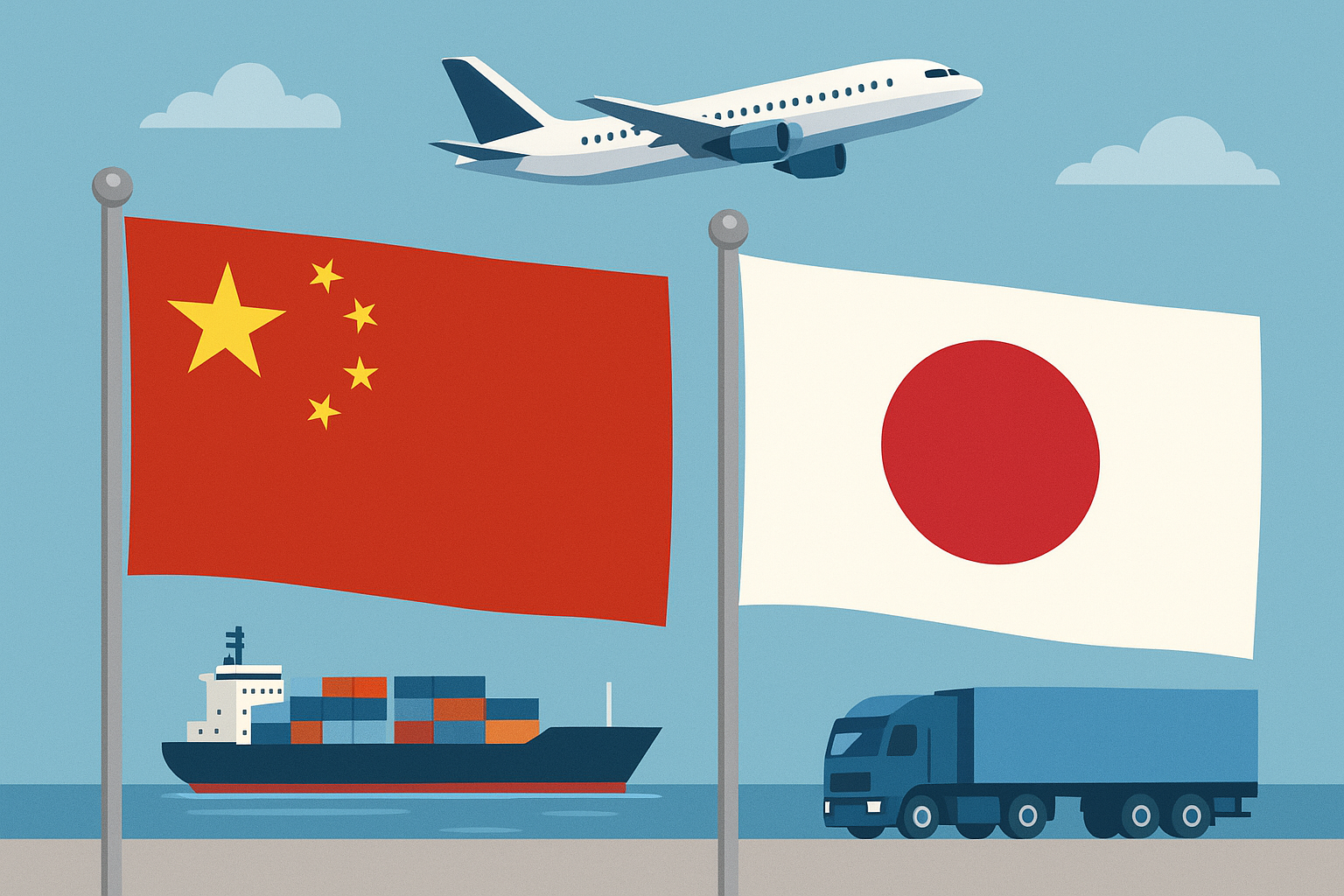
Global trade between China and Japan continues to thrive, with countless companies relying on container shipping China to Japan to move goods efficiently. This guide explains costs, transit times, shipping options, and practical case studies to help you plan seamless shipments.
How Container Shipping Works Between China and Japan
Every shipment starts with proper planning and selection of transport mode. Container shipping China to Japan mainly uses sea freight, offering reliability, scalability, and cost efficiency for all cargo sizes.
How Much Does Container Shipping from China to Japan Cost?
Shipping cost depends on volume, container type, and destination.
Container Type
Average Rate
Description
20ft Dry Container
$1,000–$1,400
For general goods
40ft Dry Container
$1,700–$2,200
Ideal for bulk cargo
40ft High Cube
$1,800–$2,400
For light, large-volume items
Reefer Container
$2,600–$3,200
For temperature-controlled goods
Moreover, extra charges may apply for port handling, customs inspection, and warehouse storage. Importers can lower costs through long-term freight contracts or groupage shipments.
What Documents Are Required for Customs Clearance?
Proper documentation ensures smooth border crossing between China and Japan.
Document
Purpose
Commercial Invoice
Declares shipment value
Packing List
Details package contents
Bill of Lading
Serves as proof of transport
Certificate of Origin
Confirms source country
Import License
Required for restricted goods
Furthermore, shipments must comply with Japan’s Customs Law, which enforces inspection on electronics, food, and machinery.
What Factors Affect Transit Time and Cost?
Several elements influence total logistics performance:
Selecting the correct container impacts safety and cost-efficiency.
Container Type
Best For
Key Advantage
20ft Dry
Dense goods
Compact and economical
40ft Dry
General cargo
Better per-unit cost
40ft High Cube
Bulky cargo
Extra vertical space
Reefer
Perishables
Temperature control
Open Top
Oversized cargo
Easy loading access
Therefore, consulting your freight forwarder ensures your cargo uses the optimal container type for the best cost–benefit ratio.
Key Tips for Smoother Container Shipping
Efficient preparation leads to predictable delivery outcomes:
Inspect containers before loading.
Label each package clearly.
Use moisture absorbers for sea routes.
Schedule shipments before holidays.
Communicate regularly with logistics partners.
As a result, these steps enhance visibility, minimize delays, and maintain supply chain reliability.
Conclusion
Efficient container shipping China to Japan requires strategic planning, timely booking, and reliable logistics coordination. Whether you’re exporting electronics, furniture, or perishables, selecting the right freight method and container ensures consistent quality, lower cost, and faster delivery. Working with a trusted logistics provider guarantees smoother customs processing and dependable transit performance every time.
Consult TJ China Freight Forwarding for the lowest quote. They will provide you with reliable, cost-effective service.