

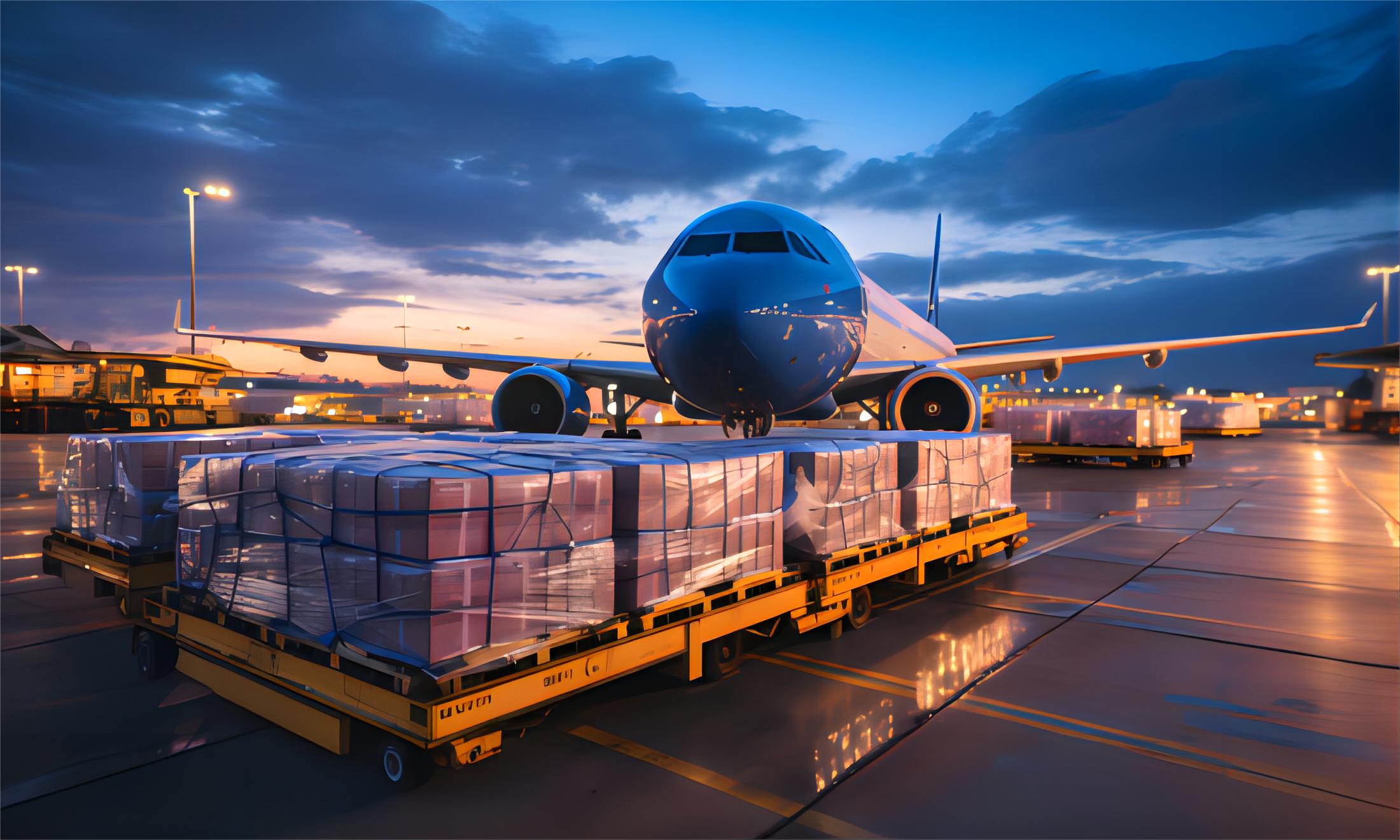
Expert China FCL Container Loading Service to Illinois Solutions
Shipping goods across the Pacific requires a high level of precision and logistical expertise to ensure timely arrivals. Choosing a professional China FCL container loading service to Illinois ensures that your valuable cargo remains secure throughout the entire journey from the factory to the warehouse. Many businesses struggle with the complexities of international trade, but our comprehensive solutions simplify the process for importers in the American Midwest.

Why Choose China FCL Container Loading Service to Illinois?
Full Container Load (FCL) shipping offers the most efficient way to transport large volumes of goods from China to the Midwest. When you utilize a dedicated container, you minimize the risk of damage because your cargo does not share space with other shipments. This exclusivity provides a higher level of security and allows for faster handling at both the origin and destination ports.
Illinois serves as a central hub for North American logistics, making it a prime destination for industrial and retail goods. Consequently, using a specialized loading service ensures that your products are packed according to international safety standards. Furthermore, FCL shipments typically experience fewer delays during the customs clearance process compared to consolidated shipments.
Reliability remains a top priority for businesses managing tight production schedules or seasonal inventory demands. By selecting a dedicated container service, you gain better control over your supply chain and delivery timelines. Moreover, the cost-per-unit for large shipments is significantly lower when you fill an entire 20ft or 40ft container.
Key Benefits of Full Container Load Logistics
Efficiency improves dramatically when you avoid the consolidation and deconsolidation steps required for smaller shipments. Your goods remain sealed in the container from the moment they leave the factory in China until they arrive at your Illinois facility. This reduction in handling directly correlates to a lower probability of theft or transit-related breakage.
Flexibility in scheduling allows importers to choose departure dates that align perfectly with their manufacturing cycles. Because you are not waiting for other shippers to fill a container, your goods can move as soon as they are ready. Additionally, FCL allows for the transport of oversized or heavy items that might not fit in standard LCL configurations.
Cost-effectiveness is a major advantage for high-volume importers who need to manage their ocean freight rates carefully. While the upfront cost of a full container is higher, the total landed cost per item is often much lower. Therefore, businesses looking to scale their operations should consider FCL as their primary shipping method.
Major Chinese Ports and Transit Times to Illinois
Selecting the right port of loading in China can significantly impact your total transit time and shipping costs. Ports like Shanghai, Ningbo, and Shenzhen offer the most frequent departures and competitive rates for sea freight services. Each port has its own strengths, such as proximity to specific manufacturing hubs or advanced cargo handling capabilities.
Transit times to Illinois usually range from 22 to 35 days, depending on the chosen route and the speed of the intermodal connection. Most containers arrive at West Coast ports like Long Beach or Prince Rupert before moving by rail to Chicago. Alternatively, some shippers prefer the all-water route through the Panama Canal to East Coast ports, though this takes longer.
| Port of Loading | Port of Discharge | Transit Time (Days) | Route Type |
|---|---|---|---|
| Shanghai | Chicago (via LA) | 22-26 | Intermodal Rail |
| Shenzhen | Chicago (via LB) | 24-28 | Intermodal Rail |
| Ningbo | Chicago (via PR) | 20-24 | Express Rail |
| Qingdao | Chicago (via NY) | 35-40 | All-Water |
How Does China FCL Container Loading Service to Illinois Compare to Other Shipping Options?
Importers must weigh the pros and cons of different transportation modes to find the best fit for their specific needs. While FCL is the gold standard for volume, air freight remains the fastest option for urgent or high-value shipments. However, the cost of air transport can be ten times higher than sea freight, making it unsustainable for most bulk commodities.
Comparison between FCL and LCL (Less than Container Load) is also essential for smaller businesses. LCL is better for shipments under 15 cubic meters, but it involves more handling and longer transit times due to the consolidation process. Meanwhile, intermodal rail from the West Coast is the standard for reaching Illinois efficiently from the Pacific.
| Shipping Method | Cost Range | Transit Time | Best For |
|---|---|---|---|
| FCL Sea Freight | USD 3,000 – 5,500 | 22-30 Days | Bulk & Heavy Goods |
| LCL Sea Freight | USD 80 – 150/CBM | 30-40 Days | Small Shipments |
| Air Freight | USD 5 – 12/kg | 3-7 Days | Urgent/High Value |
| Sea-Air Hybrid | Medium | 12-18 Days | Balanced Priority |
Understanding the Intermodal Connection to the Midwest
Illinois is uniquely positioned as a global rail hub, which is critical for containers arriving from China. Once the ship docks at a West Coast port, the container is transferred directly onto a specialized freight train. This intermodal transport system allows for a seamless transition from sea to land without the need to unpack the cargo.
Chicago handles the majority of these intermodal transfers, serving as a gateway for the entire state of Illinois. Consequently, the efficiency of the rail network is just as important as the speed of the ocean vessel. Shippers should work with a forwarder who has strong relationships with major rail carriers like BNSF or Union Pacific to ensure priority handling.
Navigating Customs and Documentation for Illinois Imports
Successful importing requires a thorough understanding of US Customs and Border Protection (CBP) regulations. Utilizing a professional customs brokerage service can prevent costly delays and ensure compliance with all legal requirements. You must provide accurate documentation, including the Bill of Lading, Commercial Invoice, and Packing List, to avoid penalties.
Importers must also file an Importer Security Filing (ISF) at least 24 hours before the ship departs from China. Failure to comply with this ’10+2′ rule can result in significant fines and increased scrutiny of your shipments. Furthermore, understanding the specific HTS codes for your products is vital for calculating duties and taxes correctly.
| Document Name | Source | Purpose | Required For |
|---|---|---|---|
| Bill of Lading | Carrier | Title of Goods | All Shipments |
| Commercial Invoice | Supplier | Value Declaration | Customs Entry |
| Packing List | Supplier | Cargo Details | Inspection |
| ISF Filing | Forwarder | Security Screening | US Imports |
Cost Factors for China to Illinois Container Shipping
Freight rates are influenced by a variety of factors, including fuel surcharges, seasonal demand, and carrier capacity. As of Q1 2025, market data suggests that rates have stabilized, although peak seasons still see price increases of 15% to 25%. Importers should budget for both the ocean freight and the inland drayage costs required to move the container from the rail ramp to the final warehouse.
Additional expenses may include cargo insurance, terminal handling charges, and customs duties. To minimize costs, consider booking your shipments several weeks in advance and choosing off-peak departure dates. Working with an experienced freight forwarder who understands the North America trade lane can help you find the most competitive rates available.
Note: Freight rates are subject to change based on fuel costs, carrier capacity, and seasonal demand. Contact us for a current quote tailored to your specific shipment.
Strategic Advantages of Door to Door Logistics
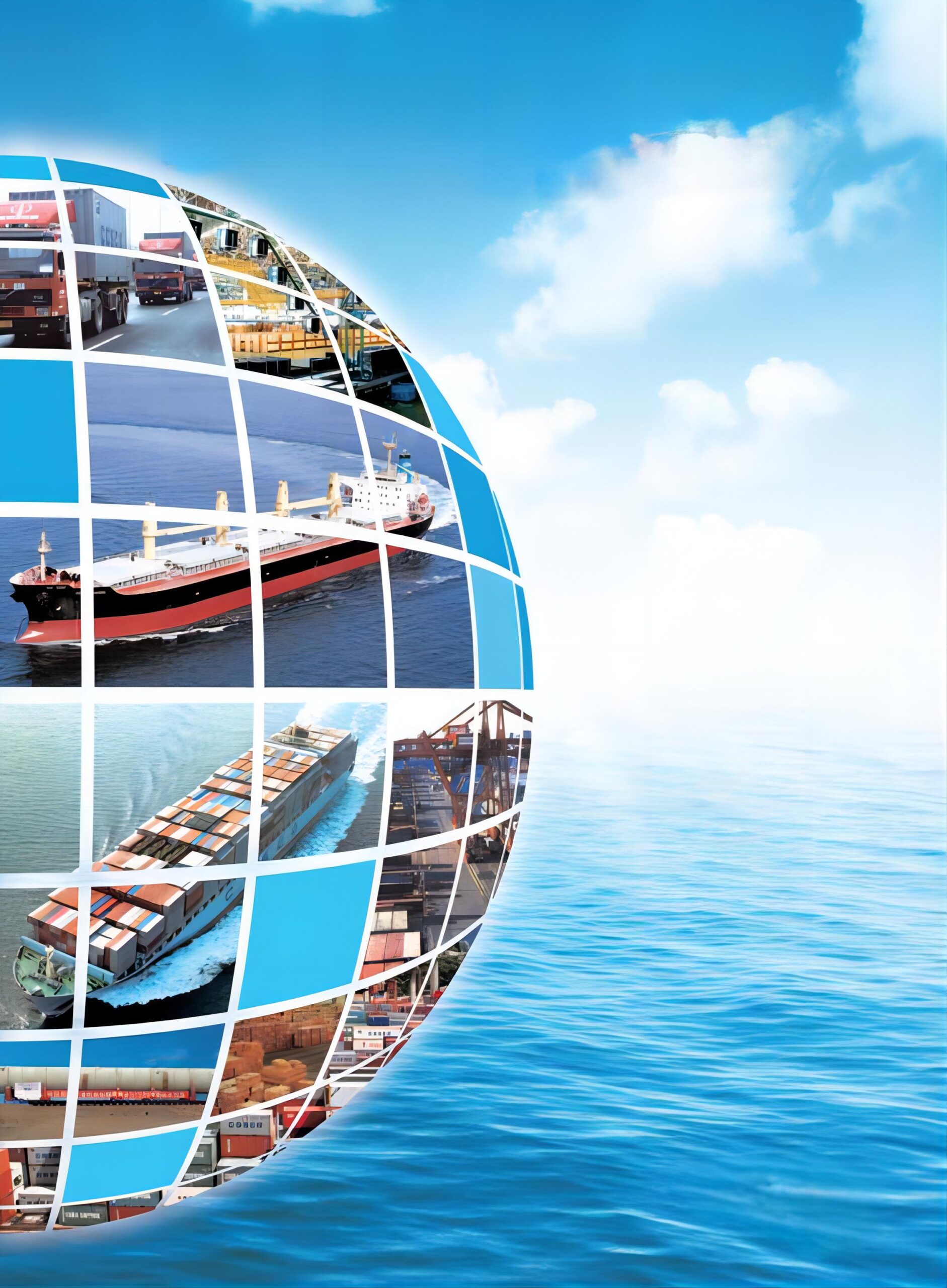
Managing multiple logistics providers can be overwhelming and prone to communication breakdowns. A door to door service simplifies the entire process by providing a single point of contact from origin to destination. This comprehensive approach covers everything from factory pickup in China to final delivery at your doorstep in Illinois.
Transparency is greatly improved when one company manages the entire journey of your FCL container. You receive consistent updates and tracking information, which allows for better inventory planning and customer service. Moreover, door-to-door solutions often include customs clearance and local trucking, reducing the administrative burden on your team.
Real Case Studies: China to Illinois Logistics
Case Study 1: Shanghai to Chicago Intermodal Success. +———————————————————+ | Route: Shanghai to Chicago | | Cargo: Commercial Gym Equipment, 28 CBM, 12,000 kg | | Container: 40HQ | | Shipping Details: | | – Carrier: COSCO | | – Port of Loading: Shanghai | | – Port of Discharge: Prince Rupert (Rail to Chicago) | | Cost Breakdown: | | – Total Landed Cost: USD 5,200 | | Timeline: | | – Total Door-to-Door: 23 days | +———————————————————+ Key Insight: Using the Prince Rupert gateway saved 4 days compared to the congested Los Angeles route.
Case Study 2: Shenzhen to Rockford Electronics Import. +———————————————————+ | Route: Shenzhen to Rockford, IL | | Cargo: LED Lighting Components, 18 CBM, 8,500 kg | | Container: 20GP | | Shipping Details: | | – Carrier: MSC | | – Port of Loading: Shenzhen | | – Port of Discharge: Long Beach (Rail to Chicago) | | Cost Breakdown: | | – Total Landed Cost: USD 3,850 | | Timeline: | | – Total Door-to-Door: 27 days | +———————————————————+ Key Insight: Early ISF filing and pre-clearing customs prevented delays during the Q4 peak season.
Case Study 3: Ningbo to Aurora Amazon FBA Fulfillment. +———————————————————+ | Route: Ningbo to Aurora, IL | | Cargo: Home Decor Products, 32 CBM, 10,000 kg | | Container: 40GP | | Shipping Details: | | – Service: Amazon FBA | | – Port of Loading: Ningbo | | – Port of Discharge: Seattle (Rail to Chicago) | | Cost Breakdown: | | – Total Landed Cost: USD 4,600 | | Timeline: | | – Total Door-to-Door: 25 days | +———————————————————+ Key Insight: Strategic use of a 40GP container allowed the client to maximize volume while staying within weight limits for Illinois trucking.
Which Option Should You Choose for Your Business?
Budget priority: If your primary goal is to minimize costs, FCL sea freight is almost always the best choice for large volumes. For shipments under 15 CBM, consider LCL to avoid paying for unused space. Speed priority: When time is of the essence, air freight is the only viable option, though it comes at a premium price.
Cargo type considerations: Heavy industrial machinery or large furniture items are best suited for 40HQ containers. Retailers with high-turnover inventory should look for express intermodal services that prioritize rail transit from the West Coast. Ultimately, your choice should balance cost, speed, and the specific requirements of your cargo.
Mastering Your Illinois Import Strategy
Successfully managing a China FCL container loading service to Illinois requires a combination of strategic planning and reliable partnerships. By understanding the nuances of port selection, intermodal rail connections, and customs regulations, you can significantly improve your bottom line. Transitioning to a professional logistics model ensures that your business remains competitive in a global marketplace.
Furthermore, staying informed about current market trends and pricing allows you to make data-driven decisions for your supply chain. Whether you are shipping electronics, machinery, or retail goods, the right shipping strategy makes all the difference. Our commitment to excellence ensures that your cargo reaches Illinois safely and efficiently every time.
In conclusion, the complexity of international shipping should not hinder your business growth. With the right support and a focus on FCL efficiency, you can streamline your operations and focus on what matters most. Let us handle the logistics so you can focus on expanding your reach in the Midwest and beyond.
Ready to streamline your logistics?
Take the next step in optimizing your supply chain by partnering with a logistics expert who understands the Illinois market. Our team is ready to provide a customized China FCL container loading service to Illinois that meets your specific budget and timeline. Contact us today to receive a competitive freight quote and experience a seamless shipping process. Visit Top China Freight to get started now.
Request Quote