


Express Shipping China to Middle East: Fast Logistics Solutions
Rapidly expanding trade between Asia and the Gulf region has made express shipping China to Middle East a vital component for modern businesses. Many importers struggle with long lead times and complex customs procedures that delay their supply chains. Consequently, finding a reliable logistics partner is essential to ensure your high-value or time-sensitive cargo reaches its destination without unnecessary setbacks. At Top China Freight, we specialize in streamlining these processes to provide you with the fastest and most efficient shipping experience available today.
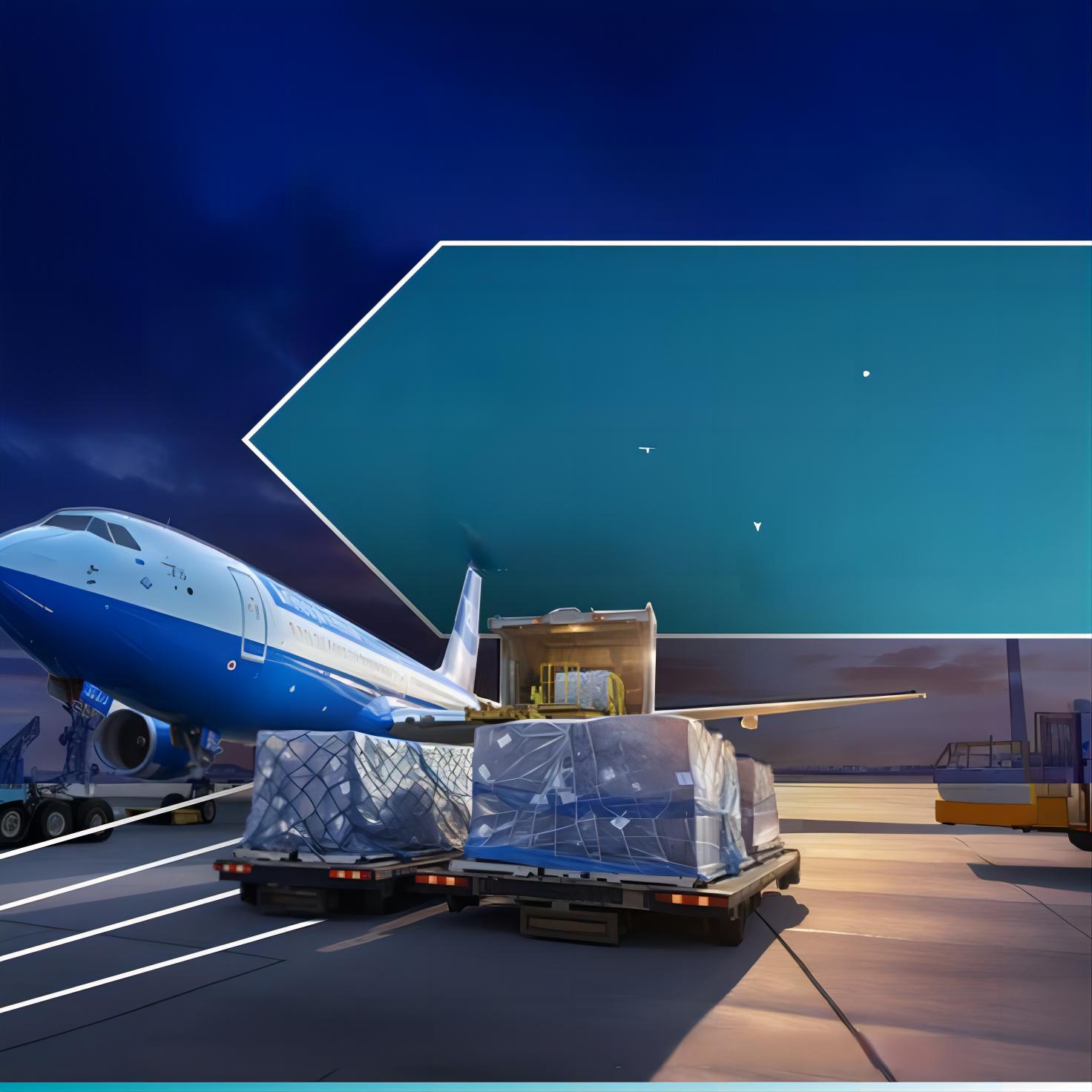
What is Express Shipping China to Middle East?
Express shipping represents the premium tier of logistics services designed for maximum speed and efficiency. Unlike standard freight, this method prioritizes your cargo through every step of the journey, from pickup to final delivery. Moreover, it typically utilizes dedicated courier networks and air assets to bypass the slower processing times associated with traditional sea or rail transport.

Choosing express shipping China to Middle East means your goods are handled with the highest level of priority. This service is ideal for electronics, medical supplies, and urgent documents that cannot wait for standard transit windows. Furthermore, most express providers offer comprehensive tracking systems so you can monitor your shipment in real-time across international borders.

Transitioning to express services can significantly reduce your inventory holding costs. By moving goods faster, businesses can respond more quickly to market demands in countries like Saudi Arabia, the UAE, and Qatar. Therefore, while the initial cost might be higher, the long-term benefits of agility and reliability often outweigh the expense.
How Does Express Shipping Compare to Other Shipping Options?
Understanding the differences between logistics modes is crucial for optimizing your budget and schedule. While express shipping China to Middle East offers the fastest speeds, it is important to weigh this against the volume and weight of your cargo. For example, a small parcel is perfect for express, but a full warehouse restock might require a different approach.
Sea freight remains the most economical choice for massive volumes, although it takes significantly longer to arrive. In contrast, standard air freight offers a middle ground between cost and speed, suitable for larger shipments that are still time-sensitive. Consequently, businesses often employ a hybrid strategy to balance their logistics expenses.
The following table provides an objective analysis of the viable alternatives for the China to Middle East route. Use this data to determine which method aligns best with your current business requirements and financial constraints.
| Shipping Method | Cost Range | Transit Time | Best For | Limitations |
|---|---|---|---|---|
| Express Shipping | $8 – $15 per kg | 3-5 Days | Urgent/Small Goods | Highest price point |
| Air Freight | $4 – $8 per kg | 5-10 Days | Medium Shipments | Airport-to-airport only |
| Sea Freight (LCL) | $100 – $200 per CBM | 25-35 Days | Bulky Items | Slow transit speed |
| Sea Freight (FCL) | $2000 – $3500 per 40HQ | 20-30 Days | Massive Volume | Requires high volume |
Why Should You Choose Express Service for Your Cargo?
Reliability is the cornerstone of any successful international trade operation. When you opt for an express service, you are paying for a guaranteed delivery window and professional handling. Additionally, these services often include simplified customs clearance, which reduces the risk of your goods being held at the border.
Security is another major factor that favors express shipping. Because the transit time is shorter and there are fewer touchpoints, the risk of damage or theft is significantly minimized. Indeed, most premium couriers provide enhanced insurance options and specialized packaging advice to protect your investment during the long flight from China.
Moreover, the convenience of a single point of contact cannot be overstated. Express providers manage the entire journey, meaning you do not have to coordinate between multiple carriers or local delivery agents. This streamlined approach allows you to focus on your core business activities while the logistics experts handle the heavy lifting.
Understanding Transit Times for Middle Eastern Destinations
Transit times for express shipping China to Middle East vary slightly depending on the specific destination city and local infrastructure. Generally, major hubs like Dubai, Riyadh, and Doha receive shipments faster than more remote regions. Nevertheless, the efficiency of modern air corridors ensures that even inland locations are reachable within a week.
Typical transit times for express delivery usually range from 3 to 5 business days. This includes the time taken for pickup in China, export processing, the international flight, and final mile delivery. For instance, a package leaving Shenzhen on Monday can often be delivered in Abu Dhabi by Thursday afternoon.
However, seasonal peaks such as Ramadan or the Chinese New Year can impact these schedules. During these periods, high demand for air cargo space may lead to slight delays. Therefore, it is always wise to plan your shipments a few days in advance during peak seasons to ensure you meet your deadlines.
| Destination Country | Major Hub | Express Time | Standard Air Time |
|---|---|---|---|
| UAE | Dubai (DXB) | 3-4 Days | 6-8 Days |
| Saudi Arabia | Riyadh (RUH) | 4-5 Days | 7-10 Days |
| Qatar | Doha (DOH) | 3-5 Days | 6-9 Days |
| Kuwait | Kuwait City (KWI) | 4-6 Days | 8-11 Days |
How to Optimize Costs for Express Shipping China to Middle East
While speed is the primary goal, managing your shipping costs is equally important for maintaining healthy margins. One effective strategy is to pay close attention to the volumetric weight of your packages. Because express carriers charge based on either actual weight or dimensions, optimizing your packaging can lead to substantial savings.
Additionally, consolidating multiple small orders into a single express shipment can reduce the per-unit cost. Instead of sending five separate parcels, grouping them together allows you to benefit from better weight brackets. Consequently, you can maintain the speed of express delivery while lowering your overall logistics expenditure.
Furthermore, leveraging a professional customs brokerage service can prevent costly fines and delays. Accurate documentation ensures that your goods are classified correctly, allowing you to take advantage of any applicable trade agreements. Indeed, avoiding even a single day of storage fees can make a noticeable difference in your final landed cost.
Case Study 1: Urgent Electronics Delivery to Dubai
Case Study 1: High-Value Electronics Shipment
Route: Shenzhen, China to Dubai, UAE
Cargo: High-end smartphones and accessories, 1.5 CBM, 280 kg
Shipping Method: Express Air Service
Carrier: Major International Courier
Port of Loading: Shenzhen Baoan International Airport
Port of Discharge: Dubai International Airport
Cost Breakdown:
– Express Freight: $3,220
– Origin Charges: $150
– Destination Charges: $200
– Customs and Duties: $850
– Total Landed Cost: $4,420
Timeline:
– Booking to Loading: 1 day
– Air Transit: 3 days
– Customs Clearance: 1 day
– Total Door-to-Door: 5 days
Key Insight: Using express shipping allowed the client to launch their product simultaneously with the global release, capturing maximum market share in the UAE. Based on Q4 2024 market rates.
Case Study 2: Industrial Spare Parts to Riyadh
Case Study 2: Critical Machine Components
Route: Shanghai, China to Riyadh, Saudi Arabia
Cargo: CNC machine replacement parts, 0.8 CBM, 120 kg
Shipping Method: Premium Express
Carrier: Specialized Logistics Carrier
Port of Loading: Shanghai Pudong International
Port of Discharge: King Khalid International
Cost Breakdown:
– Express Freight: $1,680
– Origin Charges: $120
– Destination Charges: $180
– Customs and Duties: $420
– Total Landed Cost: $2,400
Timeline:
– Booking to Loading: 1 day
– Air Transit: 4 days
– Customs Clearance: 1 day
– Total Door-to-Door: 6 days
Key Insight: The rapid transit time prevented a factory shutdown that would have cost the client over $10,000 per day in lost production. Typical rates as of early 2025.
Which Option Should You Choose? A Decision Framework
Selecting the right shipping method requires a careful evaluation of your specific priorities. If your primary concern is the lowest possible price, you should consider sea freight for your non-urgent inventory. However, if your business model relies on fast turnover and high customer satisfaction, express shipping is the clear winner.
Consider the following criteria when making your decision. For shipments under 100 kg, express services are often more cost-effective than standard air freight due to simplified pricing structures. On the other hand, for cargo exceeding 500 kg, traditional air freight usually offers a better balance of price and speed.
Budget priority: Choose sea freight for maximum savings. Speed priority: Choose express shipping for 3-5 day delivery. Cargo type: Use express for fragile or high-value items that require minimal handling. Volume thresholds: Switch from express to air freight once your shipment exceeds 150 kg to optimize your per-kilogram rate.
The Role of Door to Door Solutions in Express Shipping
One of the most significant advantages of express shipping is the integration of door to door logistics. This service eliminates the need for the importer to arrange local trucking or warehouse handling at either end of the journey. Consequently, the entire process becomes a seamless extension of your business operations.
Door to door service includes the pickup from your supplier in China and the final delivery to your office or warehouse in the Middle East. This end-to-end visibility reduces the likelihood of communication errors between different logistics providers. Furthermore, it provides a single invoice for the entire journey, making your accounting and cost tracking much simpler.
Indeed, for many small and medium enterprises, the time saved by using a comprehensive door to door service is invaluable. It allows your team to focus on sales and marketing rather than navigating the complexities of international port operations. Therefore, investing in a full-service express solution can be a major driver of business growth.
Alternative Strategies: Hybrid and Sea-Air Solutions
In some cases, a purely express or purely sea-based approach may not be the perfect fit. For these scenarios, hybrid solutions like sea-air shipping can provide a strategic advantage. This involves moving goods by sea from China to a major transshipment hub like Singapore or Dubai, and then flying them to the final destination.
This alternative strategy can save up to 40% in costs compared to direct air freight while being significantly faster than pure sea freight. It is particularly effective for mid-season inventory replenishments where you need the goods faster than a ship can deliver, but do not want to pay the full express premium. Consequently, it represents a versatile tool in any supply chain manager’s arsenal.
Another alternative involves using LCL (Less than Container Load) shipping for larger items that are not time-critical. While this requires more coordination at the port, it can drastically reduce your shipping spend. However, always remember that freight rates are subject to change based on fuel costs, carrier capacity, and seasonal demand. Contact us for a current quote tailored to your specific shipment.
Final Thoughts on Express Shipping to the Middle East
Navigating the logistics landscape requires a blend of speed, cost-effectiveness, and reliability. Express shipping China to Middle East provides the ultimate solution for businesses that cannot afford to wait. By understanding the various transit times, costs, and service levels, you can make informed decisions that support your long-term growth.
Whether you are shipping electronics to Dubai or spare parts to Riyadh, the right strategy makes all the difference. Remember to balance your urgency with your budget and leverage professional services to handle the complexities of customs and final delivery. With the right partner, your international trade operations will reach new heights of efficiency.
Ready to streamline your logistics?
Ready to accelerate your supply chain with professional express shipping China to Middle East? Contact our expert team today to receive a personalized quote and discover how we can streamline your international logistics. Send Inquiry: Visit Top China Freight.com/contact-us
Request Quote