

Fast Air Freight from China to Italy: Speed and Efficiency
Securing fast air freight from China to Italy is essential for businesses that prioritize speed and reliability in their global supply chain. By partnering with a professional logistics provider like Top China Freight, you can ensure your cargo reaches its destination efficiently. This guide explores the most effective ways to manage your shipments while maintaining cost-effectiveness and speed.
Why Choose Fast Air Freight from China to Italy?
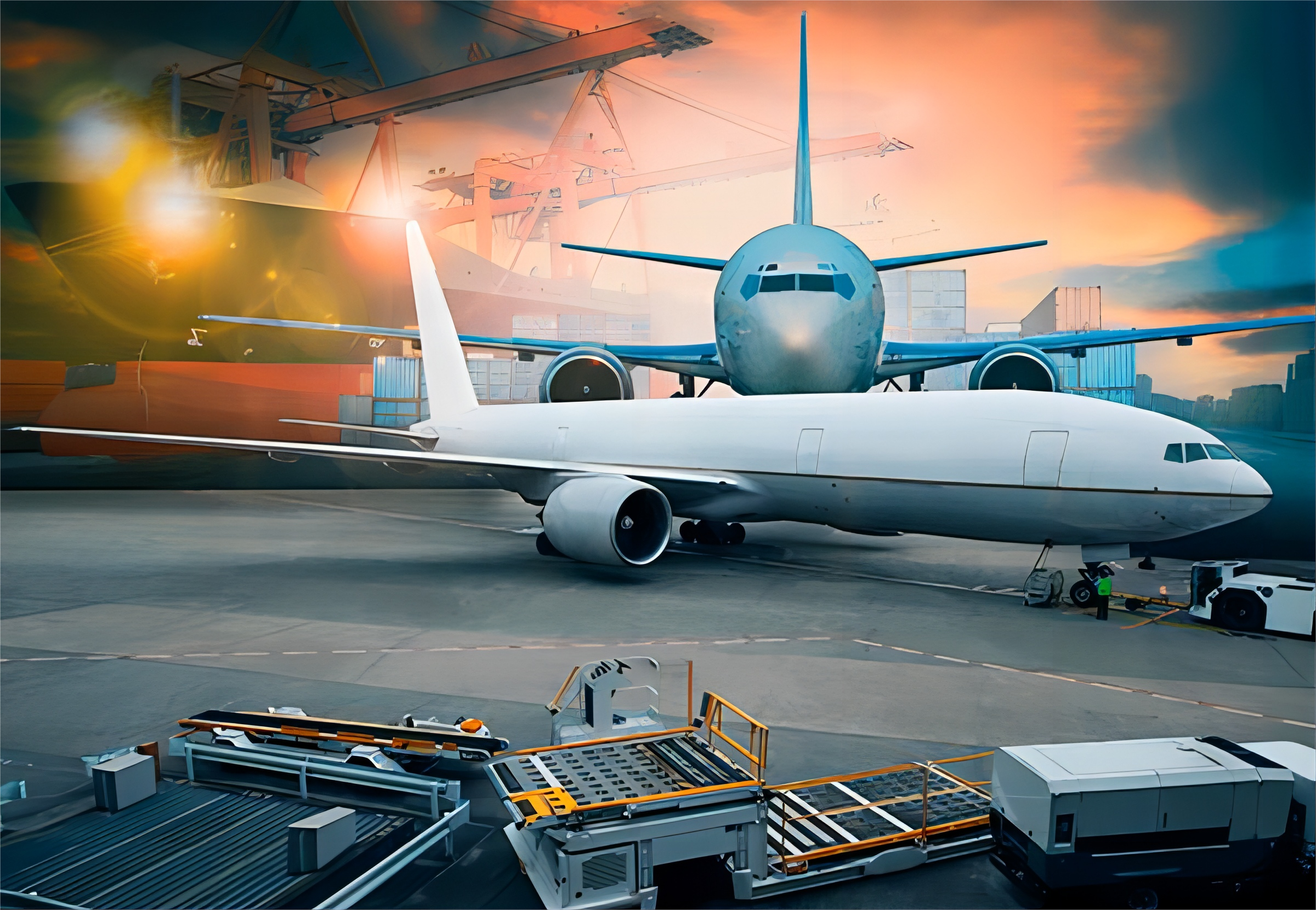
Speed remains the primary reason businesses opt for air solutions when moving goods across continents. While other methods take weeks, air transport reduces the timeline to just a few days. Furthermore, high-value or perishable items require the security and temperature control that only flight schedules can offer. Consequently, companies can maintain lower inventory levels and respond faster to market demands in Europe.

Reliability is another significant factor that drives the preference for air transport. Flight schedules are generally consistent, with multiple departures available from major hubs like Shanghai, Shenzhen, and Beijing. Moreover, the risk of damage or theft is significantly lower compared to long-haul sea or rail journeys. Therefore, shippers often find that the higher upfront cost is balanced by reduced insurance premiums and lower risk of stockouts.
How Does Fast Air Freight Compare to Other Shipping Options?
Evaluating different logistics methods is crucial for optimizing your shipping budget and delivery schedule. While sea freight offers the lowest cost for bulk shipments, it lacks the agility needed for urgent orders. In contrast, air freight provides the fastest transit times but comes at a premium price point. Additionally, rail options provide a middle ground for those who can wait longer than air but need faster delivery than sea.
Choosing the right method depends heavily on your specific cargo volume and deadline requirements. For instance, small parcels under 100kg are almost always more economical via air or express. On the other hand, large machinery or heavy industrial parts may be cost-prohibitive for air transport unless the situation is an emergency. Consequently, many businesses utilize a hybrid strategy to balance their logistics expenses.
| Shipping Method | Cost Range | Transit Time | Best For |
|---|---|---|---|
| Air Freight | $4.50 – $8.50 / kg | 3 – 7 Days | Urgent, High-Value |
| Sea Freight | $1,800 – $3,500 / 40HQ | 30 – 45 Days | Bulk, Heavy Goods |
| Rail Freight | $120 – $180 / CBM | 18 – 25 Days | E-commerce, Stable Supply |
| Express | $9.00 – $15.00 / kg | 2 – 4 Days | Samples, Small Parcels |
Understanding Transit Times for Air Shipments
Transit times for air freight from China to Italy vary based on the specific cities involved. Direct flights from major hubs like Shanghai Pudong (PVG) to Milan Malpensa (MXP) offer the quickest possible connection. Meanwhile, shipments originating from inland cities may require additional trucking time to reach an international airport. Consequently, you should factor in 1-2 days for domestic handling before the flight departure.
Customs processing at both ends also influences the total door-to-door duration. Efficient documentation and pre-clearance strategies can significantly reduce delays at Italian ports of entry. Furthermore, seasonal peaks such as the Chinese New Year or the Q4 holiday rush can extend transit times due to airport congestion. Therefore, booking your space at least a week in advance is highly recommended during these periods.
Key Factors Influencing Air Freight Costs
Freight rates are influenced by several dynamic factors including fuel surcharges and carrier capacity. During the peak season, prices often spike as demand for space exceeds the available supply on cargo planes. Additionally, the chargeable weight of your shipment is calculated based on either actual weight or volumetric weight. Moreover, choosing an Express Service might be more expensive but includes faster handling and customs priority.
Market conditions in 2025 suggest that rates have stabilized compared to previous years of disruption. However, geopolitical events and changes in aviation regulations can still cause sudden price fluctuations. To summarize, obtaining a real-time quote is the only way to ensure accuracy for your specific shipment. Note: Freight rates are subject to change based on fuel costs, carrier capacity, and seasonal demand. Contact us for a current quote tailored to your specific shipment.
Essential Documentation for Italian Customs
Navigating the legal requirements for importing goods into Italy requires precise paperwork. The commercial invoice must clearly state the value of the goods, the country of origin, and the HS codes for tax calculation. Furthermore, a packing list detailing the contents of each carton is mandatory for physical inspections. Consequently, hiring a specialist in customs brokerage can prevent costly delays and fines.
Air waybills serve as the contract of carriage and are vital for tracking your shipment throughout its journey. Additionally, certain products like electronics or textiles may require specific certificates of conformity or origin. Without a doubt, ensuring all documents are translated correctly and meet EU standards is a critical step in the process. Therefore, double-checking your paperwork before the plane leaves China is a best practice for all importers.
Real-World Case Studies for China to Italy Shipments
Examining real-world examples helps businesses understand the practical aspects of international logistics. These cases reflect typical scenarios encountered by importers moving goods from Chinese manufacturing hubs to Italian distribution centers. Furthermore, they highlight the importance of choosing the right service level for different cargo types. Consequently, these insights can help you avoid common pitfalls in the shipping process.
Case Study 1: Urgent Electronics Delivery Route: Shenzhen, China to Milan, Italy Cargo: High-end tablet components, 1.5 CBM, 450 kg Service: Direct Air Freight Shipping Details: – Carrier: Major international cargo carrier – Port of Loading: Shenzhen Baoan (SZX) – Port of Discharge: Milan Malpensa (MXP) – Route Type: Direct Cost Breakdown: – Air Freight: $3,150 – Origin Charges: $250 – Destination Charges: $320 – Customs & Duties: $850 – Total Landed Cost: $4,570 Timeline: – Booking to Loading: 1 day – Air Transit: 1 day – Customs Clearance: 1 day – Total Door-to-Door: 4 days Key Insight: Using a direct flight from Shenzhen saved the client from a potential production line shutdown in Northern Italy.
Case Study 2: Seasonal Fashion Apparel Route: Shanghai, China to Rome, Italy Cargo: Summer collection garments, 4.2 CBM, 800 kg Service: Standard Air Freight Shipping Details: – Carrier: European airline cargo – Port of Loading: Shanghai Pudong (PVG) – Port of Discharge: Rome Fiumicino (FCO) – Route Type: Transshipment via Frankfurt Cost Breakdown: – Air Freight: $4,800 – Origin Charges: $380 – Destination Charges: $410 – Customs & Duties: $1,200 – Total Landed Cost: $6,790 Timeline: – Booking to Loading: 2 days – Air Transit: 3 days – Customs Clearance: 2 days – Total Door-to-Door: 8 days Key Insight: Choosing a transshipment route via Germany reduced freight costs by 15% compared to direct options while still meeting the retail launch date.
Alternative Strategies for Your Logistics Needs
Implementing alternative strategies can help you manage costs without sacrificing too much speed. For example, sea-air hybrid solutions involve shipping by sea to a hub like Dubai and then flying the goods to Italy. This approach typically costs 30-50% less than pure air freight while arriving much faster than standard sea routes. Furthermore, consolidating multiple small orders into a single larger shipment can help you qualify for better weight-break rates.
Deferred air freight is another viable option for shipments that are not critically urgent. Carriers offer lower rates for cargo that can wait for available space on lower-priority flights. Consequently, you can still enjoy the security of air transport while reducing your overall logistics spend. In addition, using door to door services simplifies the process by handling all local trucking and documentation under one contract.
Which Option Should You Choose for Your Business?
Deciding on the best shipping method requires a clear understanding of your business priorities and budget constraints. If your primary goal is speed to market for a new product launch, fast air freight is the undisputed winner. However, if you are looking to maximize profit margins on low-cost goods, a sea or rail strategy might be more appropriate. Additionally, you must consider the nature of your cargo, as hazardous or oversized items have specific air transport restrictions.
Volume thresholds often dictate when it makes sense to switch between different logistics modes. For instance, shipments over 500kg often see a significant price jump in air freight, making sea or rail more attractive. On the other hand, for high-value items where the cost of capital is high, the speed of air freight justifies the expense. Therefore, we recommend analyzing your total landed cost rather than just the shipping rate to make an informed decision.
Summary of Fast Air Freight Solutions
Managing fast air freight from China to Italy involves balancing speed, cost, and regulatory compliance. By understanding the various transit options and documentation requirements, you can streamline your international operations. Furthermore, utilizing alternative strategies like consolidation or hybrid routes can provide significant cost savings without compromising reliability.
Professional logistics partners play a vital role in navigating the complexities of the global market. Whether you are shipping electronics, fashion, or industrial parts, having a robust plan ensures your goods arrive on time. Ultimately, staying informed about market trends and maintaining a flexible supply chain will help your business thrive in the competitive Italian market.
Ready to streamline your logistics?
Ready to accelerate your supply chain with fast air freight from China to Italy? Contact our expert team today to receive a personalized quote and optimize your logistics strategy. Visit our inquiry page to get started: Visit https://Top China Freight.com/contact-us/
Request Quote