


Cheap Air Freight from China to Belgium: Your Complete 2025 Logistics Guide
Finding cheap air freight from China to Belgium is a critical requirement for businesses looking to balance speed and budget. Consequently, understanding the nuances of air cargo rates and logistics trends helps importers minimize expenses while maintaining a reliable supply chain. This guide explores the most effective strategies to secure competitive pricing for your international shipments.

How to Secure Cheap Air Freight from China to Belgium
Securing the most affordable rates for air cargo requires a strategic approach to booking and packaging. Businesses often overpay because they do not account for the difference between actual weight and volumetric weight.
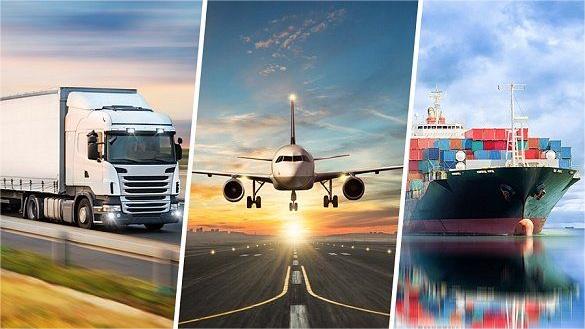
Moreover, choosing the right departure city in China can significantly influence the final quote. For instance, shipping from major hubs like Shanghai or Shenzhen often provides more competitive rates due to the high frequency of flights.
Additionally, working with an experienced freight forwarder allows you to access consolidated shipping options. These services group smaller shipments together, which effectively lowers the cost for each individual importer.
Finally, planning your shipments outside of peak seasons can result in substantial savings. During the pre-Chinese New Year rush, prices typically spike, so early booking is essential for maintaining a low budget.
What Factors Influence Air Freight Costs to Belgium?
Several variables determine the final price of air freight services from Asia to Europe. Fuel surcharges represent a large portion of the cost and fluctuate based on global oil market trends.
Furthermore, terminal handling charges at both the origin and destination airports add to the total expense. Belgian airports like Brussels (BRU) and Liege (LGG) have different fee structures that you should consider.
Security fees and documentation costs are also standard components of any professional quote. Therefore, you must ensure that all paperwork is accurate to avoid expensive storage fees caused by customs delays.
Meanwhile, the type of cargo you are shipping plays a role in pricing. Specifically, hazardous materials or perishable goods require special handling, which naturally increases the overall logistics investment.
How Does Air Freight Compare to Other Shipping Options?
While air freight is the fastest method, comparing it to other modes is necessary for cost optimization. For very large shipments, sea freight remains the most economical choice despite the longer transit times.
However, many businesses are now turning to rail transport as a middle-ground solution. Choosing rail freight offers faster delivery than the ocean while being significantly cheaper than air transport.
In contrast, if your shipment is extremely urgent and small, an express service might be the most efficient route. This method provides door-to-door delivery with minimal administrative effort from the importer.
The following table provides a clear breakdown of how these methods compare for the China to Belgium route.
| Shipping Method | Cost Range | Transit Time | Best For |
|---|---|---|---|
| Air Freight | $4.50 – $8.00 per kg | 3 – 7 Days | High-value, urgent goods |
| Sea Freight (LCL) | $100 – $200 per CBM | 30 – 45 Days | Bulky, low-value items |
| Rail Freight | $1.50 – $3.00 per kg | 15 – 22 Days | Medium-sized shipments |
| Express Courier | $8.00 – $15.00 per kg | 2 – 4 Days | Samples and documents |
Which Option Should You Choose for Your Business?
Deciding on the best shipping method depends largely on your specific inventory needs and profit margins. If your priority is speed to market for a new product launch, air freight is the only viable path.
On the other hand, if you are managing a steady supply of non-perishable goods, sea or rail might be better. Budget-conscious shippers should calculate the landed cost for each method before making a final commitment.
Cargo type considerations also dictate the method. For example, heavy machinery is often too expensive to fly, whereas high-end electronics benefit from the security and speed of air transport.
According to industry benchmarks, businesses should switch from air to sea when the shipment weight exceeds 500 kilograms to maintain profitability.
Navigating Customs Clearance in Belgium
Belgium serves as a major gateway to the European Union, making its customs procedures highly efficient but strict. Utilizing a professional customs brokerage service is often the best way to ensure compliance.
Consequently, you must provide a commercial invoice, a detailed packing list, and a Bill of Lading or Air Waybill. Failure to provide these documents accurately can lead to significant delays at the Brussels or Liege terminals.
Indeed, understanding the VAT and import duty rates in Belgium is essential for calculating your total costs. Most goods imported from China are subject to the standard EU Common External Tariff.
Furthermore, certain products may require additional certifications, such as CE marking for electronics. Always verify these requirements with your logistics provider before the goods depart from China.
Real-World Shipping Scenarios and Case Studies
Reviewing actual shipping data can help you understand the current market landscape. These examples reflect typical rates and timelines for shipments traveling to Europe in the current economic climate.
Case Study 1: High-Tech Electronics from Shenzhen to Brussels. Cargo: 150 kg of smartphone components. Method: Air Freight. Total Cost: $975. Transit Time: 5 days. Key Insight: Using a direct flight from Shenzhen saved two days in transit.
Case Study 2: Fast Fashion Apparel from Ningbo to Liege. Cargo: 450 kg of seasonal clothing. Method: Air Freight. Total Cost: $2,475. Transit Time: 7 days. Key Insight: Consolidating multiple small orders into one shipment reduced the per-kilogram rate by 15 percent.
Based on Q1 2025 market rates, these costs are representative of the competitive pricing available to well-prepared shippers.
Case Study 1: Urgent Electronics Shipment
Route: Shenzhen, China to Brussels, Belgium. Cargo: High-end circuit boards, 1.2 CBM, 210 kg. Shipping Details: Major carrier, Port of Loading: Shenzhen (SZX), Port of Discharge: Brussels (BRU), Route Type: Direct.
Cost Breakdown: Air Freight: $1,155. Origin Charges: $120. Destination Charges: $150. Customs and Duties: $310. Total Landed Cost: $1,735.
Timeline: Booking to Loading: 1 day. Air Transit: 1 day. Customs Clearance: 1 day. Total Door-to-Door: 4 days. Key Insight: Direct routing minimized handling risks for sensitive electronics.
Case Study 2: Seasonal Retail Goods
Route: Shanghai, China to Liege, Belgium. Cargo: Designer footwear, 3.5 CBM, 600 kg. Shipping Details: Cargo airline, Port of Loading: Shanghai (PVG), Port of Discharge: Liege (LGG), Route Type: Transshipment via Doha.
Cost Breakdown: Air Freight: $2,880. Origin Charges: $200. Destination Charges: $250. Customs and Duties: $540. Total Landed Cost: $3,870.
Timeline: Booking to Loading: 2 days. Air Transit: 3 days. Customs Clearance: 2 days. Total Door-to-Door: 8 days. Key Insight: Choosing Liege airport instead of Brussels reduced destination handling fees by 10 percent.
Strategies for Reducing Your Air Freight Bill
One of the most effective ways to lower costs is to optimize your packaging. Because air freight uses a volumetric weight calculation, reducing the size of your boxes can lead to immediate savings.
Furthermore, negotiating long-term contracts with freight forwarders can provide price stability. Even if you do not ship daily, having a consistent volume allows your partner to offer better rates.
Another alternative strategy is to use ‘deferred’ air freight services. These flights take slightly longer because they include more stops, but they are often 20 to 30 percent cheaper than direct express options.
Finally, always compare at least three different quotes before booking. Market conditions change rapidly, and a rate that was competitive last month might be overpriced today.
Final Thoughts on Shipping to Belgium
In summary, finding cheap air freight from China to Belgium requires a combination of smart planning and professional partnerships. By understanding the factors that influence pricing and exploring alternative routes, you can significantly reduce your logistics overhead.
Whether you prioritize speed or cost-effectiveness, the Belgian market offers excellent infrastructure for Chinese imports. Remember to keep your documentation in order and monitor market trends to stay ahead of the competition.
Ultimately, the right freight forwarding partner will help you navigate these complexities. Start implementing these strategies today to ensure your goods arrive safely and affordably.
Ready to streamline your logistics?
Ready to optimize your supply chain with cheap air freight from China to Belgium? Contact Top China Freight today for a customized quote and expert logistics support. Visit our website to send an inquiry and start saving on your shipping costs now.
Request Quote