

Fast Sea Freight from China to USA: Transit Times and Costs. Options: 1. Fast Sea Freight from China to USA: The Ultimat
Shipping goods across the Pacific Ocean requires a strategic balance between transit speed and logistics budget. When you partner with Top China Freight, you gain access to the most reliable fast sea freight from China to USA currently available in the market. Many businesses struggle with traditional ocean transit times that often exceed forty days. However, modern expedited ocean services now offer a competitive alternative that bridges the gap between standard sea transport and expensive air freight. Consequently, savvy importers are shifting their cargo to these high-speed lanes to improve inventory turnover and satisfy customer demand.

What is Fast Sea Freight from China to USA?
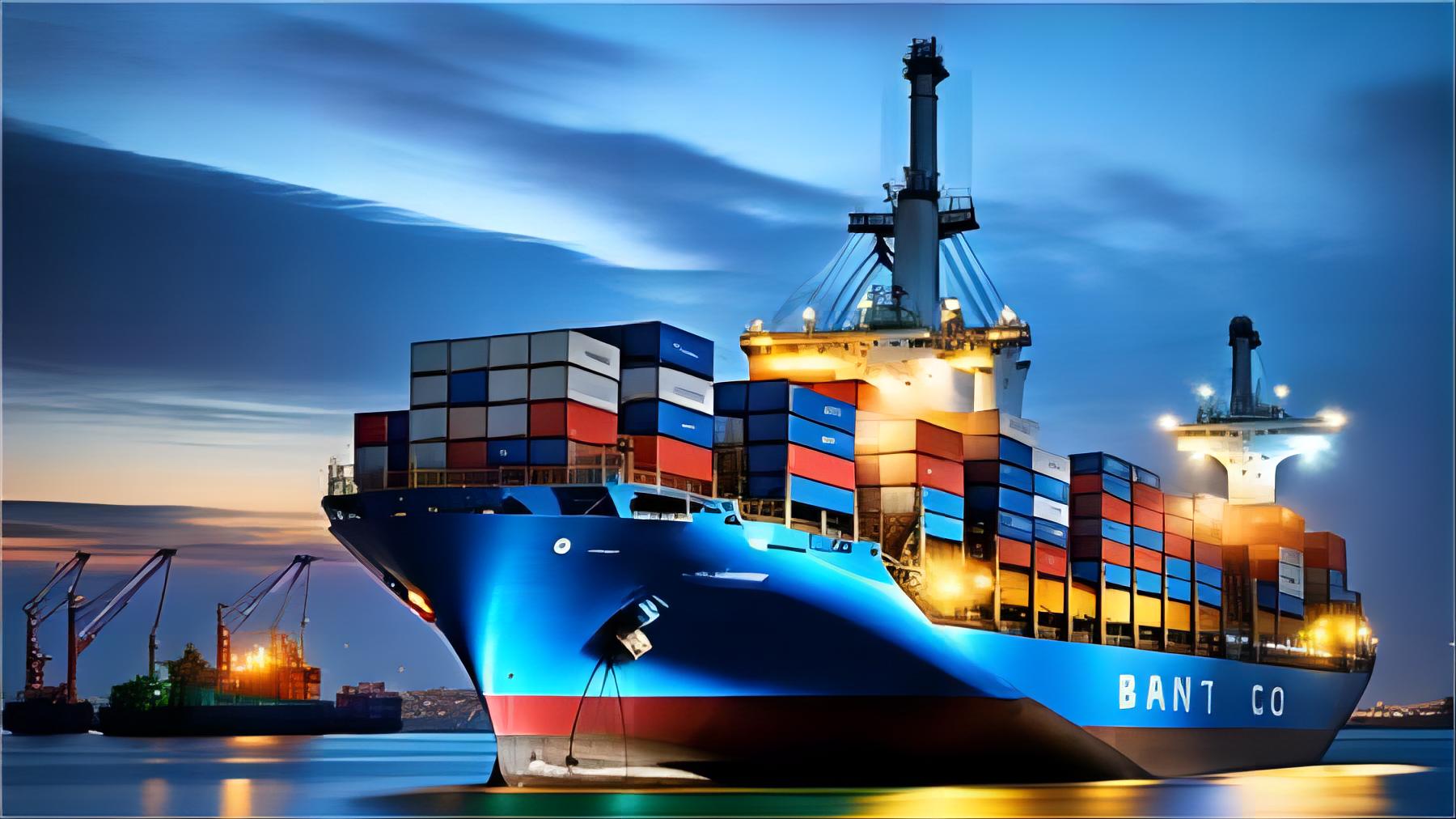
Fast sea freight from China to USA refers to specialized ocean services designed to minimize transit time through direct routes and prioritized handling. These services typically utilize faster vessels and dedicated terminals to avoid the common bottlenecks found in standard shipping lanes. For instance, carriers like Matson and ZIM offer expedited services that can reach the US West Coast in as little as 12 days. Furthermore, these premium services often include faster unloading at the destination port, which significantly reduces the total door-to-door timeline.
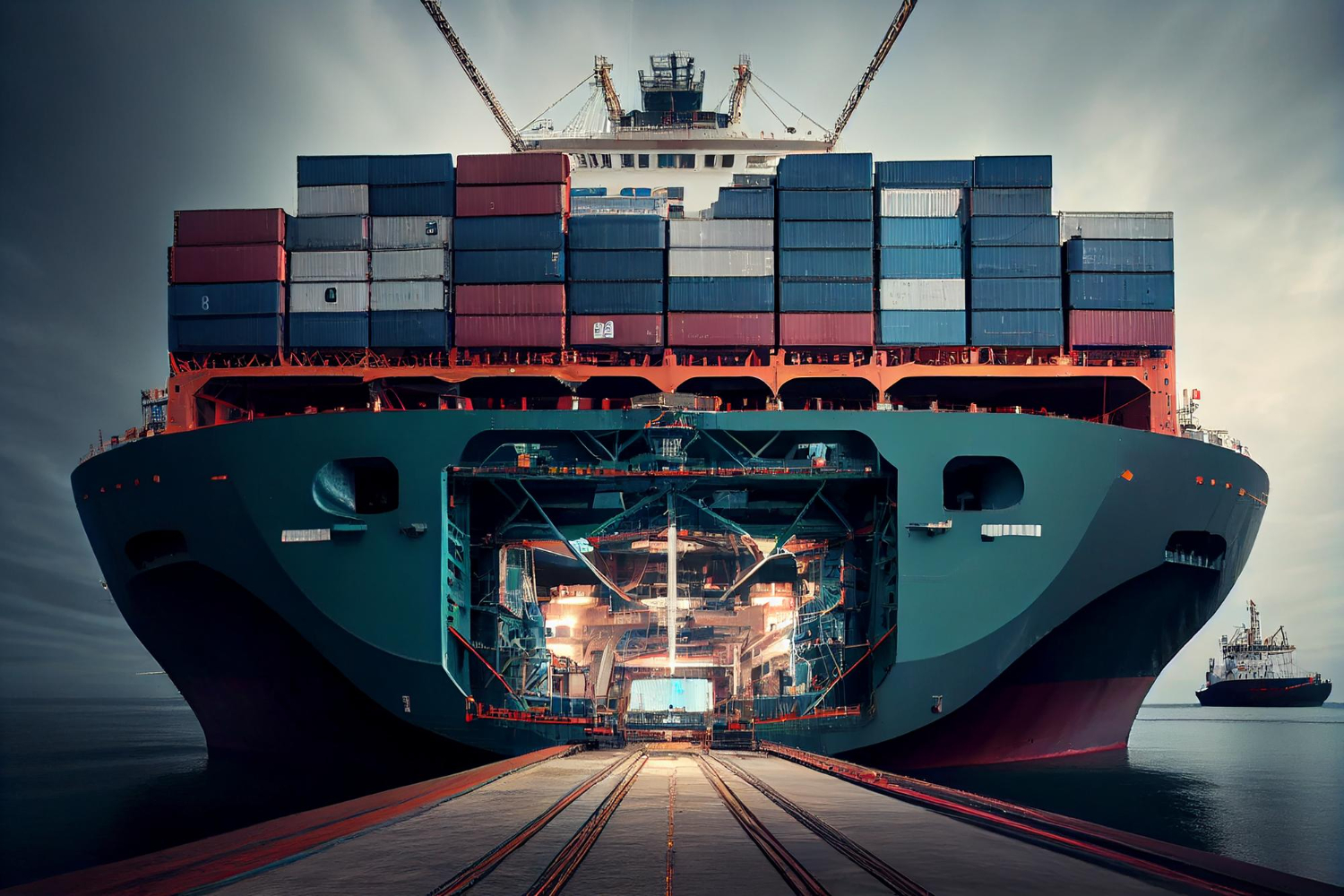
Importers often choose this method when air freight is too costly but standard sea freight is too slow. Additionally, expedited ocean shipping provides a more predictable schedule, which is essential for seasonal product launches or high-demand inventory. Businesses can maintain a leaner supply chain by relying on these consistent arrival windows. Therefore, understanding the mechanics of these express routes is vital for any company looking to optimize its international logistics strategy.
How Does Fast Sea Freight Compare to Other Shipping Options?
Choosing the right shipping method involves analyzing the trade-offs between cost, speed, and cargo volume. While fast sea freight from China to USA offers significant time savings over standard ocean shipping, it remains much cheaper than air transport. For example, moving a full container via expedited sea freight might cost double a standard rate but still only a fraction of the cost of an equivalent air shipment. Moreover, the capacity of sea vessels allows for much larger and heavier items that would be restricted or prohibitively expensive on an aircraft.
In contrast, standard sea freight remains the most economical choice for goods with flexible delivery dates. However, the risk of port congestion and longer sailing schedules can lead to stockouts and lost revenue. Consequently, many companies now adopt a hybrid approach, using fast sea freight for their most popular items and standard sea freight for bulk replenishment. This strategy ensures a steady flow of goods while keeping overall logistics expenses manageable.
| Shipping Method | Cost Range | Transit Time | Best For | Limitations |
|---|---|---|---|---|
| Fast Sea Freight | $2,000 – $4,200 | 12-20 Days | Urgent Bulky Goods | Higher Port Fees |
| Standard Sea | $1,500 – $3,000 | 30-45 Days | Non-Urgent Stock | Congestion Delays |
| Air Freight | $10,000 – $25,000 | 3-7 Days | High Value Items | Weight Limits |
| Express Service | $15,000+ | 2-5 Days | Small Samples | Very High Cost |
Key Benefits of Fast Sea Freight Services
One of the primary advantages of utilizing an express service within the ocean freight sector is the reduction in lead times. By cutting transit by two or three weeks, companies can respond much faster to market trends and consumer behavior. Additionally, faster transit times mean that capital is tied up in transit for a shorter duration. Indeed, this improvement in cash flow can be a game-changer for small to medium-sized enterprises that need to reinvest in new production cycles quickly.
Reliability is another significant factor that sets fast sea freight apart from standard options. Carriers offering these services often use smaller, faster ships and have priority berthing rights at major ports like Long Beach or Los Angeles. Consequently, these vessels are less likely to sit at anchor during periods of high port congestion. Furthermore, the specialized terminals used by these carriers often feature faster gate-out times for trucks, ensuring that your cargo hits the road immediately after arrival.
Major Ports and Transit Times for Fast Sea Freight
Transit times for fast sea freight from China to USA vary depending on the specific port of loading and the final destination in the United States. Generally, shipments departing from major hubs like Shanghai, Ningbo, or Shenzhen to the US West Coast offer the quickest turnarounds. For instance, the Matson CLX service from Shanghai to Long Beach is widely considered the gold standard for speed in the industry. On the other hand, shipments destined for the US East Coast via the Panama Canal will naturally take longer, though expedited options still exist for these routes.
Moreover, the choice of departure port can influence both the cost and the frequency of sailings. Shanghai and Ningbo offer the highest number of weekly expedited departures, providing shippers with more flexibility. Meanwhile, Shenzhen is an excellent choice for goods manufactured in the Pearl River Delta region. Therefore, selecting the right port pair is a critical step in ensuring your fast sea freight arrives on schedule and within budget.
| Origin Port | Destination Port | Transit (Days) | Carrier Type |
|---|---|---|---|
| Shanghai | Long Beach | 11-13 | Matson CLX |
| Ningbo | Los Angeles | 12-14 | ZIM e-Commerce |
| Shenzhen | Long Beach | 14-16 | Expedited LCL |
| Shanghai | New York | 28-32 | Fast All-Water |
Factors Influencing Fast Sea Freight Costs
Several variables determine the final price of fast sea freight from China to USA, including fuel surcharges and seasonal demand. During peak seasons, such as the lead-up to the winter holidays, rates can increase by 20 percent or more as capacity tightens. Additionally, the complexity of customs brokerage and local drayage fees at the destination port will impact the total landed cost. Indeed, it is essential to account for all surcharges, such as the Bunker Adjustment Factor (BAF), to avoid unexpected expenses.
Market data suggests that freight rates have stabilized in early 2025, but they remain sensitive to global economic shifts. For example, fluctuations in the price of low-sulfur fuel directly affect ocean freight pricing. Furthermore, the choice between different expedited carriers can lead to price variations of several hundred dollars per container. Therefore, we recommend obtaining a current quote that reflects the specific requirements of your cargo and the current market conditions.
Understanding FCL vs LCL in Fast Sea Freight
When booking sea freight, you must decide between Full Container Load (FCL) and Less than Container Load (LCL). FCL is typically faster and more secure because the container remains sealed from the point of origin to the final destination. This method is ideal for businesses shipping enough volume to fill a 20-foot or 40-foot container. Consequently, FCL shipments avoid the time-consuming process of consolidation and deconsolidation at the port.
On the other hand, LCL is a cost-effective solution for smaller shipments that do not require an entire container. In the context of fast sea freight, many forwarders offer expedited LCL services that bundle multiple small shipments into a single high-priority container. However, this process involves extra handling, which can add a few days to the total timeline compared to FCL. Nevertheless, for many e-commerce sellers, expedited LCL offers the perfect balance of speed and affordability for smaller inventory batches.
Real-World Logistics Case Studies
Case Study 1: Expedited Electronics Delivery. Route: Shenzhen, China to Long Beach, USA. Cargo: Consumer Electronics, 12 CBM, 3800 kg. Container: LCL. Shipping Details: Matson CLX service via Shenzhen port. Cost Breakdown: Ocean Freight $2,400, Origin Charges $450, Destination Charges $650, Customs $350. Total Landed Cost: $3,850. Timeline: Booking to Loading 2 days, Sea Transit 13 days, Customs Clearance 2 days. Total Door-to-Door: 17 days. Key Insight: Utilizing an expedited LCL service allowed the client to meet a product launch deadline that standard sea freight would have missed by three weeks.
Case Study 2: Industrial Machinery Parts. Route: Shanghai, China to Savannah, USA. Cargo: Precision Parts, 40HQ Container. Container: FCL. Shipping Details: ZIM expedited all-water route. Cost Breakdown: Ocean Freight $5,200, Origin Charges $600, Destination Charges $900, Customs $500. Total Landed Cost: $7,200. Timeline: Booking to Loading 3 days, Sea Transit 30 days, Customs Clearance 3 days. Total Door-to-Door: 36 days. Key Insight: Despite the longer route to the East Coast, the fast sea freight option saved 10 days compared to standard transshipment services, ensuring the factory remained operational.
Case Study 3: Seasonal Apparel Replenishment. Route: Ningbo, China to Los Angeles, USA. Cargo: Clothing, 20GP Container. Container: FCL. Shipping Details: Direct fast vessel. Cost Breakdown: Ocean Freight $2,100, Origin Charges $400, Destination Charges $550, Customs $300. Total Landed Cost: $3,350. Timeline: Booking to Loading 2 days, Sea Transit 12 days, Customs Clearance 2 days. Total Door-to-Door: 16 days. Key Insight: Based on Q1 2025 market rates, this shipment demonstrated that fast sea freight provides air-like reliability for apparel brands at a fraction of the cost.
Which Shipping Option Should You Choose?
Deciding on the best shipping method requires a clear understanding of your business priorities and cargo characteristics. If your primary goal is the lowest possible cost and you have a lead time of over 45 days, standard sea freight is your best bet. However, if you are facing a stockout or have a time-sensitive promotion, fast sea freight from China to USA is the most logical choice. Additionally, consider the value-to-weight ratio of your goods; high-value electronics often justify the extra cost of expedited ocean lanes.
For shipments under 15 CBM, we often suggest expedited LCL as a middle ground between cost and speed. Meanwhile, larger shipments should always utilize FCL to maximize security and minimize handling delays. Furthermore, if you are shipping to the East Coast, consider discharging at a West Coast port and using transcontinental trucking to save time. Therefore, evaluating these strategic alternatives can lead to significant improvements in your overall supply chain efficiency.
Strategic Tips for Cost Savings
Reducing your expenses for fast sea freight from China to USA starts with efficient packaging and cargo consolidation. By maximizing the space inside your container, you lower the cost per unit of your goods. Additionally, booking your shipment at least two weeks in advance can help you secure better rates and guaranteed space on fast vessels. Moreover, choosing a door to door service often simplifies the billing process and reduces the risk of hidden third-party fees.
Another effective strategy involves optimizing your customs documentation to avoid costly storage fees at the port. Incomplete paperwork is a leading cause of delays that can negate the speed benefits of fast sea freight. Furthermore, consider working with a freight forwarder who has strong relationships with expedited carriers to access more competitive contract rates. Consequently, proactive planning and expert guidance are the most effective tools for maintaining a cost-effective and rapid shipping operation.
The Role of Amazon FBA in Fast Shipping
Many e-commerce entrepreneurs rely on Amazon FBA to handle their fulfillment needs in the United States. Integrating fast sea freight from China to USA into your FBA strategy allows you to maintain high inventory levels without the extreme costs of air freight. Furthermore, expedited ocean carriers often have specialized programs for FBA shipments, including priority processing at deconsolidation centers. This ensures that your products are checked into Amazon warehouses much faster than standard shipments.
In addition, using fast sea freight helps you avoid the dreaded ‘out of stock’ status on your Amazon listings. Consequently, your search rankings and sales velocity remain stable throughout the year. However, it is important to coordinate closely with your forwarder to ensure that all Amazon labeling and palletization requirements are met before the goods leave China. Therefore, a well-executed fast sea freight strategy is essential for any serious Amazon seller looking to scale their business.
Final Thoughts on Expedited Ocean Logistics
Mastering the use of fast sea freight from China to USA provides a significant competitive advantage in today’s global marketplace. By choosing expedited routes, you can drastically reduce transit times while maintaining a healthy bottom line. Moreover, the reliability and speed of these services make them an excellent alternative to both standard ocean freight and expensive air transport. Consequently, businesses that adapt to these modern shipping solutions are better positioned to meet the demands of their customers and grow their international operations. Remember to stay informed about market trends and work with experienced partners to ensure your cargo always arrives on time.
Ready to streamline your logistics?
Ready to accelerate your supply chain with fast sea freight from China to USA? Contact our team of logistics experts today for a customized quote and professional guidance on your next shipment.
Request Quote