

FCL Shipping China to Middle East: 2025 Comprehensive Logistics Guide
Navigating the complexities of FCL shipping China to Middle East requires a strategic approach to ensure your cargo arrives safely and on time. As global trade routes evolve, businesses must partner with a reliable provider like Top China Freight to streamline their supply chain operations. This guide provides essential insights into managing full container loads effectively while optimizing your overall shipping budget and delivery schedule.
Why Choose FCL Shipping China to Middle East for Your Cargo?
FCL shipping China to Middle East offers unparalleled security and efficiency for businesses moving large volumes of goods across the ocean. When you book a full container, your items remain isolated from other shippers’ cargo, which significantly reduces the risk of damage or loss during transit. Furthermore, this method often proves more cost-effective when your shipment volume exceeds 15 cubic meters, as you pay a flat rate for the entire container space.
Consequently, many importers prefer this method for sensitive or high-value products that require dedicated handling and minimal interference. In addition to security, FCL shipments typically experience faster transit times because they do not require the consolidation and deconsolidation processes associated with less-than-container load (LCL) options. Indeed, choosing sea freight in the form of a full container allows for more predictable delivery schedules and simplified logistics planning.
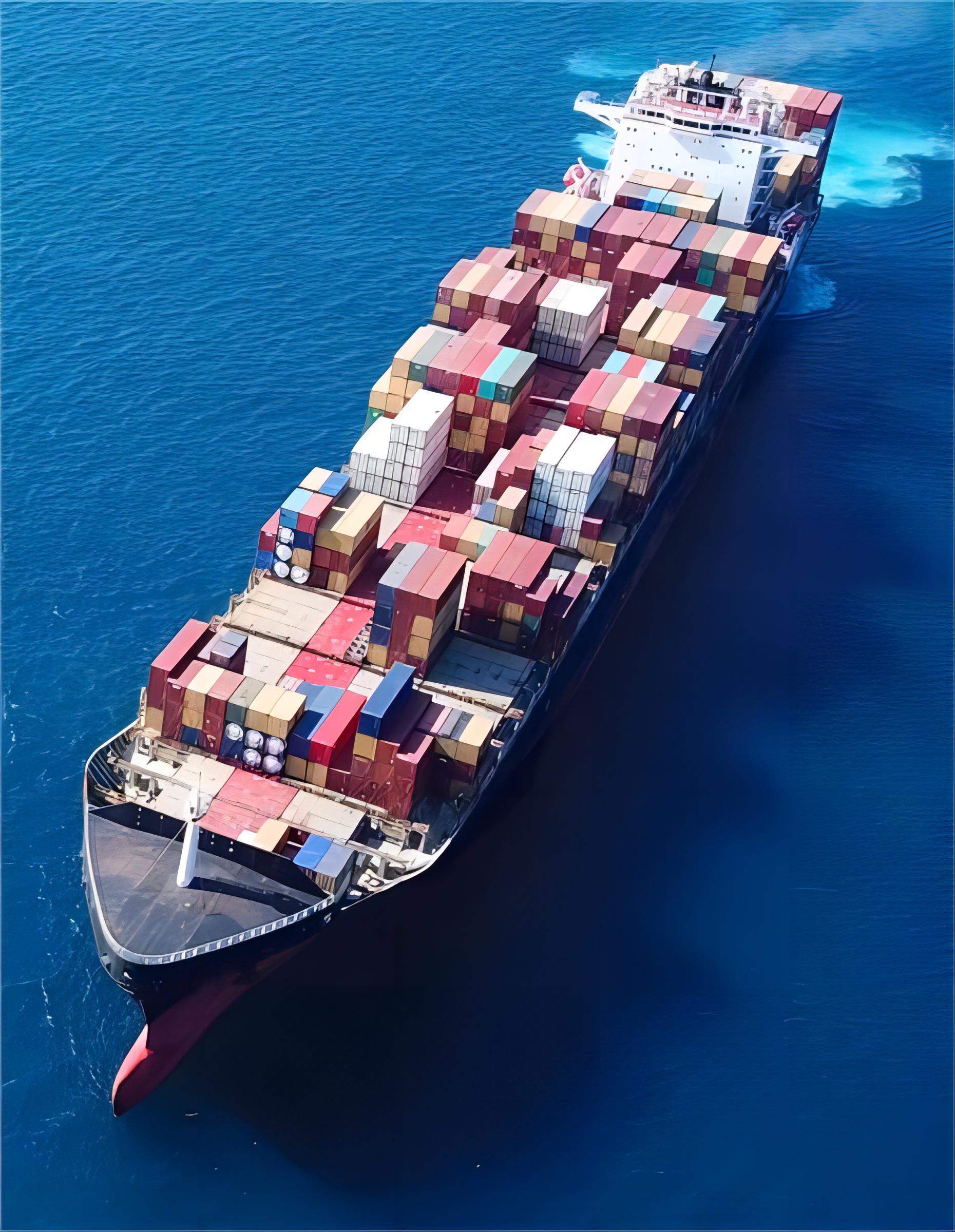
Moreover, the versatility of container sizes, such as 20GP, 40GP, and 40HQ, enables businesses to tailor their shipping strategy to their specific cargo dimensions. Therefore, understanding the nuances of container selection is vital for maximizing space utilization and reducing the landed cost of your products in Middle Eastern markets like the UAE, Saudi Arabia, and Qatar.
How Does FCL Shipping China to Middle East Compare to Other Shipping Options?
Specifically, comparing FCL to alternatives like LCL or air freight reveals distinct advantages depending on your budget and urgency. While LCL is suitable for smaller batches, FCL provides a lower cost per unit once you reach a certain volume threshold. However, if speed is your primary concern, air freight remains the fastest route, albeit at a significantly higher price point.
In contrast, sea-air hybrid solutions offer a middle ground by combining the cost savings of ocean transit with the speed of air delivery for the final leg. Without a doubt, the decision between these methods hinges on your inventory requirements and the specific demands of your customers in the Middle East. For instance, high-demand electronics might justify the cost of air transit, whereas bulk furniture is better suited for FCL shipping China to Middle East.
To summarize, businesses must weigh the trade-offs between transit speed and total logistics expenditures to find the most sustainable approach. The following table highlights the key differences between these common shipping methods to help you make an informed decision for your next shipment.
| Shipping Method | Cost Range | Transit Time | Best For |
|---|---|---|---|
| FCL (40HQ) | $2,500 – $4,500 | 25 – 35 Days | High Volume Goods |
| LCL (per CBM) | $60 – $120 | 30 – 40 Days | Small Shipments |
| Air Freight (kg) | $4.50 – $8.00 | 3 – 7 Days | Urgent/High Value |
| Sea-Air Hybrid | Moderate | 12 – 18 Days | Balanced Priority |
Understanding the Costs of FCL Shipping China to Middle East
Determining the total cost of FCL shipping China to Middle East involves more than just the base ocean freight rate. You must also account for origin charges, such as terminal handling fees and documentation costs, which can fluctuate based on the port of loading. Additionally, destination charges in ports like Jebel Ali or Jeddah include customs clearance fees and local delivery expenses that vary by country.
Nevertheless, monitoring market trends is essential because freight rates are highly sensitive to fuel surcharges and seasonal demand spikes. For example, during the peak season from August to October, rates often increase by 15-25% as retailers prepare for year-end sales. Consequently, booking your container space several weeks in advance can help secure better pricing and ensure equipment availability during busy periods.
Market data suggests that as of early 2025, rates have stabilized after previous disruptions, but staying informed about geopolitical shifts remains crucial. Note: Freight rates are subject to change based on fuel costs, carrier capacity, and seasonal demand. Contact us for a current quote tailored to your specific shipment.
| Route (From China) | 20GP Container | 40GP Container | 40HQ Container |
|---|---|---|---|
| To Dubai (UAE) | $1,800 – $2,200 | $2,600 – $3,200 | $2,800 – $3,500 |
| To Jeddah (KSA) | $2,100 – $2,500 | $3,000 – $3,800 | $3,200 – $4,100 |
| To Doha (Qatar) | $2,000 – $2,400 | $2,900 – $3,600 | $3,100 – $3,900 |
| To Kuwait City | $2,200 – $2,600 | $3,200 – $4,000 | $3,400 – $4,300 |
Transit Times for FCL Shipping China to Middle East
Indeed, transit times play a pivotal role in supply chain management and inventory turnover for Middle Eastern importers. Generally, a direct vessel from major Chinese ports like Shenzhen or Ningbo to the Persian Gulf takes between 20 and 30 days. However, shipments destined for the Red Sea or those involving transshipment through hubs like Singapore may require additional time.
Furthermore, port congestion and customs processing speeds at the destination can impact the total door-to-door duration. To mitigate these delays, many businesses utilize door to door services that manage every step of the journey from the factory floor to the final warehouse. This integrated approach ensures that all logistics touchpoints are synchronized for maximum speed.
Accordingly, planning for a buffer of 5-7 days is recommended to account for unforeseen maritime delays or administrative hurdles. The following table provides an industry average for typical transit durations across popular routes.
| Port of Loading | Port of Discharge | Direct Transit | Transshipment |
|---|---|---|---|
| Shenzhen | Jebel Ali (UAE) | 18 – 22 Days | 25 – 30 Days |
| Shanghai | Dammam (KSA) | 22 – 26 Days | 30 – 35 Days |
| Ningbo | Aqaba (Jordan) | 25 – 30 Days | 35 – 42 Days |
| Qingdao | Salalah (Oman) | 20 – 24 Days | 28 – 34 Days |
Essential Documentation for Middle Eastern Customs
Navigating the regulatory landscape of the Middle East requires meticulous attention to detail regarding import documentation. Most countries in the region, such as Saudi Arabia and the UAE, demand specific certificates of origin and legalized commercial invoices to clear customs. Failure to provide accurate paperwork can lead to costly storage fees and lengthy delays at the port of entry.
Moreover, engaging a professional customs brokerage service is often the best way to ensure compliance with local laws. These experts understand the nuances of SASO requirements in Saudi Arabia or the SABER platform, which are critical for successful cargo handling. They also help in identifying the correct HS codes to minimize duty payments and avoid penalties.
Additionally, businesses should ensure that all packing lists clearly detail the contents of the FCL container to facilitate smooth inspections. Ultimately, a proactive approach to documentation is the foundation of a successful FCL shipping China to Middle East strategy.
Real-World Case Studies: FCL Shipping China to Middle East
Examining real-world examples provides valuable context for how FCL shipping China to Middle East works in practice. These scenarios reflect actual market conditions and demonstrate how different businesses optimize their logistics based on specific cargo needs. Below are two detailed cases based on typical shipments handled during the 2024-2025 period.
Case Study 1: Electronics Distribution to UAE. Route: Shenzhen to Jebel Ali. Cargo: 1,200 units of smart appliances. Container: 40HQ. Carrier: MSC. Ocean Freight: $3,250. Origin Charges: $450. Destination Charges: $600. Customs Duties: $1,200. Total Landed Cost: $5,500. Timeline: 22 days sea transit, 3 days clearance. Key Insight: Using a direct route saved 8 days compared to transshipment options.
Case Study 2: Industrial Machinery to Saudi Arabia. Route: Shanghai to Dammam. Cargo: Heavy manufacturing equipment. Container: 20GP. Carrier: COSCO. Ocean Freight: $2,300. Origin Charges: $400. Destination Charges: $750. Customs Duties: $2,100. Total Landed Cost: $5,550. Timeline: 26 days sea transit, 5 days clearance. Key Insight: Precise HS code classification reduced estimated duties by 15% through expert brokerage assistance.
Alternative Strategies and Cost-Saving Tips
In addition to standard FCL shipping China to Middle East, businesses can explore alternative strategies to further optimize their supply chains. For e-commerce sellers, leveraging Amazon FBA logistics can streamline the process of reaching customers in the UAE or Saudi markets. This approach allows for centralized inventory management and faster local delivery times.
Meanwhile, cost-saving techniques such as container sharing or optimizing packaging to fit more units into a 40HQ can significantly lower your per-unit shipping cost. Another effective strategy involves choosing off-peak departure dates, which often come with lower freight rates and better vessel availability. For instance, shipping mid-month rather than at the beginning or end of the month can sometimes yield small but meaningful savings.
Furthermore, consider the use of inland ports or different entry points to avoid congestion at major hubs like Jebel Ali. By diversifying your entry routes, you can maintain a more resilient supply chain that is less susceptible to localized port delays or strikes. Always remember to request multiple quotes to compare current market offerings.
Final Thoughts on FCL Shipping China to Middle East
To summarize, FCL shipping China to Middle East remains the most robust and scalable solution for businesses looking to expand their presence in the Persian Gulf and Red Sea regions. By understanding the balance between costs, transit times, and regulatory requirements, you can build a logistics framework that supports long-term growth. Whether you are moving electronics, machinery, or consumer goods, the security and efficiency of a full container load are unmatched.
Indeed, partnering with an experienced freight forwarder will help you navigate the nuances of this trade route with confidence. As market trends continue to shift in 2025, staying adaptable and informed will be your greatest competitive advantage in the global marketplace. Start planning your next FCL shipping China to Middle East project today to ensure your cargo reaches its destination efficiently.
Ready to streamline your logistics?
Ready to optimize your FCL shipping China to Middle East? Contact Top China Freight today for a customized quote and expert logistics support. Send Inquiry: Visit https://Top China Freight.com/ to get started with our professional team.
Request Quote