

How to Ship Clothing from China to UK: A Professional 2025 Guide
How to ship clothing from China to UK is a critical question for modern fashion retailers seeking to optimize their global supply chains. Partnering with a professional logistics provider like Top China Freight ensures that your apparel reaches British markets efficiently. Consequently, understanding the nuances of international shipping will help you reduce overhead and improve delivery reliability.
What Are the Primary Methods for Shipping Clothing?
Choosing the right transportation mode is the first step in determining how to ship clothing from China to UK successfully. Most importers select between ocean freight, air transport, or rail services based on their specific budget and timeline. Furthermore, the volume of your garment shipment often dictates which method provides the best value for your business.

Sea freight remains the most popular choice for large-scale apparel orders due to its cost-effectiveness. However, businesses dealing with fast fashion or seasonal launches may prefer the speed of air transport. Additionally, rail freight offers a middle ground for those looking to balance speed and expense without the high costs of flight.
Each method has unique requirements for packaging and documentation that you must follow to avoid delays. Therefore, selecting a method requires a careful analysis of your inventory needs and customer expectations. Indeed, the right choice can significantly enhance your competitive position in the UK retail market.
How to Ship Clothing from China to UK via Sea Freight
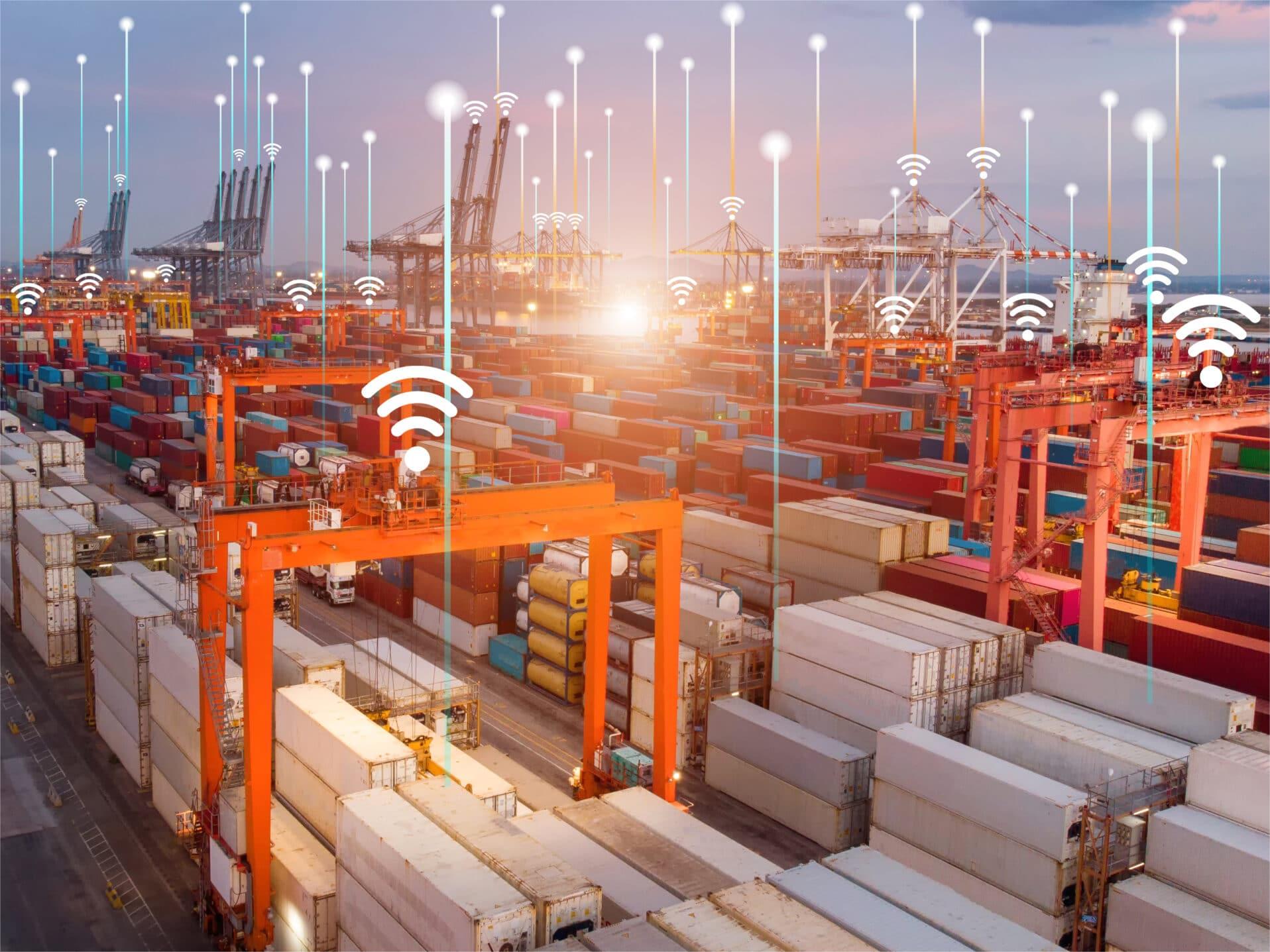
For bulk orders, sea freight is the most economical solution available today. This method is ideal for shipping thousands of units of clothing that do not require immediate shelf placement. Moreover, ocean transport allows for both Full Container Load (FCL) and Less than Container Load (LCL) options depending on your cargo size.
FCL is generally recommended if you have enough inventory to fill a 20-foot or 40-foot container. On the other hand, LCL allows you to share container space with other shippers, which is perfect for smaller boutique brands. Consequently, sea freight offers the flexibility needed to scale your operations as your brand grows.
Typical transit times for ocean routes from major Chinese ports like Shanghai or Shenzhen to Felixstowe or Southampton range from 30 to 38 days. While this is the slowest method, the cost per unit is significantly lower than any other option. Therefore, planning your production cycles in advance is essential when using sea transport.
| 20GP Container | 33 CBM | Medium Bulk Orders | $2,000 – $2,800 |
| 40GP Container | 67 CBM | Large Inventory | $3,200 – $4,200 |
| 40HQ Container | 76 CBM | High Volume Goods | $3,500 – $4,500 |
| LCL Shipping | Per CBM | Small Shipments | $50 – $120 |
Utilizing Air Freight for Rapid Fashion Delivery
When speed is the highest priority, air freight provides the fastest way to restock your UK inventory. This method is particularly useful for high-value designer garments or urgent seasonal collections. Furthermore, air transport reduces the risk of moisture damage which can sometimes occur during long sea voyages.
Standard air freight typically takes between 5 to 8 days to reach major UK airports like London Heathrow or Manchester. Meanwhile, express courier services can reduce this time to just 3 to 5 days for smaller parcels. Consequently, air shipping helps retailers respond quickly to changing market trends and consumer demands.
However, the cost of air transport is calculated based on either actual weight or volumetric weight, whichever is higher. As a result, it is much more expensive than sea or rail options. Nevertheless, for many businesses, the ability to capitalize on a trend justifies the higher logistical investment.
How Does Sea Freight Compare to Other Shipping Options?
Analyzing the trade-offs between different transport modes is essential for any importer. While sea freight is the cheapest, it requires the longest lead times and more complex inventory management. In contrast, air freight offers unmatched speed but can erode profit margins if not used strategically.
Rail freight has emerged as a viable alternative for shipments originating from inland China. It provides a faster transit time than the sea while remaining significantly cheaper than air. Therefore, rail is often the perfect ‘middle way’ for clothing brands that need a balance of speed and cost.
Hybrid solutions like sea-air combinations are also becoming more popular in 2025. These strategies involve shipping goods by sea to a hub like Dubai and then flying them to the UK. This approach can save approximately 30 percent in costs compared to pure air freight while cutting sea transit time in half.
| Sea Freight | Lowest | 30 – 40 Days | Bulk basics and staples |
| Air Freight | Highest | 3 – 7 Days | High-value or urgent items |
| Rail Freight | Medium | 18 – 22 Days | Inland China exports |
| Express Service | Premium | 2 – 5 Days | Samples and small parcels |
Navigating Customs Brokerage and Duties for UK Imports
Managing the legal requirements of importing is a vital part of knowing how to ship clothing from China to UK. You must ensure that all garments comply with UK safety standards and labeling regulations. Additionally, utilizing a professional customs brokerage service can prevent costly fines and shipment seizures.
The UK government requires specific documentation, including a commercial invoice, packing list, and a bill of lading. Furthermore, you will need an EORI number to clear goods through UK customs. Consequently, having your paperwork in order before the cargo arrives is the best way to ensure a smooth transition.
Import duties and VAT are calculated based on the type of clothing and its declared value. For example, most synthetic or cotton garments carry a standard duty rate that you must pay upon arrival. Therefore, it is important to factor these additional costs into your total landed price calculation.
Implementing Door to Door Solutions for Efficiency
Many modern retailers prefer door to door shipping because it simplifies the entire logistics chain. This service covers everything from factory pickup in China to final delivery at your UK warehouse. Moreover, it eliminates the need for you to coordinate between multiple different carriers and agents.
By using a single provider, you gain better visibility over your shipment’s progress through integrated tracking systems. Meanwhile, the freight forwarder handles all the intermediate steps like port handling and local trucking. As a result, you can focus on selling your products rather than managing transport details.
This all-inclusive approach often includes customs clearance as part of the package. Consequently, it reduces the administrative burden on your staff and minimizes the risk of communication errors. Indeed, door to door services are frequently the most efficient choice for small to medium-sized enterprises.
Real-World Case Studies for Clothing Shipments
Case Study 1: Shanghai to London LCL Shipment. A boutique UK brand ordered 5 CBM of mixed cotton t-shirts. They chose LCL sea freight to keep costs low. The cargo was loaded in Shanghai and arrived at the Port of Felixstowe in 34 days. Total landed cost was approximately 2,400 USD including local delivery.
Case Study 2: Shenzhen to Manchester Express Air. A fast-fashion retailer needed to restock a trending dress style immediately. They shipped 200 kg via express air. The goods arrived in Manchester in just 4 days, allowing them to meet peak demand. Although the cost was higher at 1,200 USD, the rapid sales justified the expense.
Case Study 3: Yiwu to Birmingham Rail Freight. A wholesaler imported 15 CBM of winter jackets during the autumn season. They used rail freight to avoid the long sea route. The shipment arrived in 20 days, providing a perfect balance between cost and speed for their seasonal inventory needs.
Amazon FBA Shipping for Apparel Sellers
If you sell clothing on the Amazon UK marketplace, using Amazon FBA services is highly beneficial. This specific logistics path ensures your products are packed and labeled according to Amazon’s strict warehouse requirements. Furthermore, it allows you to take advantage of Prime shipping for your customers.
Shipping directly from China to an Amazon fulfillment center requires precise coordination to avoid rejection at the dock. Consequently, working with a forwarder who specializes in FBA can save you from significant logistical headaches. Additionally, they can handle the necessary prep work like poly-bagging and barcode application.
As of early 2025, Amazon has updated some of its receiving guidelines for textile products. Therefore, staying informed about these changes is crucial for maintaining your seller rating. Indeed, a streamlined FBA process is one of the most effective ways to scale a clothing brand on the platform.
Which Option Should You Choose?
Determining the best strategy depends on your specific business goals and the nature of your cargo. If your priority is the lowest possible price, sea freight is the clear winner for large volumes. However, if you are launching a new product and need to test the market quickly, air freight or express services are better.
For those with consistent, mid-sized orders, rail freight offers a reliable schedule that avoids the volatility of ocean transit. On the other hand, if you lack a dedicated logistics team, a door to door service provides the most peace of mind. Consequently, many successful retailers use a combination of these methods throughout the year.
Always consider the seasonality of the fashion industry when making your choice. During peak periods like the lead-up to Christmas, shipping rates typically increase by 15 to 25 percent. Therefore, booking your space at least 3 to 4 weeks in advance is recommended to secure the best possible rates.
Cost-Saving Strategies for Importing Garments
To maximize your profits, you should look for ways to reduce your overall shipping expenses. One effective method is to optimize your packaging to reduce the volumetric weight of your boxes. Furthermore, consolidating multiple small orders into a single larger shipment can lower your per-unit transport costs.
Negotiating with multiple suppliers to sync their production schedules allows for more efficient container loading. Meanwhile, choosing off-peak shipping times can lead to significant savings on freight rates. As a result, proactive planning is often the most powerful tool for cost reduction in logistics.
Note: Freight rates are subject to change based on fuel costs, carrier capacity, and seasonal demand. Contact us for a current quote tailored to your specific shipment. Market data suggests that rates in Q1 2025 have stabilized after the disruptions of the previous year.
Case Study Details and Logistics Data
Case Study 1: Bulk Cotton Apparel Route: Shanghai, China to London, UK Cargo: Cotton T-shirts, 5 CBM, 1200 kg Container: LCL 5 CBM Carrier: Major Ocean Carrier Port of Loading: Shanghai Port of Discharge: Felixstowe Route Type: Direct Ocean Freight: $550 Origin Charges: $200 Destination Charges: $350 Customs and Duties: $1,300 Total Landed Cost: $2,400 Timeline: 34 days total door-to-door Key Insight: LCL provided the best balance for a growing boutique brand.
Case Study 2: Urgent Fashion Restock Route: Shenzhen, China to Manchester, UK Cargo: Evening Dresses, 1.5 CBM, 200 kg Service: Express Air Port of Loading: Shenzhen Airport Port of Discharge: Manchester Airport Route Type: Direct Air Freight: $950 Origin/Destination Fees: $150 Customs and Duties: $1,200 Total Landed Cost: $2,300 Timeline: 4 days total door-to-door Key Insight: Fast transit prevented stock-outs during a high-demand sales period.
Mastering Your Clothing Shipments to the UK
Understanding how to ship clothing from China to UK is essential for any apparel business looking to thrive in 2025. By selecting the right shipping method and managing customs effectively, you can ensure your inventory arrives on time and within budget. Consequently, a strategic approach to logistics will provide your brand with a significant competitive advantage.
Whether you choose the cost-savings of sea freight or the rapid speed of air transport, professional guidance is key. Therefore, partnering with an experienced freight forwarder will help you navigate the complexities of international trade with confidence. Start optimizing your clothing shipments today to secure your place in the vibrant UK fashion market.
Ready to streamline your logistics?
Ready to streamline your fashion supply chain and reduce costs? Contact Top China Freight today for a customized quote on how to ship clothing from China to UK efficiently. Send Inquiry
Request Quote