

FCL Shipping for Auto Parts from China to Netherlands: A Complete Guide
Importing automotive components requires a logistics partner that understands the delicate balance between speed and cost. Top China Freight specializes in managing complex international shipments for businesses of all sizes. Utilizing FCL shipping for auto parts from China to Netherlands provides the security and efficiency needed to keep your production lines moving or your retail shelves stocked. Consequently, many businesses prioritize this method to maintain a competitive edge in the European market.
Why Choose FCL Shipping for Auto Parts from China to Netherlands?
Full Container Load (FCL) shipping offers a dedicated space for your cargo, which is essential for protecting sensitive automotive components. Specifically, choosing sea freight ensures that your engines, transmissions, or body panels remain undisturbed during transit. Since your goods are the only ones in the container, the risk of damage from other shippers’ cargo is virtually eliminated.
Moreover, FCL logistics often result in faster handling at both origin and destination ports. Because the container does not need to be consolidated or deconsolidated, it moves directly from the factory to the vessel and then to your warehouse. This streamlined process significantly reduces the overall transit time compared to Less than Container Load (LCL) options.
Cost-effectiveness remains a primary driver for businesses moving high volumes of spare parts. While the upfront cost of a full container is higher, the price per unit of cargo is typically much lower than other methods. Therefore, companies with consistent demand find that FCL shipping for auto parts from China to Netherlands optimizes their long-term shipping budget.
Safety and security are also paramount when dealing with high-value automotive electronics or precision-engineered parts. Indeed, the ability to seal the container at the point of origin and have it opened only by the receiver or customs officials provides peace of mind. This level of control is a significant advantage for maintaining the integrity of your automotive supply chain.
How Does FCL Shipping Compare to Other Shipping Options?
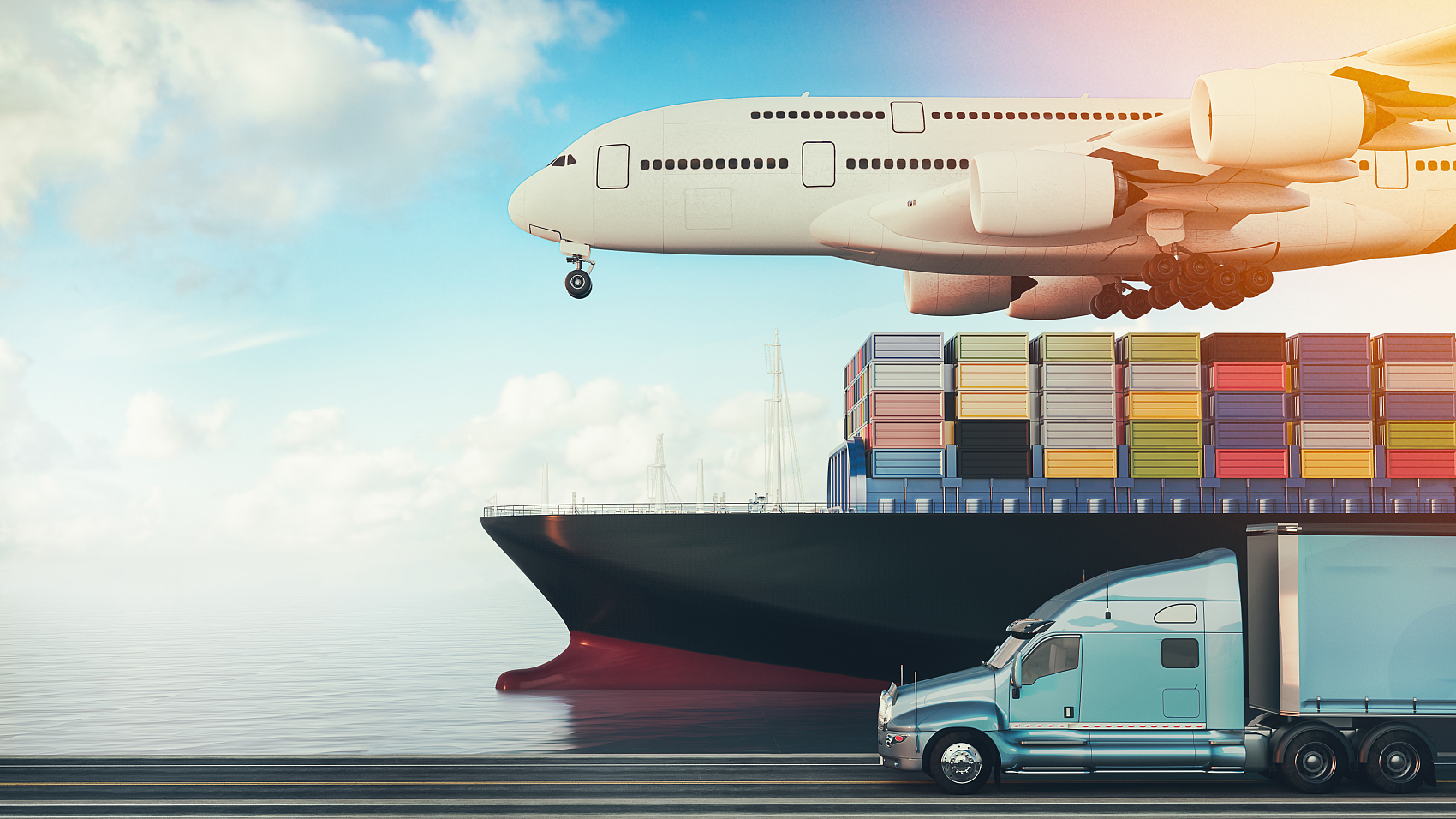
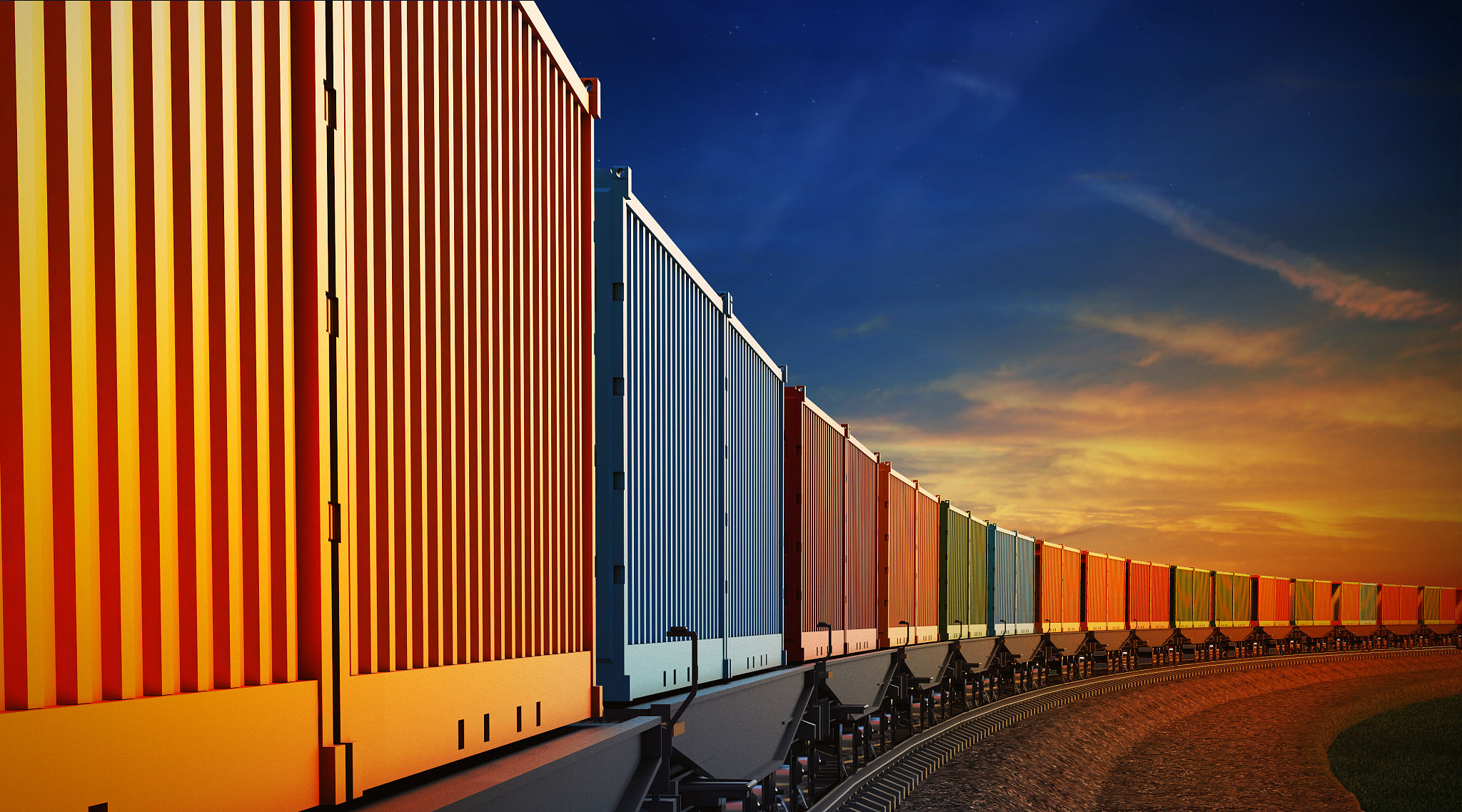
Navigating the choice between sea, rail, and air requires a clear understanding of your specific business priorities. While sea freight is the most common choice for bulk orders, rail freight offers a middle ground for those needing faster delivery without the high cost of air. Consequently, businesses often use a mix of strategies based on seasonal demand and inventory levels.
Air freight remains the fastest option but comes with a heavy price tag that can erode profit margins on heavy auto parts. In contrast, sea freight allows for the movement of massive quantities of heavy items like brake discs or alloy wheels at a fraction of the cost. Nevertheless, the longer transit time requires careful planning and inventory management to avoid stockouts.
Hybrid solutions are also gaining popularity for businesses looking to balance speed and expense. For example, some importers use sea-air combinations or expedited sea services to shave days off the delivery schedule. Understanding these trade-offs is crucial for developing a robust logistics strategy that can adapt to market fluctuations.
| Shipping Method | Cost Range | Transit Time | Best For |
|---|---|---|---|
| FCL Sea Freight | $3,000 – $4,500 | 30 – 35 Days | High volume, heavy parts |
| Rail Freight | $5,500 – $7,000 | 18 – 22 Days | Urgent bulk shipments |
| Air Freight | $5 – $9 per kg | 5 – 7 Days | Critical repairs, small parts |
| LCL Sea Freight | $80 – $150 per CBM | 35 – 40 Days | Small inventory restocks |
Selecting the Right Container Size for Automotive Cargo
Standard shipping containers come in two primary sizes that cater to different volume needs in the auto industry. The 20GP container is often ideal for heavy, dense items like engine blocks or suspension components that reach weight limits before filling the volume. Conversely, the 40HQ container provides extra height and double the floor space, making it perfect for lightweight but bulky items like bumpers or interior trim.
Planning your load efficiently can lead to significant cost savings over time. Furthermore, utilizing specialized packing materials and racking systems within the container can maximize space and prevent movement during the voyage. Many successful importers work closely with their suppliers to ensure that the packaging dimensions align with container specifications.
Market data suggests that the 40HQ is the most popular choice for FCL shipping for auto parts from China to Netherlands due to its superior value per cubic meter. However, you must always check the weight restrictions at the destination port and for inland transport. Overloading a container can lead to heavy fines and delays during the final delivery stage.
Key Shipping Routes and Transit Times to the Netherlands
Most automotive shipments from China originate from major manufacturing hubs such as Ningbo, Shanghai, or Shenzhen. These ports offer frequent sailings and competitive rates due to their high volume of traffic heading to Europe. Specifically, the route through the Suez Canal is the primary path for vessels bound for the Port of Rotterdam.
Rotterdam serves as the gateway to the rest of the Netherlands and much of Western Europe. As a result, the port features world-class infrastructure designed to handle automotive cargo with extreme efficiency. Once your container arrives, it can be quickly transferred to a truck or barge for the final leg of the journey.
Typical transit times from China to Rotterdam range between 30 and 38 days, depending on the specific port of loading and the carrier. Additionally, factors such as weather conditions and port congestion can occasionally influence these timelines. To mitigate risks, experienced shippers often build a buffer of 5 to 7 days into their delivery schedules.
Navigating Customs Clearance and Documentation
Successful importation into the Netherlands requires meticulous attention to documentation and compliance with EU regulations. Engaging a professional customs brokerage service can help you navigate the complexities of HS codes and VAT requirements. Specifically, auto parts must be correctly classified to ensure you pay the correct duty rates and avoid legal issues.
Essential documents for your shipment include the Commercial Invoice, Packing List, and the Bill of Lading. Furthermore, certain automotive components may require specific certifications, such as E-mark certification, to be legally sold in the European market. Providing these documents promptly to your freight forwarder prevents unnecessary delays at the border.
Customs officials in the Netherlands are known for their efficiency, but they are also very thorough. Consequently, any discrepancies in your paperwork can lead to inspections that add cost and time to your shipment. Keeping a digital archive of all previous shipments and certifications is a best practice for modern automotive importers.

Real-World Case Studies for Automotive Logistics
Case Study 1: Efficient Brake Pad Distribution. A mid-sized distributor in Amsterdam needed to move 22 tons of brake pads from Ningbo. By choosing a 20GP FCL shipment, they maximized the weight capacity of the container. The total door-to-door transit time was 34 days, with a landed cost that allowed them to undercut local competitors by 15 percent.
Case Study 2: Bulk Body Panel Import. A repair network required a large volume of bumpers and fenders from Guangzhou. They utilized a 40HQ container to accommodate the high volume of these lightweight parts. Despite a minor delay at the Suez Canal, the shipment arrived in Rotterdam within 39 days, and the use of specialized palletizing prevented any surface damage to the parts.
Case Study 3: Emergency Production Components. When a production line faced a shortage of specialized sensors, the company opted for a hybrid sea-air approach. While the bulk of their order remained on a vessel, a small portion was sent via express service. This strategy allowed them to keep the factory running while waiting for the more cost-effective FCL shipment to arrive.
Factors Influencing Ocean Freight Rates in 2025
Freight rates are subject to constant fluctuation based on global economic conditions and carrier capacity. Specifically, fuel surcharges and seasonal demand peaks, such as the period leading up to the Golden Week in China, can cause prices to spike. Importers should monitor these trends closely to time their bookings for maximum savings.
Environmental regulations are also beginning to impact shipping costs as carriers invest in greener technologies and cleaner fuels. For instance, the transition to low-sulfur fuels and carbon offset programs may lead to modest increases in base rates. Nevertheless, these changes are necessary for the long-term sustainability of the global automotive supply chain.
Working with a provider that offers door to door services can help simplify your cost structure. Instead of managing multiple invoices for ocean freight, trucking, and port fees, you receive a single, transparent quote. This approach not only saves time but also provides better visibility into your total landed cost.
Which Shipping Option Should You Choose for Your Auto Parts?
Choosing the right method depends largely on your budget, volume, and urgency. If your priority is the lowest possible cost for a large inventory restock, FCL sea freight is almost always the winner. However, if you are launching a new product line and need to test the market with smaller quantities, LCL might be a more sensible starting point.
Speed-sensitive shipments or high-value electronics often justify the higher expense of rail or air freight. Specifically, if a production line is at risk of stopping, the cost of air freight is negligible compared to the losses incurred by a factory shutdown. Therefore, you should always have a contingency plan that includes faster shipping alternatives.
To summarize, most successful automotive importers utilize a multi-modal strategy. They rely on FCL shipping for auto parts from China to Netherlands for 80 percent of their volume while using faster methods for urgent needs. This balanced approach ensures both cost-efficiency and supply chain resilience in an unpredictable global market.
Final Thoughts on FCL Shipping for Auto Parts
Securing a reliable flow of components is essential for success in the competitive automotive industry. By leveraging FCL shipping for auto parts from China to Netherlands, businesses can achieve the perfect balance of security, cost-effectiveness, and predictable transit times. Transitioning to a full container model allows for better inventory control and reduced risk of cargo damage.
As market conditions continue to evolve in 2025, staying informed about logistics trends and customs requirements will remain a top priority. Partnering with an experienced freight forwarder ensures that you can navigate these changes with confidence. Start planning your next shipment today to keep your automotive business moving forward.

Ready to streamline your logistics?
Optimizing your automotive supply chain starts with choosing a logistics partner that understands the nuances of the China-Netherlands route. Contact Top China Freight today to receive a customized quote for your next FCL shipment and experience a seamless shipping process tailored to your specific business needs.
Request Quote