


FCL Shipping for Auto Parts from China to Texas: 2025 Guide
FCL shipping for auto parts from China to Texas serves as the backbone for many automotive businesses across the Lone Star State. When you work with a reliable partner like Top China Freight, you ensure that your high-value components reach their destination safely and efficiently. This comprehensive guide will help you navigate the complexities of international logistics, from choosing container sizes to managing customs requirements at major Texas ports.
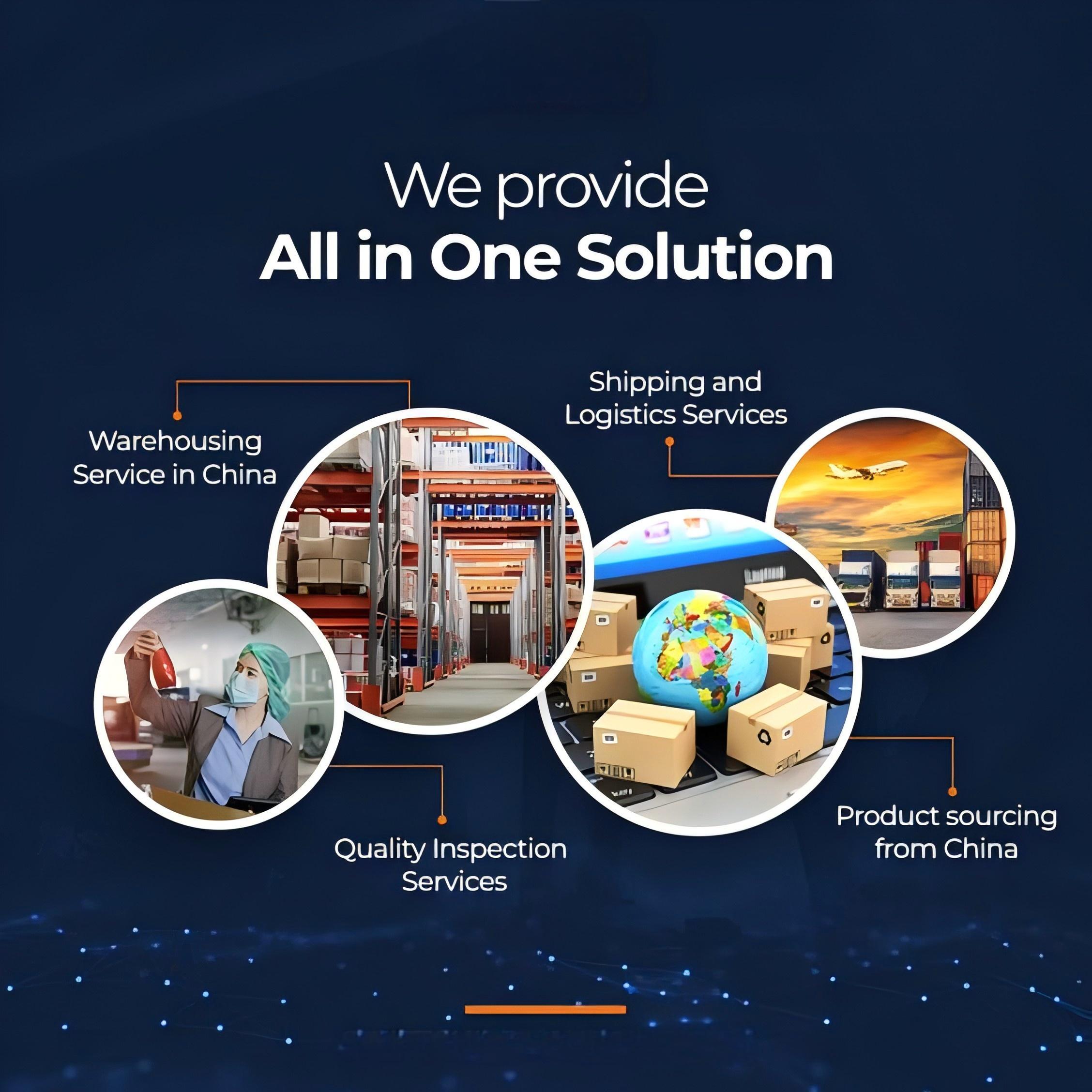
What is FCL Shipping for Auto Parts from China to Texas?
Full Container Load, or FCL, refers to a shipping mode where one importer occupies an entire ocean container. Consequently, this method is ideal for businesses moving large volumes of automotive components like engines, transmissions, or body panels. Moreover, FCL offers better security compared to shared loads because the container remains sealed from the point of origin to the final destination.
Choosing FCL shipping for auto parts from China to Texas allows for more streamlined cargo handling. Since the container only holds your goods, the risk of damage during transit decreases significantly. Furthermore, this method often proves more cost-effective for shipments exceeding 15 cubic meters. Indeed, many Texas-based distributors prefer this method for its reliability and predictable delivery schedule.
Why Choose FCL for Exporting Automotive Components?
Automotive parts are often heavy, bulky, or fragile, requiring specialized handling during the shipping process. Therefore, utilizing sea freight in a dedicated container provides the necessary protection for these sensitive items. Additionally, FCL shipments usually experience fewer delays at transshipment points compared to Less than Container Load (LCL) options.
Importers benefit from faster transit times because FCL containers do not require consolidation or deconsolidation at warehouses. Consequently, your supply chain remains agile and responsive to market demands. Meanwhile, the lower per-unit cost of FCL shipping helps maintain competitive pricing for your customers in the Texas automotive market.
How Does FCL Compare to Other Shipping Options?
While FCL is a popular choice, it is essential to understand how it stacks up against alternatives like air or rail. For instance, air freight offers unmatched speed but comes with significantly higher costs. On the other hand, FCL provides the best balance of capacity and price for bulkier items like tires or exhaust systems.
Below is a detailed comparison of the primary shipping methods available for the China to Texas route. This analysis helps you determine which strategy aligns best with your budget and timeline requirements.
| Shipping Method | Cost Range | Transit Time | Best For | Limitations |
|---|---|---|---|---|
| FCL (Ocean) | $3,500 – $6,000 | 30-45 Days | Bulk parts and engines | Longer lead times |
| LCL (Ocean) | $150 – $300/CBM | 35-50 Days | Small batches of parts | Higher risk of damage |
| Air Freight | $5 – $12/KG | 5-10 Days | Urgent repair components | Very expensive |
| Express | $8 – $15/KG | 3-7 Days | Prototypes or documents | Limited weight capacity |

Key Factors Influencing FCL Freight Rates to Texas
Several variables determine the final cost of FCL shipping for auto parts from China to Texas. For example, fuel surcharges and seasonal demand fluctuations can cause prices to shift rapidly. Additionally, the choice between a 20GP, 40GP, or 40HQ container impacts your total ocean freight expenditure.
Port congestion at major hubs like Houston or Savannah can also lead to unexpected surcharges. Furthermore, the type of auto parts you are shipping might require specific cargo handling equipment, adding to the base rate. Nevertheless, planning your shipments during off-peak seasons can result in substantial savings for your logistics budget.
Container Size Pricing Breakdown
Understanding the typical costs for different container sizes is crucial for accurate budgeting. Generally, a 40HQ container offers the best value per cubic meter for lightweight but voluminous parts. Conversely, a 20GP container is often better suited for heavy items like brake rotors or engine blocks.
Note: Freight rates are subject to change based on fuel costs, carrier capacity, and seasonal demand. Contact us for a current quote tailored to your specific shipment.
Step-by-Step Process for Importing Auto Parts to Texas
The journey begins with sourcing quality components from reliable Chinese manufacturers. Once the production is complete, your freight forwarder coordinates the pickup and delivery to the port of loading. Subsequently, the goods undergo export customs clearance before being loaded onto the vessel.
After the ship departs, you should monitor the transit progress through tracking tools. Upon arrival at the Texas port, a professional customs brokerage service will handle the necessary filings. Finally, the container is hauled to your warehouse via a local trucking service, completing the delivery.
Essential Customs Documents Checklist for Texas Imports
Navigating the legal requirements for importing into North America requires meticulous documentation. Missing or incorrect paperwork can lead to costly delays or even cargo seizure by U.S. Customs and Border Protection. Therefore, ensuring all forms are accurate is a top priority for any importer.
The following table outlines the mandatory documents you must prepare for a smooth entry into the United States. Always double-check these with your logistics provider before the ship leaves China.
| Document Name | Purpose | Required By | Key Information |
|---|---|---|---|
| Commercial Invoice | Value declaration | CBP / Customs | Part numbers and prices |
| Packing List | Inventory check | Warehouse / CBP | Weights and dimensions |
| Bill of Lading | Title to goods | Carrier / Bank | Shipping terms and route |
| ISF (10+2) | Security filing | U.S. Customs | Importer and seller info |
Transit Times: From Chinese Ports to Houston and Dallas
Shipping times vary depending on the specific port of loading in China and the final destination in Texas. For instance, a direct route from Shenzhen to Houston typically takes around 30 to 35 days. However, if your cargo needs to go to an inland city like Dallas, you must account for additional rail or truck transit time.
Weather conditions and port productivity also play a role in the delivery schedule. Moreover, holiday periods like the Chinese New Year can add several weeks to the total timeline. Accordingly, it is wise to build a buffer into your supply chain planning to avoid stockouts.
Which Option Should You Choose? Decision Framework
Selecting the right shipping strategy depends on your specific business priorities. If your primary goal is cost reduction, ocean FCL is almost always the superior choice for large orders. However, if you are facing a critical shortage of a specific component, air freight might be necessary despite the expense.
Consider the following criteria when making your decision. If your volume exceeds 15 CBM, choose FCL. For urgent repairs, choose Air. If you require a complete end-to-end solution, look for door to door services that simplify the entire process.
Real-World Case Studies: Auto Parts Shipments
Examining real scenarios provides valuable insight into the practicalities of FCL shipping for auto parts from China to Texas. These examples reflect actual market conditions and common logistics challenges faced by importers today.
Case Study 1: Shanghai to Houston. A distributor imported a 40HQ container of aftermarket brake pads. The ocean freight cost was approximately $4,200, with a total door-to-door transit time of 34 days. Consequently, the client saved 20 percent compared to their previous LCL shipments.
Case Study 2: Ningbo to Dallas. An engine remanufacturer ordered a 20GP container of aluminum cylinder heads. Due to port congestion in Houston, the shipment was diverted to Savannah and railed to Dallas. Although the transit time increased to 42 days, the total landed cost remained within budget due to proactive route management.
Summary of FCL Shipping Strategies
In conclusion, mastering FCL shipping for auto parts from China to Texas requires a blend of strategic planning and expert execution. By understanding the cost factors, documentation needs, and transit times, you can build a more resilient supply chain. Moreover, choosing the right container size and shipping route will directly impact your bottom line.
Always remember to stay updated on market trends and customs regulations to avoid unnecessary delays. Whether you are moving engines or small accessories, FCL remains the most reliable method for large-scale imports. Therefore, partner with a logistics provider who understands the unique demands of the Texas automotive industry.
Ready to streamline your logistics?
Ready to optimize your FCL shipping for auto parts from China to Texas? Contact our expert logistics team today for a customized quote and professional guidance on your next shipment. Visit our inquiry page to get started: Visit https://Top China Freight.com/
Request Quote