


FCL Shipping for Solar Panels from China to Czech Republic: 2025 Guide
FCL shipping for solar panels from China to Czech Republic has become a cornerstone of the European green energy transition. As businesses seek to meet rising demand for renewable energy, finding a reliable logistics partner is essential for maintaining a healthy supply chain. Visit Top China Freight to discover how professional logistics management can streamline your international trade operations. This guide provides comprehensive insights into the costs, transit times, and regulatory requirements for importing photovoltaic modules into the Czech market.

The Benefits of FCL Shipping for Solar Panels from China to Czech Republic
Choosing Full Container Load (FCL) shipping offers unparalleled security for fragile cargo like solar panels. Because your goods occupy the entire container, the risk of damage from third-party cargo is virtually eliminated. Furthermore, FCL shipments generally involve less handling than Less than Container Load (LCL) options, which reduces the possibility of mechanical stress on the photovoltaic cells.
Moreover, FCL provides better cost-efficiency for large-scale solar projects. When you fill a 40HQ container, the cost per unit of energy capacity drops significantly compared to smaller shipments. Consequently, most commercial importers prefer this method to maintain competitive pricing in the Czech Republic. Additionally, FCL simplifies the tracking process, as the entire container moves directly from the factory to the final destination.
Importers also benefit from faster processing at major Chinese ports like Shanghai or Ningbo. Since the container does not need to be consolidated or deconsolidated, it moves through the terminal more quickly. Therefore, businesses can maintain tighter delivery schedules and avoid the delays often associated with shared cargo space.
Primary Shipping Routes and European Entry Ports
Shipping solar panels to the landlocked Czech Republic requires a strategic choice of entry ports. Most shipments from China arrive at major Northern European hubs like Hamburg or Rotterdam before traveling overland. Alternatively, the Port of Koper in Slovenia offers a shorter sea route for shipments originating from Southern China. Visit our guide on shipping to Europe to learn more about these regional logistics hubs.
Once the container reaches the European port, it typically moves to Prague, Brno, or Ostrava via rail or truck. However, the choice of port depends heavily on the specific origin in China and the current congestion levels at European terminals. For instance, while Hamburg is traditionally the preferred gateway for the Czech Republic, Rotterdam often provides more frequent sailings from Shenzhen.
Furthermore, the integration of rail links within the European hinterland has made intermodal transport highly efficient. Consequently, many importers utilize the ‘Iron Silk Road’ as a viable alternative to traditional maritime routes. This multi-modal approach ensures that your solar modules reach their final destination in the Czech Republic safely and on time.
How Does FCL Shipping Compare to Other Shipping Options?
Understanding the trade-offs between different transport modes is crucial for optimizing your budget. While sea freight is the most common choice for solar panels, rail and air freight offer different advantages. For example, air freight is exceptionally fast but carries a price tag that is often prohibitive for bulky solar modules. In contrast, sea freight offers the lowest cost per cubic meter but requires longer lead times.
Moreover, rail freight has emerged as a popular middle ground for time-sensitive projects. It is faster than sea freight and significantly cheaper than air transport. Nevertheless, sea freight remains the dominant choice for high-volume FCL shipping for solar panels from China to Czech Republic due to its massive capacity. Consider sea freight for your standard inventory replenishment to maximize profit margins.
| Shipping Method | Cost Range | Transit Time | Best For |
|---|---|---|---|
| Sea Freight (FCL) | $3,000 – $4,500 | 35 – 45 Days | Large projects |
| Rail Freight | $5,500 – $7,500 | 18 – 24 Days | Urgent inventory |
| Air Freight | $15,000+ | 5 – 8 Days | Samples or parts |
| LCL Sea | $80 – $150/CBM | 40 – 50 Days | Small shipments |

Estimated Costs and Pricing Factors for 2025
Freight rates for the China-Czech route are influenced by seasonal demand and fuel surcharges. As of early 2025, market data suggests that 40HQ containers are the most economical choice for solar panels. This is because solar modules are high-volume, low-weight items that quickly fill the space of a standard container. Therefore, maximizing the cubic capacity of a 40HQ container is a key cost-saving strategy.
Additionally, you must account for local charges at both the origin and destination. These include Terminal Handling Charges (THC), documentation fees, and inland haulage to the Czech Republic. Consequently, the total landed cost will be higher than the ocean freight rate alone. To ensure a smooth process, many importers choose door to door services to handle these complexities.
Note: Freight rates are subject to change based on fuel costs, carrier capacity, and seasonal demand. Contact us for a current quote tailored to your specific shipment.
| Route | 20GP Container | 40HQ Container | Transit Time |
|---|---|---|---|
| Shanghai to Prague | $2,200 – $2,800 | $3,800 – $4,600 | 38 Days |
| Shenzhen to Brno | $2,100 – $2,700 | $3,700 – $4,500 | 42 Days |
| Ningbo to Ostrava | $2,300 – $2,900 | $3,900 – $4,700 | 40 Days |
| Qingdao to Prague | $2,400 – $3,000 | $4,000 – $4,800 | 44 Days |
Customs Clearance and Essential Documentation
Importing solar panels into the Czech Republic requires strict adherence to European Union customs regulations. You must provide a Commercial Invoice, a Detailed Packing List, and a Bill of Lading. Furthermore, solar panels must comply with CE marking requirements and other technical standards to enter the EU market. Failure to provide these documents can result in costly delays or even cargo seizure.
Moreover, the Czech Republic applies specific VAT rules to renewable energy equipment. While the standard VAT rate is 21%, certain solar installations may qualify for reduced rates or incentives. Therefore, working with a professional customs brokerage is highly recommended to navigate these tax complexities. They can assist with EORI registration and ensure that your HS codes are correctly classified.
In addition, you should prepare a Certificate of Origin to potentially benefit from trade agreements. Although most solar panels from China are subject to standard duties, having clear documentation speeds up the release process. Consequently, proactive document preparation is the best way to avoid unexpected storage fees at the port of discharge.
Transit Time Analysis: Planning Your Delivery Schedule
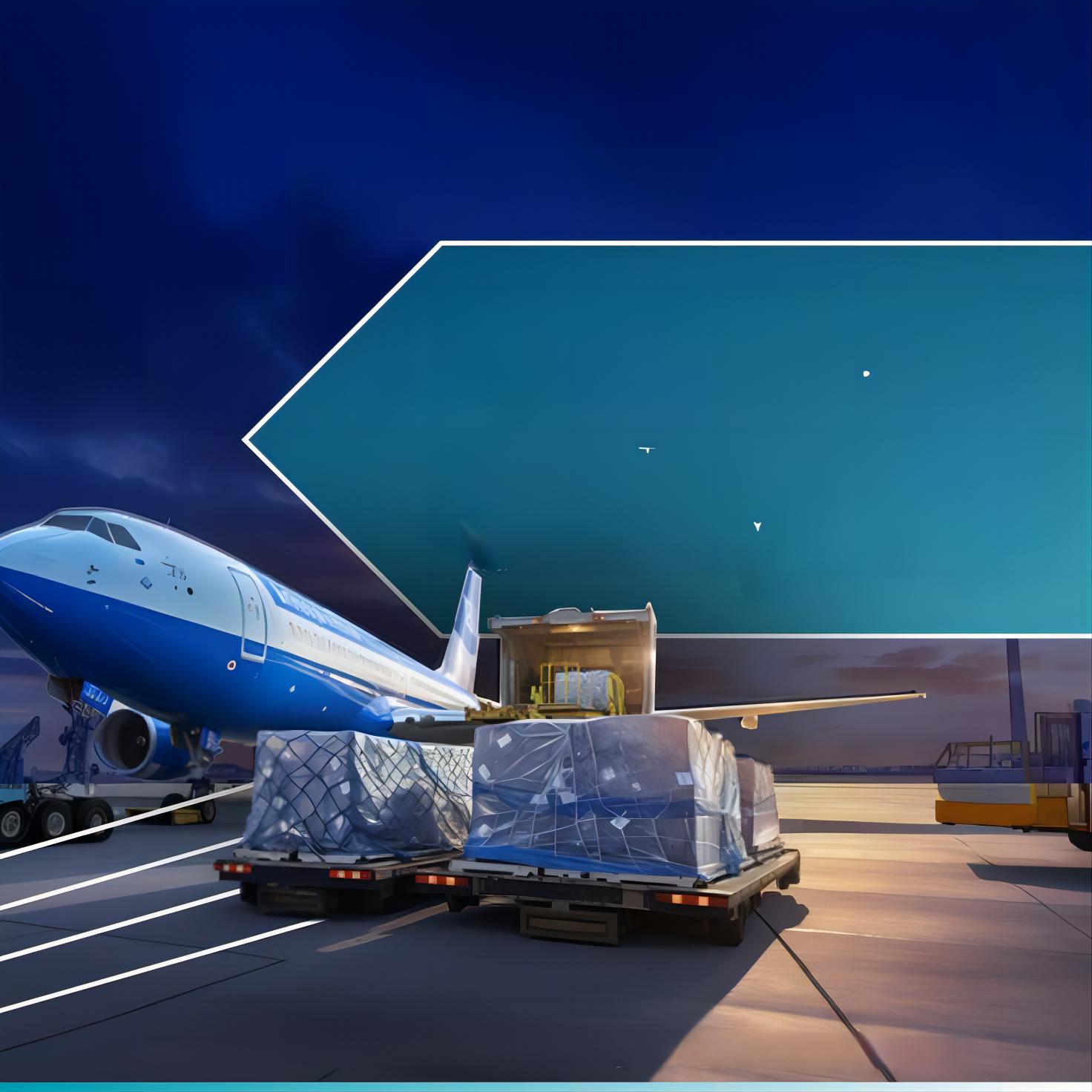
Timing is everything when managing a solar installation project. Sea freight typically takes between 35 and 45 days to reach the Czech Republic from China. This includes the ocean voyage to a European port and the subsequent rail or truck transport to the final warehouse. However, weather conditions and port congestion can occasionally extend these timelines by a week or more.
On the other hand, rail freight offers a significantly faster alternative for those with tighter deadlines. The journey from Xi’an or Chengdu to the Czech Republic usually takes between 18 and 24 days. Although more expensive than sea freight, rail transport provides a consistent schedule that is less affected by maritime disruptions. Indeed, many solar distributors use rail to top up inventory during peak demand seasons.
To summarize, your choice of transport mode should align with your project milestones. If you have a flexible schedule, sea freight is the clear winner for cost savings. If your project is facing penalties for late completion, the speed of rail or even sea-air hybrid solutions may justify the higher investment. Always build a buffer of at least 7-10 days into your logistics plan to account for unforeseen delays.
Real-World Case Studies: China to Czech Republic Solar Logistics
Case Study 1: Large-Scale Solar Farm in Central Bohemia. Route: Shanghai to Prague via Hamburg. Cargo: 1,200 Solar Modules, 72 CBM. Container: 2 x 40HQ. Shipping Details: Major carrier (COSCO), Port of Loading: Shanghai, Port of Discharge: Hamburg. Cost Breakdown: Ocean Freight: $8,400. Origin Charges: $650. Destination Charges: $1,100. Customs and Duties: $4,200. Total Landed Cost: $14,350. Timeline: Booking to Loading: 5 days. Sea Transit: 34 days. Customs: 3 days. Total: 42 days. Key Insight: Booking 3 weeks in advance secured lower peak-season rates.
Case Study 2: Urgent Residential Project in Brno. Route: Shenzhen to Brno via Rail. Cargo: 450 Solar Modules, 28 CBM. Container: 1 x 40HQ. Shipping Details: China-Europe Railway Express, Origin: Chengdu, Destination: Prague Terminal. Cost Breakdown: Rail Freight: $6,200. Origin Charges: $400. Destination Charges: $850. Customs and Duties: $1,800. Total Landed Cost: $9,250. Timeline: Booking to Loading: 4 days. Rail Transit: 19 days. Customs: 2 days. Total: 25 days. Key Insight: Rail saved 15 days compared to sea freight, allowing the contractor to meet a government subsidy deadline.
Which Shipping Option Should You Choose for Your Solar Project?
Deciding on the best logistics strategy requires a balance of budget, speed, and volume. If your priority is the lowest possible cost, FCL sea freight in 40HQ containers is the industry standard. This method is best for large-scale imports where the lead time is manageable. For shipments under 15 CBM, you might consider LCL, though the risk of damage increases slightly due to extra handling.
Conversely, if you are facing a strict deadline, rail freight is the most reliable high-speed option. It provides a balanced approach to cost and transit time. For very small, high-value components like micro-inverters or specialized sensors, air freight may be the only viable choice. To ensure the best results, consult with a freight forwarder who specializes in renewable energy logistics.
Furthermore, consider hybrid strategies such as shipping the bulk of your order via sea and a small portion via rail. This ensures you have enough stock to begin installation while the main shipment is still in transit. Regardless of the method, always ensure your cargo is insured. Standard carrier liability is rarely enough to cover the full value of high-tech solar equipment.
Final Thoughts on Solar Logistics
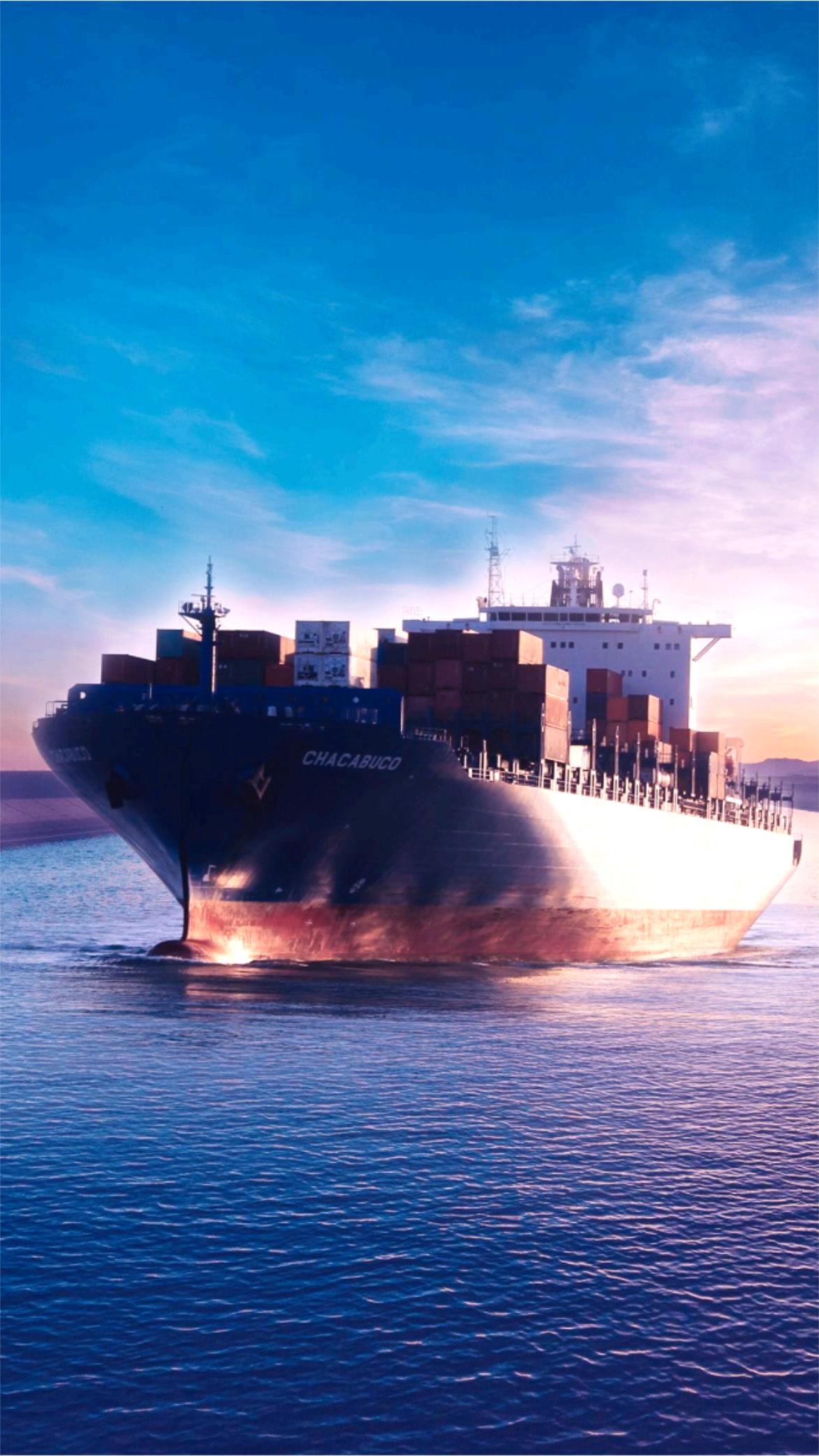
Successfully managing FCL shipping for solar panels from China to Czech Republic requires careful planning and a deep understanding of international logistics. By choosing the right container size, selecting the optimal port of entry, and preparing your documentation in advance, you can significantly reduce costs and transit times. Whether you choose the economy of sea freight or the speed of rail, working with an experienced partner like Top China Freight ensures your project stays on track.
As the Czech Republic continues to expand its solar capacity, efficient shipping will remain a vital component of business success. Remember to monitor market trends and book your shipments early to secure the best possible rates. With the right strategy, your solar imports will power a cleaner future for years to come.
Ready to streamline your logistics?
Ready to optimize your renewable energy supply chain? Our team provides expert guidance on FCL shipping for solar panels from China to Czech Republic to ensure your cargo arrives safely and on time. Contact us today for a personalized quote and professional logistics support. Visit our website to start your inquiry now.
Request Quote