
FCL Shipping for Solar Panels from China to Spain: The 2025 Logistics Guide
Importing renewable energy technology requires a strategic approach to ensure cargo safety and cost efficiency. FCL shipping for solar panels from China to Spain remains the preferred choice for large-scale distributors and installation firms seeking reliable transit. Consequently, understanding the nuances of container logistics is essential for maintaining a healthy supply chain. Top China Freight offers specialized solutions to navigate the complexities of international trade between these two major markets.

Why Choose FCL Shipping for Solar Panels from China to Spain?
Full Container Load (FCL) shipping provides a dedicated space for your photovoltaic modules, ensuring that no other cargo shares the container. Moreover, this exclusivity significantly reduces the risk of physical damage during handling and transit. Shippers typically prefer this method when moving more than 15 cubic meters of goods because it offers better security. Additionally, FCL shipments often experience faster processing times at ports since they do not require the consolidation or deconsolidation steps associated with LCL.
Choosing sea freight for solar panel transport allows businesses to take advantage of economies of scale. High-volume shipments benefit from lower per-unit costs when utilizing 40HQ containers, which are the industry standard for solar modules. Furthermore, the specialized packaging of solar panels fits perfectly into standard container dimensions, maximizing space utilization. Therefore, importers can achieve a more predictable delivery schedule while protecting their sensitive electronic components from external elements.
Security and Handling Benefits
Dedicated containers mean that the seal applied at the factory in China remains intact until it reaches the destination in Spain. Consequently, the likelihood of theft or tampering during the voyage is extremely low. Workers handle the container as a single unit rather than touching individual pallets multiple times. Indeed, this streamlined handling process is vital for maintaining the structural integrity of fragile glass panels.
How Much Does FCL Shipping for Solar Panels from China to Spain Cost?
Pricing for international logistics fluctuates based on fuel surcharges, seasonal demand, and carrier capacity. As of early 2025, freight rates have stabilized following previous disruptions in the Red Sea corridor. Nevertheless, importers should budget for variations during peak seasons like the lead-up to the Golden Week or Chinese New Year. Typically, a 40HQ container from Shanghai to Valencia ranges between 3,000 USD and 4,200 USD depending on the specific carrier and service level.
Additional costs beyond the ocean freight include terminal handling charges, documentation fees, and port security levies. Meanwhile, inland haulage in both China and Spain can add several hundred dollars to the total landed cost. It is also important to consider the impact of currency exchange rates on your final invoice. Therefore, requesting a comprehensive quote that includes all local charges is the best way to avoid unexpected expenses during the shipping process.
| Container Type | Average Cost (USD) | Capacity (Pallets) | Best For |
|---|---|---|---|
| 20GP Container | 1,800 – 2,500 | 10-11 | Small solar projects |
| 40GP Container | 2,800 – 3,800 | 20-22 | Standard bulk orders |
| 40HQ Container | 3,000 – 4,200 | 22-24 | Large-scale installations |
How Does FCL Compare to Other Shipping Options?
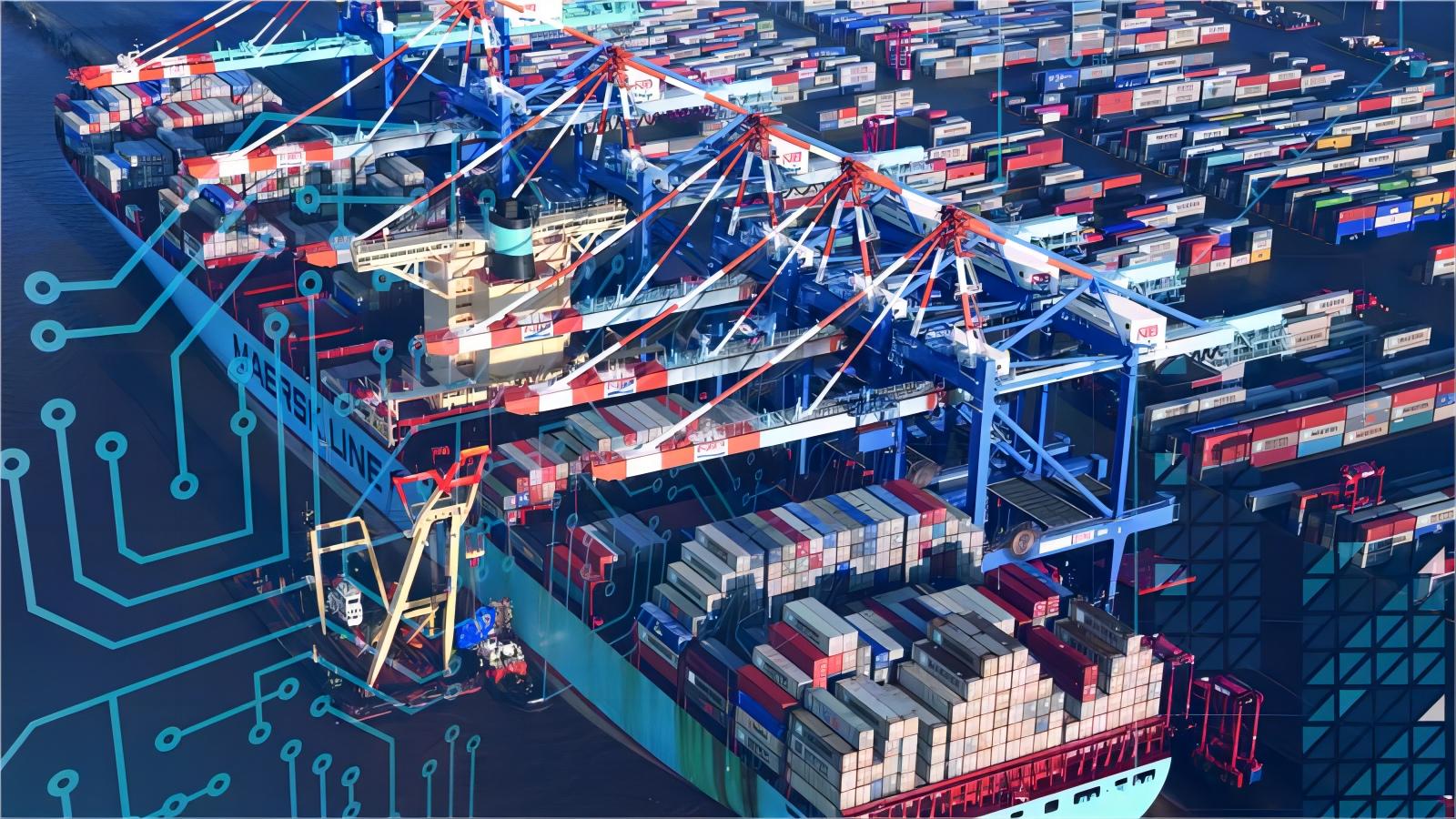
Analyzing all available transport methods is crucial for optimizing your renewable energy supply chain. While FCL is the most common choice, alternatives like LCL, air freight, and rail freight serve specific needs. For instance, air freight offers unmatched speed but comes at a prohibitive cost for heavy solar panels. On the other hand, rail freight provides a middle ground in terms of both price and transit time for inland destinations.
Comparing these options requires a look at the total value proposition rather than just the initial freight rate. FCL remains the champion for cost-per-watt ratios in the solar industry. However, if you are shipping a small replacement batch or urgent samples, air freight might be the only viable solution despite the high expense. Businesses must weigh the urgency of their project against the budget constraints of their logistics strategy.
| Method | Cost Range | Transit Time | Limitations |
|---|---|---|---|
| Sea FCL | Low | 30-40 Days | Requires high volume |
| Sea LCL | Medium | 35-45 Days | Higher damage risk |
| Rail Freight | Medium-High | 18-24 Days | Limited to rail hubs |
| Air Freight | Very High | 5-8 Days | Weight restrictions |
What is the Transit Time for Sea Freight from China to Spain?
Ocean voyages from major Chinese ports to the Mediterranean coast of Spain typically take between 30 and 40 days. Ports like Ningbo and Shenzhen offer frequent departures to Valencia, Barcelona, and Algeciras. Moreover, direct services are faster than transshipment routes that stop in Singapore or Port Klang. Consequently, shippers should verify the specific vessel schedule to ensure it aligns with their installation deadlines.
Weather conditions and port congestion can occasionally cause delays in the estimated arrival times. Furthermore, the time required for loading in China and unloading in Spain adds approximately 5 to 7 days to the total door-to-door duration. Therefore, planning for a 45-day window from the factory gate to the Spanish warehouse is a prudent strategy. Maintaining clear communication with your freight forwarder helps in tracking the real-time progress of your shipment.
How to Navigate Spanish Customs for Solar Panel Imports?
Spanish customs authorities require precise documentation to clear renewable energy products for entry into the European Union. Importers must provide a Commercial Invoice, Packing List, and a Bill of Lading for every FCL shipment. Additionally, solar panels must comply with EU safety and environmental standards, often requiring CE marking and technical data sheets. Utilizing a professional customs brokerage service ensures that all paperwork meets local regulations.
Antidumping duties and VAT are significant factors that influence the total cost of importing from China. Currently, EU regulations on solar modules involve specific monitoring, though the heavy duties of previous years have evolved. Nevertheless, staying updated on the latest Trade Defense Instruments is vital for accurate financial planning. Indeed, failure to provide the correct tariff codes can lead to expensive delays and potential fines at the port of entry.
Which Option Should You Choose for Your Solar Project?
Determining the right shipping strategy depends on your specific project requirements and cargo volume. If you are importing enough panels to fill at least 60% of a 20ft container, FCL is almost always the better financial choice. Conversely, for very small residential projects, LCL might be more practical despite the higher risk of handling. For those requiring a complete solution, door to door services simplify the process by managing every step from the factory to the site.
Budget priority usually dictates a preference for sea freight via 40HQ containers to maximize capacity. However, if your project is behind schedule and facing penalties, the speed of rail or air might justify the extra cost. Cargo type also matters, as high-efficiency bifacial panels require extra care that only a dedicated FCL container can provide. Ultimately, balancing speed, safety, and cost is the key to a successful import operation.
Real Case Studies: FCL Shipping for Solar Panels
Case Study 1: Large Scale Utility Project in Seville. Route: Shenzhen, China to Valencia, Spain. Cargo: 540W Monocrystalline Solar Panels, 22 Pallets. Container: 40HQ. Shipping Details: Direct sea transit via COSCO. Cost Breakdown: Ocean Freight $3,250, Origin Charges $450, Destination Charges $600, Customs $200. Total Landed Cost: $4,500. Timeline: 32 days sea transit, 4 days clearance. Total Door-to-Door: 42 days. Key Insight: Booking 3 weeks in advance secured a lower rate before the Q4 peak.
Case Study 2: Commercial Rooftop Installation in Barcelona. Route: Ningbo, China to Barcelona, Spain. Cargo: 410W Residential Panels, 10 Pallets. Container: 20GP. Shipping Details: Transshipment via Singapore. Cost Breakdown: Ocean Freight $2,150, Origin Charges $400, Destination Charges $550, Customs $180. Total Landed Cost: $3,280. Timeline: 38 days sea transit, 3 days clearance. Total Door-to-Door: 48 days. Key Insight: FCL 20GP was chosen over LCL to prevent micro-cracks in the panels during handling.
What are the Trends in Shipping from China to Europe for 2025?
Sustainability is becoming a core focus for the logistics industry, with many carriers introducing carbon-offsetting programs for Europe bound routes. Moreover, digital tracking technologies now provide more transparency than ever before, allowing importers to monitor temperature and humidity inside containers. These innovations are particularly beneficial for sensitive electronics like solar inverters and high-end modules. Consequently, businesses can better manage their inventory levels and installation schedules.
Geopolitical shifts continue to influence trade routes and freight pricing across the Eurasian corridor. While the Red Sea situation has caused some vessels to reroute around the Cape of Good Hope, capacity has adjusted to meet demand. Furthermore, the growth of green corridors between major ports is expected to streamline the movement of renewable energy components. Therefore, staying informed about these macro trends is essential for any professional involved in the solar supply chain.
Final Thoughts on FCL Shipping for Solar Panels
Successfully managing FCL shipping for solar panels from China to Spain requires a blend of careful planning and market knowledge. By choosing full container loads, importers protect their fragile cargo while benefiting from the most competitive freight rates available. Moreover, understanding the documentation and transit nuances helps avoid common pitfalls in the international supply chain. As the demand for solar energy continues to grow in Spain, establishing a robust logistics partnership remains a critical factor for business success. Therefore, prioritize safety and efficiency to ensure your photovoltaic modules are ready for installation upon arrival.

Ready to streamline your logistics?
Optimizing your FCL shipping for solar panels from China to Spain is simple with the right logistics partner. Contact Top China Freight today to receive a customized quote and expert guidance on your next renewable energy shipment. Our team ensures your panels arrive safely and on time to power your projects. Visit our website to learn more about our comprehensive sea freight and customs solutions.
Request Quote