

FCL Shipping for Textiles from China to Belgium: A Complete Guide
Top China Freight provides comprehensive logistics solutions for businesses managing FCL shipping for textiles from China to Belgium. The textile industry demands high efficiency and reliable schedules to meet seasonal fashion cycles. Consequently, choosing a dedicated container service ensures your cargo remains secure and arrives on time. By visiting Top China Freight, you can access expert resources to streamline your international trade operations from the Far East to the heart of Europe.
What is FCL Shipping for Textiles from China to Belgium?
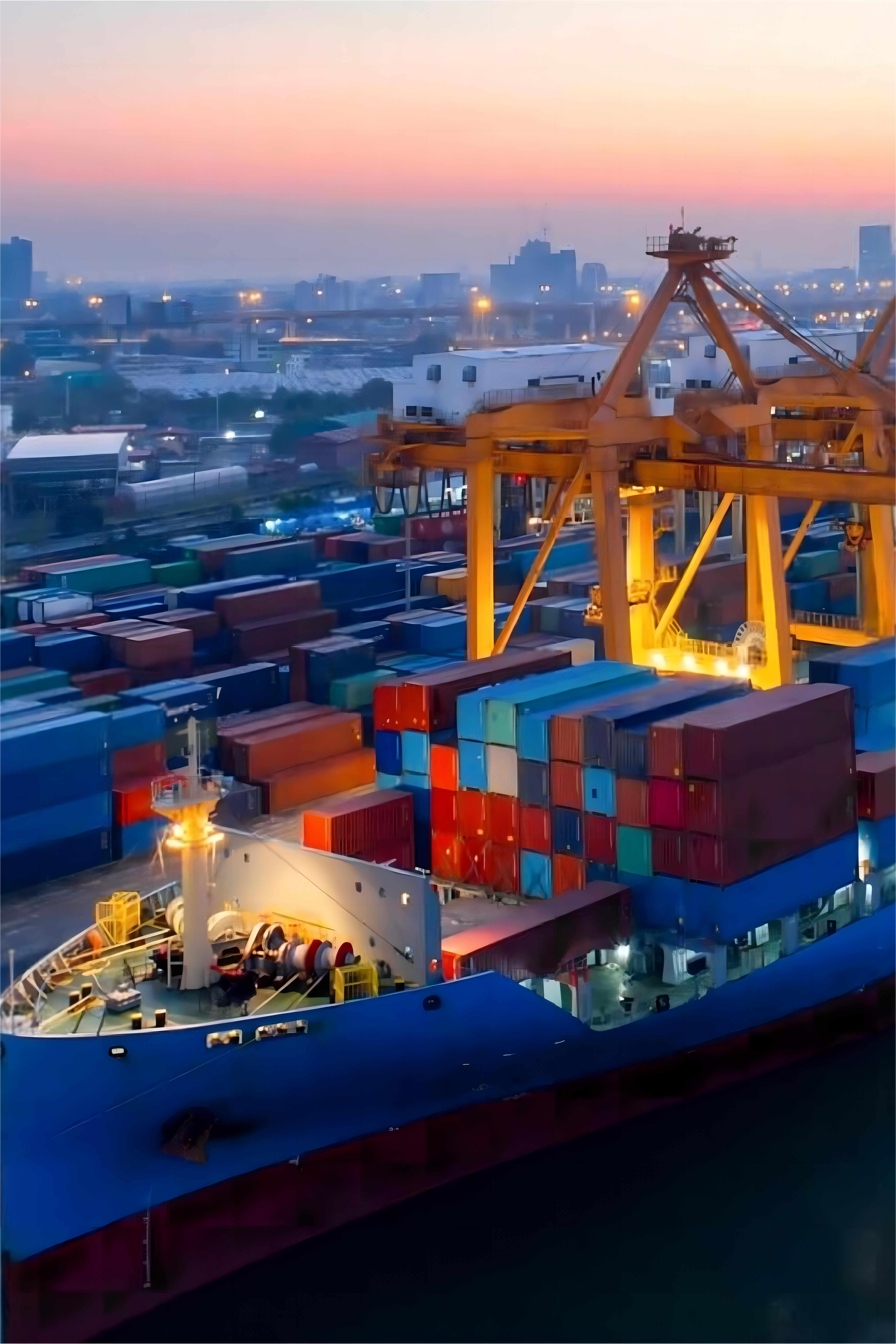
Full Container Load (FCL) shipping refers to a logistics arrangement where an entire shipping container is dedicated to a single consignee. For textile importers, this method is often the most efficient way to transport large volumes of fabrics, garments, or industrial textiles. Furthermore, FCL shipping for textiles from China to Belgium minimizes the risk of damage because the container is sealed at the origin and remains unopened until it reaches its destination. This security is vital for high-value fashion items that require pristine handling.
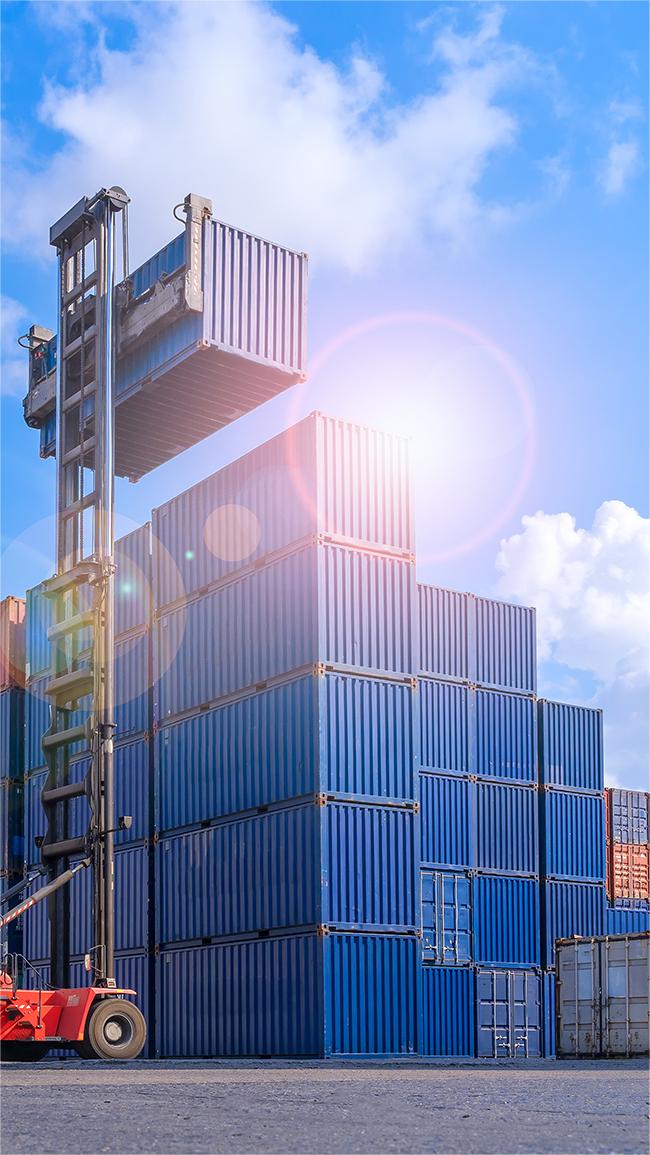
Importers typically choose between 20-foot and 40-foot containers depending on their total cargo volume. Since textiles can be bulky but relatively light, or heavy in the case of raw denim and industrial rolls, selecting the right container size is a critical step in cost management. Additionally, using sea freight for FCL shipments offers the best balance between capacity and price. You can effectively plan your inventory levels by leveraging the predictable schedules offered by major maritime carriers.
Belgium serves as a primary gateway to Europe, with the Port of Antwerp-Bruges acting as a massive hub for textile distribution. Consequently, shipping directly to Belgium allows for easy onward transport to France, Germany, and the Netherlands. This strategic location makes FCL shipping for textiles from China to Belgium a preferred choice for wholesalers and retail chains alike. Moreover, the specialized infrastructure in Belgian ports ensures that textile containers are handled with the necessary care to prevent moisture ingress or physical strain.
How Does FCL Compare to Other Shipping Options?
When planning your logistics strategy, it is essential to compare FCL with alternative methods such as LCL, air, and rail freight. Each method offers distinct advantages depending on your budget, speed requirements, and cargo volume. For instance, while air freight is significantly faster, the cost per kilogram is much higher than sea-based FCL options. Therefore, FCL remains the standard for bulk textile orders where lead times allow for ocean transit.
Rail freight has emerged as a viable middle ground for shipments from China to Europe. It offers faster transit than sea freight while being more affordable than air transport. However, for the specific route of China to Belgium, sea freight continues to dominate due to the massive capacity of modern container ships. In contrast, LCL (Less than Container Load) is suitable only for very small shipments, as the risk of contamination from other cargo is higher for sensitive textiles.
The following table provides a detailed comparison of the primary shipping methods available for textile importers on this route.
| Shipping Method | Cost Range | Transit Time | Best For |
|---|---|---|---|
| FCL Sea Freight | $2,500 – $4,500 | 30 – 40 Days | Bulk textile orders |
| LCL Sea Freight | $50 – $150 per CBM | 35 – 45 Days | Small samples or rolls |
| Rail Freight | $4,000 – $6,000 | 18 – 22 Days | Mid-season restocks |
| Air Freight | $4.50 – $8.00 per kg | 5 – 8 Days | Urgent fashion launches |
Which Option Should You Choose for Your Textiles?
Choosing the right shipping method depends on several factors including your total volume, budget, and urgency. If you are shipping more than 15 cubic meters of textiles, FCL is almost always more cost-effective than LCL. Additionally, FCL provides a faster transit time because the container does not need to be deconsolidated at a warehouse. Consequently, you gain better control over your delivery schedule and reduce the likelihood of port delays.
If speed is your absolute priority, such as during a sudden trend spike, air freight is the recommended solution despite the higher cost. However, for the vast majority of textile supply chains, sea freight remains the backbone of operations. For companies looking for a balance, rail freight provides a sustainable and relatively fast alternative that bypasses potential maritime congestion. You should evaluate your seasonal needs to decide which method aligns with your profit margins.
For importers who want a hands-off experience, a door to door service is often the best choice. This service covers everything from the factory floor in China to your warehouse in Belgium. By integrating all steps into one package, you reduce the administrative burden and ensure that every link in the chain is optimized for textile handling.
Understanding FCL Freight Rates and Cost Factors
Freight rates for FCL shipping for textiles from China to Belgium are influenced by several market variables. These include fuel surcharges (BAF), seasonal demand fluctuations, and carrier capacity. For example, rates typically peak during the months leading up to the holiday season and around the Chinese New Year. Consequently, booking your container at least 3 to 4 weeks in advance can help you secure better pricing and guaranteed space on the vessel.
Another significant factor is the choice of container type. A standard 40HQ (High Cube) container is the most popular choice for textiles because it offers extra vertical space for stacked rolls or hanging garments. While the base rate for a 40HQ is higher than a 20GP, the cost per unit of cargo is often much lower. Furthermore, you must account for local charges at both the loading port in China and the discharge port in Belgium, such as Terminal Handling Charges (THC) and documentation fees.
Market data suggests that as of early 2025, rates have stabilized but remain sensitive to global geopolitical events. Importers should also consider the impact of currency exchange rates on their total landed cost. To manage these costs, many businesses work with freight forwarders who can negotiate contract rates with major carriers like COSCO, Maersk, and MSC. Note: Freight rates are subject to change based on fuel costs, carrier capacity, and seasonal demand. Contact us for a current quote tailored to your specific shipment.
| Container Type | Average Capacity | Est. Cost (USD) | Usage |
|---|---|---|---|
| 20GP | 33 CBM | $1,800 – $2,600 | Heavy fabrics/yarns |
| 40GP | 67 CBM | $2,800 – $3,800 | Standard garments |
| 40HQ | 76 CBM | $3,000 – $4,200 | Bulky textiles/rolls |
Navigating Customs Brokerage and Documentation
Successfully clearing customs is a vital part of FCL shipping for textiles from China to Belgium. The European Union has strict regulations regarding textile imports, including labeling requirements and safety standards. Therefore, working with a professional customs brokerage service is highly recommended to avoid costly delays or fines. You must ensure that all documentation, such as the Commercial Invoice, Packing List, and Bill of Lading, is accurate and complete.
In addition to standard documents, textiles may require a Certificate of Origin to benefit from specific trade agreements or to comply with anti-dumping regulations. Belgium uses the Integrated Tariff of the European Communities (TARIC) to determine the duties and taxes applicable to your shipment. Consequently, knowing the correct HS Code for your specific textile product is essential for calculating your financial obligations. Additionally, you will need to pay Value Added Tax (VAT) upon entry into Belgium, unless you utilize a VAT deferment scheme.
The Belgian customs authorities are known for their efficiency, but they do perform random inspections on textile containers to verify contents. To minimize the risk of inspection, ensure that your supplier in China packs the container according to the packing list. Furthermore, ensure that all wooden pallets used in the shipment are ISPM 15 certified. By following these guidelines, you can ensure a smooth transition through the Port of Antwerp or Zeebrugge.
Case Studies: Successful Textile Shipments to Belgium
Reviewing real-world examples can help you understand the practicalities of FCL shipping for textiles from China to Belgium. These cases highlight common challenges and the solutions used to overcome them. Whether you are a small boutique or a large retailer, these insights provide valuable benchmarks for your own logistics planning.
Case Study 1: High-Volume Cotton Fabric Import. Route: Shanghai to Antwerp. Cargo: 100 percent cotton rolls, 68 CBM. Container: 40HQ. Shipping Details: Direct sea transit via major carrier. Cost Breakdown: Ocean freight $3,200, Origin charges $350, Destination charges $450. Timeline: 32 days sea transit, 3 days customs clearance. Key Insight: Booking 4 weeks in advance during the Q3 peak season saved the client 15 percent compared to spot rates.
Case Study 2: Seasonal Garment Collection. Route: Ningbo to Zeebrugge. Cargo: Finished polyester dresses, 28 CBM. Container: 20GP. Shipping Details: Transshipment via Singapore. Cost Breakdown: Ocean freight $2,100, Customs and duties $1,200. Timeline: 38 days door-to-door. Key Insight: Using a 20GP was more secure than LCL for finished garments, preventing wrinkles and moisture damage during the longer transshipment route. Typical rates as of early 2025.

Transit Times and Port Logistics in Belgium
The transit time for FCL shipping for textiles from China to Belgium typically ranges from 30 to 45 days. This duration includes the time for loading at the origin port, the ocean voyage, and the discharge process at the destination. Specifically, direct sailings from major Chinese ports like Shanghai, Ningbo, or Shenzhen to Antwerp are the fastest ocean options. However, some carriers may include stops in Southeast Asia or the Middle East, which can add several days to the schedule.
Antwerp is the second-largest port in Europe and offers world-class facilities for textile handling. It features specialized terminals that can handle high volumes of containers with minimal congestion. Additionally, the port is well-connected to the Belgian rail and road networks, facilitating rapid shipping from China to Europe. Zeebrugge is another excellent option, particularly for roll-on/roll-off cargo or if your warehouse is located in Western Flanders.
To optimize your delivery schedule, you should monitor the vessel’s progress using tracking tools provided by your freight forwarder. Consequently, you can prepare your local transport team in Belgium for the exact day the container becomes available. Furthermore, understanding the ‘free time’ provided by the carrier at the port is crucial to avoid demurrage and detention charges. Most carriers offer 5 to 7 days of free time, so planning your inland transport in advance is essential.
Final Thoughts on Textile Logistics
Successfully managing FCL shipping for textiles from China to Belgium requires a strategic approach to container selection, route planning, and customs compliance. By choosing FCL, you benefit from enhanced security, better cost-efficiency for large volumes, and more predictable transit times. Furthermore, the strategic importance of Belgian ports makes this route a cornerstone for any textile business looking to expand within the European market.
As market trends continue to evolve, staying informed about freight rates and logistics innovations will give you a competitive edge. Whether you are shipping raw fabrics or finished apparel, the right logistics partner can make all the difference. Remember to plan ahead, document accurately, and choose the shipping method that best fits your business goals to ensure long-term success in the textile trade.
Ready to streamline your logistics?
Optimize your textile imports with our expert FCL shipping for textiles from China to Belgium. Our team at Top China Freight handles everything from port-to-port transit to complex customs clearance. Contact us today for a competitive quote and ensure your garments and fabrics reach the Belgian market without delay. Visit our website to start your inquiry now.
Request Quote