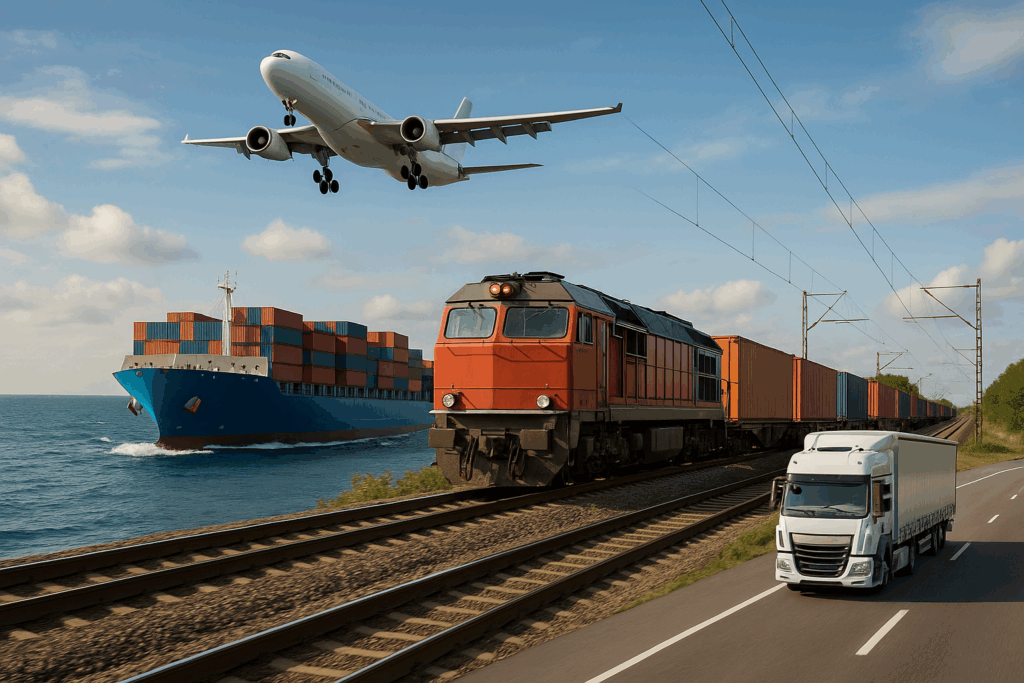
In the global supply chain, first mile logistics refers to the movement of goods from their origin—such as factories, suppliers, or warehouses—to the first major logistics hub. This stage often involves truck transport for short to medium distances, rail freight for bulk cargo, or short sea shipping between ports.
A well-organized first mile ensures cargo reaches seaports, airports, or regional distribution centers on schedule, aligning with vessel departures, train timetables, or flight schedules. Proper route planning, timely pickup, and secure loading are essential to prevent delays that can disrupt the middle and last mile stages, ultimately affecting delivery performance and costs.
1. Understanding the Role of First Mile Logistics
The first mile is the foundation of any shipment. If delays or errors occur here, they can cause significant problems in middle mile and last mile delivery. Its functions include:
Collecting goods from the origin point
Verifying and labeling cargo for tracking
Transporting goods to the next logistics hub
Ensuring documents and customs pre-clearance (if applicable)
2. Common Transportation Methods in First Mile Logistics
Truck Freight – Ideal for short to medium distances and flexible routes.
Rail Freight – Cost-effective for bulk shipments over long distances.
Air Freight – Best for urgent or high-value goods.
Barge or Coastal Shipping – Used when goods need to be transferred between ports before international shipping.
Traffic Congestion – Delays during peak travel hours.
Insufficient Transport Capacity – Lack of available trucks or containers.
Weather Conditions – Storms, heavy rain, or snow affecting transit.
Operational Inefficiency – Poor coordination between shippers and carriers.
5. How First Mile Logistics Connects to Middle and Last Mile
Middle Mile: Moves cargo from regional hubs to distribution centers.
Last Mile: Delivers goods to the end customer. Any delay or mishandling in first mile logistics can multiply in cost and time during these later stages.
6. Cost Factors in First Mile Logistics
Distance and Route Complexity
Fuel Prices
Labor and Handling Fees
Urgency of Delivery
Value and Type of Cargo
7. Strategies to Improve First Mile Logistics
Use route optimization software to avoid delays.
Partner with reliable carriers that have diverse transport options.
Implement real-time tracking systems for visibility.
Schedule pickups during off-peak hours.
Consult TJ China Freight Forwarding for the lowest quote. They will provide you with reliable, cost-effective service.