

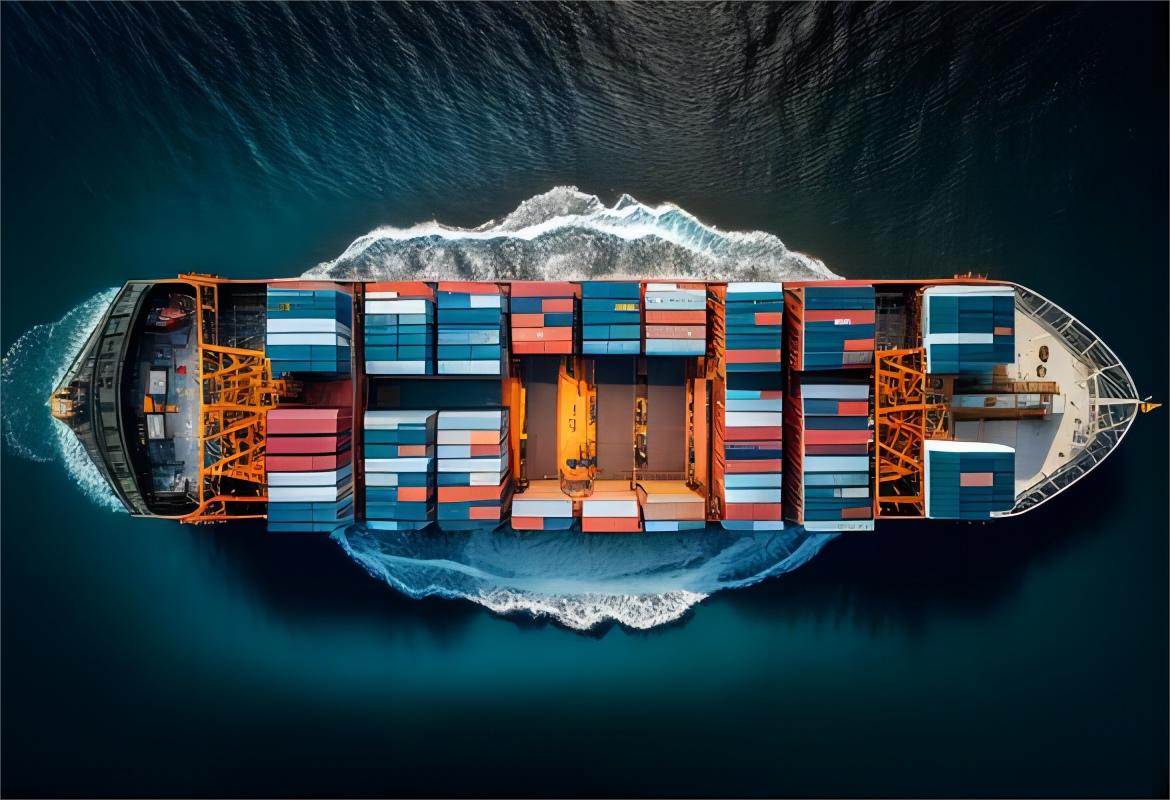
Reefer FCL space availability for hardware tools from China to Spain
Reefer FCL space availability for hardware tools from China to Spain is a critical consideration for importers dealing with temperature-sensitive precision instruments or high-end coated equipment. Securing consistent space requires a deep understanding of the current logistics landscape and seasonal demand fluctuations. Many businesses rely on the expertise of Top China Freight to navigate these complex shipping requirements and ensure their cargo arrives in perfect condition.
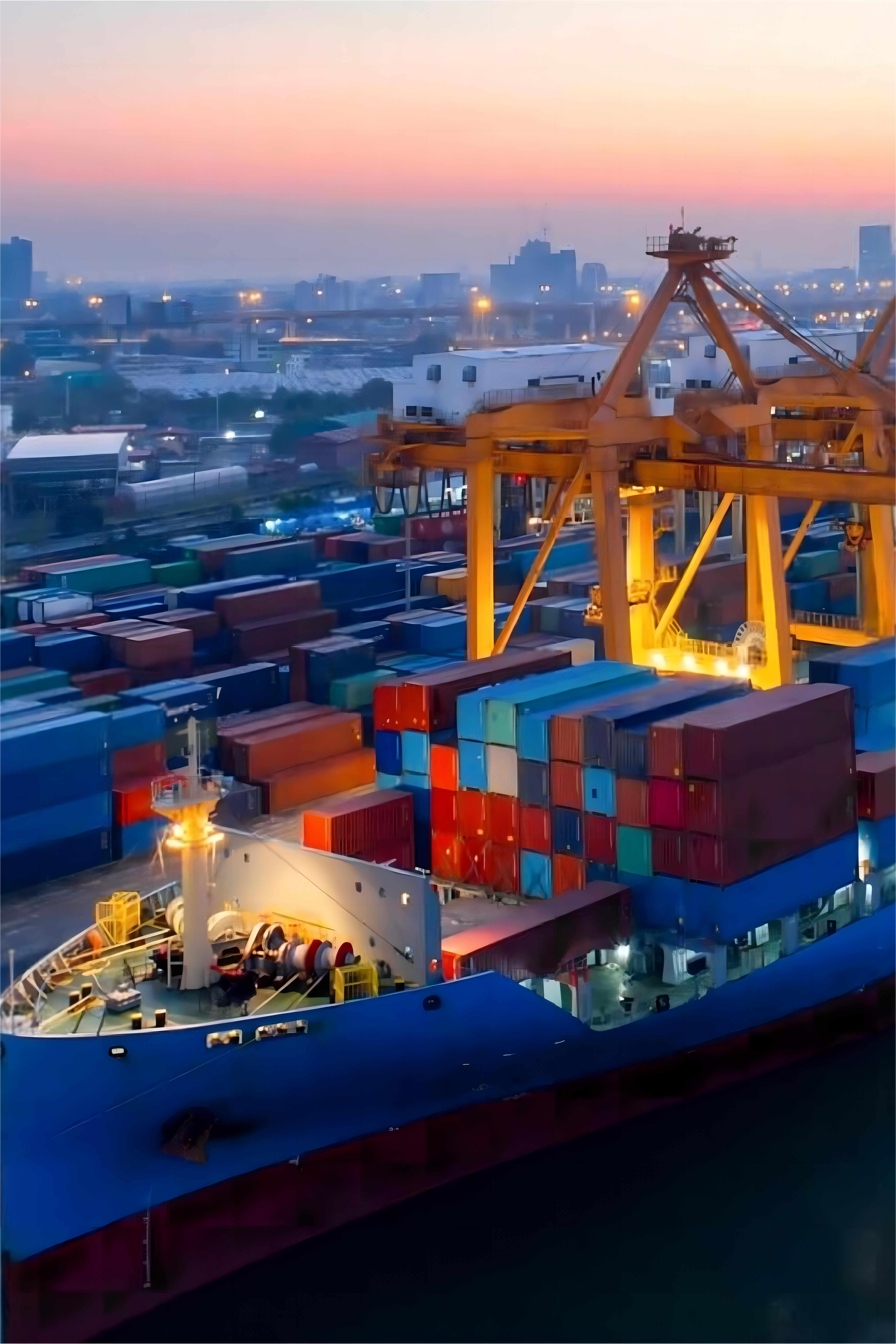
Why check Reefer FCL space availability for hardware tools from China to Spain?
Hardware tools often consist of complex alloys or electronic components that are susceptible to extreme temperature shifts during long sea voyages. Consequently, utilizing a refrigerated container ensures that humidity levels and temperatures remain constant throughout the journey across the Indian Ocean and through the Suez Canal.
Moreover, the demand for specialized containers fluctuates significantly based on global trade patterns and carrier schedules. Therefore, verifying the current availability of refrigerated units is the first step in maintaining a stable supply chain for your Spanish distribution centers.

Precision tools used in the aerospace or medical industries require specific climate control to prevent micro-corrosion or calibration drift. Accordingly, professional importers prioritize refrigerated solutions over standard dry vans to protect their high-value investments.
Furthermore, the route from China to Spain involves traversing several climatic zones which can cause moisture buildup inside standard containers. Indeed, reefer units provide the necessary ventilation and dehumidification to mitigate these risks effectively.
Factors Affecting Reefer FCL space availability for hardware tools from China to Spain
Global logistics trends play a massive role in how many refrigerated units are allocated to the Mediterranean routes each month. For instance, peak agricultural seasons in China or Southeast Asia can lead to a sudden shortage of reefer equipment for non-perishable goods.
Additionally, carrier alliances often adjust their capacity based on fuel costs and overall market demand for European imports. As a result, shippers must be proactive in booking their sea freight well in advance of the intended departure date.
Port congestion in major hubs like Shanghai or Ningbo can also impact the turnaround time for empty reefer units. Nevertheless, staying informed about local port conditions helps in planning more accurate delivery schedules for your hardware inventory.
Market data suggests that space availability often tightens during the third quarter as retailers prepare for the holiday season in Europe. Consequently, securing a contract early can shield your business from sudden rate spikes and equipment shortages.
How Does Reefer Shipping Compare to Other Shipping Options?
Choosing the right shipping method depends on your budget, timeline, and the sensitivity of your hardware tools. While reefer containers offer the best protection, they come at a premium compared to standard FCL or LCL options.
However, when compared to air freight, reefer sea transport is significantly more cost-effective for large volumes of heavy tools. On the other hand, rail freight offers a middle ground in terms of speed but has limited reefer infrastructure for the shipping from China to Europe route.
Without a doubt, analyzing the trade-offs between cost and protection is essential for any successful import strategy. For example, a shipment of standard hand tools might thrive in a 40HQ dry container, whereas digital torque wrenches might require the controlled environment of a reefer.
| Shipping Method | Cost Range | Transit Time | Best For | Limitations |
|---|---|---|---|---|
| Reefer FCL (Sea) | $3,500 – $5,500 | 30-40 Days | Sensitive Tools | Higher Cost |
| Standard FCL (Sea) | $2,500 – $4,000 | 30-40 Days | Bulk Hardware | No Temp Control |
| Air Freight | $15,000+ | 5-7 Days | Urgent Orders | Very Expensive |
| Rail Freight | $4,000 – $6,000 | 18-24 Days | Mid-value Goods | Limited Reefer |

Transit Times and Port Selection for Spanish Imports
Selecting the right port of discharge in Spain can significantly influence your total transit time and inland haulage costs. For instance, shipments destined for Madrid are often best routed through the Port of Valencia due to its excellent rail and road connections.
In contrast, the Port of Barcelona is a primary hub for shipments heading to the northeastern industrial regions of Spain. Meanwhile, Algeciras serves as a major transshipment point for vessels entering the Mediterranean, often offering faster arrival times for Southern Spanish destinations.
Typical transit times from major Chinese ports like Shenzhen or Qingdao to Spain range from 28 to 35 days under normal conditions. Consequently, factoring in an additional 7-10 days for booking and local cargo handling is a wise strategy for supply chain managers.
Indeed, direct services are preferred to minimize the risk of temperature fluctuations during transshipment at intermediate ports. Nevertheless, if a direct route is unavailable, ensuring the carrier maintains the reefer plug-in during the entire transshipment process is vital.
| Origin Port | Destination Port | Average Transit | Service Type |
|---|---|---|---|
| Shanghai | Valencia | 32 Days | Direct |
| Ningbo | Barcelona | 30 Days | Direct |
| Shenzhen | Algeciras | 28 Days | Transshipment |
| Qingdao | Valencia | 35 Days | Direct |
Cost Analysis: Reefer FCL vs Standard Containers
Shipping costs for reefer containers are naturally higher because of the energy required to power the cooling unit and the specialized maintenance involved. Typically, you can expect to pay a 20% to 40% premium over standard dry container rates for the same route.
Furthermore, additional charges such as reefer monitoring fees and electricity connection fees at the terminals must be included in your budget. Therefore, requesting a comprehensive quote that covers all local charges at both origin and destination is essential.
As of early 2025, freight rates for a 40HQ reefer from China to Spain have stabilized, but they remain sensitive to fuel surcharges and seasonal demand. Consequently, businesses should monitor market trends closely to identify the most opportunistic times for booking.
Note: Freight rates are subject to change based on fuel costs, carrier capacity, and seasonal demand. Contact us for a current quote tailored to your specific shipment.
Case Study 1: Precision Measuring Tools to Valencia
A manufacturer in Shanghai needed to transport a large batch of digital calipers and laser levels to a distributor in Valencia. Because these tools are highly sensitive to humidity, they opted for a 20GP reefer container to ensure quality preservation.
The shipment was booked during a period of moderate Reefer FCL space availability for hardware tools from China to Spain, allowing for a competitive rate. As a result, the cargo arrived with zero defects and was cleared through customs within 48 hours.
Shipment Details
Route: Shanghai, China to Valencia, Spain
Cargo: Digital calipers and laser levels, 18 CBM, 4,500 kg
Container: 20GP Reefer
Carrier: Major carrier
Ocean Freight: $2,850
Total Landed Cost: $4,100
Total Door-to-Door: 38 days
Key Insight: Pre-booking three weeks in advance secured the equipment despite a local container shortage.
Case Study 2: Industrial Power Tools to Barcelona
An industrial supplier required the transport of high-end battery-powered drills from Ningbo to Barcelona. Since lithium batteries perform best when kept at stable temperatures, the client chose a 40HQ reefer to maximize volume and safety.
Despite the complexity of the cargo, the shipment benefited from a direct service that reduced the risk of handling delays. Consequently, the client maintained their delivery schedule and avoided the stockouts that had plagued their competitors.
Shipment Details
Route: Ningbo, China to Barcelona, Spain
Cargo: Battery-powered industrial drills, 55 CBM, 12,000 kg
Container: 40HQ Reefer
Carrier: COSCO
Ocean Freight: $4,900
Total Landed Cost: $6,500
Total Door-to-Door: 35 days
Key Insight: Utilizing a direct route minimized the risk of power disconnection during transshipment.
Customs Brokerage and Compliance for Hardware
Navigating the Spanish customs environment requires precise documentation, especially for technical hardware and tools. Therefore, engaging a professional customs brokerage service is highly recommended to avoid costly delays at the port of entry.
Importing goods into the European Union involves paying the Common External Tariff and ensuring all products meet CE marking requirements. Additionally, specific hardware tools may be subject to anti-dumping duties depending on their origin and material composition.
Moreover, providing an accurate packing list and commercial invoice is vital for a smooth clearance process. Consequently, your logistics partner should review all paperwork before the vessel departs China to catch any potential errors early.
Indeed, a well-managed customs process can save several days in the overall transit time. Thus, choosing a provider with deep experience in Spanish import regulations is a strategic advantage for your business.
Door to Door Solutions for Spanish Importers
For many businesses, a comprehensive door to door service is the most efficient way to manage international logistics. This approach simplifies the process by providing a single point of contact from the factory in China to the warehouse in Spain.
Furthermore, this service typically includes inland trucking, sea freight, customs clearance, and final delivery. As a result, importers can focus on their core business operations while experts handle the complexities of Reefer FCL space availability for hardware tools from China to Spain.
Additionally, door-to-door providers often have better leverage with carriers to secure space during peak seasons. Therefore, this model often results in more reliable lead times and more predictable shipping costs for your annual budget.
In summary, integrating your logistics from start to finish reduces the risk of communication gaps and ensures that your hardware tools are handled with care at every stage of the journey.
Final Thoughts on Shipping Hardware via Reefer FCL
Securing Reefer FCL space availability for hardware tools from China to Spain is a sophisticated strategy that pays dividends in product quality and customer satisfaction. By understanding the market trends and choosing the right logistics partners, you can mitigate the risks of temperature damage and humidity.
Whether you are shipping precision instruments or high-end industrial equipment, the protection offered by refrigerated containers is often worth the additional investment. Remember to plan ahead, choose the right Spanish port, and utilize professional services to streamline your import process.

Ready to streamline your logistics?
Contact our expert team today to verify Reefer FCL space availability for hardware tools from China to Spain and receive a customized quote for your next shipment.
Request Quote