

Flat Rack FCL Detention Prevention for Solar Panels from China to Seattle
Managing Flat Rack FCL detention prevention for solar panels from China to Seattle requires precise coordination between suppliers and carriers. At Top China Freight, we specialize in navigating these complex logistics challenges for renewable energy components. Consequently, understanding the specific requirements of Seattle port operations is essential for maintaining your project timeline without incurring unnecessary costs. Solar panels often exceed standard container dimensions, necessitating the use of flat rack equipment that carries unique risks for detention. However, these specialized containers attract higher daily fees if not returned promptly to the terminal after delivery. Therefore, implementing a robust strategy for equipment turnaround is vital for your bottom line.
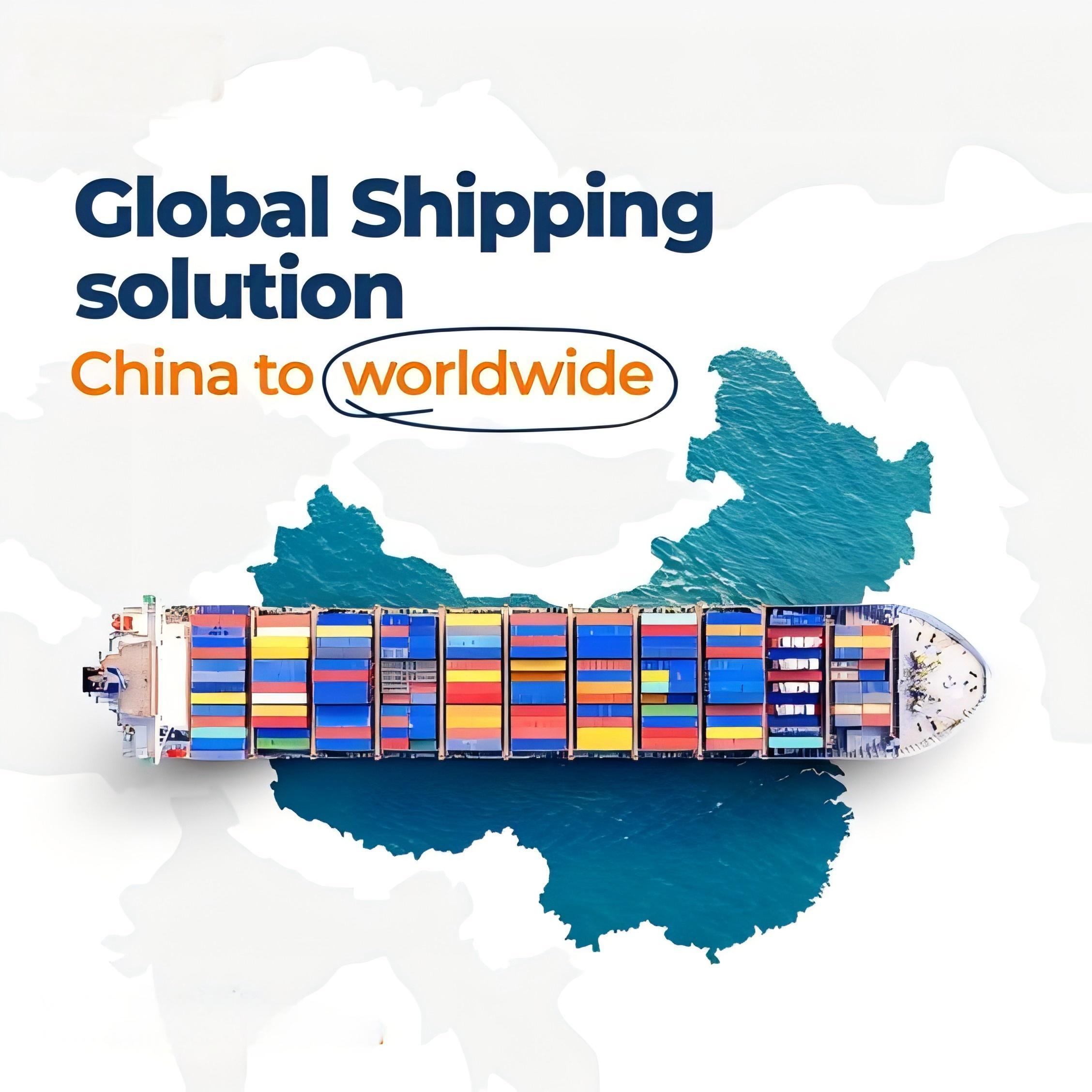
What Is Flat Rack FCL and Why Is It Used for Solar Panels?
Flat rack containers feature collapsible sides and no roof, making them ideal for oversized cargo like large-scale solar arrays. Because solar panels and their mounting structures can be bulky, sea freight using flat racks allows for easier side or top loading. Furthermore, this equipment is specialized and less abundant in the global pool than standard 40HQ containers. Indeed, the scarcity of these units means that carriers apply stricter rules regarding their usage and return. Meanwhile, shippers must ensure that the cargo is properly lashed and secured to prevent damage during the transpacific voyage from China to the Pacific Northwest.

Choosing the right equipment is the first step in a successful import strategy. Nevertheless, many importers overlook the administrative complexities associated with flat rack units until the cargo arrives in Seattle. Consequently, they face unexpected charges that could have been avoided with better planning. Shippers should work closely with their partners to confirm equipment availability at major Chinese ports like Shanghai or Ningbo. Additionally, verifying the exact dimensions of the solar crates ensures that the flat rack chosen is appropriate for the load.
Understanding the High Cost of Detention in Seattle
Detention refers to the fees charged by shipping lines for the use of their equipment outside of the port terminal. Once the solar panels are picked up from the Port of Seattle or Tacoma, a clock starts ticking for the return of the empty flat rack. Moreover, the daily rates for flat rack detention are significantly higher than those for standard dry containers. For instance, a carrier might charge 250 dollars per day for a flat rack compared to 150 dollars for a standard unit. As a result, even a few days of delay at the job site can lead to thousands of dollars in extra expenses.
Seattle port congestion can exacerbate these issues by making it difficult to secure return appointments for empty equipment. Therefore, importers must coordinate with local drayage companies long before the vessel arrives. Using an experienced customs brokerage service can help clear the cargo faster, allowing for a quicker exit from the terminal. Without a doubt, speed is the most effective tool in your arsenal to combat detention fees. Meanwhile, you must maintain clear communication with the consignee to ensure they are ready to unload the panels immediately upon arrival.
How Does Flat Rack Shipping Compare to Other Shipping Options?
Evaluating alternative shipping methods is crucial for optimizing your solar supply chain. While flat racks are necessary for some oversized panels, other options like 40HQ containers or open-top units might be more cost-effective. For example, if your panels can be packed to fit within standard dimensions, you will benefit from lower freight rates and more flexible return windows. On the other hand, flat racks offer the unique ability to carry wider loads that simply cannot fit into an enclosed box. Consequently, the choice depends heavily on the specific engineering of your solar equipment.
Hybrid solutions are also gaining popularity in the renewable energy sector. Some companies choose to ship standard components via air freight when urgent replacements are needed, while the bulk of the project moves by sea. Furthermore, comparing the total landed cost of each method reveals that the cheapest ocean freight rate is not always the most economical choice. If a flat rack shipment results in 2000 dollars of detention fees, a slightly more expensive direct service might have been the better investment. Indeed, reliability often trumps base price in complex international logistics.
| Shipping Method | Cost Range | Transit Time | Best For |
|---|---|---|---|
| Flat Rack FCL | $4,500 – $6,500 | 15-20 Days | Oversized/Wide Solar Cates |
| 40HQ Standard | $2,800 – $3,800 | 16-22 Days | Standard Palletized Panels |
| Open Top Container | $3,500 – $5,000 | 18-25 Days | Top-loading Heavy Equipment |
| LCL Sea Freight | $80 – $150 per CBM | 20-28 Days | Small Residential Batches |
Key Strategies for Flat Rack FCL Detention Prevention for Solar Panels from China to Seattle
Pre-pulling containers is one of the most effective strategies for avoiding detention. This involves moving the loaded flat rack from the terminal to a nearby yard before the final delivery to the solar farm site. Consequently, this decouples the terminal pickup from the actual delivery schedule, providing a buffer for the trucker. Additionally, you should negotiate extended free time with the carrier at the point of booking. While standard free time might be 5 days, a skilled forwarder can often secure 7 to 10 days for large solar projects. Therefore, you gain extra breathing room to handle any site-level delays.
Accurate documentation is another pillar of successful detention prevention. Ensure that all packing lists and commercial invoices are submitted to your door to door service provider well in advance. Meanwhile, keep a close eye on the vessel’s Estimated Time of Arrival (ETA) as it approaches the US West Coast. Because schedules can shift due to weather or port conditions, staying updated allows you to adjust your drayage appointments in real-time. Furthermore, establishing a clear protocol for the return of empty equipment with your trucking partner prevents the flat rack from sitting idle at the destination.
Which Option Should You Choose? A Decision Framework
Determining the best logistics path requires a balance of budget, speed, and cargo specifications. If your priority is budget, you should focus on maximizing the volume in standard 40HQ containers to avoid flat rack surcharges. However, if your cargo is wider than 2.3 meters, a flat rack becomes mandatory regardless of the cost. In contrast, if speed is the primary driver for a time-sensitive solar installation, choosing a direct carrier service to Seattle is better than a cheaper transshipment route. Indeed, the direct route might cost 15 percent more but saves nearly a week in transit time.
Volume thresholds also play a role in your decision-making process. For shipments exceeding 10 containers, you may have more leverage to negotiate specific detention terms with the carrier. On the other hand, smaller importers should rely on the expertise of a freight forwarder who can consolidate needs and provide better rates. Without a doubt, understanding these trade-offs is essential for any professional importing from North America. To summarize, evaluate your cargo dimensions first, then apply your budget and timeline constraints to find the optimal shipping method.
Case Study 1: Large Scale Solar Farm Project
Case Study 1: Utility-Scale Solar Array Delivery. Route: Shanghai, China to Seattle, USA. Cargo: 12 Flat Racks of Solar Tracking Systems, 240 CBM, 45,000 kg. Container: 40ft Flat Rack FCL. Shipping Details: Major carrier direct service. Port of Loading: Shanghai. Port of Discharge: Seattle. Route Type: Direct. Cost Breakdown: Ocean Freight: $5,200 per unit. Origin Charges: $450. Destination Charges: $600. Customs and Duties: $1,200. Total Landed Cost: $7,450 per unit. Timeline: Booking to Loading: 5 days. Sea Transit: 16 days. Customs Clearance: 2 days. Total Door-to-Door: 23 days. Key Insight: By negotiating 10 days of free time upfront, the importer avoided $3,000 in potential detention fees when the site was delayed by heavy rain.
Case Study 2: Residential Solar Distributor
Case Study 2: Distributed Generation Batch. Route: Ningbo, China to Seattle, USA. Cargo: Solar Panels and Inverters, 65 CBM, 12,000 kg. Container: 40HQ and 1 Flat Rack. Shipping Details: Transshipment via Busan. Port of Loading: Ningbo. Port of Discharge: Seattle. Route Type: Transshipment. Cost Breakdown: Ocean Freight: $4,100 total. Origin Charges: $380. Destination Charges: $550. Customs and Duties: $900. Total Landed Cost: $5,930. Timeline: Booking to Loading: 4 days. Sea Transit: 21 days. Customs Clearance: 3 days. Total Door-to-Door: 28 days. Key Insight: Using a pre-pull strategy allowed the trucker to return the flat rack within the 5-day free time window despite a congested terminal schedule in Seattle. Note: Freight rates are subject to change based on fuel costs, carrier capacity, and seasonal demand. Contact us for a current quote tailored to your specific shipment.
Navigating Customs and Logistics Trends in 2025
Logistics trends for 2025 indicate a continued focus on sustainability and digital transparency. As of early 2025, freight rates from China to the US West Coast have stabilized, though peak season surcharges still apply from August to October. Moreover, the integration of real-time tracking for flat rack equipment allows importers to monitor their shipments more closely than ever before. Consequently, you can proactively manage the return of equipment and avoid the pitfalls of detention. Furthermore, the US customs environment remains rigorous for solar products, requiring detailed documentation regarding the origin of materials.
Adapting to these trends means investing in better data and stronger partnerships. Indeed, the most successful solar importers are those who treat their logistics providers as strategic consultants. By sharing project timelines early, you allow your forwarder to secure the necessary flat rack equipment before market shortages occur. Additionally, stay informed about port labor negotiations in Seattle, as these can impact terminal efficiency and equipment turnaround times. To summarize, a proactive approach combined with market intelligence is the best way to ensure a smooth flow of renewable energy components.
Final Thoughts on Preventing Flat Rack Detention
Successfully managing Flat Rack FCL detention prevention for solar panels from China to Seattle is a multifaceted challenge that requires constant vigilance. By understanding the costs, choosing the right equipment, and implementing strategic buffer periods, you can protect your project from significant financial losses. Furthermore, the importance of accurate documentation and early communication with drayage partners cannot be overstated. As the solar industry continues to grow, those who master these logistics nuances will maintain a competitive edge in the North American market.
Top China Freight remains committed to providing the highest level of service for your renewable energy shipments. Whether you are moving a single flat rack or a massive utility-scale project, our expertise ensures your cargo reaches Seattle safely and on time. Remember that the key to avoiding detention is not just speed, but a well-coordinated plan that accounts for every variable in the supply chain. Start your journey toward a more efficient logistics strategy today.
Ready to streamline your logistics?
Maximize your project efficiency by mastering Flat Rack FCL detention prevention for solar panels from China to Seattle. Our team at Top China Freight is ready to provide you with a customized logistics plan that minimizes costs and eliminates delays. Send Inquiry link: Visit our website today to request a comprehensive quote and secure your equipment for the upcoming season.
Request Quote