


Flat Rack FCL Shipping Cost for Auto Parts from China to New York: 2025 Guide
Managing the logistics of oversized automotive components requires specialized equipment and precise planning. At Top China Freight, we understand that calculating the Flat Rack FCL shipping cost for auto parts from China to New York is the first step in a successful import strategy. This guide provides comprehensive insights into current market rates, equipment types, and the complexities of shipping out of gauge cargo across the ocean.
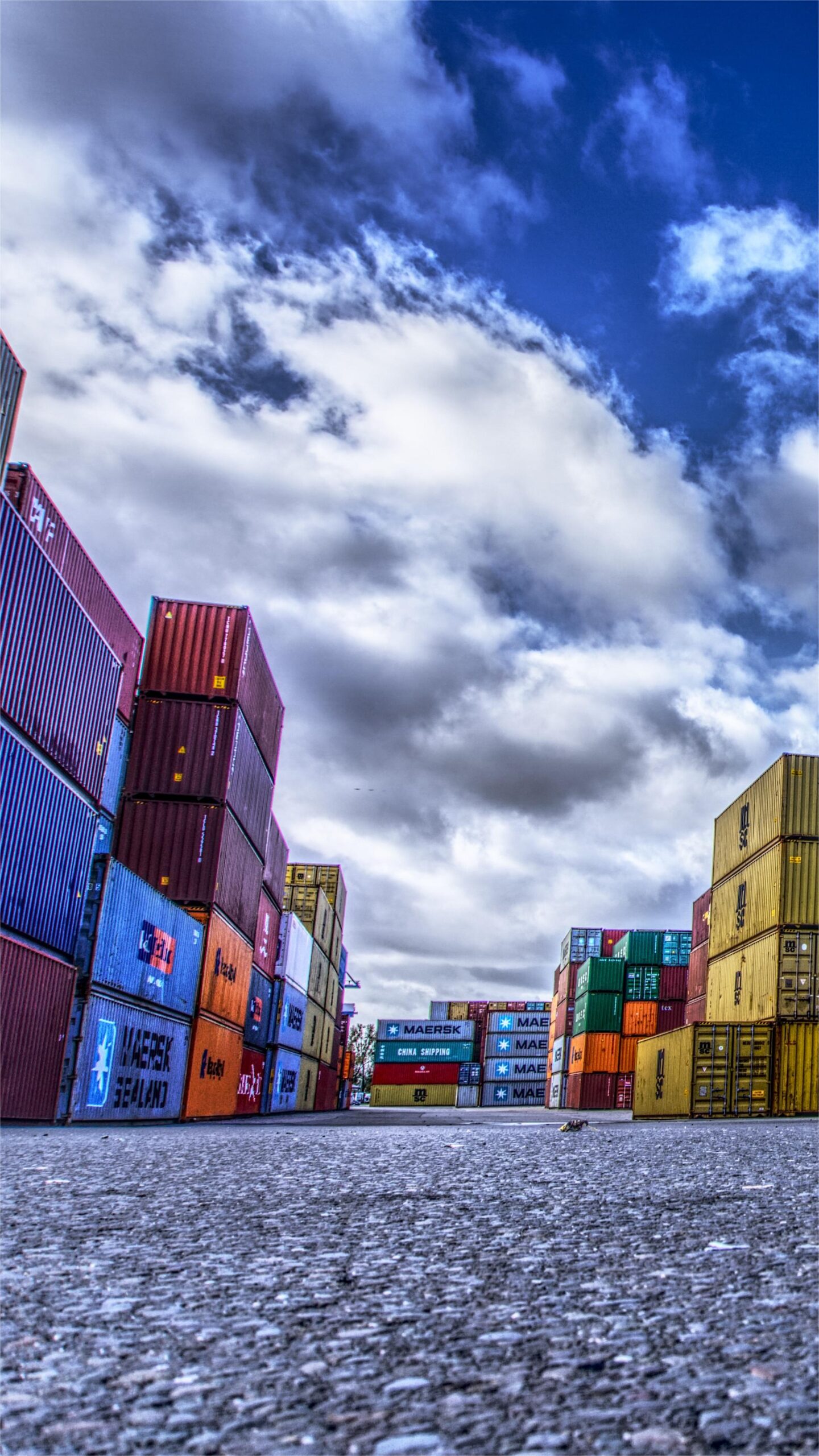
What is Flat Rack FCL Shipping for Auto Parts?
Flat rack containers are specialized shipping units designed for cargo that exceeds the dimensions of standard dry containers. These units lack side walls and a roof, which allows for easy loading of bulky items like engine blocks or chassis frames. Consequently, many importers choose this method for heavy machinery and out of gauge cargo logistics from China.
Specifically, sea freight remains the most cost-effective way to move these large components over long distances. Flat rack FCL means you are paying for the full use of the container space, ensuring your cargo is not mixed with other goods. This approach provides better security and control over the lashing and securing process for sensitive automotive parts.
Furthermore, flat rack units come in two main sizes: 20ft and 40ft versions. The 40ft option is most common for larger automotive assemblies that require significant length or width. Because these containers are specialized, their availability at ports like Shanghai or Ningbo can fluctuate based on seasonal demand.
How Much is the Flat Rack FCL Shipping Cost for Auto Parts from China to New York?
Determining the exact cost involves looking at several variables beyond the basic ocean freight rate. As of early 2025, a 40ft flat rack from China to New York typically ranges between $5,500 and $8,500. This price includes the base rate plus surcharges for the specialized equipment and the space it occupies on the vessel.
Moreover, out of gauge (OOG) cargo often incurs additional lost slot fees. These fees compensate the carrier for the space that cannot be used by other containers due to your cargo protruding. Therefore, the wider or taller your auto parts are, the higher the total landed cost will likely be.
Additionally, port handling charges for flat racks are higher than standard units. Specialized cranes and labor are required to secure the cargo and move the container onto the ship. You should also account for lashing and securing costs, which ensure the safety of your automotive supply chain solutions during transit.
| Container Type | Freight Range | Lost Slot Fees | Total Range |
|---|---|---|---|
| 20ft Flat Rack (In-Gauge) | $3,500 – $4,800 | None | $3,500 – $4,800 |
| 20ft Flat Rack (OOG) | $4,200 – $6,000 | $500 – $1,200 | $4,700 – $7,200 |
| 40ft Flat Rack (In-Gauge) | $5,000 – $7,000 | None | $5,000 – $7,000 |
| 40ft Flat Rack (OOG) | $6,500 – $9,500 | $1,000 – $2,500 | $7,500 – $12,000 |
How Does Flat Rack Compare to Other Shipping Options?
Choosing the right method depends on your budget, speed requirements, and the physical characteristics of your cargo. While flat racks are ideal for oversized parts, other methods like RORO or standard containers might be viable for different components. Shipping to North America offers various gateways that influence these choices.
For instance, RORO (Roll-on/Roll-off) is excellent for wheeled machinery but less flexible for crated engine parts. Standard 40HQ containers are cheaper if you can disassemble the parts to fit within the walls. However, the labor cost for disassembly and reassembly in New York might offset the savings in freight.
Meanwhile, air freight is significantly faster but prohibitively expensive for heavy automotive components. Most businesses only use air transport for urgent repairs or small, high-value electronics. Sea freight remains the backbone of the automotive industry due to its high volume capacity and lower per-unit cost.
| Method | Cost Range | Transit Time | Best For |
|---|---|---|---|
| Flat Rack FCL | $5,000 – $12,000 | 30-40 Days | Oversized/Heavy Parts |
| Standard FCL | $4,000 – $6,000 | 30-40 Days | Standard Pallets/Crates |
| RORO Shipping | $3,500 – $7,000 | 35-45 Days | Wheeled Vehicles/Chassis |
| Air Freight | $15,000 – $35,000 | 5-10 Days | Urgent/High-Value Parts |

Which Option Should You Choose?
Decision making should focus on the specific dimensions and weight of your shipment. If your auto parts exceed 2.3 meters in width or 2.5 meters in height, a flat rack is often the only viable sea freight option. Consequently, you must weigh the equipment surcharge against the necessity of the specialized container.
Budget-conscious shippers should prioritize standard containers if the parts can be safely dismantled. Conversely, if the integrity of the component depends on it remaining in one piece, the flat rack FCL shipping cost for auto parts from China to New York is a necessary investment. Always consider the total door-to-door cost rather than just the ocean freight.
Speed is another critical factor in your decision framework. If you are facing production line shutdowns in New York, the 35-day transit time of sea freight might be too slow. In such cases, a hybrid sea-air solution or expedited ocean service might bridge the gap between cost and urgency.
Key Factors Influencing Flat Rack Freight Rates
Market conditions in 2025 are influenced by global trade patterns and fuel price volatility. Specifically, the peak season from August to October often sees a 20% increase in rates due to higher demand for vessel space. Therefore, booking your flat rack at least 3-4 weeks in advance is highly recommended.
Port congestion in New York and New Jersey can also lead to increased costs through demurrage and detention fees. If the container cannot be picked up promptly after discharge, daily penalties can accumulate quickly. Managing your logistics trends effectively requires staying informed about East Coast labor negotiations and port throughput.
Lashing and securing are technical requirements that directly impact the price. Professional teams in China must use certified chains, straps, and timber to prevent movement during rough sea crossings. High-quality lashing ensures that your heavy machinery components arrive in New York without damage, avoiding costly insurance claims.
Real-World Case Studies for China to New York Routes
Case Study 1: Shanghai to New York Engine Block Shipment. Route: Shanghai, China to Port of New York. Cargo: 12 Industrial Engine Blocks, 22 CBM, 18,000 kg. Container: 40ft Flat Rack (In-Gauge). Shipping Details: Carrier: COSCO. Port of Loading: Shanghai. Port of Discharge: New York. Route Type: Direct via Panama Canal. Cost Breakdown: Ocean Freight: $5,800. Origin Charges: $450. Destination Charges: $600. Customs and Duties: $1,200. Total Landed Cost: $8,050. Timeline: Booking to Loading: 5 days. Sea Transit: 32 days. Customs Clearance: 3 days. Total Door-to-Door: 45 days. Key Insight: Choosing an in-gauge flat rack avoided lost slot fees and kept the budget manageable.
Case Study 2: Ningbo to New York Chassis Assembly. Route: Ningbo, China to Port of New Jersey. Cargo: 2 Oversized Chassis Assemblies, 35 CBM, 12,500 kg. Container: 40ft Flat Rack (Out of Gauge). Shipping Details: Carrier: Maersk. Port of Loading: Ningbo. Port of Discharge: New York. Route Type: Transshipment via Savannah. Cost Breakdown: Ocean Freight: $7,200. Lost Slot Fees: $1,800. Origin Charges: $550. Destination Charges: $750. Total Landed Cost: $10,300. Timeline: Booking to Loading: 8 days. Sea Transit: 38 days. Customs Clearance: 4 days. Total Door-to-Door: 55 days. Key Insight: The height of the chassis required OOG status, which significantly increased the ocean freight through lost slot surcharges.

Essential Documentation for Shipping Auto Parts to the USA
Navigating the legal requirements is just as important as the physical transport. You must provide an accurate Bill of Lading, Commercial Invoice, and Packing List to avoid delays at the border. Furthermore, using a professional customs brokerage service ensures that your HS codes are correctly classified for auto parts.
Specifically, the US Customs and Border Protection (CBP) requires an Importer Security Filing (ISF) at least 24 hours before the ship leaves China. Failure to file this document can lead to heavy fines and mandatory cargo inspections. Consequently, timely communication with your freight forwarder is vital for a smooth clearance process.
Additionally, certain automotive components may be subject to Environmental Protection Agency (EPA) or Department of Transportation (DOT) regulations. Ensure that all parts meet US safety and emission standards before they leave the factory. Proper documentation prevents the risk of your shipment being held or returned at the Port of New York.
| Document Name | Purpose | Required By | Timeline |
|---|---|---|---|
| Bill of Lading | Title of Goods | Carrier/Customs | At Shipment |
| Commercial Invoice | Value Declaration | Customs | At Shipment |
| ISF (10+2) | Security Screening | US Customs | 24h Before Loading |
| Packing List | Cargo Detail | Warehouse/Customs | At Shipment |
Cost-Saving Strategies for Automotive Logistics
Reducing your Flat Rack FCL shipping cost for auto parts from China to New York starts with optimized packing. By minimizing the dimensions of your cargo, you may be able to transition from an out of gauge shipment to an in-gauge one. This simple change can save thousands of dollars in lost slot fees.
Another effective strategy is to consolidate shipments where possible. If you have multiple smaller oversized parts, securing them onto a single 40ft flat rack is more economical than using two 20ft units. Moreover, negotiating annual contracts with freight forwarders can provide more stable rates during market fluctuations.
Finally, consider the timing of your bookings. Shipping during the off-peak months of February to April often results in lower equipment surcharges and better vessel availability. Strategic planning allows you to bypass the volatility of the spot market and maintain a more predictable logistics budget.
Final Thoughts on Shipping Auto Parts via Flat Rack
Calculating the Flat Rack FCL shipping cost for auto parts from China to New York requires a deep understanding of both freight rates and technical logistics. While the costs are higher than standard containers, the ability to transport oversized, high-value components safely makes it an indispensable tool for the automotive industry.
Indeed, by focusing on proper lashing, timely documentation, and strategic carrier selection, you can manage your expenses effectively. Remember that the cheapest rate is not always the best if it leads to cargo damage or significant port delays. Prioritize reliability and expertise to ensure your supply chain remains resilient in 2025.
Note: Freight rates are subject to change based on fuel costs, carrier capacity, and seasonal demand. Contact us for a current quote tailored to your specific shipment.

Ready to streamline your logistics?
Ready to optimize your automotive supply chain? Contact Top China Freight today for a customized quote on your Flat Rack FCL shipping cost for auto parts from China to New York. Our experts are standing by to ensure your oversized cargo reaches its destination safely and efficiently. See: https://Top China Freight.com/ for more details. Send Inquiry: Visit our contact page to get started.
Request Quote