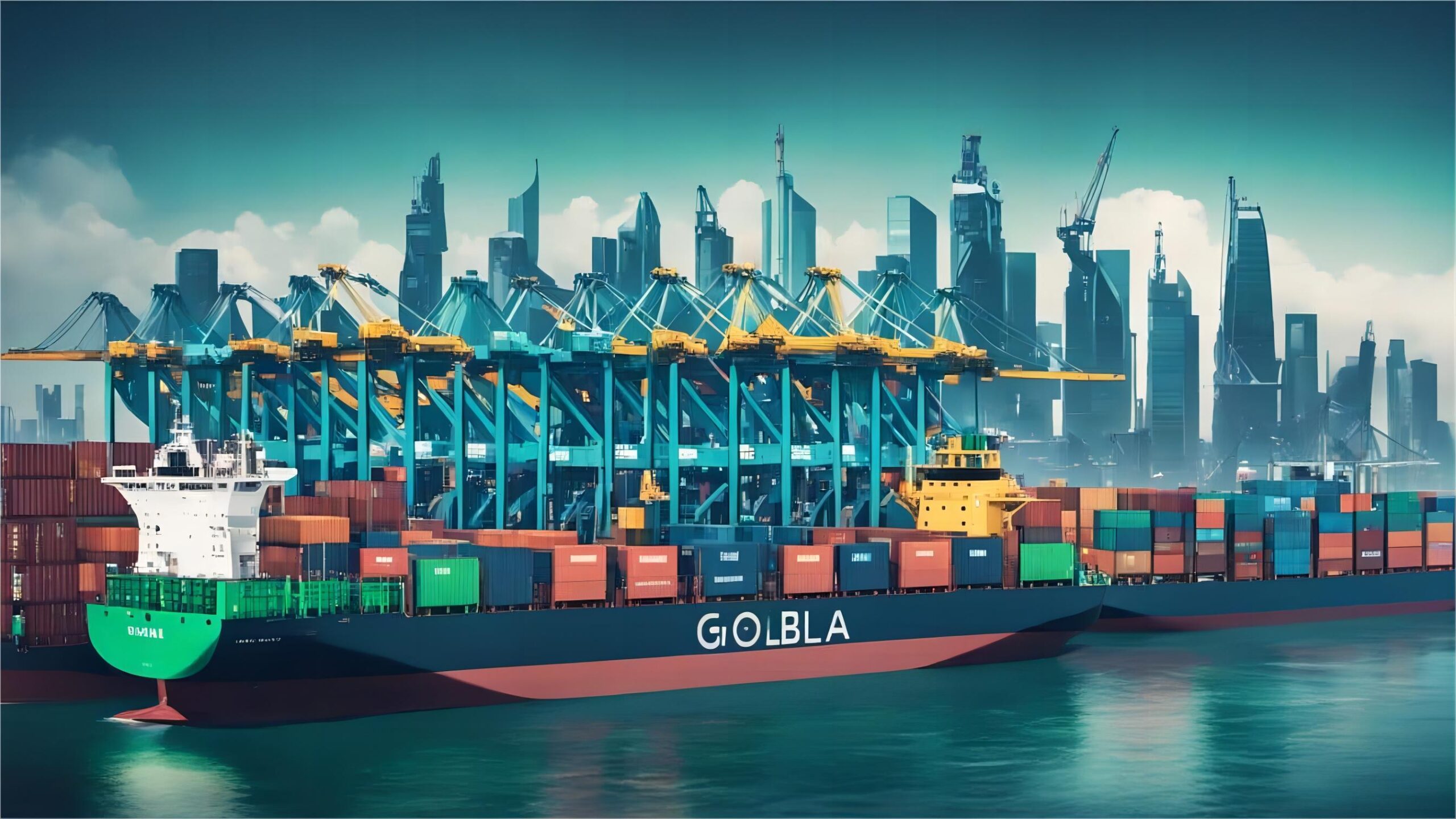
Flat Rack FCL space availability for medical equipment from China to New Jersey
Securing Flat Rack FCL space availability for medical equipment from China to New Jersey remains a top priority for healthcare providers and logistics managers. Finding reliable capacity for oversized diagnostic machines requires careful planning and a deep understanding of current ocean freight trends. By partnering with Top China Freight, importers can navigate the complexities of international supply chains while ensuring their critical medical devices arrive safely at New Jersey ports.

Understanding Flat Rack FCL space availability for medical equipment from China to New Jersey
Flat rack containers are essential for shipping heavy or out-of-gauge medical machinery like MRI units and X-ray systems. Unlike standard containers, flat racks lack side walls and a roof, allowing for easy top and side loading of sensitive equipment. Consequently, monitoring Flat Rack FCL space availability for medical equipment from China to New Jersey is vital for maintaining steady inventory levels in the United States.
Current market conditions suggest that space on major carrier vessels can fluctuate significantly based on seasonal demand and port congestion. Moreover, carriers often prioritize standard dry containers over specialized equipment because flat racks take up more deck space. Therefore, booking your sea freight several weeks in advance is highly recommended to guarantee a spot on the vessel.
Logistics managers must also consider the technical specifications of the cargo handling process at both the origin and destination. Specifically, the weight distribution and lashing points of medical devices must align with the flat rack’s structural integrity. Furthermore, choosing the right port in China, such as Shanghai or Shenzhen, can impact the overall transit time to the East Coast.
How Does Flat Rack FCL Compare to Other Shipping Options?
Choosing the right shipping method depends on your budget, timeline, and the physical dimensions of your medical cargo. While flat rack containers offer the best solution for oversized items, they are generally more expensive than standard FCL shipments. However, they provide much better protection and stability compared to Roll-on/Roll-off (RoRo) services for delicate electronic components.
In contrast, small medical parts or urgent replacement components are better suited for air freight services. Although air transport is significantly faster, the costs are often prohibitive for large-scale hospital equipment. Consequently, most importers prefer the balance of cost and capacity offered by ocean-bound flat racks.
The following table provides a detailed comparison of common shipping methods for the China to New Jersey route. This data helps logistics professionals make informed decisions based on current market rates and typical transit durations.
| Shipping Method | Cost Range | Transit Time | Best For |
|---|---|---|---|
| Flat Rack FCL | $5,500 – $8,500 | 30 – 35 Days | Oversized MRI/CT |
| Standard 40HQ | $4,500 – $6,000 | 28 – 32 Days | Small Devices |
| Air Freight | $15,000+ | 5 – 8 Days | Urgent Parts |
| LCL Shipping | $150 – $300/CBM | 35 – 40 Days | Small Batches |

Why Flat Rack FCL space availability for medical equipment from China to New Jersey is Tight
Several factors contribute to the limited availability of flat rack containers in the current global market. First, the production of specialized containers is much lower than that of standard 20-foot and 40-foot units. Additionally, the rapid expansion of the healthcare sector in North America has increased the demand for imported diagnostic technology.
Port congestion in New Jersey, particularly at Port Newark and Elizabeth, can also lead to equipment imbalances. When flat racks are not returned to the carrier’s depot quickly, it creates a shortage at the origin ports in China. Nevertheless, proactive planning and long-term contracts with freight forwarders can help mitigate these equipment shortages.
Weather patterns and geopolitical events also play a role in the delivery schedule of these shipments. For example, disruptions in major shipping lanes can force carriers to omit certain port calls, further reducing available slots. Consequently, staying informed about logistics trends is essential for any business importing medical equipment.
Navigating Customs and Documentation for Medical Gear
Importing medical equipment into the United States requires strict adherence to FDA regulations and CBP requirements. Failing to provide accurate documentation can result in costly delays or even the seizure of the cargo. Therefore, utilizing a professional customs brokerage service is often a prerequisite for a smooth entry process.
Key documents include the Commercial Invoice, Packing List, Bill of Lading, and the FDA Import Entry form. Additionally, you must provide proof of the manufacturer’s FDA registration and the specific device listing number. Indeed, having these files ready before the vessel arrives in New Jersey is the best way to ensure rapid clearance.
Customs officials may also require a physical inspection of the flat rack to verify the contents and safety of the lashing. Because medical equipment is high-value, the risk of theft or damage during inspection is a valid concern. As a result, ensuring the cargo is professionally crated and labeled is a critical step in the shipping process.
| Document Name | Purpose | Required By | Timing |
|---|---|---|---|
| Bill of Lading | Title to Goods | Carrier/CBP | At Loading |
| FDA Form 2891 | Device Listing | FDA | Pre-Arrival |
| Packing List | Cargo Details | Customs | At Loading |
| ISF (10+2) | Security Filing | CBP | 24hrs Pre-Sail |
Case Studies: Successful Flat Rack Deliveries to New Jersey
Examining real-world examples provides valuable insights into the costs and timelines associated with heavy equipment logistics. These cases illustrate how companies managed Flat Rack FCL space availability for medical equipment from China to New Jersey during peak periods. By analyzing these scenarios, you can better estimate your own landed costs and transit expectations.
Case Study 1: MRI Machine Transport Route: Shanghai, China to Newark, NJ Cargo: 1.5T MRI Scanner, 12 CBM, 4,500 kg Container: 40ft Flat Rack Shipping Details: – Carrier: Major Ocean Carrier – Port of Loading: Shanghai – Port of Discharge: Newark – Route Type: Direct via Panama Canal Cost Breakdown: – Ocean Freight: $7,200 – Origin Charges: $450 – Destination Charges: $600 – Customs & Duties: $1,200 – Total Landed Cost: $9,450 Timeline: – Booking to Loading: 10 days – Sea Transit: 32 days – Customs Clearance: 3 days – Total Door-to-Door: 45 days Key Insight: Early booking ensured equipment availability during the Q4 peak season.
Case Study 2: Laboratory Centrifuge Units Route: Shenzhen, China to Elizabeth, NJ Cargo: Industrial Centrifuges, 8 CBM, 3,200 kg Container: 20ft Flat Rack Shipping Details: – Carrier: Premium Trans-Pacific Service – Port of Loading: Yantian – Port of Discharge: Elizabeth – Route Type: Transshipment via Busan Cost Breakdown: – Ocean Freight: $5,800 – Origin Charges: $380 – Destination Charges: $550 – Customs & Duties: $900 – Total Landed Cost: $7,630 Timeline: – Booking to Loading: 7 days – Sea Transit: 38 days – Customs Clearance: 2 days – Total Door-to-Door: 47 days Key Insight: Transshipment was chosen to save $1,200 despite adding 5 days to the transit time.
Note: Freight rates are subject to change based on fuel costs, carrier capacity, and seasonal demand. Contact us for a current quote tailored to your specific shipment.

Strategies for Securing Space and Reducing Costs
To optimize your logistics budget, consider consolidating multiple smaller shipments into a single flat rack if dimensions allow. Moreover, choosing off-peak shipping windows can lead to significant savings on ocean freight rates. For instance, shipping in the weeks following the Lunar New Year often yields lower prices due to reduced demand.
Another effective strategy is to utilize door to door services that include inland drayage in both China and New Jersey. This approach simplifies the billing process and reduces the risk of hidden fees from multiple vendors. Furthermore, a single point of contact can provide better visibility into the delivery schedule.
Importers should also investigate the benefits of different New Jersey terminals to avoid the most congested areas. While Newark is the most common destination, smaller terminals may offer faster turnaround times for specialized cargo. Ultimately, flexibility in your routing can be the key to maintaining Flat Rack FCL space availability for medical equipment from China to New Jersey.
Final Thoughts on Flat Rack Logistics
Navigating the complexities of Flat Rack FCL space availability for medical equipment from China to New Jersey requires a combination of early planning, technical expertise, and reliable partnerships. By understanding the unique requirements of oversized medical cargo and staying informed about market trends, you can protect your supply chain from unexpected disruptions.
Whether you are shipping a single MRI machine or a full fleet of diagnostic tools, the right freight forwarder makes all the difference. Remember to prioritize compliance with FDA regulations and choose shipping methods that balance cost with the safety of your high-value equipment. With the right strategy, your medical imports will support the healthcare infrastructure of New Jersey for years to come.
Ready to streamline your logistics?
Ensure your critical medical equipment arrives on time and within budget. Contact Top China Freight today to secure your Flat Rack FCL space availability for medical equipment from China to New Jersey and receive a customized quote for your next shipment. Visit our website or send an inquiry to start your logistics partnership.
Request Quote