

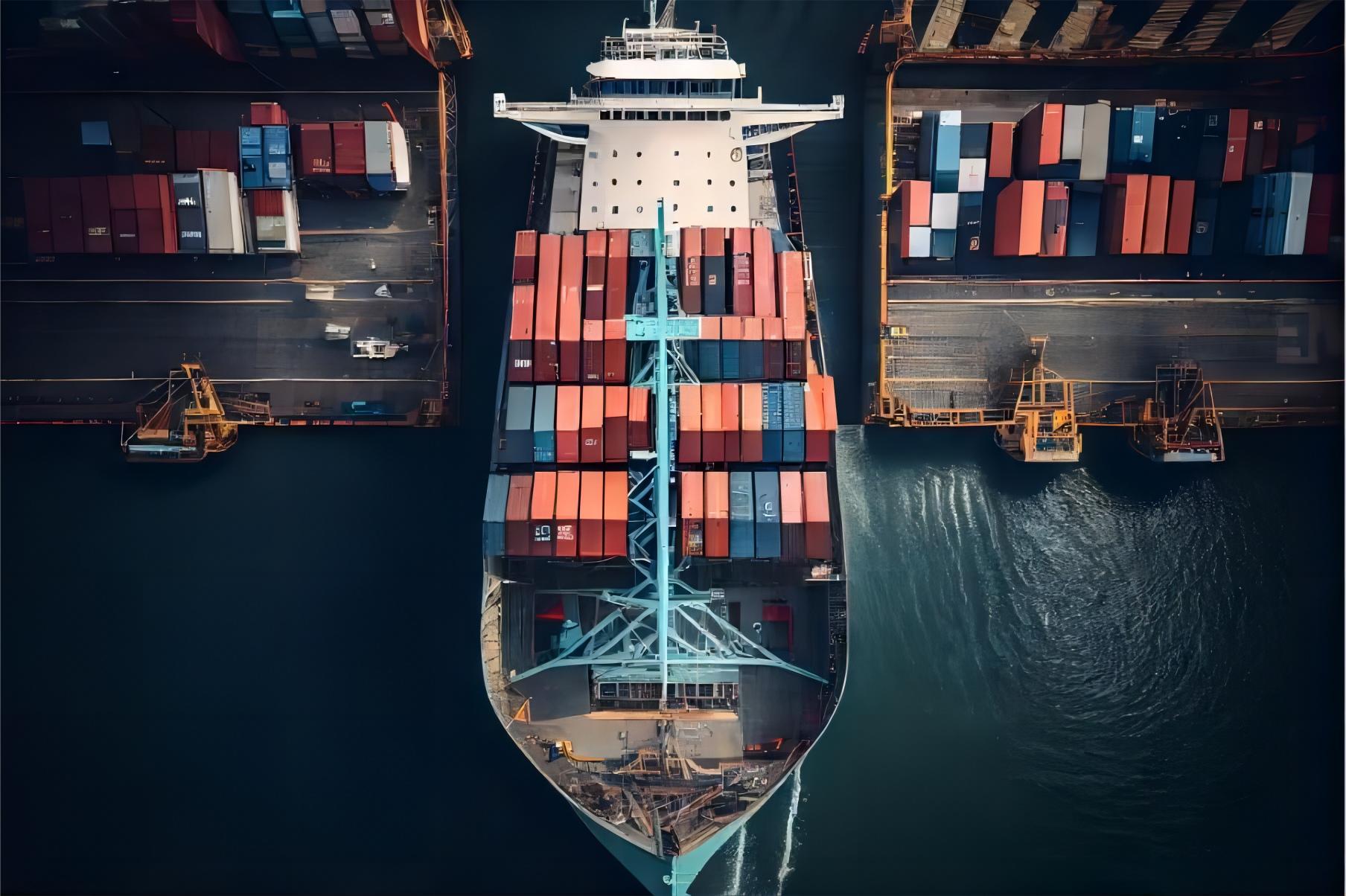
Flat Rack FCL Tracking for Solar Panels from China to Savannah
Shipping industrial solar equipment requires specialized knowledge and precise execution to ensure project timelines remain intact. Top China Freight provides the expertise needed to navigate the complexities of Flat Rack FCL tracking for solar panels from China to Savannah. This guide explores how to maintain visibility over your oversized cargo while optimizing your global supply chain for maximum efficiency.

What is Flat Rack FCL Tracking for Solar Panels from China to Savannah?
Visibility serves as the backbone of successful international logistics, especially when dealing with high-value renewable energy components. Flat Rack FCL tracking for solar panels from China to Savannah involves monitoring specialized containers that lack side walls or a roof. These units are essential for solar panels that exceed the dimensions of standard shipping containers.
Furthermore, the tracking process utilizes Automated Identification System (AIS) data and carrier-provided milestones to give real-time updates. Project managers rely on this information to coordinate inland transportation and installation teams at the destination. Consequently, having accurate data prevents costly delays and labor standby charges at the Port of Savannah.
Moreover, tracking systems today integrate directly with port authority databases to provide updates on customs clearance status. This level of transparency allows importers to manage their inventory levels more effectively during the long transpacific journey. Indeed, knowing exactly where your cargo is located reduces the stress associated with large-scale infrastructure investments.
Why is Flat Rack Essential for Solar Panel Logistics?
Standard shipping containers often prove inadequate for the bulky and fragile nature of industrial solar mounting systems and large-scale panels. Flat rack containers offer the unique ability to load cargo from the top or sides, which is critical for heavy lift items. Therefore, these specialized units are the preferred choice for many solar developers moving equipment from Chinese manufacturing hubs.
Additionally, flat racks are designed to handle concentrated weight loads that might damage the flooring of a standard dry van. This structural integrity ensures that your solar panels arrive in Savannah without structural warping or damage. Nevertheless, the open nature of these containers requires extra attention to protective packaging and securing techniques.
Specifically, heavy-duty tarping and specialized lashing are used to protect the sensitive glass surfaces of the panels from salt spray and weather. In contrast to standard FCL shipments, flat racks require more frequent inspections during the loading process. Accordingly, choosing the right equipment is the first step in a successful delivery schedule.
How Does Flat Rack FCL Tracking Compare to Other Shipping Options?
Deciding between different shipping methods requires a careful analysis of your project’s specific needs and budget. While sea freight is the standard for solar panels, the equipment type can vary significantly. Flat rack containers offer more flexibility than standard 40HQ units but come with a higher price tag due to their specialized nature.
For instance, using a standard container is cheaper, but it may require disassembling the solar equipment, which increases labor costs later. On the other hand, flat rack shipping allows for pre-assembled units to be moved as a single piece. To summarize the differences, look at the comparison table below which highlights the trade-offs between various logistics strategies.
Choosing the right method involves balancing the speed of delivery against the total landed cost of the equipment. For smaller components or urgent replacements, you might even consider express service to avoid project shutdowns. However, for the bulk of your solar array, the flat rack remains the gold standard for safety and capacity.
| Shipping Method | Cost Range | Transit Time | Best For |
|---|---|---|---|
| Flat Rack FCL | $4,800 – $6,500 | 30-35 Days | Oversized/Heavy Panels |
| Standard 40HQ | $3,500 – $5,000 | 32-38 Days | Standard Pallets |
| LCL Shipping | $180 – $350/CBM | 40-45 Days | Small Quantities |
| Sea-Air Hybrid | $8,000 – $12,000 | 15-20 Days | Urgent Components |

Key Factors Affecting Shipping Costs and Freight Rates
Market volatility in the shipping industry means that freight rates for the China to Savannah route can change weekly. Factors such as fuel surcharges, known as the Bunker Adjustment Factor (BAF), play a major role in the final invoice. Furthermore, seasonal demand spikes during the late summer months often lead to equipment shortages in major Chinese ports like Ningbo or Shanghai.
Additionally, the complexity of handling oversized cargo on a flat rack adds a premium to the base ocean freight rate. Carriers charge extra for the space lost on the vessel when a flat rack occupies more than its designated footprint. Consequently, it is vital to get a current quote that includes all potential surcharges and terminal handling charges (THC).
Indeed, working with a professional customs brokerage can help you identify potential savings in the tariff classification of your solar panels. Proper documentation can sometimes lead to lower duty rates under specific trade agreements. Therefore, cost-saving strategies should always include a thorough review of your paperwork before the ship leaves China.
Navigating Customs and Regulatory Requirements at Savannah
Importing solar panels into the United States involves navigating a complex web of trade policies and environmental regulations. The Port of Savannah is one of the busiest in North America, and its customs officials are very diligent regarding solar imports. For example, you must provide accurate certificates of origin and detailed commercial invoices to avoid lengthy inspections.
Meanwhile, staying updated on the latest Section 201 or 301 tariffs is essential for accurate budgeting. These duties can significantly impact the total cost of your solar project if not accounted for during the planning phase. In addition, using door to door services can streamline the transition from the port to your final job site.
Ultimately, the goal is to achieve a seamless flow of goods from the Chinese manufacturer to the Georgia installation site. Any error in the manifest or the tracking data can trigger a hold by Customs and Border Protection (CBP). Accordingly, maintaining clear communication with your freight forwarder is the best way to ensure a smooth arrival.
Managing Transit Times and Delivery Schedules
The voyage from China to the U.S. East Coast via the Panama Canal typically takes between 30 and 40 days. However, recent congestion at the canal or port delays in Savannah can extend this timeline by a week or more. Therefore, project managers should always build a 10-day buffer into their construction schedules to account for these variables.
Furthermore, the specific port of loading in China affects the total transit time significantly. Shipments from Southern China ports like Shenzhen often arrive slightly faster than those from Northern ports like Qingdao. Consequently, shipping from China to North America requires careful port selection based on current carrier schedules.
Moreover, tracking the vessel’s progress allows you to anticipate the exact day of arrival at the Savannah terminal. This information is crucial for scheduling the specialized trailers needed to move flat rack containers over the road. Indeed, the synchronization of sea and land logistics is what defines a professional solar supply chain operation.

Real-World Case Studies for Savannah Shipments
Case Study 1: Large Scale Utility Solar Farm. Route: Shanghai to Savannah. Cargo: 1,200 Solar Modules. Method: 15x 40ft Flat Rack Containers. Total Landed Cost: $115,000. Transit Time: 34 Days. Key Insight: Early booking during the off-peak season saved the client 15% on ocean freight.
Case Study 2: Industrial Rooftop Array. Route: Ningbo to Savannah. Cargo: Mounting Racks and Inverters. Method: 4x 40ft Flat Rack. Total Landed Cost: $38,000. Transit Time: 38 Days. Key Insight: Utilizing real-time tracking allowed the site team to prepare the crane exactly 24 hours before the cargo arrived at the site.
Case Study 3: Emergency Replacement Parts. Route: Shenzhen to Savannah. Cargo: High-Efficiency Solar Cells. Method: LCL Sea Freight. Total Landed Cost: $4,500. Transit Time: 42 Days. Key Insight: While slower, LCL provided a cost-effective solution for non-oversized backup components.
Which Option Should You Choose for Your Solar Project?
Budget priority dictates that you should opt for standard FCL whenever possible and only use flat racks for truly oversized pieces. If your panels can fit within the dimensions of a 40HQ container, you will save thousands of dollars in freight and handling fees. However, if the integrity of the equipment depends on avoiding disassembly, the flat rack is worth the investment.
Speed priority suggests looking for direct sailings that bypass multiple transshipment hubs in Southeast Asia or the Caribbean. While these direct routes cost more, they reduce the risk of cargo damage during handling at intermediate ports. For instance, a direct service to Savannah might save 5 days compared to a route that stops in Busan and Colon.
Cargo type considerations are the final deciding factor for most solar developers. Sensitive electronics like inverters should ideally be shipped in enclosed containers to protect them from humidity. In contrast, heavy steel mounting frames are perfectly suited for the robust nature of a flat rack container. To summarize, a hybrid approach often yields the best balance of cost and safety.
Future Trends in Renewable Energy Logistics
Logistics trends for 2025 suggest a move toward even greater digitalization in the tracking of renewable energy cargo. Carriers are investing in IoT sensors that can monitor the tilt and vibration of flat rack containers during the ocean crossing. This data is particularly valuable for solar panels, where micro-cracks can occur due to excessive movement.
Furthermore, the shift toward sustainable shipping fuels may lead to ‘green’ surcharges on transpacific routes. Importers will need to factor these environmental costs into their long-term project budgets as the industry moves toward carbon neutrality. Additionally, the expansion of the Port of Savannah’s capacity will likely reduce berthing delays for large container vessels.
Meanwhile, AI-driven predictive analytics are helping freight forwarders choose the most reliable routes based on historical weather patterns. This technology minimizes the risk of containers being lost at sea during heavy storms in the Pacific. Indeed, the future of solar logistics is one where data is just as important as the physical movement of the goods.
Final Thoughts on Solar Logistics to Savannah
Managing Flat Rack FCL tracking for solar panels from China to Savannah requires a combination of specialized equipment and advanced digital tools. By understanding the nuances of oversized cargo handling and the specifics of the Savannah port, you can significantly reduce your project risks. Remember that visibility is not just about knowing where the ship is, but about coordinating every step of the journey.
Furthermore, the choice between different shipping methods should always be guided by a clear understanding of your budget and timeline. Whether you choose flat racks for their flexibility or standard containers for their cost-savings, professional oversight is essential. Indeed, with the right partner, your transition to renewable energy can be smooth, efficient, and cost-effective.

Ready to streamline your logistics?
Ensure your solar project stays on track with expert logistics management. Contact Top China Freight today to receive a customized quote for Flat Rack FCL tracking for solar panels from China to Savannah. Our team is ready to optimize your supply chain and provide the visibility you need for a successful delivery. Send Inquiry to start your shipment now.
Request Quote