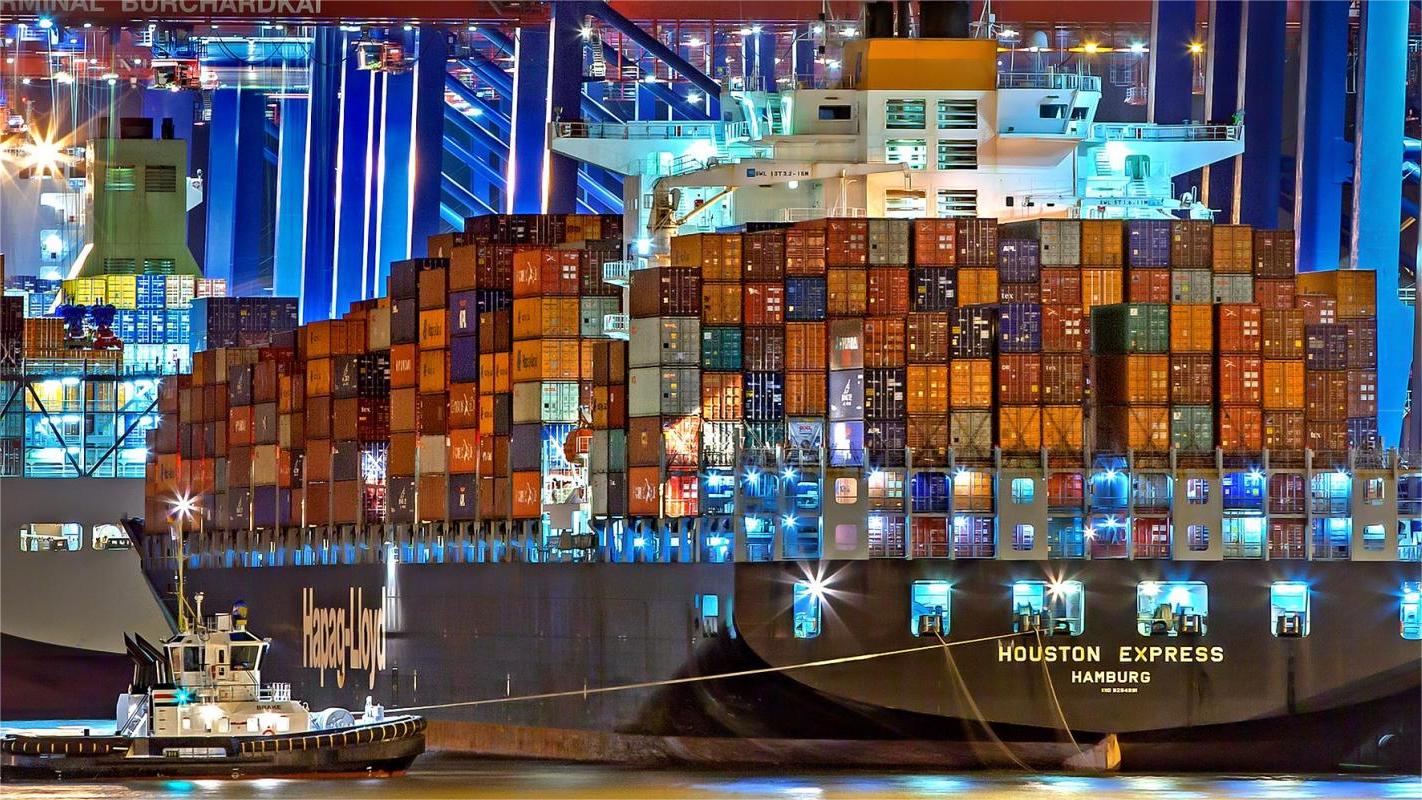
Flat Rack FCL Transit Time for Solar Panels from China to UK: 2025 Guide
Understanding the Flat Rack FCL transit time for solar panels from China to UK is essential for maintaining a lean renewable energy supply chain. Top China Freight provides comprehensive logistics solutions to ensure your photovoltaic modules arrive safely and on schedule. Consequently, businesses can plan their project timelines with greater precision and avoid costly installation delays at the destination site.
What is Flat Rack FCL Shipping for Solar Panels?
Flat rack containers are specialized shipping units designed for cargo that exceeds the dimensions of standard containers. Specifically, solar panel mounting structures or large-scale inverter units often require this type of equipment due to their width or height. Sea freight remains the most popular method for transporting these components because it balances cost and capacity effectively.
Moreover, flat rack FCL (Full Container Load) ensures that your specific cargo occupies the entire unit, reducing the risk of damage from other goods. This method is particularly useful for renewable energy projects that involve oversized components that cannot be loaded through standard container doors. Therefore, choosing the right container type is the first step in optimizing your international logistics strategy.
Consequently, shippers must account for the unique handling requirements of flat rack units during the planning phase. These containers lack side walls and sometimes roofs, which means cargo must be properly secured and weather-proofed. Indeed, professional lashing and bracing are mandatory to prevent shifting during the long journey across the ocean.
Average Flat Rack FCL Transit Time for Solar Panels from China to UK
The typical transit time for a flat rack container traveling from major Chinese ports to the United Kingdom ranges from 30 to 45 days. However, this duration can vary based on the specific port of loading and the final destination port in the UK. For example, shipments departing from Shenzhen or Guangzhou usually reach Felixstowe faster than those departing from inland or northern ports.
Additionally, the choice between direct routes and transshipment services significantly impacts the total duration. Direct sailings from Shanghai to Southampton are generally the fastest option for solar panel importers. Meanwhile, transshipment through hubs like Singapore or Colombo can add another 5 to 10 days to the total schedule.
Furthermore, seasonal demand and carrier capacity fluctuations play a major role in determining the actual arrival date. During peak seasons, port congestion in both China and the UK can lead to delays in berthing and unloading. As a result, many importers allow for a buffer of at least one week when scheduling their installation crews.
| Origin Port (China) | Destination Port (UK) | Direct Transit (Days) | Transshipment (Days) |
|---|---|---|---|
| Shanghai | Felixstowe | 32-35 | 40-45 |
| Shenzhen | Southampton | 30-33 | 38-42 |
| Ningbo | London Gateway | 34-37 | 42-47 |
| Qingdao | Liverpool | 38-42 | 45-52 |

How Does Flat Rack FCL Compare to Other Shipping Options?
Analyzing all viable alternatives is crucial for identifying the most efficient route for your solar equipment. While flat rack containers are ideal for oversized items, standard 40HQ containers are often more economical for standard-sized solar panels. In contrast, air freight offers unmatched speed but comes at a significantly higher price point that may not suit bulky renewable energy components.
Moreover, the rail freight option via the Silk Road has become a middle-ground alternative for some European routes. However, for the UK, this often involves a sea-leg or complex transshipment that can complicate the logistics of oversized flat rack cargo. Therefore, ocean freight remains the primary choice for large-scale solar project logistics.
Specifically, the cost-to-speed ratio of sea freight is difficult to beat for high-volume photovoltaic module shipments. For instance, shipping a 40HQ via sea might cost a fraction of the price of air freight while providing enough space for hundreds of panels. Consequently, most developers prioritize sea freight for their primary supply chain.
| Shipping Method | Cost Range | Transit Time | Best For | Limitations |
|---|---|---|---|---|
| Sea FCL (Flat Rack) | $3,500 – $5,500 | 30-45 Days | Oversized cargo | Slower transit |
| Sea FCL (Standard) | $3,000 – $4,200 | 30-38 Days | Standard panels | Size limits |
| Air Freight | $15,000 – $25,000 | 5-8 Days | Urgent spares | Very high cost |
| Sea-Air Hybrid | $7,000 – $9,000 | 18-22 Days | Urgent projects | Complex handling |
Factors Influencing Shipping Durations and Reliability
Several external factors can disrupt even the most carefully planned shipping schedule for solar panels. For example, weather conditions in the South China Sea or the North Atlantic can cause vessels to slow down or divert. Additionally, port labor strikes or equipment shortages in the UK can lead to significant backlogs upon arrival.
Furthermore, the efficiency of your customs brokerage service is vital for a smooth transition from sea to land. Incorrect documentation or missing certificates of origin can result in cargo being held at the port for days or even weeks. Therefore, working with an experienced logistics partner who understands UK import regulations is essential.
Market data suggests that Q4 is often the most volatile period for transit times due to the holiday rush and winter weather. During this time, freight rates typically increase by 15-25% as capacity tightens across all major carriers. To summarize, early booking and proactive communication with your freight forwarder are the best defenses against these variables.
Cost Analysis of Flat Rack Shipping for Solar Projects
Pricing for flat rack containers is generally higher than standard units due to their specialized nature and the potential for ‘lost slots’ on the vessel. Specifically, if your cargo is over-width or over-height, it may prevent other containers from being loaded adjacent to it. Consequently, carriers charge a premium to compensate for this lost space.
Indeed, the total landed cost involves more than just the ocean freight rate. Importers must also account for terminal handling charges, documentation fees, and inland haulage from the UK port to the final site. Our door to door service simplifies this process by providing a single, all-inclusive quote for the entire journey.
Note: Freight rates are subject to change based on fuel costs, carrier capacity, and seasonal demand. Contact us for a current quote tailored to your specific shipment. Market intelligence indicates that rates from China to Europe have stabilized in early 2025 after previous disruptions.

Real-World Case Studies of Solar Panel Shipments
Case Study 1: Large Scale Solar Farm Project in Kent. +———————————————————+ | Route: Shanghai, China to Felixstowe, UK | Cargo: Solar Mounting Frames, 45 CBM, 12,000 kg | Container: 40ft Flat Rack | Shipping Details: | – Carrier: COSCO | – Port of Loading: Shanghai | – Port of Discharge: Felixstowe | – Route Type: Direct | Cost Breakdown: | – Ocean Freight: $4,200 | – Origin Charges: $450 | – Destination Charges: $600 | – Customs and Duties: $1,200 | – Total Landed Cost: $6,450 | Timeline: | – Booking to Loading: 5 days | – Sea Transit: 33 days | – Customs Clearance: 2 days | – Total Door-to-Door: 40 days | Key Insight: Direct routing saved 8 days compared to transshipment. +———————————————————+
Case Study 2: Industrial Inverter Upgrade in Manchester. +———————————————————+ | Route: Shenzhen, China to Liverpool, UK | Cargo: Industrial Solar Inverters, 28 CBM, 8,500 kg | Container: 20ft Flat Rack | Shipping Details: | – Carrier: Maersk | – Port of Loading: Shenzhen | – Port of Discharge: Liverpool | – Route Type: Transshipment via Singapore | Cost Breakdown: | – Ocean Freight: $3,100 | – Origin Charges: $400 | – Destination Charges: $550 | – Customs and Duties: $950 | – Total Landed Cost: $5,000 | Timeline: | – Booking to Loading: 7 days | – Sea Transit: 42 days | – Customs Clearance: 3 days | – Total Door-to-Door: 52 days | Key Insight: Transshipment was more economical but added 10 days. +———————————————————+
Which Shipping Option Should You Choose for Your UK Project?
Deciding on the best shipping method requires a careful evaluation of your budget, timeline, and cargo dimensions. If your solar panels are standard sizes and you have a flexible schedule, standard sea FCL is almost always the best choice. However, for oversized components or urgent project deadlines, flat rack containers or hybrid solutions may be necessary.
Specifically, consider the following decision framework: For budget priority, choose standard sea freight with a 40-day lead time. For speed priority, investigate air freight or sea-air combinations. For oversized cargo that cannot fit in a standard box, the flat rack FCL is your primary requirement.
Moreover, shipping to Europe and the UK involves navigating specific environmental and safety standards. Ensure all components have the necessary UKCA or CE markings to avoid delays during the customs inspection process. In contrast, failing to prepare this documentation can lead to the total rejection of the shipment at the border.
Final Thoughts on Solar Logistics
Successfully managing the Flat Rack FCL transit time for solar panels from China to UK requires a combination of early planning and expert execution. By understanding the typical 30 to 45-day window, importers can better coordinate their on-site resources and installation schedules.
Furthermore, choosing the right container type and routing can lead to significant cost savings and reduced risk. Whether you are shipping standard modules or oversized mounting structures, the right logistics partner makes all the difference. To summarize, stay proactive, monitor market trends, and always verify your documentation before the vessel leaves the port.
Ready to streamline your logistics?
Ready to optimize your renewable energy supply chain? Contact Top China Freight today for a customized quote on your Flat Rack FCL transit time for solar panels from China to UK. Our team of experts is standing by to ensure your cargo arrives safely and efficiently. Send Inquiry
Request Quote