

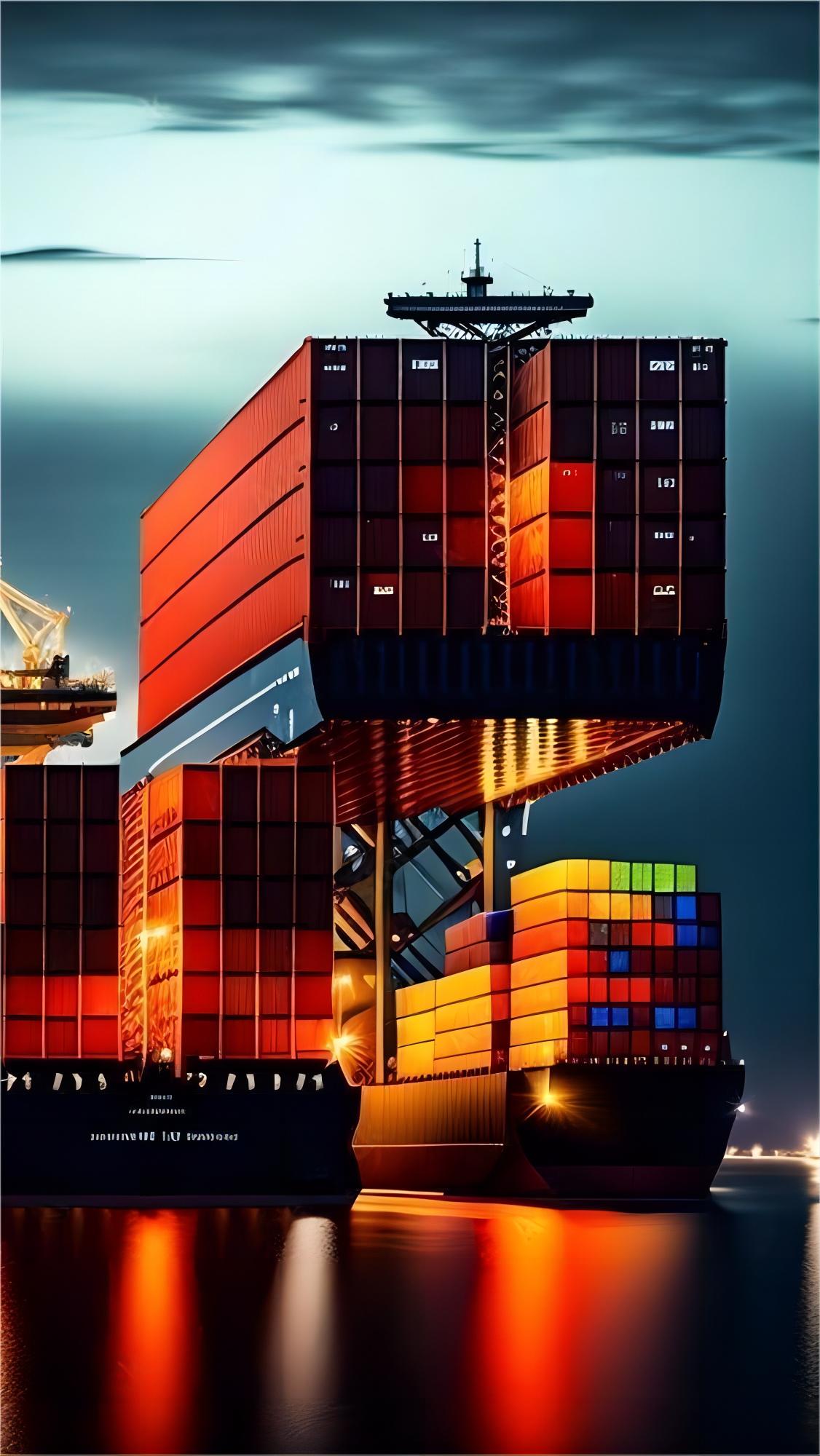
Food Products Sea Freight China to USA: The Ultimate Logistics Guide
Navigating the complexities of food products sea freight china to usa requires careful planning and expert knowledge of international trade regulations. Many businesses struggle with the strict FDA requirements and logistics hurdles involved in transpacific shipping. However, choosing the right partner like Top China Freight ensures your perishable or shelf-stable goods arrive safely and on time.
Why Choose Food Products Sea Freight China to USA for Your Business?
Sea freight remains the most economical method for transporting large volumes of food products across the Pacific Ocean. Consequently, businesses can maintain higher profit margins by reducing their per-unit logistics costs. Furthermore, modern ocean carriers offer specialized equipment such as refrigerated containers for sensitive items.
Ocean transport provides the necessary capacity for bulk shipments that would be prohibitively expensive by air. In addition, the stability of large container ships reduces the risk of damage for fragile packaging. Therefore, most importers prefer this method for non-urgent food supplies and shelf-stable inventory.

Choosing sea freight allows for flexible scheduling with multiple weekly departures from major Chinese ports. Moreover, the extensive infrastructure at USA ports like Long Beach and Savannah ensures efficient handling of food-grade cargo. As a result, your supply chain remains consistent even during peak seasons.
How Does Food Products Sea Freight China to USA Compare to Other Shipping Options?
Evaluating different shipping methods is essential for optimizing your logistics strategy and budget. While sea freight is the standard for volume, other options might suit urgent needs or smaller samples. Specifically, you must balance the trade-off between speed and cost when selecting a carrier.
Air freight offers rapid delivery but comes with significantly higher price tags that can eat into food margins. On the other hand, express services are ideal for sending product samples to potential buyers or testing new markets. For most commercial food imports, the cost-to-volume ratio of sea freight is unbeatable.
Note: Freight rates are subject to change based on fuel costs, carrier capacity, and seasonal demand. Contact us for a current quote tailored to your specific shipment.
| Shipping Method | Cost Range | Transit Time | Best For |
|---|---|---|---|
| Sea Freight (FCL) | $2,500 – $4,500 | 18 – 35 Days | Bulk commercial orders |
| Sea Freight (LCL) | $50 – $150/CBM | 25 – 40 Days | Small business inventory |
| Air Freight | $5 – $12/kg | 5 – 10 Days | High-value perishables |
| Express Service | $8 – $15/kg | 3 – 6 Days | Urgent product samples |
Navigating FDA Regulations and Customs Clearance
Importing food into the USA involves strict oversight from the Food and Drug Administration (FDA). Consequently, you must ensure all products meet safety standards and labeling requirements before they leave China. Failure to comply can lead to costly delays or the total destruction of your cargo.
Working with a professional customs brokerage service is vital for managing the complex paperwork. For example, you must submit a Prior Notice to the FDA for every food shipment entering the country. Additionally, the manufacturer in China must be registered with the FDA to avoid immediate rejection at the port.
Proper documentation includes the Bill of Lading, Commercial Invoice, and Phytosanitary Certificates where applicable. Moreover, certain food items may require additional inspections by the USDA or Customs and Border Protection. Therefore, preparing these documents well in advance of the ship’s arrival is a critical step.
Temperature-Controlled Shipping: Reefer Containers
Perishable food items require precise temperature management throughout the entire journey from China to the USA. Specialized refrigerated containers, known as reefers, maintain specific cooling or freezing levels to prevent spoilage. As a result, items like frozen seafood or fresh produce arrive in optimal condition.
Monitoring these containers is essential because even a small temperature fluctuation can ruin an entire shipment. Furthermore, carriers provide power points on ships and at terminals to keep the cooling units running. Consequently, you should choose a logistics provider with experience in cold chain management.
In addition to temperature, some food products require humidity control or specific ventilation settings. For instance, certain fruits and vegetables release gases that must be vented to prevent premature ripening. To illustrate, professional handling ensures that your food products sea freight china to usa remains fresh and marketable.
Transit Times and Port Options for USA Deliveries
Shipping times vary significantly depending on whether you are targeting the West Coast or the East Coast. Typically, shipments to Los Angeles or Long Beach are the fastest, taking approximately 14 to 20 days. Conversely, shipping to New York or Savannah via the Panama Canal can take 30 to 40 days.
Selecting the right port of entry can save you both time and money on inland transportation. For example, if your warehouse is in the Midwest, a West Coast port with rail connectivity might be the best choice. Alternatively, door to door services can simplify the entire process by managing the final mile delivery.
Transit schedules also depend on the port of loading in China, such as Shanghai, Ningbo, or Shenzhen. Indeed, major hubs often have more frequent sailings and more competitive rates due to high volume. Accordingly, planning your production around these sailing schedules can optimize your supply chain efficiency.
| China Port | USA Port | Transit (Days) | Route Type |
|---|---|---|---|
| Shanghai | Los Angeles | 16 – 18 | Direct |
| Shenzhen | New York | 32 – 35 | Via Panama Canal |
| Ningbo | Savannah | 30 – 33 | Via Panama Canal |
| Qingdao | Seattle | 18 – 22 | Direct |
Which Option Should You Choose? Decision Framework
Choosing the right shipping strategy depends on your specific business priorities and the nature of your food products. If your primary goal is cost reduction for shelf-stable goods, FCL sea freight is usually the winner. However, if you are shipping small batches of specialty items, LCL might be more appropriate.
For those selling on e-commerce platforms, Amazon FBA shipping services can streamline the transition from port to warehouse. Furthermore, businesses with high-value perishables should consider air freight despite the higher costs. Consequently, you must weigh the shelf life of your product against the transit time of the vessel.
Market data suggests that hybrid solutions can also be effective for certain supply chains. For instance, you might use sea freight for your main stock and air freight for emergency replenishment. To summarize, a balanced approach often provides the best resilience against market fluctuations and port congestion.
Real-World Case Studies: Shipping Success Stories
Case Study 1: Canned Vegetable Export. Route: Ningbo, China to Long Beach, USA. Cargo: Canned sweet corn, 28 CBM, 22,000 kg. Container: 20GP. Shipping Details: Direct service via major carrier. Cost Breakdown: Ocean Freight $2,200, Origin Charges $450, Destination Charges $600, Customs $300. Total Landed Cost: $3,550. Timeline: 18 days transit, 4 days clearance. Key Insight: Early FDA Prior Notice submission prevented port storage fees.
Case Study 2: Frozen Seafood Logistics. Route: Qingdao, China to Newark, USA. Cargo: Frozen tilapia fillets, 65 CBM, 18,500 kg. Container: 40HQ Reefer. Shipping Details: Transshipment via Busan. Cost Breakdown: Ocean Freight $5,800, Reefer Surcharge $1,200, Customs $500. Total Landed Cost: $7,500. Timeline: 35 days door-to-door. Key Insight: Continuous temperature monitoring ensured zero product loss during the long transit.
Based on Q3 2024 market rates, these examples reflect typical costs for food products sea freight china to usa. Note: Freight rates are subject to change based on fuel costs, carrier capacity, and seasonal demand. Contact us for a current quote tailored to your specific shipment.
Final Thoughts on Shipping Food from China
Successfully managing food products sea freight china to usa requires a deep understanding of both logistics and international law. By prioritizing proper documentation and choosing the right container types, you can ensure your goods reach the American market safely. Moreover, partnering with an experienced freight forwarder mitigates the risks of delays and regulatory fines.
As market conditions evolve in 2025, staying informed about freight trends and port capacities will remain essential for competitive pricing. Whether you are shipping bulk grains or delicate frozen items, sea freight remains the backbone of the global food trade. Start planning your next shipment today to secure the best rates and reliable transit times.
Ready to streamline your logistics?
Ready to streamline your food imports? Contact Top China Freight today for a customized quote on food products sea freight china to usa and let our experts handle your logistics. Visit our website or send an inquiry to get started with professional shipping solutions.
Request Quote