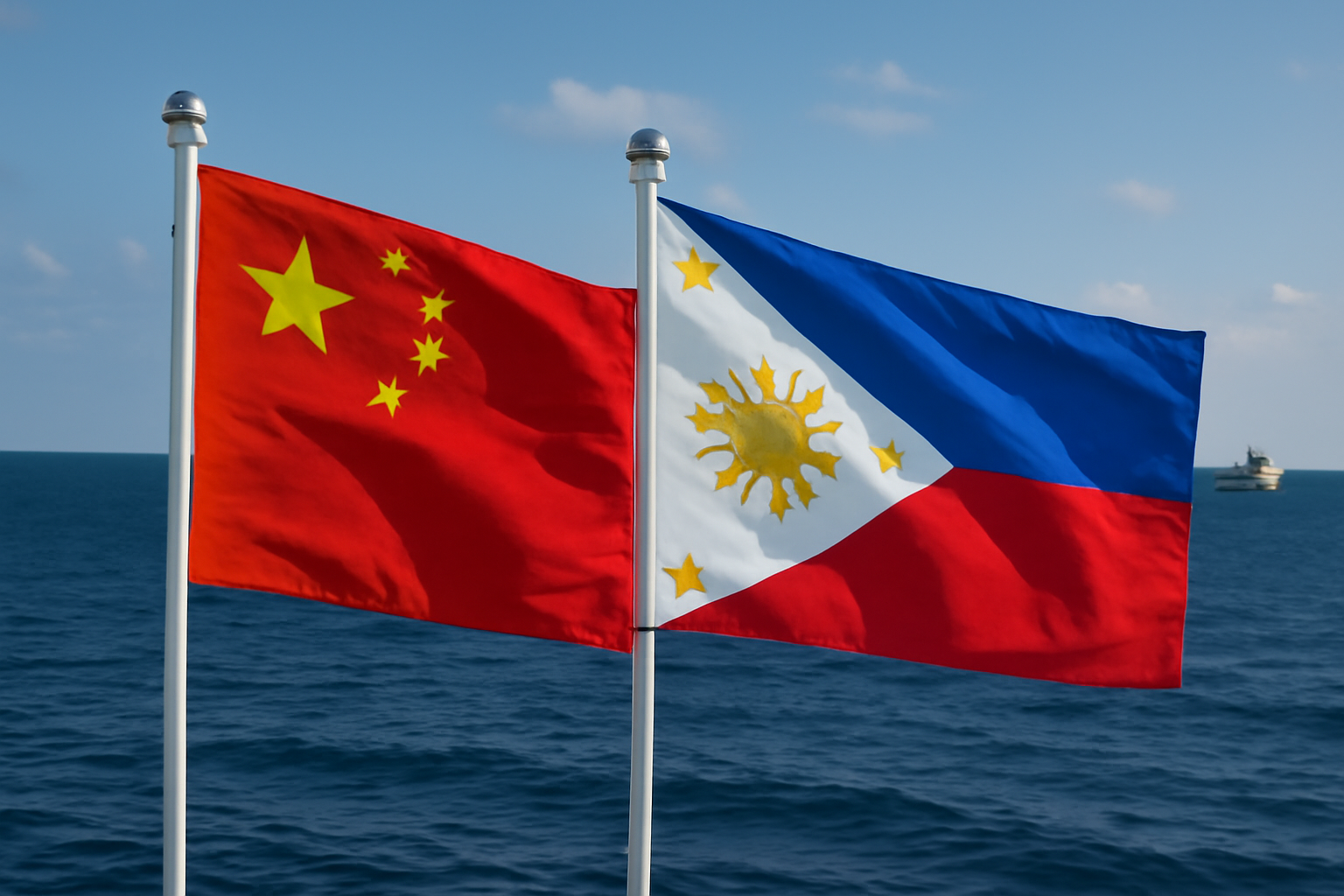

Finding the right freight forwarder from China to Philippines is vital for businesses that rely on efficient supply chains. Importers face challenges such as high shipping costs, customs clearance, and fluctuating transit times. However, working with an experienced freight partner ensures cargo moves safely, quickly, and at a reasonable rate.
What Does a Freight Forwarder from China to Philippines Do?
A freight forwarder coordinates the movement of goods between China and the Philippines, covering documentation, booking space, arranging carriers, and handling customs. Moreover, forwarders offer door-to-door, port-to-port, or airport-to-airport services tailored to each client’s needs.
How Much Does Shipping from China to the Philippines Cost?
Shipping costs vary depending on the transport mode, container size, and final destination. Below is an overview:
Shipping Mode
20GP (USD)
40GP (USD)
40HQ (USD)
Transit Time
Sea Freight FCL
$1,150
$2,200
$2,250
10–14 days
Sea Freight LCL
$55–$80 per CBM
N/A
N/A
12–16 days
Air Freight
$4.5–$7.5 per kg
N/A
N/A
2–5 days
Express Courier
$6–$10 per kg
N/A
N/A
3–7 days
Rates are indicative and fluctuate depending on season and carrier availability.
What Are the Shipping Options from China to Philippines?
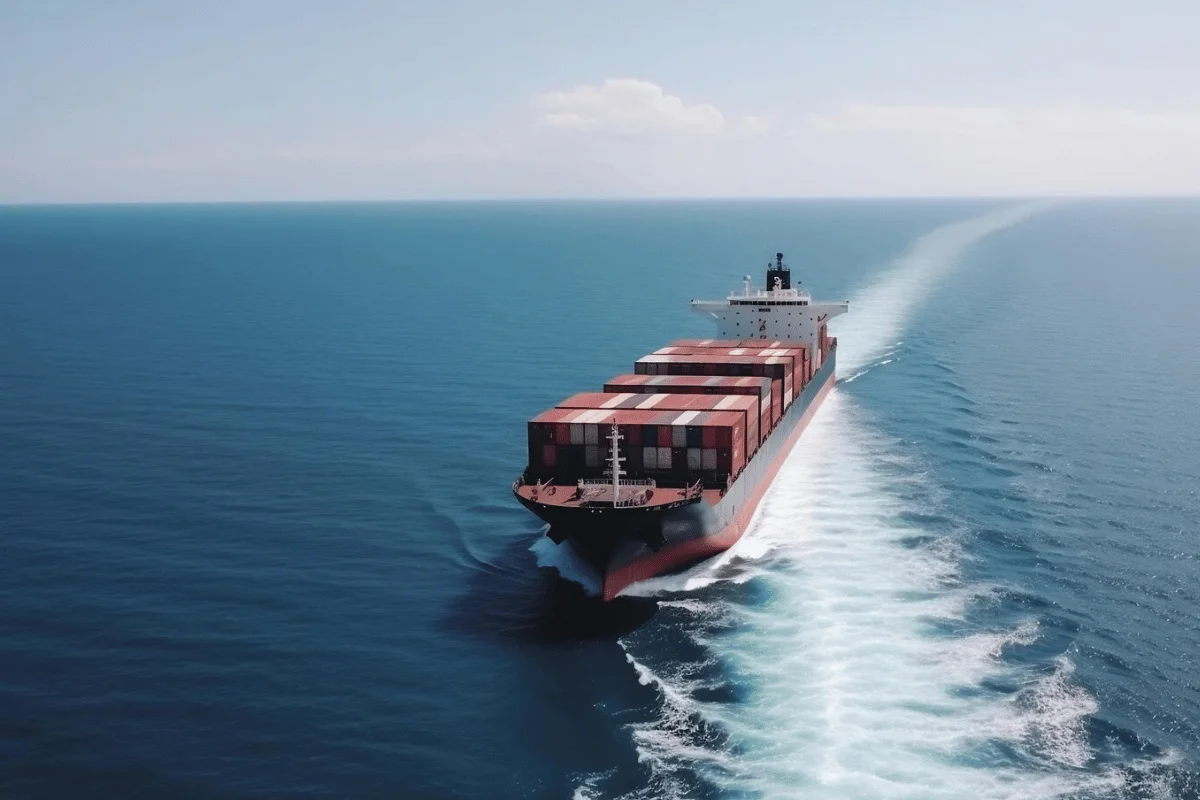
📍Best for bulk goods, machinery, and large cargo.
📍Offers both FCL (Full Container Load) and LCL (Less than Container Load).
📍Cost-efficient for heavy shipments.
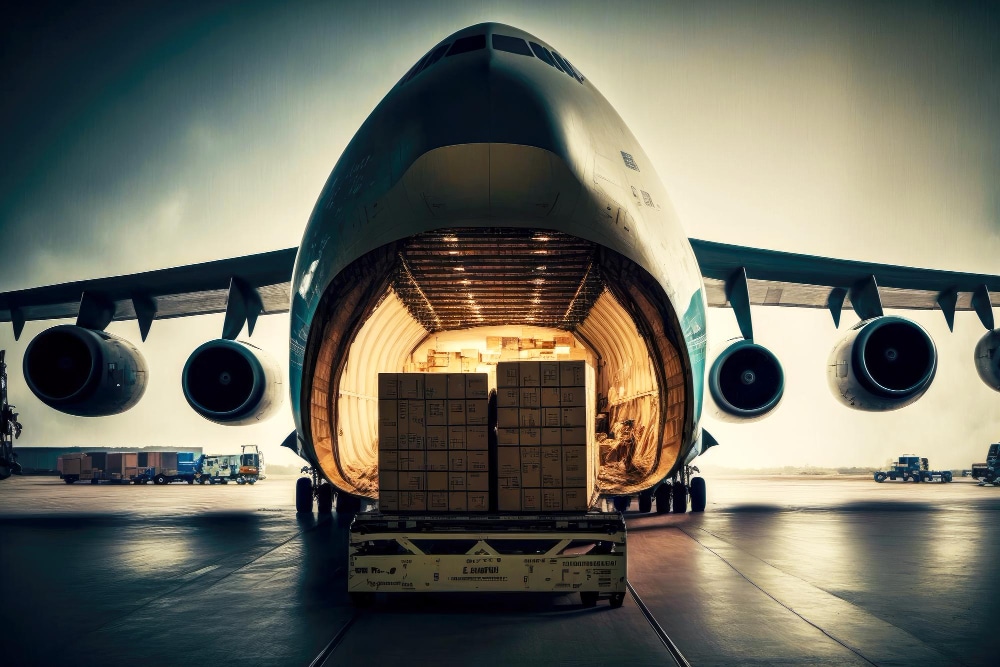
📍Suitable for electronics, garments, and high-value goods.
📍Fast but relatively expensive.
📍Ideal for small parcels and e-commerce orders.
📍Reliable tracking and door-to-door delivery.
How Long Does Freight Take from China to Philippines?
Transit times depend on route and mode:
Origin Port (China)
Destination Port (Philippines)
Sea Freight (Days)
Air Freight (Days)
Shenzhen
Manila
10–12
2–3
Shanghai
Cebu
12–14
2–4
Ningbo
Davao
13–15
3–5
What Documents Are Required for Customs Clearance?
Without proper paperwork, cargo faces clearance delays. A freight forwarder ensures compliance with Philippine customs:
Document
Purpose
Bill of Lading / Air Waybill
Proof of shipment
Commercial Invoice
Declares value of goods
Packing List
Lists items and weight
Import Permit (if needed)
For regulated items
Certificate of Origin
Validates source country
Case Studies of Freight Forwarding from China to Philippines
Case 1: Electronics Shipment
Route: Shenzhen → Manila
Cargo: 40HQ of smartphones
Mode: Sea Freight FCL
Cost: $2,250
Transit Time: 12 days
Outcome: Client reduced per-unit logistics cost by 25% compared to air freight.
Case 2: Garment Air Freight
Route: Guangzhou → Cebu
Cargo: 1,200 kg clothing
Mode: Air Freight
Cost: $6,800
Transit Time: 3 days
Outcome: Fast delivery allowed retailer to meet peak holiday demand.
Yes. A freight forwarder negotiates bulk rates with carriers, consolidates shipments, and advises on the most cost-effective Incoterms. For example, choosing FOB instead of CIF gives buyers greater control over freight charges.
Should You Use Door-to-Door Shipping?
Door-to-door services simplify logistics by including pickup, customs, and final delivery. Although slightly more expensive, this method is ideal for businesses without an in-house logistics team.
How to Choose the Best Freight Forwarder from China to Philippines?
Experience: Years of handling China–Philippines routes.
Network: Partnerships with major carriers and customs agents.
Transparency: Clear rate structures and tracking.
Support: 24/7 customer service and documentation assistance.
Conclusion
A freight forwarder from China to Philippines is not just a logistics provider but a strategic partner. They manage shipping costs, reduce transit times, and simplify customs clearance. By choosing a forwarder with strong carrier networks, transparent pricing, and tailored solutions, businesses can streamline imports, cut expenses, and ensure reliable supply chains.
Consult TJ China Freight Forwarding for the lowest quote. They will provide you with reliable, cost-effective service.