Many importers ask the same question: how much does it cost to ship from China to Canada? Costs depend on transport mode, cargo size, and customs requirements. Additionally, seasonal demand, fuel surcharges, and Incoterms affect final freight rates. This guide explains methods, costs, delivery schedules, and real case studies to help you plan smarter.
What Factors Influence Shipping Costs from China to Canada?
Several elements determine rates:
Shipping method: sea, air, courier, or rail
Container size or cargo weight
Destination port or airport in Canada
Customs duties, VAT, and handling fees
Peak season surcharges and fuel costs
Although rates vary, proper planning ensures predictable shipping budgets.
How Much Does Sea Freight Cost from China to Canada?
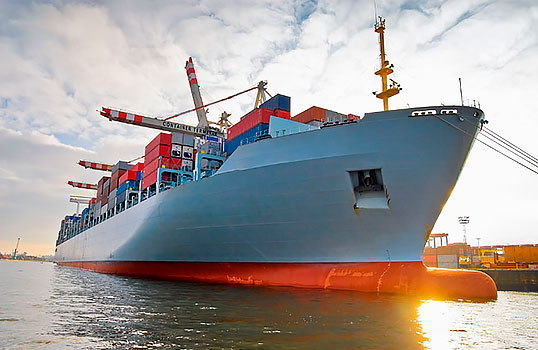
Sea freight is the most cost-effective option for bulk cargo.
Container Size
China → Vancouver (USD)
China → Toronto (USD)
China → Montreal (USD)
20GP
$2,600–$2,900
$2,900–$3,300
$3,000–$3,400
40GP
$5,100–$5,600
$5,400–$6,000
$5,500–$6,100
40HQ
$5,400–$5,900
$5,700–$6,300
$5,800–$6,400
📌Sea freight offers the lowest per-unit cost, especially for full container loads.
📌FCL suits large importers, while LCL works for SMEs needing flexibility.
How Do Incoterms Affect Shipping Costs from China to Canada?
FOB (Free on Board): Buyer pays freight after goods loaded
CIF (Cost, Insurance & Freight): Seller covers freight and insurance
DDP (Delivered Duty Paid): Seller pays duties and taxes, higher total but smooth for buyers
What Are the Pros and Cons of Freight Modes from China to Canada?
Mode
Pros
Cons
Sea Freight
Cheapest for bulk, large capacity
Longest transit time
Air Freight
Fast and reliable
Expensive, weight restrictions
Courier
Door-to-door, easy customs
Costly for large shipments
Rail Freight*
Balanced cost and time (via US)
Indirect, limited coverage
📍Rail freight typically connects via the USA, not directly into Canada.
Conclusion
In summary, how much does it cost to ship from China to Canada depends on shipping mode, cargo size, and delivery urgency. Sea freight remains the cheapest for large loads, air freight provides speed, and courier services handle smaller parcels efficiently. Moreover, SMEs benefit from consolidation and forwarder-negotiated rates. By comparing options and planning ahead, importers gain predictable and cost-effective logistics from China to Canada.
Consult TJ China Freight Forwarding for the lowest quote. They will provide you with reliable, cost-effective service.