Every importer asks the same question: how much to ship from China? Costs vary by mode, container size, and destination. Moreover, factors like customs, Incoterms, and seasonal demand affect the final bill. This guide explains shipping methods, container pricing, transit times, documents, and real case studies.
What Determines How Much to Ship from China?
Several variables influence shipping prices:
Mode of transport (sea, air, rail, courier)
Container size or cargo weight
Distance to destination
Customs duties and VAT
Seasonal demand and fuel surcharges
These components make international trade complex, yet careful planning reduces surprises.
How Much Does Sea Freight Cost from China?
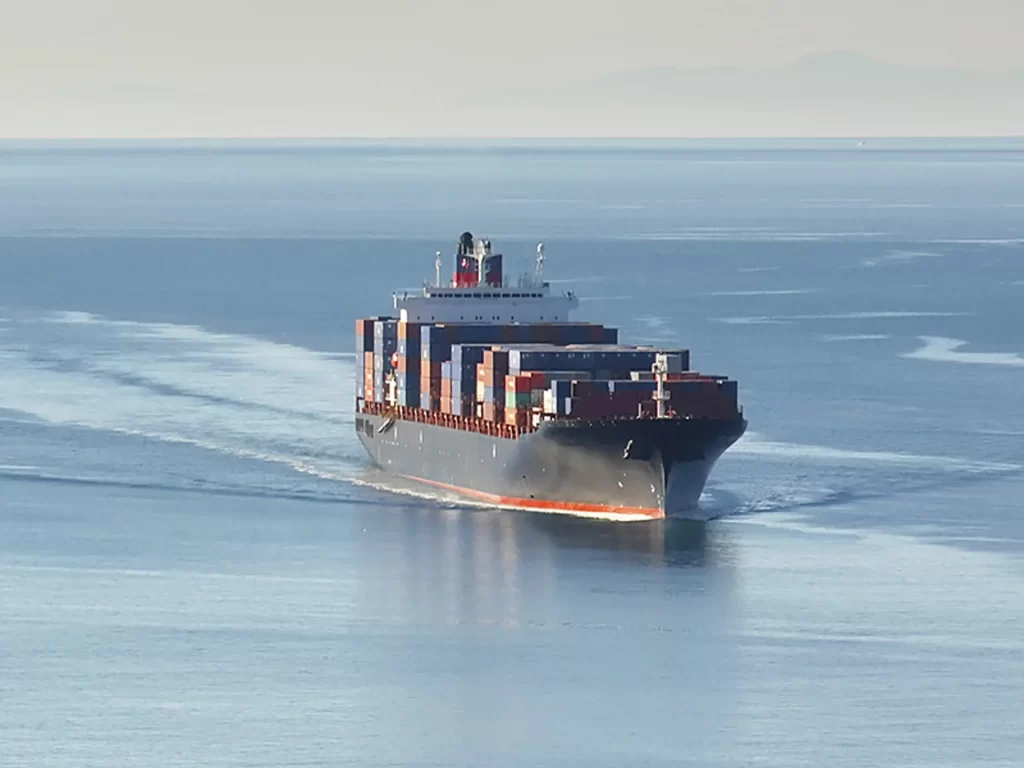
Sea freight remains the most economical option for large cargo volumes.
Container Size
China → USA (USD)
China → Europe (USD)
China → Africa (USD)
20GP
$2,600–$3,000
$2,800–$3,200
$3,200–$3,600
40GP
$5,200–$5,700
$5,500–$6,100
$5,900–$6,400
40HQ
$5,500–$6,000
$5,800–$6,400
$6,200–$6,800
📌Sea freight provides the lowest unit cost, especially for FCL shipments, albeit with longer transit times.
Result: Expensive, but enabled product launch before holiday season
Case 2 – Furniture via Sea Freight
Route: Shanghai → Rotterdam
Cargo: 1x40HQ furniture
Mode: Sea Freight (FCL)
Cost: $5,900
Transit Time: 34 days
Result: Lowest unit cost, required warehouse storage
Should You Use FCL or LCL When Shipping from China?
Criteria
FCL (Full Container Load)
LCL (Less than Container Load)
Best for
Large volume shipments
Small to medium cargo
Cost
Lower per unit
Higher per unit
Handling
Less handling, safer
More handling, higher risk
Transit Time
Direct, faster
Requires consolidation, slower
How Do Incoterms Influence Shipping Costs from China?
FOB: Seller handles origin charges, buyer pays freight and insurance.
CIF: Seller covers freight and insurance, buyer pays duties.
DDP: Seller bears all costs up to delivery, used mainly for small consignments.
Selecting the right Incoterm defines responsibility and significantly alters total shipping expenses.
What Are the Pros and Cons of Different Shipping Modes?
Mode
Pros
Cons
Sea Freight
Cheapest for bulk, large capacity
Long transit time
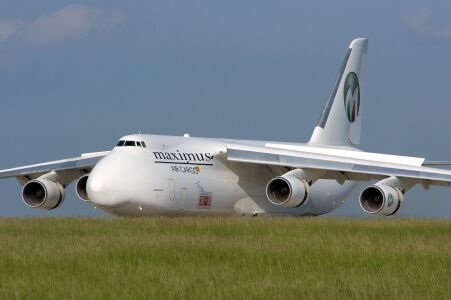
Air Freight
Fast, secure, reliable
High cost, limited capacity
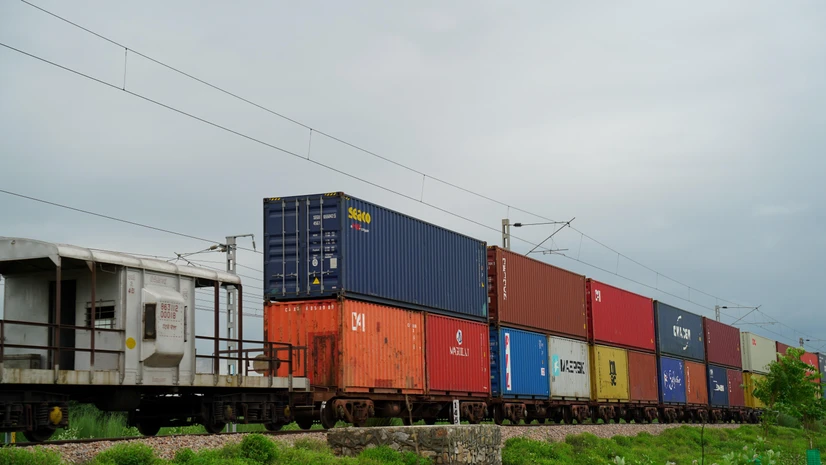
Rail Freight
Balanced time and cost, eco-friendly
Limited to Europe routes
Courier
Door-to-door, simple for parcels
Not cost-effective for bulk
Conclusion
Ultimately, answering how much to ship from China depends on mode, volume, and destination. Sea freight offers the lowest cost for bulk, air ensures speed for urgent goods, and rail balances both. Moreover, accurate documents and smart Incoterm choices prevent hidden costs. With careful planning and expert freight forwarders, importers can minimize risks and achieve predictable expenses.
Consult TJ China Freight Forwarding for the lowest quote. They will provide you with reliable, cost-effective service.