

How to Get Reliable China Shipping Before Peak Season: A Strategic Guide
Tight cargo-ready windows demand clearer sequencing when arranging How to Get Reliable China without a validated booking path. Late document packs and unconfirmed intake slots often push cargo past the only workable sailing or flight window. Top China Freight provides scoped booking support so readiness dates and cut-offs stay synchronized. This 2026 guide details booking checkpoints and execution benchmarks for auditable corridor decisions.
Key Takeaways
A standard 40HQ container supports an optimal load of 65–70 CBM to ensure safe palletization and weight distribution.
Air freight chargeable weight is calculated as the greater of actual weight or volumetric weight (L×W×H cm / 6000).
Export documentation should be finalized at least 72 hours before the vessel or flight cut-off to avoid rolling penalties.
Peak season surcharges often add 15–25% to base freight rates, making early space reservation a critical cost-mitigation tactic.
What Should Buyers Know First About How to Get Reliable China?
The primary challenge for international importers is the inherent volatility of carrier capacity during high-demand periods. Achieving reliable transit requires a shift from reactive booking to proactive capacity reservation, which often begins 4 to 6 weeks before anticipated shipment dates. Buyers must understand that carrier space is not guaranteed simply by providing a quote request; it requires a confirmed booking and valid space allocation provided by a logistics partner.
Operational friction frequently arises when cargo-ready dates are communicated to the forwarder only after the production phase is complete. This lack of alignment causes missed sailings and forces goods into high-cost premium services or, worse, long-term storage in origin warehouses. Reliable logistics requires the early integration of production schedules with logistics timelines, ensuring that all parties are aware of critical gate-in deadlines for both ocean and air modes.
Successful importers prioritize visibility into the entire supply chain, from the factory floor to the final destination port or airport. By implementing a standardized data capture process, buyers can effectively communicate their needs to their logistics provider, minimizing the risk of documentation errors or logistical bottlenecks. This proactive approach transforms the shipping process from a source of anxiety into a predictable, managed component of your broader business operations.
Common mistake: Neglecting to include cargo-ready dates in initial quote requests.
Risk alert: Last-minute booking requests during peak season are frequently rolled to later sailings.
How Do Routing and Gateway Choices Affect This Lane?
Selecting the correct gateway is a fundamental decision that dictates both the speed and the cost-efficiency of the entire transit. Major hubs often experience significant congestion during peak cycles, which can lead to extended dwell times and increased handling costs for containerized or palletized freight. By evaluating secondary ports or alternative airports, shippers can often bypass the bottlenecks that characterize primary trade lanes during high-volume months.
The choice of gateway should reflect the specific requirements of the cargo, such as proximity to the final delivery destination or the availability of specialized handling equipment. For instance, high-value, time-sensitive goods may benefit from air freight hubs that offer frequent, direct connections, whereas bulk and standard commodities are better served by ports with high-frequency vessel calls. Coordination with your forwarder is essential to determine which routes currently offer the best balance of speed and reliability.
Geographic considerations also extend to the destination, where drayage and local transport infrastructure play a major role in the overall transit timeline. Selecting a port or airport that is well-connected to your inland distribution network reduces the likelihood of final-mile delays that can negate the gains made during the mainhaul. A comprehensive assessment of your logistics strategy should account for these variables to ensure a seamless flow of goods.
| Equipment Type | Internal Volume (CBM) | Max Payload (kg / lbs) | Optimal Commodity Fit |
|---|---|---|---|
| 20ft Standard (20GP) | 28–30 CBM (26 usable) | 21,800 kg / 48,000 lbs | Dense, heavy cargo (machinery, auto parts, metals) |
| 40ft Standard (40GP) | 58–60 CBM (54 usable) | 26,500 kg / 58,400 lbs | General packaged cargo, standard palletized loads |
| 40ft High Cube (40HQ) | 68–76 CBM (68 usable) | 26,500 kg / 58,400 lbs | Bulky, lightweight goods (furniture, textiles, electronics) |
| 45ft High Cube (45HQ) | 85–86 CBM (78 usable) | 27,500 kg / 60,600 lbs | High-volume consumer retail distribution |
Common mistake: Relying on the same gateway year-round without checking current congestion data.
Risk alert: Congested gateways often impose mandatory extra-handling fees during peak seasons.
How to Choose the Right Mode Mix for This Corridor?
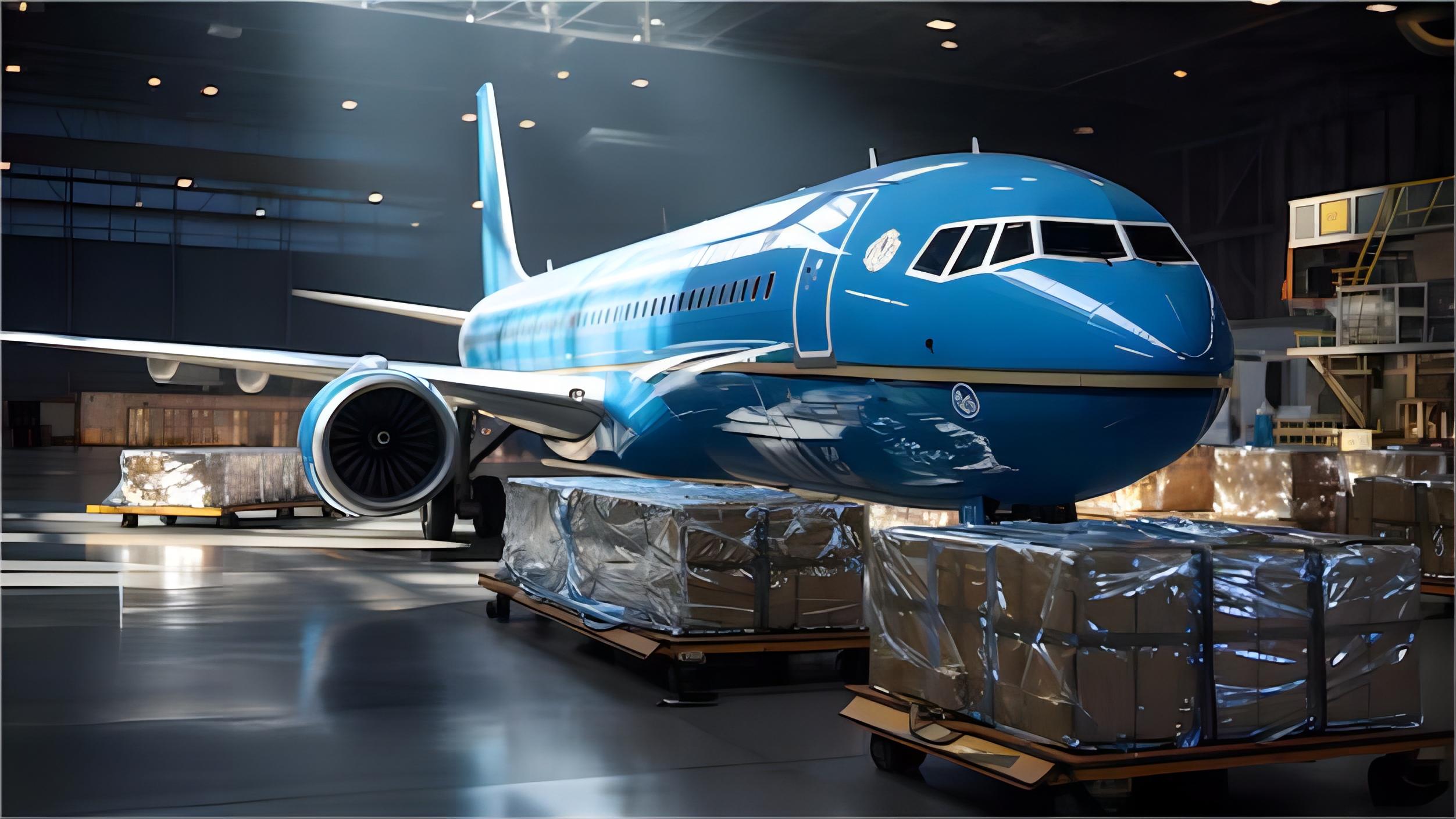
Selecting the optimal mode mix requires a careful evaluation of budget, cargo nature, and delivery urgency. While ocean freight remains the most cost-effective solution for bulk shipments, rising demand can lead to capacity shortages that threaten replenishment cycles. Shippers must determine the maximum allowable transit window and compare this against the current availability of FCL, LCL, and air freight options to make an informed decision.
FCL services offer maximum control and security for large volumes, but LCL provides a more flexible alternative for smaller, less-than-container-load shipments. When timing becomes the primary constraint, air freight or multi-modal strategies can provide a necessary buffer against ocean-based delays. The key is to maintain a flexible logistics plan, allowing for mode switching if market conditions at the origin or destination indicate that a specific path is becoming compromised.
Collaborating with a professional provider allows you to leverage expert knowledge to optimize your mode mix based on real-time market intelligence. Whether you require standard ocean container services or expedited air cargo, an effective plan ensures that your goods are transported via the most reliable channel available. Always consider the total landed cost, including warehousing and inland transport, when comparing these modes to ensure your business remains competitive.
Common mistake: Failing to account for LCL consolidation time in the total transit window.
Risk alert: Air freight capacity is highly limited during peak season and requires early booking.
What Transit Timeline Should You Expect?
Transit timelines are heavily influenced by the chosen mode and the specific routing, but they are also subject to exogenous factors like port congestion and carrier schedule reliability. During peak seasons, it is not uncommon for vessels to experience delays due to berth availability, which can add several days to the anticipated arrival time. Setting realistic expectations with your own downstream customers is essential for maintaining brand reputation and service levels.
The transit timeline should be viewed as a range rather than a fixed date, incorporating a buffer for potential operational exceptions. For ocean shipments, calculate time from port-to-port and add a secondary buffer for customs clearance and inland drayage. Air freight, while faster, is also subject to handling delays at airport terminals during high-volume periods, necessitating a similar approach to buffer management for critical shipments.
Regular monitoring of your shipments is the best way to stay ahead of these potential disruptions. Your logistics partner should provide transparent tracking and proactive exception alerts, allowing you to react quickly if a delay occurs. By maintaining an accurate view of your cargo’s status, you can make informed decisions about inventory management and provide timely updates to your internal stakeholders regarding product availability.
| Milestone | Typical Dwell | Risk Factor | Owner |
|---|---|---|---|
| Origin Pickup | 1-2 Days | Production Delay | Shipper |
| Origin Port Gate-in | 2-3 Days | Vessel Cut-off | Carrier |
| Ocean Mainhaul | 25-35 Days | Weather/Congestion | Carrier |
| Destination Clearance | 2-5 Days | Customs Inspection | Agent/Broker |
Common mistake: Using pre-peak transit averages for peak season planning.
Risk alert: Unexpected customs inspections can extend delivery by 3–7 business days.
How Are Landed Costs Typically Built?
Landed cost is the total price of a product once it has reached the buyer’s door, encompassing far more than just the freight rate. It includes origin charges, ocean or air freight, customs duties, destination handling, and final-mile delivery costs. Failing to account for hidden accessorials such as documentation fees, fuel surcharges, or peak-season premiums often leads to significant budget overruns, particularly when shipping from complex international markets.
Each component of the landed cost must be carefully tracked and analyzed to identify opportunities for efficiency. For instance, consolidating smaller shipments into FCL can often reduce the per-unit shipping cost, while optimizing packaging can lower the chargeable weight for air freight. Understanding the impact of Incoterms on your cost structure is also vital, as these terms define the exact point where responsibility and costs transfer from the seller to the buyer.
Transparency is the cornerstone of effective cost management. By requesting itemized quotes from your forwarder, you can compare different services and ensure that you are not paying for unnecessary extras. A comprehensive view of your cost structure allows for more accurate pricing of your own goods, ensuring that your business remains profitable even when logistics costs fluctuate due to market volatility or seasonal demand shifts.
Common mistake: Ignoring destination accessorials like chassis rental or emergency fuel surcharges.
Risk alert: Incoterms EXW often lead to higher origin costs than the buyer expects.
Which Documents and Compliance Checks Apply?
Compliance is the backbone of reliable logistics, and documentation errors are the most common cause of shipment delays. Every shipment requires a precise commercial invoice, a detailed packing list, and the mode-appropriate transport document—such as a Bill of Lading for ocean freight or an Air Waybill for air travel. These documents must accurately reflect the cargo’s value, quantity, and nature to satisfy customs requirements in the destination country.
In addition to standard documents, certain commodities may require specialized filings, certifications, or permits to clear customs successfully. These might include health certificates for food products, safety data sheets for chemicals, or specific origin certifications. Working with an experienced logistics provider helps ensure that all necessary paperwork is prepared in advance, minimizing the risk of holds at the border or port of entry.
Regular audits of your documentation processes can prevent recurring issues and streamline the clearance process. Ensure that your suppliers are trained on your documentation standards to maintain consistency across all shipments. By treating compliance as a strategic priority rather than an administrative burden, you can ensure that your goods move through the supply chain without unnecessary friction, maintaining the reliability and speed your business requires.
| Document / Filing | Submission Window | Responsible Party | Clearance Impact |
|---|---|---|---|
| Customs Import Declaration | Prior to cargo discharge | Licensed Broker / Consignee | Terminal demurrage |
| Commercial Invoice & Packing List | Before vessel departure | Shipper / Exporter | Documentation hold |
| Master / House Bill of Lading | Post-departure confirmation | Freight Forwarder | Release freeze |
| Certificate of Origin (if req) | Prior to import duty assessment | Chamber of Commerce | Loss of tariff relief |
Common mistake: Submitting inaccurate HS codes that trigger customs classification delays.
Risk alert: Customs fines for incorrect documentation can exceed the value of the freight itself.
How Do Peak Seasons Affect Capacity and Pricing?
Peak season is characterized by a surge in demand that consistently outstrips carrier capacity, leading to dramatic shifts in both pricing and service availability. During these periods, carriers often implement general rate increases (GRIs) and peak season surcharges (PSS) to manage the influx of cargo. Shippers must anticipate these costs and secure their space well in advance to avoid the premium prices associated with last-minute booking requests.
The impact of peak season extends beyond just costs; it also affects the quality of service as carriers prioritize larger, more consistent volume shippers. Smaller importers may find their cargo rolled to subsequent sailings if their booking was not confirmed early or if the carrier is overbooked. This reality makes the relationship with a reliable forwarder more important than ever, as they can negotiate space and provide the necessary leverage to keep your shipments on schedule.
To mitigate the risks of peak season, savvy buyers diversify their shipping schedules, pulling forward inventory requirements whenever possible to avoid the height of the demand cycle. By planning around known seasonal spikes—such as major holidays or annual retail sales events—you can ensure your supply chain remains resilient. Stay informed by monitoring market trends and maintaining open communication with your logistics partners to adapt your strategy as conditions evolve.
Common mistake: Waiting for the peak season to start before booking space for critical inventory.
Risk alert: Carriers may prioritize larger accounts during peak season, leaving smaller shipments vulnerable to delays.
What Is the Step-by-Step Process from Quote to Delivery?
The logistics process is a series of interconnected steps that must be executed with precision to ensure timely delivery. It begins with a shipment profile capture, where cargo-ready dates, CBM, weight, and commodity information are finalized. This data is the foundation of your quote, and ensuring its accuracy prevents costly adjustments later. Once the logistics plan is approved, the space booking is secured, and the carrier is notified of the pickup requirements.
Following the booking, the documentation and compliance phase takes center stage. Commercial invoices and packing lists are verified, and any necessary import filings are completed. Once the cargo is loaded and the export clearance is finalized, the mainhaul transit begins. During this time, proactive tracking is essential to identify and address any potential delays, ensuring that the cargo moves through the transit network according to the agreed-upon milestones.
The final stage of the process is the destination release and delivery. This involves the customs clearance process, the payment of duties and taxes, and the final-mile drayage or delivery to your warehouse. By following this structured approach, you can maintain control over your supply chain and provide consistent service to your own customers. A professional logistics provider guides you through each of these steps, transforming complex international trade into a manageable, repeatable operation.
Common mistake: Failing to coordinate destination warehouse intake slots with the arrival of the shipment.
Risk alert: Missing a delivery appointment can result in re-delivery fees and warehouse storage charges.
Decision Framework
By volume: Capture CBM/kg first; under ~2 CBM often fits express/air, mid volumes need LCL/FCL comparison, and oversized lots require dedicated equipment quotes.
By speed: Urgent windows under ~7 days favor air/express; standard replenishment can use ocean or multimodal once cargo-ready timing is locked.
By cargo profile: Flag DG, temperature-control, or oversized handling before award—these change both documentation and carrier acceptance paths.
Real-World Corridor Case Studies
An importer moved mixed cartons on a scoped international lane. The forwarder aligned commercial invoice, packing list, and the destination national import declaration before mainhaul departure.
A distributor routed equipment components with early broker coordination so destination release and final-mile delivery stayed inside free-time windows.
Execution Checklist for Reliable Shipping
Use this guide as an actionable checklist: ensure your cargo data is accurate, your mode mix is aligned with your deadlines, and your documentation is ready well before departure. By securing capacity early, you insulate your supply chain from the volatility that characterizes industry peak seasons and ensure a consistent flow of goods to your market.
Confirm all free-time and delivery constraints in writing to protect your schedules. When you are ready to move forward, our team is prepared to provide the itemized support needed to keep your cargo moving reliably throughout the year.
Process and Checkpoints
Shipment Profile Capture
Confirm cargo-ready date, CBM/weight, commodity, HS code, and Incoterms.
Mode & Service Scope Selection
Compare air / LCL / FCL (or specialty) against transit and landed-cost targets.
Documentation & Compliance Gate
Align commercial invoice, packing list, and any specialty filings before booking.
Space Booking & Cut-off Lock
Reserve carrier/co-loader space and confirm export cut-off windows in writing.
Mainhaul & Milestone Tracking
Monitor departure, arrival, and exception alerts against the awarded transit plan.
Destination Release & Delivery
Clear destination formalities and complete final-mile delivery to the agreed door.
Confirm the right route for your shipment
Ready for a scoped proposal on your next shipment? Share your origin, destination, cargo-ready date, CBM/weight, commodity, and Incoterms to receive an itemized, reliable freight plan.
Request a route reviewFrequently Asked Questions
How do destination demurrage and detention charges accrue on containers?
Demurrage charges apply when containers remain at the port beyond the allowed free time, while detention applies when the container is kept outside the port beyond the allotted time for unloading. These charges accrue daily and vary significantly by carrier and port.
What hidden accessorial fees often cause freight invoice shocks?
Common hidden fees include emergency fuel surcharges, warehouse handling fees for LCL cargo, chassis rental, and documentation amendment fees. Always request an itemized quote that includes these potential accessorials.
Which documents must be verified prior to requesting a Telex release?
Before a Telex release can be processed, the original Bill of Lading must be surrendered by the shipper, and all freight charges must be settled. This ensures the carrier is authorized to release the cargo to the consignee without physical documentation.
How can multi-supplier shippers prevent CFS dead-space penalties?
Multi-supplier shippers can use a consolidation warehouse to palletize goods efficiently before delivery to the CFS. This maximizes space utilization and reduces the risk of paying for unused container volume.
When is the mandatory cut-off time for submitting shipping documentation?
Documentation cut-offs are typically 48 to 72 hours before the vessel’s departure. Submitting documents after this window can result in your cargo being rolled to the next available sailing, causing significant delays.
Where does the freight forwarder take legal custody of multi-supplier cargo?
The freight forwarder typically takes custody at the consolidation warehouse or the point of deconsolidation. This is where the forwarder performs a physical inventory check and issues a house transport document to the shipper.
Rates and surcharges fluctuate; request an itemized quote.
Informational only; not binding legal/tax/customs advice.
Benchmarks reflect standard 2026 practice for this corridor.