


How to Ship Auto Parts from China to USA: The 2025 Complete Logistics Guide
Navigating the complexities of international logistics is essential for businesses looking to understand how to ship auto parts from China to USA effectively. The automotive supply chain demands high precision, timely delivery schedules, and strict adherence to customs regulations to ensure that components reach their destination without costly delays. Consequently, importers must evaluate various freight modes and logistics strategies to balance speed and budget. This comprehensive guide provides actionable insights into the most reliable methods for transporting automotive components across the Pacific.

What are the Primary Methods for Shipping Auto Parts?
Choosing the right transportation mode is the first critical step when determining how to ship auto parts from China to USA. Most importers rely on either ocean freight or air transport depending on the urgency and volume of the cargo. Furthermore, the weight and fragility of specific automotive components, such as engines or glass windshields, often dictate the best handling procedure. Therefore, understanding the trade-offs between cost and speed is paramount for maintaining a healthy supply chain.

Ocean freight remains the most popular choice for bulk shipments due to its cost-effectiveness over long distances. In contrast, air freight offers unparalleled speed for high-value or time-sensitive components that are needed for immediate assembly or repair. Additionally, express services provide a middle ground for smaller parcels or sample parts. Each method requires a different approach to packaging and documentation to ensure smooth transit through international borders.
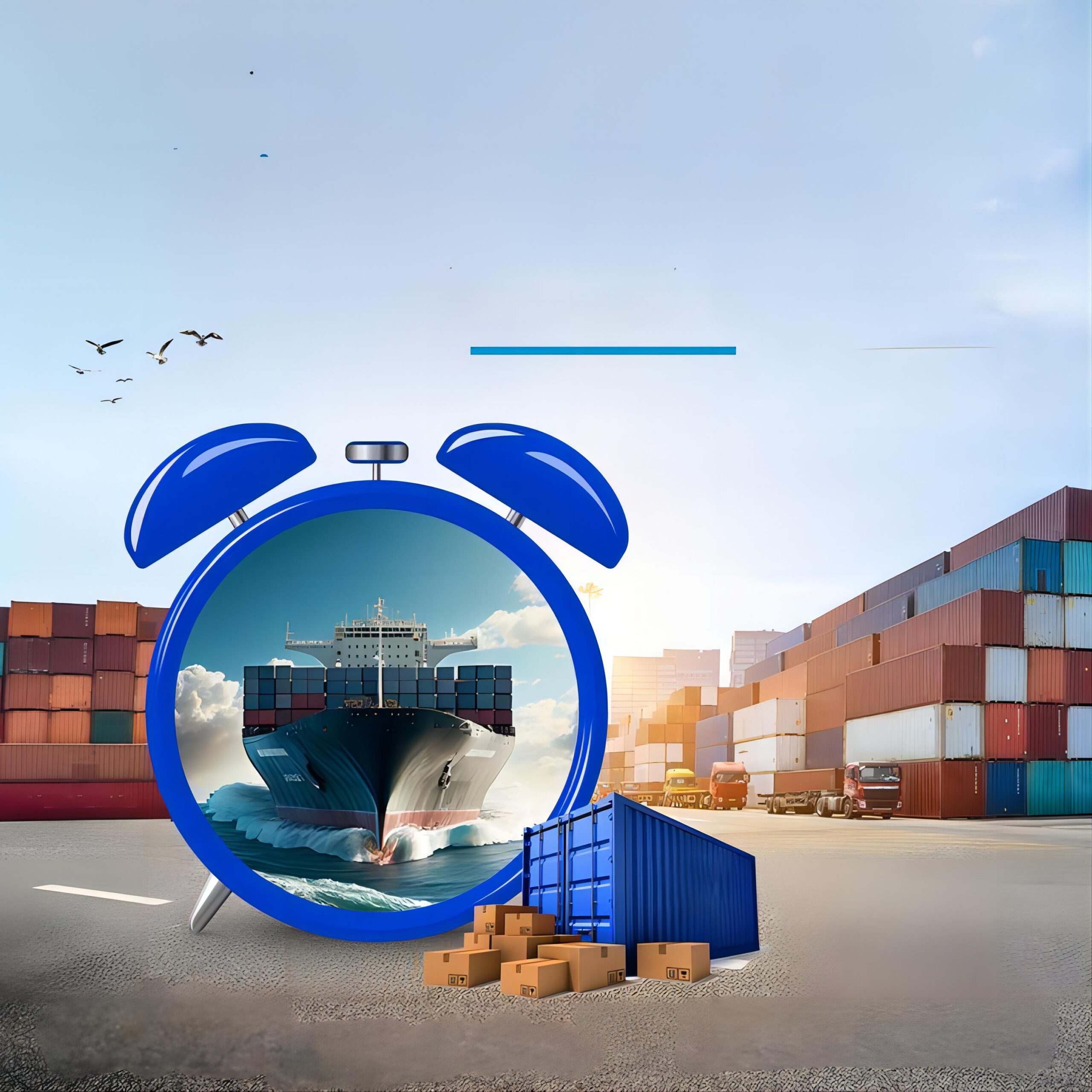
Utilizing Sea Freight for Bulk Automotive Components
If you are moving large volumes of heavy items, then sea freight is undoubtedly the most economical solution available. This method allows for the transport of massive quantities of parts, including tires, body panels, and heavy engine blocks, in standardized containers. For instance, most businesses choose between Full Container Load (FCL) and Less than Container Load (LCL) based on their specific inventory needs.
FCL is ideal for large-scale importers who can fill an entire 20-foot or 40-foot container, providing better security and faster handling at the port. On the other hand, LCL allows smaller businesses to share container space with other shippers, making it a flexible option for lower volumes. Nevertheless, sea freight involves longer transit times, typically ranging from 15 to 35 days depending on whether the destination is the US West Coast or East Coast.
How Does Sea Freight Compare to Other Shipping Options?
Evaluating the objective differences between shipping modes helps businesses optimize their logistics trends and budget allocations. While sea freight is the cheapest for bulk, it lacks the agility of air or express services. Consequently, many companies adopt a hybrid strategy, using ocean freight for regular stock and air freight for emergency orders.
The following table provides a detailed comparison of the primary shipping methods used for transporting auto parts from China to the United States.
| Shipping Method | Cost Range | Transit Time | Best For | Limitations |
|---|---|---|---|---|
| Sea Freight (FCL) | $2,500 – $5,500 | 18 – 40 Days | Bulk inventory | Slow transit |
| Air Freight | $5 – $12 per kg | 3 – 7 Days | High-value parts | High cost |
| Express Service | $8 – $15 per kg | 2 – 5 Days | Prototypes/Samples | Weight limits |
| Sea-Air Hybrid | Moderate | 12 – 20 Days | Balanced needs | Complex logistics |
Air Freight Solutions for Urgent Automotive Needs
When time is the most critical factor, air freight provides the fastest way to get parts from Chinese factories to American distributors. This method is particularly useful for high-demand components like sensors, electronic control units, or specialized repair kits. Moreover, the reduced transit time minimizes the risk of inventory stockouts and keeps production lines moving without interruption.
Although the costs are significantly higher than ocean transport, the benefits of speed often outweigh the price for premium products. Indeed, air cargo offers higher security levels and less handling, which reduces the likelihood of damage to sensitive electronic parts. However, importers must be mindful of weight and volume restrictions that can quickly escalate the total landed cost of the shipment.
Express Shipping for Small Parcels and Samples
For small-scale imports or initial product samples, using an express service is often the most convenient choice. These courier services handle the entire process, including pick-up, international transport, and final delivery to your doorstep. Furthermore, express shipping usually includes basic customs clearance services, which simplifies the process for new importers who are still learning the ropes.
This method is highly effective for sending lightweight components such as gaskets, fasteners, or small interior trim pieces. Additionally, the tracking capabilities provided by express carriers allow for real-time monitoring of the shipment’s progress. Nevertheless, for any shipment exceeding 150 kilograms, transitioning to traditional air or sea freight is usually more cost-effective.
Navigating Customs Brokerage for Auto Parts
Successfully clearing US Customs is a vital part of knowing how to ship auto parts from China to USA without facing fines or seizures. Automotive parts are subject to specific regulations, including DOT standards and EPA requirements for certain engine components. Therefore, partnering with a professional customs brokerage service is highly recommended to ensure all paperwork is accurate and complete.
The documentation process typically requires a commercial invoice, a detailed packing list, and a bill of lading. Additionally, importers must correctly identify the Harmonized System (HS) codes for each part to determine the applicable duty rates. Consequently, errors in classification can lead to significant delays at the port of entry and potential audits by US Customs and Border Protection.
The Benefits of Door to Door Logistics
Many modern businesses prefer door to door shipping because it streamlines the entire supply chain into a single transaction. This service covers everything from the factory floor in China to the warehouse or retail location in the United States. In addition, it removes the burden of coordinating with multiple carriers, warehouses, and customs agents, allowing business owners to focus on sales.
By choosing a comprehensive door-to-door solution, you gain better visibility and control over your cargo handling and delivery schedule. Moreover, this approach often results in more predictable pricing, as many providers offer all-inclusive rates that cover freight, duties, and local trucking. Indeed, for companies without a dedicated logistics department, this is often the most efficient way to manage international imports.
Cost Analysis and Freight Rate Trends for 2025
Understanding freight rates is essential for maintaining profitability when importing automotive components. As of early 2025, market data suggests that ocean freight rates have stabilized, although seasonal peaks still cause fluctuations. For example, rates typically increase by 15-25% during the peak season from August to October as retailers prepare for the holidays.
Current industry benchmarks indicate that shipping a 40HQ container from Shanghai to Los Angeles costs between $3,000 and $4,200, while routes to the East Coast are significantly higher. Additionally, fuel surcharges and port congestion can impact the final price. To manage these costs, importers should consider booking at least 3-4 weeks in advance and exploring different ports of entry to find the most competitive rates.
| Route | 20GP Container | 40GP Container | 40HQ Container | Transit Time |
|---|---|---|---|---|
| China to USA West | $1,800 – $2,600 | $2,800 – $3,800 | $3,200 – $4,200 | 14 – 18 Days |
| China to USA East | $2,800 – $3,800 | $4,200 – $5,800 | $4,800 – $6,500 | 28 – 35 Days |
| China to USA Gulf | $2,500 – $3,500 | $4,000 – $5,500 | $4,500 – $6,000 | 30 – 38 Days |
Real-World Case Studies in Automotive Shipping
Examining real-world scenarios provides valuable insight into the practical challenges and successes of international shipping. These cases reflect typical market conditions as of late 2024 and early 2025, highlighting the importance of proper planning and method selection.
Case Study 1: Bulk Wheel Import. Route: Ningbo to Los Angeles. Cargo: Aluminum Alloy Wheels, 28 CBM. Container: 40GP. Method: Sea Freight. Ocean Freight: $3,400. Total Landed Cost: $4,850. Transit: 16 days. Key Insight: Booking early avoided a 15% GRI (General Rate Increase) during the Q3 peak season.
Case Study 2: Urgent ECU Components. Route: Shenzhen to Chicago. Cargo: Electronic Control Units, 120kg. Method: Air Freight. Cost: $1,150. Transit: 5 days. Key Insight: Using air freight prevented a production line stoppage that would have cost the client thousands in penalties.
Case Study 3: Suspension Kits. Route: Shanghai to Savannah. Cargo: 5 CBM. Method: Sea Freight LCL. Cost: $850. Transit: 34 days. Key Insight: Consolidating multiple small orders into one LCL shipment reduced the per-unit shipping cost by 22% compared to express courier.
Which Option Should You Choose?
Deciding on the best shipping strategy requires a clear understanding of your business priorities. If your primary goal is budget optimization and you have high-volume inventory, then sea freight is the superior choice. However, if you are dealing with urgent repairs or high-value items where speed is the priority, air freight is the most logical investment.
For small businesses or those testing new products, LCL or express services offer the necessary flexibility without a massive financial commitment. Additionally, consider the geographical location of your warehouse; shipping to the West Coast is faster and cheaper, but inland trucking costs to the Midwest might offset those savings. Always request a comprehensive quote that includes all potential destination charges to avoid surprises.
Final Thoughts on Shipping Auto Parts
Mastering how to ship auto parts from China to USA is a journey that involves careful planning, selecting the right freight partners, and staying informed about market trends. Whether you choose the cost-efficiency of sea freight or the rapid delivery of air transport, ensuring compliance with customs regulations is the key to long-term success. Furthermore, by utilizing the right logistics strategies, you can significantly reduce your landed costs and improve your overall supply chain resilience.
As the automotive industry continues to evolve, staying adaptable to new logistics trends and freight rates will give your business a competitive edge. Remember to always prioritize proper packaging and accurate documentation to protect your investment during transit. With the right approach, importing auto parts from China can be a highly profitable and efficient venture for your company.
Ready to streamline your logistics?
Are you looking for a reliable partner to handle your automotive logistics? Contact Top China Freight today to receive a customized quote for your next shipment. Let our experts simplify the process of how to ship auto parts from China to USA for your business.
Request Quote