How to track your goods from China is a question asked by every importer. With supply chains spanning continents, visibility is crucial. Delayed shipments, missing cargo, or uncertain transit times can disrupt business. Fortunately, modern tracking systems and freight solutions now make monitoring your shipments easier than ever.
What Are the Main Tracking Methods for Goods from China?
Tracking methods differ depending on the shipping mode you select. Each option provides varying levels of detail, reliability, and cost.
Shipping Method
Tracking Options
Pros
Cons
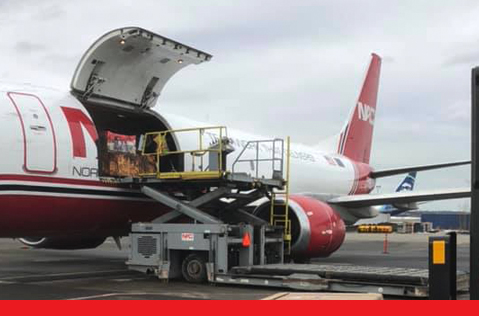
Air Freight
Airline portals, AWB (Air Waybill) number
Fast, real-time updates
Costly for heavy shipments
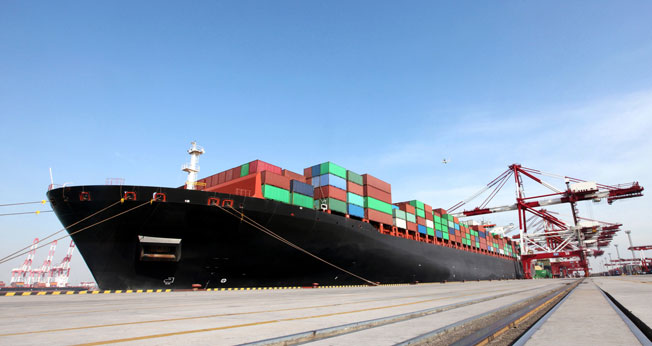
Sea Freight
Bill of Lading, carrier portals, AIS vessel data
Global coverage, detailed routing
Updates slower than air freight
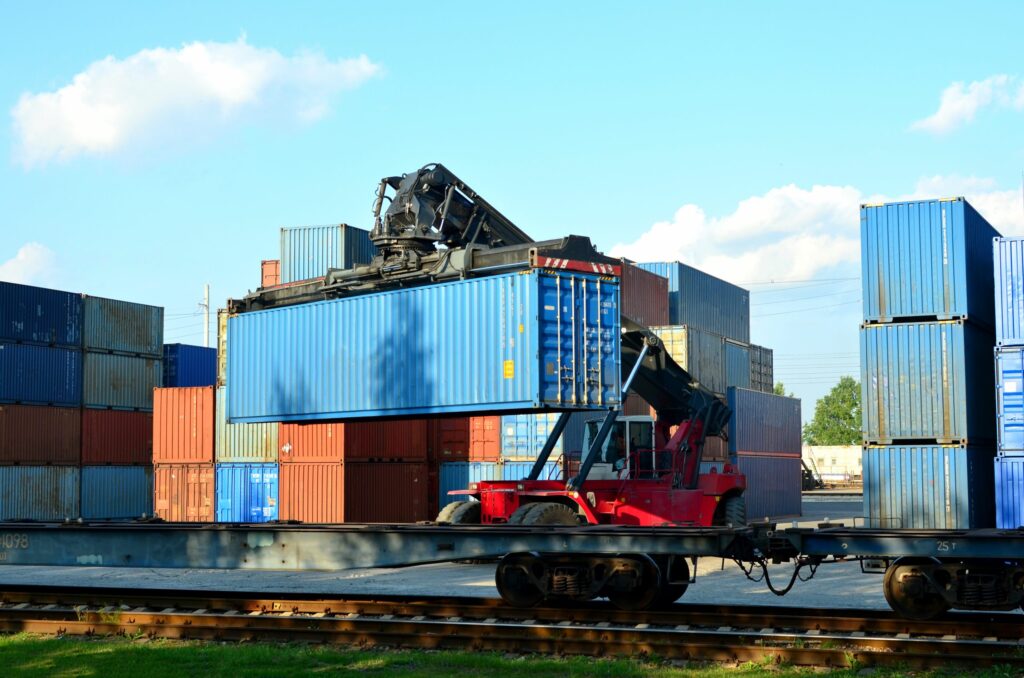
Rail Freight
Rail consignment numbers, online freight systems
Good for Europe-bound shipments
Limited routes, mid-level updates
Courier/Express
Tracking ID on courier platforms
Easy, app-based, instant alerts
Expensive for bulk cargo
Why Is Tracking Your Goods from China Important?
Accurate tracking prevents losses, improves customer confidence, and streamlines supply chain management. Additionally, monitoring your goods helps reduce risks of customs delays and keeps your import/export schedule efficient.
Use freight forwarder portals that consolidate all modes.
Opt for IoT sensors in containers for temperature and GPS.
Enable automated alerts for milestones (customs clearance, vessel departure).
Work with carriers that offer API integration for real-time dashboards.
Should You Use a Freight Forwarder to Track Goods from China?
Freight forwarders simplify tracking by:
Offering multi-carrier platforms.
Consolidating LCL shipments under one portal.
Managing customs clearance visibility.
Providing customer support when issues arise.
How Can You Prevent Tracking Delays?
Verify that tracking IDs are issued at booking.
Double-check customs paperwork to avoid scanning delays.
Choose carriers with digital tools for continuous updates.
Avoid peak seasons (Chinese New Year, Golden Week).
Conclusion
To summarize, knowing how to track your goods from China ensures smoother logistics, fewer delays, and better planning. Whether you use air, sea, rail, or courier freight, leveraging tracking IDs, freight forwarder portals, and smart tools makes all the difference. By combining accurate documentation with digital tracking solutions, importers can protect their cargo, reduce costs, and build trust with customers.
Consult TJ China Freight Forwarding for the lowest quote. They will provide you with reliable, cost-effective service.