In today’s globalized trade environment, ensuring the safety of cargo, ports, and ships is a priority. One essential regulation in this context is the International Ship & Port Facility Security Code (ISPS Code). This article provides a clear and practical guide to the code’s function, structure, and role in international maritime operations.
1. Definition of the ISPS Code
The international ship & port facility security code is a comprehensive set of measures adopted under the SOLAS Convention in 2002 and made mandatory from July 1, 2004. Its purpose is to safeguard ships and port facilities from threats such as terrorism, piracy, and sabotage.
2. Why the ISPS Code Matters in Global Shipping
The ISPS Code ensures uniformity in how countries manage maritime threats. It creates a structured framework for:
Identifying and mitigating security risks
Enhancing communication between ships and ports
Protecting crews, cargo, and infrastructure
These goals are especially important given the volume of goods moved via sea—over 80% of world trade relies on maritime transport.
Each facility and vessel must conduct a security assessment to identify potential vulnerabilities.
📍 Security Plan
A customized Ship or Port Facility Security Plan (SSP/PFSP) is developed based on the assessment. This plan includes protocols for access control, monitoring, and incident response.
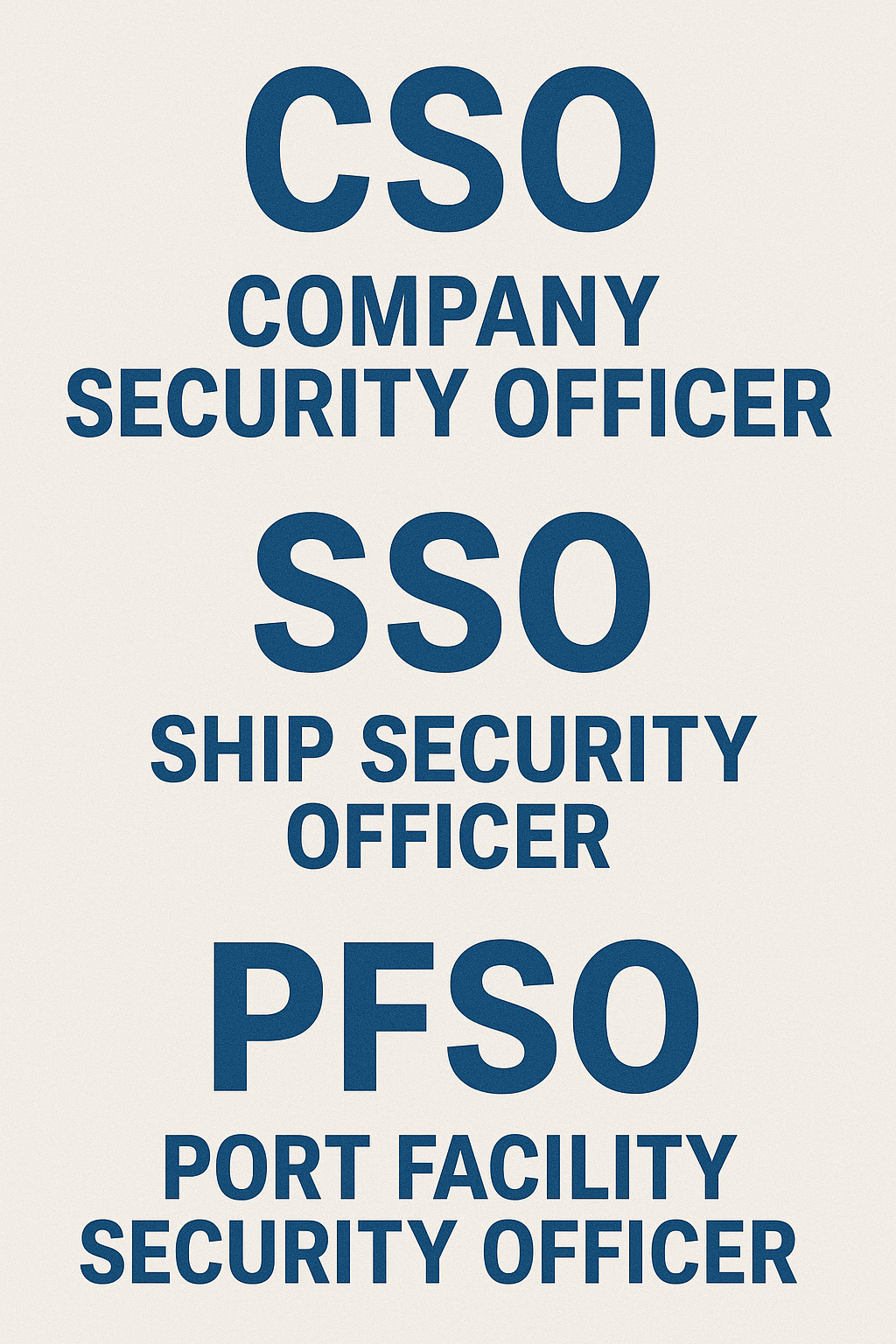
📍Security Officers
The ISPS Code requires designated personnel:
CSO (Company Security Officer)
SSO (Ship Security Officer)
PFSO (Port Facility Security Officer)
These roles are central to implementing and maintaining security procedures.
5. Security Levels Explained
The ISPS Code defines three security levels:
Level 1 – Normal operating conditions
Level 2 – Heightened security threat
Level 3 – Imminent threat or confirmed risk
Shipmasters and port authorities adjust procedures accordingly at each level.
6. Impact on Transportation Operations
Nearly 30% of international logistics activities involve direct port access or sea movement, making ISPS compliance crucial in: