

Jewelry Sea Freight China to UK: 2025 Shipping and Logistics Guide
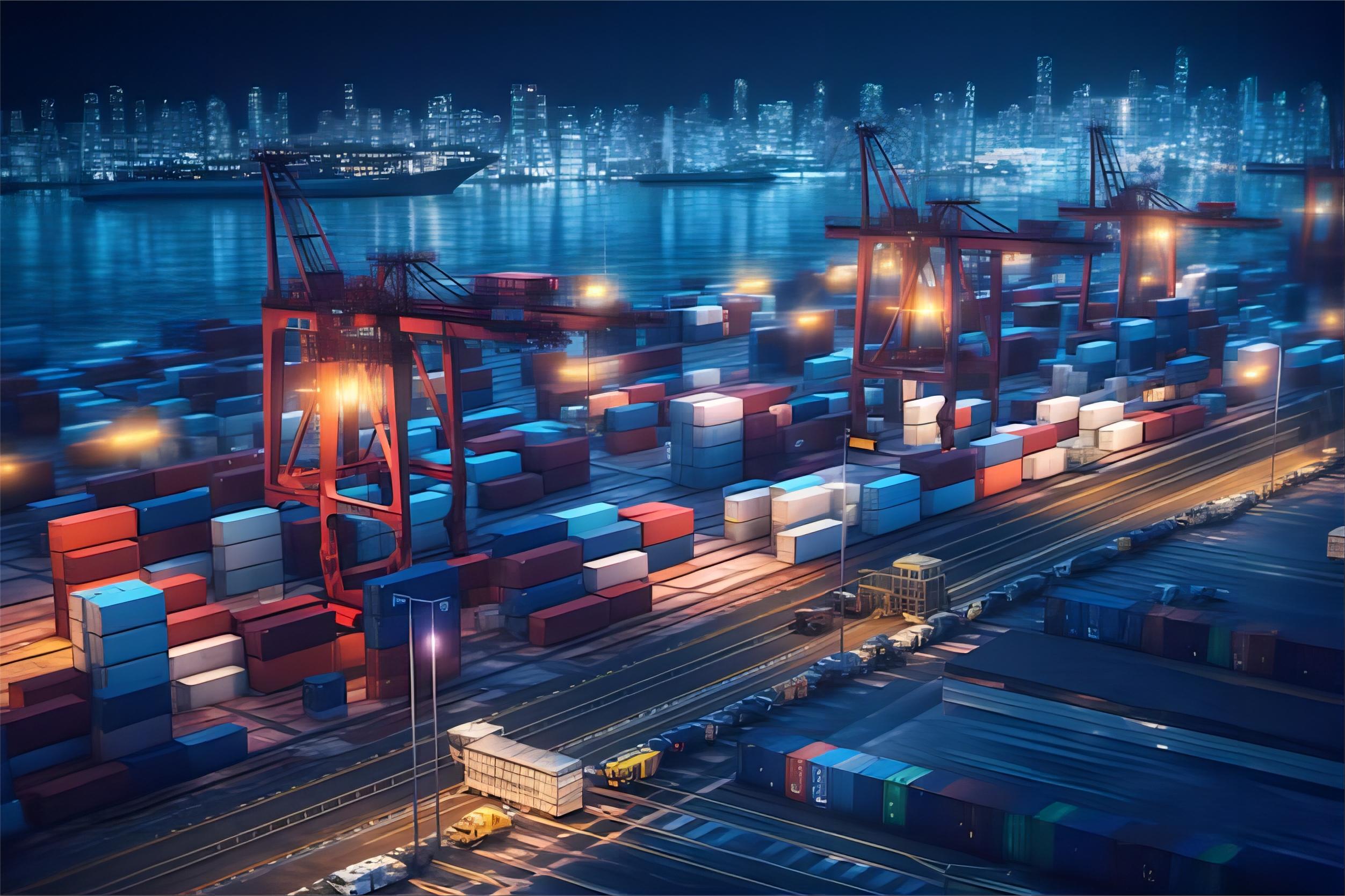
Transporting high-value items requires a delicate balance between security and cost-effectiveness. When managing jewelry sea freight China to UK, businesses must prioritize reliable logistics to protect their profit margins. Partnering with a professional freight forwarder like Top China Freight ensures that your precious cargo arrives safely and on schedule.
Why Choose Jewelry Sea Freight China to UK for Your Business?
Shipping jewelry via ocean carriers offers unparalleled advantages for wholesalers and retailers handling large volumes. Although air transport is faster, the lower costs associated with maritime routes allow businesses to scale their operations significantly. Furthermore, modern container ships provide robust security measures for bulk jewelry shipments.
Consequently, many importers find that the savings on freight rates offset the longer transit times. Jewelry sea freight China to UK remains the most economical solution for non-urgent inventory replenishment. Indeed, this method supports a more sustainable supply chain by reducing the carbon footprint per kilogram of cargo.

Moreover, the flexibility of choosing between different container sizes allows for better inventory management. Whether you are shipping fashion accessories or stainless steel pieces, sea freight accommodates various cargo sizes. Therefore, understanding the nuances of this route is essential for any successful import business.
How Does Jewelry Sea Freight Compare to Other Shipping Options?
Evaluating different transport methods is crucial for optimizing your logistics strategy. While sea freight is ideal for bulk, other options like air or rail might suit specific needs. For example, urgent seasonal launches often require the speed of flight despite the higher premiums.
On the other hand, rail freight offers a middle ground between speed and cost for inland destinations. However, for most jewelry importers, the sheer volume of goods makes maritime transport the most viable long-term strategy. In addition, sea freight handles bulky packaging better than restricted air cargo holds.
Specifically, the cost difference becomes more pronounced as shipment weight increases. While sea freight costs are manageable for 500kg+, air freight would likely erode your profit margins. Nevertheless, a hybrid approach can sometimes provide the best balance for diverse product lines.
| Shipping Method | Cost Range | Transit Time | Best For |
|---|---|---|---|
| Sea Freight | $2,000 – $4,500 | 30 – 45 Days | Bulk Shipments |
| Air Freight | $5 – $12 per kg | 3 – 7 Days | High-Value/Urgent |
| Rail Freight | $1,500 – $3,000 | 18 – 25 Days | Mid-range Volume |
| Express | $8 – $15 per kg | 2 – 5 Days | Small Samples |
Understanding the Cost Structure for Jewelry Sea Freight China to UK
Navigating the expenses involved in international shipping requires a clear understanding of various fees. Beyond the basic ocean freight rate, importers must account for terminal handling charges and documentation fees. Additionally, fuel surcharges can fluctuate based on global oil prices and carrier policies.
Market data suggests that rates for a 20GP container from Shanghai to Felixstowe typically range between $2,000 and $2,800. Meanwhile, larger 40HQ containers may cost up to $4,500 during peak seasons. Consequently, booking your shipment well in advance can lead to significant cost savings.
Note: Freight rates are subject to change based on fuel costs, carrier capacity, and seasonal demand. Contact us for a current quote tailored to your specific shipment.
| Container Type | Dimensions | Typical Rate | Capacity |
|---|---|---|---|
| 20GP | 20ft Standard | $2,000 – $2,800 | 33 CBM |
| 40GP | 40ft Standard | $3,200 – $4,200 | 67 CBM |
| 40HQ | 40ft High Cube | $3,500 – $4,500 | 76 CBM |
| LCL | Per CBM | $80 – $150 | Flexible |
Key Documentation and Customs Requirements
Clearing customs in the United Kingdom requires meticulous attention to paperwork and regulatory compliance. Importers must provide a commercial invoice, packing list, and a bill of lading for every shipment. Furthermore, a certificate of origin may be required to determine the applicable duty rates for jewelry.
Utilizing a professional customs brokerage service can prevent costly delays at the port of discharge. Indeed, incorrect classification of jewelry items under the UK trade tariff can lead to fines or cargo seizure. Therefore, ensuring all HS codes are accurate is a top priority for smooth logistics.
Additionally, you should be aware of the Value Added Tax (VAT) and import duties specific to the UK market. For instance, most jewelry items attract a standard VAT rate of 20% upon entry. Consequently, calculating these costs beforehand is essential for determining the final landed price of your goods.
| Document Name | Purpose | Issuer | Importance |
|---|---|---|---|
| Bill of Lading | Title of Goods | Carrier | Critical |
| Commercial Invoice | Valuation | Supplier | Mandatory |
| Packing List | Cargo Details | Supplier | Mandatory |
| EORI Number | UK ID | HMRC | Essential |
Logistics Trends and Transit Times in 2025
As of Q1 2025, freight rates from China to Europe have stabilized after the 2024 Red Sea disruptions. However, transit times can still vary depending on the specific port of loading and the chosen carrier. For example, direct routes from Shenzhen to Southampton usually take around 32 to 35 days.
Meanwhile, shipments involving transshipment via Singapore or Colombo might take upwards of 45 days. Nevertheless, these indirect routes often offer lower freight rates for budget-conscious importers. Accordingly, you must choose a schedule that aligns with your inventory needs and marketing timelines.
Industry benchmarks indicate that port congestion in the UK has eased, leading to faster turnaround times. Furthermore, the adoption of digital tracking tools allows importers to monitor their jewelry cargo in real-time. This transparency significantly improves supply chain predictability and customer satisfaction.
FCL vs LCL: Which is Best for Jewelry Sea Freight?
Deciding between Full Container Load (FCL) and Less than Container Load (LCL) depends on your shipment volume. For large jewelry orders exceeding 15 CBM, FCL is generally the more secure and cost-efficient option. In contrast, LCL allows smaller businesses to share container space and reduce overhead costs.
However, LCL shipments involve more handling, which might increase the risk of damage to delicate jewelry packaging. Consequently, many high-end brands prefer FCL even if the container is not completely full. Moreover, FCL shipments often clear customs faster as they do not require deconsolidation at the warehouse.
Indeed, for shipments under 15 CBM, LCL at $80-150/CBM may be more economical than a full container. Therefore, you should evaluate the trade-offs between cost and handling risk before making a final decision. Regardless of the choice, proper palletizing and shrink-wrapping are vital for protecting your goods.
Door to Door Logistics for UK Jewelry Importers
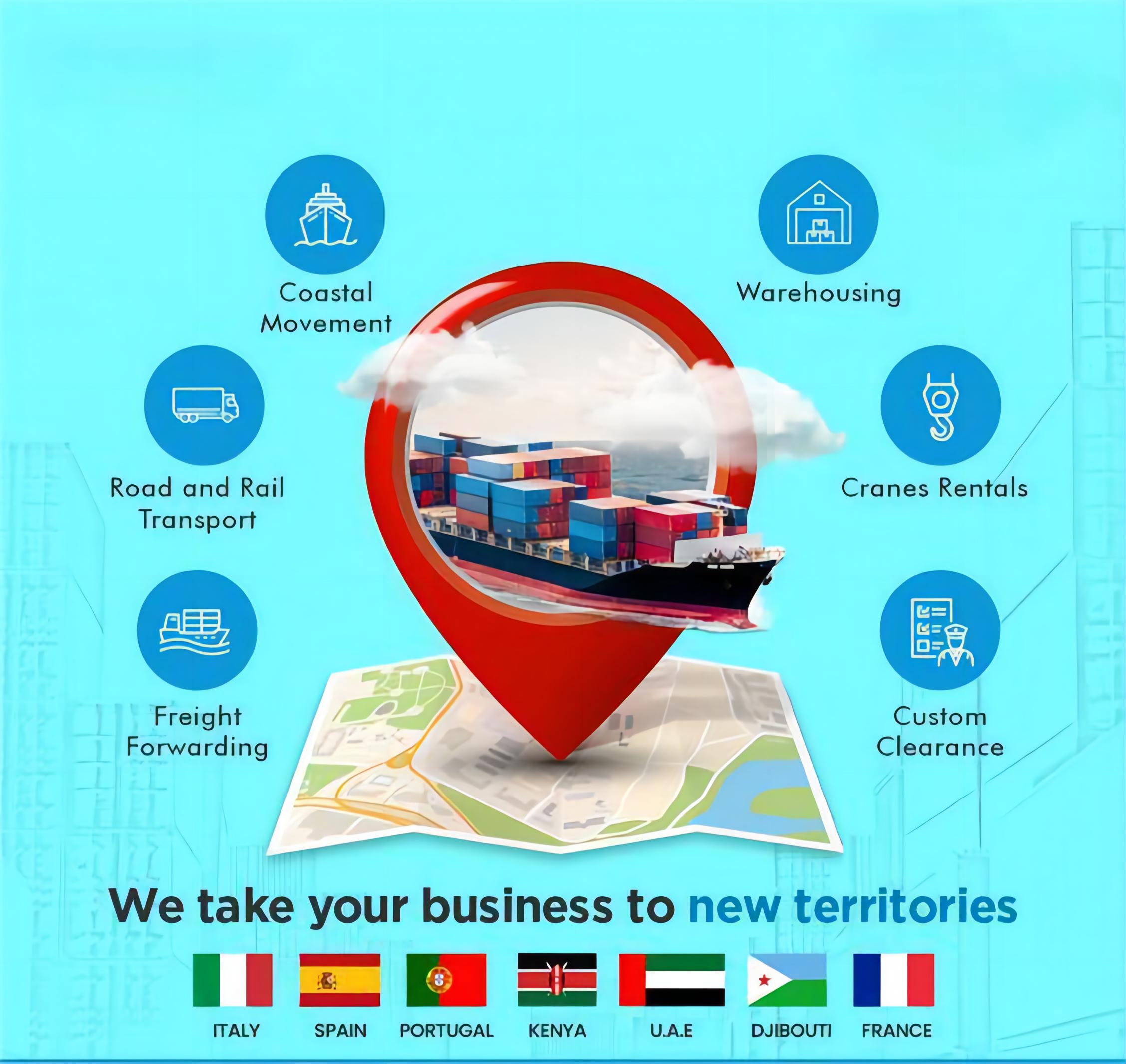
Managing the entire supply chain from a factory in Yiwu to a warehouse in Manchester can be complex. Choosing a door to door service simplifies this process by consolidating all logistics stages. This comprehensive solution includes pickup, ocean freight, customs clearance, and final mile delivery.
Furthermore, having a single point of contact reduces the likelihood of communication errors between different providers. Indeed, many jewelry businesses prefer this ‘hands-off’ approach to focus on sales and marketing. Consequently, door-to-door services are becoming increasingly popular among UK-based e-commerce sellers.
Additionally, these services often include insurance options specifically tailored for high-value jewelry items. This added layer of protection ensures peace of mind during the long journey across the ocean. Therefore, investing in a complete logistics package can save both time and money in the long run.
Real-World Case Studies for Jewelry Shipments
Case Study 1: LCL Fashion Jewelry from Yiwu to London. A boutique retailer imported 5 CBM of fashion accessories via LCL. The shipment originated in Yiwu, was loaded at Ningbo Port, and discharged at Felixstowe. Total transit time was 38 days, with a landed cost of approximately $1,200 excluding duties. Key Insight: Consolidating multiple small orders into one LCL shipment saved the client 30% compared to air freight.
Case Study 2: FCL Stainless Steel Jewelry from Guangzhou to Felixstowe. Based on early 2025 market rates, a wholesaler shipped a 20GP container filled with stainless steel jewelry. The cargo was loaded at Nansha Port and arrived at the UK port in 34 days. Total ocean freight was $2,450, with customs clearance completed in 48 hours. Key Insight: Using FCL minimized handling and ensured the jewelry arrived in pristine condition for immediate distribution.
Case Study 3: Seasonal Peak Shipment from Shenzhen to Southampton. During the Q4 peak season, an importer utilized a 40HQ container for bulk holiday jewelry. Despite a 20% rate increase due to seasonal demand, the sea freight remained more profitable than air alternatives. The total door-to-door timeline was 42 days, including final trucking to a Birmingham warehouse. Key Insight: Early booking allowed the client to secure space despite high market demand.
Which Shipping Option Should You Choose?
Selecting the right method depends on your specific business priorities and cargo characteristics. If your primary goal is budget optimization for large volumes, jewelry sea freight China to UK is the clear winner. However, if you are launching a new collection with a tight deadline, express service might be necessary.
Budget priority: Recommend Sea Freight (FCL for 15CBM+, LCL for smaller amounts). Speed priority: Recommend Air Freight or Express Service. Cargo type: High-end precious metals may require specialized air security, while fashion jewelry is perfect for sea containers. Volume thresholds: Once your volume exceeds 15 CBM, always consider switching from LCL to FCL for better security.
To summarize, a successful strategy often involves a mix of methods based on product lifecycle and demand. Many savvy importers use sea freight for their core inventory while keeping a small portion for air freight to handle stockouts. This balanced approach ensures high availability without sacrificing overall profitability.
Final Thoughts on Jewelry Sea Freight China to UK
Mastering the logistics of jewelry sea freight China to UK is a vital skill for any serious importer. By understanding the cost structures, transit times, and documentation requirements, you can build a resilient supply chain. Furthermore, choosing the right partner ensures that your high-value goods are handled with the care they deserve.
As market conditions evolve in 2025, staying informed about freight trends will help you maintain a competitive edge. Whether you choose FCL or LCL, the cost benefits of sea freight remain unmatched for bulk jewelry orders. Consequently, start planning your next shipment today to maximize your business potential.
Ready to streamline your logistics?
Ready to streamline your jewelry sea freight China to UK? Contact Top China Freight today for a customized quote and expert logistics support. Let us handle the complexities of international shipping while you focus on growing your jewelry brand. Visit our website to start your inquiry.
Request Quote