
Master the 40GP FCL Booking Process for Electronics from China to Houston
Navigating the 40GP FCL booking process for electronics from China to Houston requires a deep understanding of logistics coordination and international trade regulations. Many importers face significant challenges such as port congestion, fluctuating freight rates, and complex customs documentation that can delay critical supply chain schedules. By partnering with a professional freight forwarder like Top China Freight, you can streamline your operations and ensure your high-value electronic goods arrive safely and on time. This comprehensive guide will walk you through every stage of the shipping journey, providing the market intelligence and strategic advice needed to optimize your transpacific cargo movements.

Understanding the 40GP FCL Booking Process for Electronics from China to Houston
Specifically, the 40GP container is the industry standard for transporting bulk electronics because it offers a perfect balance between volume and weight capacity. Manufacturers often prefer this container size for items like smartphones, tablets, and consumer appliances that require significant space but do not necessarily exceed weight limits. Consequently, mastering the 40GP FCL booking process for electronics from China to Houston is essential for maintaining a competitive edge in the Texas market.
Moreover, the process begins long before the cargo reaches the port of loading in Shenzhen or Shanghai. You must first secure a booking note from a carrier, which outlines the vessel schedule, terminal information, and the required empty container release date. Furthermore, coordinating these details ensures that your production timeline aligns perfectly with the maritime departure dates, preventing unnecessary storage fees at the origin warehouse.
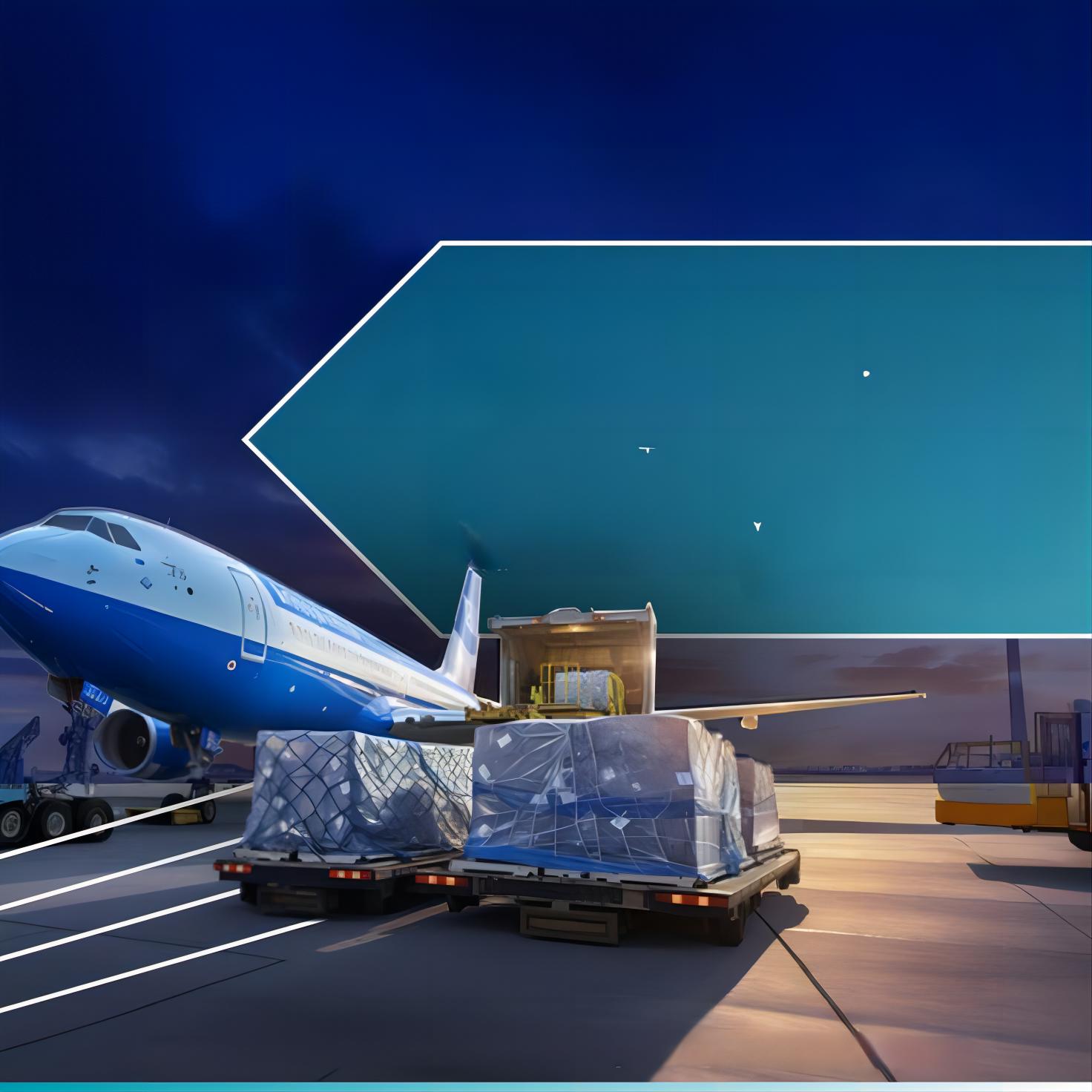
In addition, electronics are often categorized as sensitive cargo due to their value and the presence of lithium batteries. Therefore, the booking process must include a thorough review of safety data sheets and battery certifications to comply with international maritime dangerous goods regulations. Without a doubt, early preparation in this phase prevents the carrier from rejecting your shipment at the last minute.
Why Choose 40GP FCL for Electronic Shipments?
Selecting sea freight in a full container load provides a level of security that less than container load shipments cannot match. Because the container is sealed at the factory in China and only opened at the final destination in Houston, the risk of theft or damage during transit is significantly reduced. This is particularly vital for delicate electronic components that are sensitive to excessive handling and environmental factors.
Additionally, FCL shipping is often more cost-effective when your cargo volume exceeds 15 to 20 cubic meters. While LCL charges are based on volume, FCL allows you to pay a flat rate for the entire container, maximizing your shipping budget for large-scale inventory replenishments. Indeed, the 40GP container provides approximately 67 cubic meters of space, making it the most economical choice for high-volume distributors.
Furthermore, Houston serves as a strategic gateway for the Southern United States, offering direct access to major rail and trucking networks. By choosing FCL, you bypass the time-consuming deconsolidation process required for LCL shipments at the port of discharge. Consequently, your electronics can be moved quickly from the Port of Houston to your warehouse, improving your overall delivery schedule.
| Feature | Measurement | Capacity | Best For |
|---|---|---|---|
| Internal Length | 12.03 Meters | 67.5 CBM | Standard Pallets |
| Internal Width | 2.35 Meters | 26,000 KG | Boxed Electronics |
| Internal Height | 2.39 Meters | 30 Pallets | Stacked Cargo |
Step-by-Step 40GP FCL Booking Process for Electronics from China to Houston
Preparing your booking starts with a detailed inquiry to your logistics provider, specifying the cargo type and desired transit time. You must provide the exact dimensions, weight, and value of the electronics to receive an accurate quote that includes all relevant surcharges. Subsequently, once you approve the quote, the freight forwarder will request space from the shipping line and issue a booking confirmation.
Executing the container pick-up is the next critical step in the 40GP FCL booking process for electronics from China to Houston. The trucking company retrieves the empty container from the port depot and delivers it to your supplier’s factory for loading. Meanwhile, your team must ensure that the cargo is properly blocked and braced to prevent shifting during the long ocean voyage across the Pacific.
After loading, the container is sealed with a high-security bolt seal and transported back to the terminal for export clearance. Your forwarder will then submit the shipping instructions to the carrier to generate the bill of lading. This document serves as the title to the goods and is essential for the final delivery and customs clearance in Houston.

Essential Documentation and Customs Brokerage
Managing the paperwork is perhaps the most daunting part of international logistics, especially for tech products. You will need a commercial invoice, a detailed packing list, and a certificate of origin to satisfy both Chinese and American authorities. Furthermore, utilizing a professional customs brokerage service is highly recommended to navigate the specific HTS codes and duty rates applicable to electronics.
Additionally, some electronics may be subject to FCC regulations or other agency requirements in the United States. Your broker will ensure that all necessary filings, such as the Importer Security Filing (ISF), are completed at least 24 hours before the vessel departs China. Consequently, failure to submit the ISF on time can result in heavy fines and significant delays upon arrival at the Port of Houston.
Furthermore, electronics containing lithium batteries must be accompanied by a Material Safety Data Sheet (MSDS) and a UN38.3 test report. These documents prove that the batteries have been tested for safety and are packaged according to international standards. Indeed, compliance with these safety protocols is mandatory for any 40GP FCL booking process for electronics from China to Houston.
| Document Name | Required By | Purpose | Timing |
|---|---|---|---|
| Commercial Invoice | US Customs | Valuation of Goods | Before Departure |
| Packing List | Port Authority | Cargo Verification | At Loading |
| ISF (10+2) | CBP | Security Screening | 24hrs Pre-Sail |
| Bill of Lading | Carrier | Proof of Carriage | After Departure |
How Does 40GP FCL Compare to Other Shipping Options?
Comparing different transport modes is essential for optimizing your supply chain costs and speed. While air freight offers the fastest transit times, the cost for a full container’s worth of electronics would be prohibitively expensive for most businesses. On the other hand, shipping to North America via sea freight provides the lowest cost per unit, allowing for better profit margins.
Moreover, LCL shipping is a viable alternative if you do not have enough cargo to fill a 40GP container. However, LCL involves higher risks of damage due to the frequent handling of goods at consolidation warehouses. Therefore, for high-value electronics, the 40GP FCL booking process for electronics from China to Houston remains the gold standard for security and efficiency.
In contrast, some importers consider shipping to West Coast ports like Los Angeles and then using rail to reach Houston. While this can sometimes be faster, the current congestion at West Coast ports often makes the direct sea route to Houston more reliable. Consequently, a direct all-water service via the Panama Canal is frequently the preferred choice for Texas-bound cargo.
| Method | Cost Range | Transit Time | Best For |
|---|---|---|---|
| Sea FCL (40GP) | $3,500 – $5,500 | 30-38 Days | High Volume |
| Sea LCL | $80 – $150/CBM | 35-45 Days | Small Batches |
| Air Freight | $5 – $9/KG | 5-10 Days | Urgent Samples |
| Sea-Air Hybrid | $2,500 – $4,000 | 18-22 Days | Mid-Range Needs |
Which Option Should You Choose?
Reviewing your business priorities will help you decide the best shipping strategy for your electronics. If your primary goal is budget optimization, the direct all-water 40GP FCL route is undoubtedly your best option. However, if you are launching a new product and need it on shelves within two weeks, air freight might justify the higher expense despite the reduced margins.
Additionally, consider the volume thresholds that make FCL more attractive than LCL. Generally, if your shipment is larger than 15 cubic meters, the total cost of an FCL booking will be lower than the combined volume charges of LCL. Furthermore, the 40GP FCL booking process for electronics from China to Houston offers more predictable transit times, which is crucial for managing inventory levels.
Specifically, for cargo types like heavy industrial electronics or large server racks, the 40GP container provides the necessary structural integrity and space. Meanwhile, for smaller consumer gadgets, you can maximize the 40GP’s volume by utilizing floor-loading techniques instead of palletization. Nevertheless, always consult with your logistics partner to determine the most efficient loading plan for your specific cargo.
Real-World Case Studies
Case Study 1: High-Volume Smartphone Distribution. Route: Shenzhen, China to Houston, USA. Cargo: 5,000 units of premium smartphones, 60 CBM. Container: 40GP FCL. Carrier: COSCO. Port of Loading: Yantian. Port of Discharge: Houston. Sea Transit: 32 days. Total Landed Cost: $6,200 (including duties). Key Insight: By using a direct water route, the importer saved 15% compared to West Coast transshipment.
Case Study 2: Industrial Power Supplies. Route: Ningbo, China to Houston, USA. Cargo: 20,000 kg of industrial electronics. Container: 40GP FCL. Carrier: Maersk. Port of Loading: Ningbo-Zhoushan. Port of Discharge: Houston via Panama Canal. Sea Transit: 35 days. Total Landed Cost: $5,800. Key Insight: Proper bracing in the 40GP container prevented zero damage claims despite heavy weather in the Pacific.
Case Study 3: Seasonal Consumer Electronics. Route: Shanghai, China to Houston, USA. Cargo: Home audio systems for Q4 peak season. Container: 40GP FCL. Carrier: MSC. Port of Loading: Shanghai. Port of Discharge: Houston. Sea Transit: 38 days. Total Landed Cost: $7,100 (Peak season rates). Key Insight: Booking 4 weeks in advance secured space during the August peak, avoiding a 20% spot rate hike.
Cost-Saving Strategies for Electronics Logistics
Implementing smart logistics strategies can significantly reduce your total shipping expenditure. For instance, consolidating orders from multiple suppliers into a single 40GP container can eliminate the high costs of multiple LCL shipments. Moreover, negotiating annual volume contracts with freight forwarders can provide more stable pricing during volatile market periods.
Furthermore, optimizing your packaging can allow you to fit more units into a single 40GP container. By reducing the size of individual retail boxes or using thinner protective materials, you might increase your container utilization by 5 to 10 percent. Consequently, this lowers the shipping cost per unit, directly increasing your bottom line profit on every electronic item sold.
In addition, timing your shipments to avoid the peak season between August and October can save thousands of dollars in freight surcharges. If your production schedule allows, shipping in the first quarter of the year often yields the lowest rates. Indeed, staying informed about market trends and carrier capacity is a vital part of the 40GP FCL booking process for electronics from China to Houston.
Final Thoughts on Shipping Electronics to Houston
In conclusion, the 40GP FCL booking process for electronics from China to Houston is a multi-faceted operation that requires precision and expertise. By focusing on proper documentation, choosing the right shipping mode, and understanding the nuances of the Houston port, you can ensure a smooth transit for your goods. Furthermore, the security and cost-benefits of FCL shipping make it the ideal choice for businesses looking to scale their electronics imports efficiently.
As market conditions continue to evolve, staying flexible and informed will be your greatest asset. We encourage you to utilize our <a href=”https://Top China Freight.com/services/door-to-door/”>door to door</a> services to simplify your logistics and focus on growing your core business. Remember that a successful 40GP FCL booking process for electronics from China to Houston starts with a reliable partner who understands the complexities of the transpacific trade lane.
Ready to streamline your logistics?
Optimizing your 40GP FCL booking process for electronics from China to Houston is the key to a resilient supply chain. Whether you are shipping high-value consumer tech or industrial components, our team is ready to provide you with competitive rates and expert guidance. Contact Top China Freight today to request a customized quote and experience seamless international logistics tailored to your business needs. Visit our inquiry page to get started: Send Inquiry link
Request Quote