

Ocean Freight China to Japan: The Complete Shipping Guide 2025
Navigating ocean freight china to japan requires a deep understanding of maritime routes and logistics efficiency. However, many businesses struggle with fluctuating rates and complex customs regulations. Therefore, partnering with a reliable partner like Top China Freight ensures your cargo reaches its destination safely and on time. This comprehensive guide explores the nuances of shipping across the East China Sea while providing actionable insights for your business operations. Indeed, choosing the right maritime strategy can significantly reduce your overhead costs and improve delivery schedules.
Why Choose Ocean Freight China to Japan for Your Cargo?
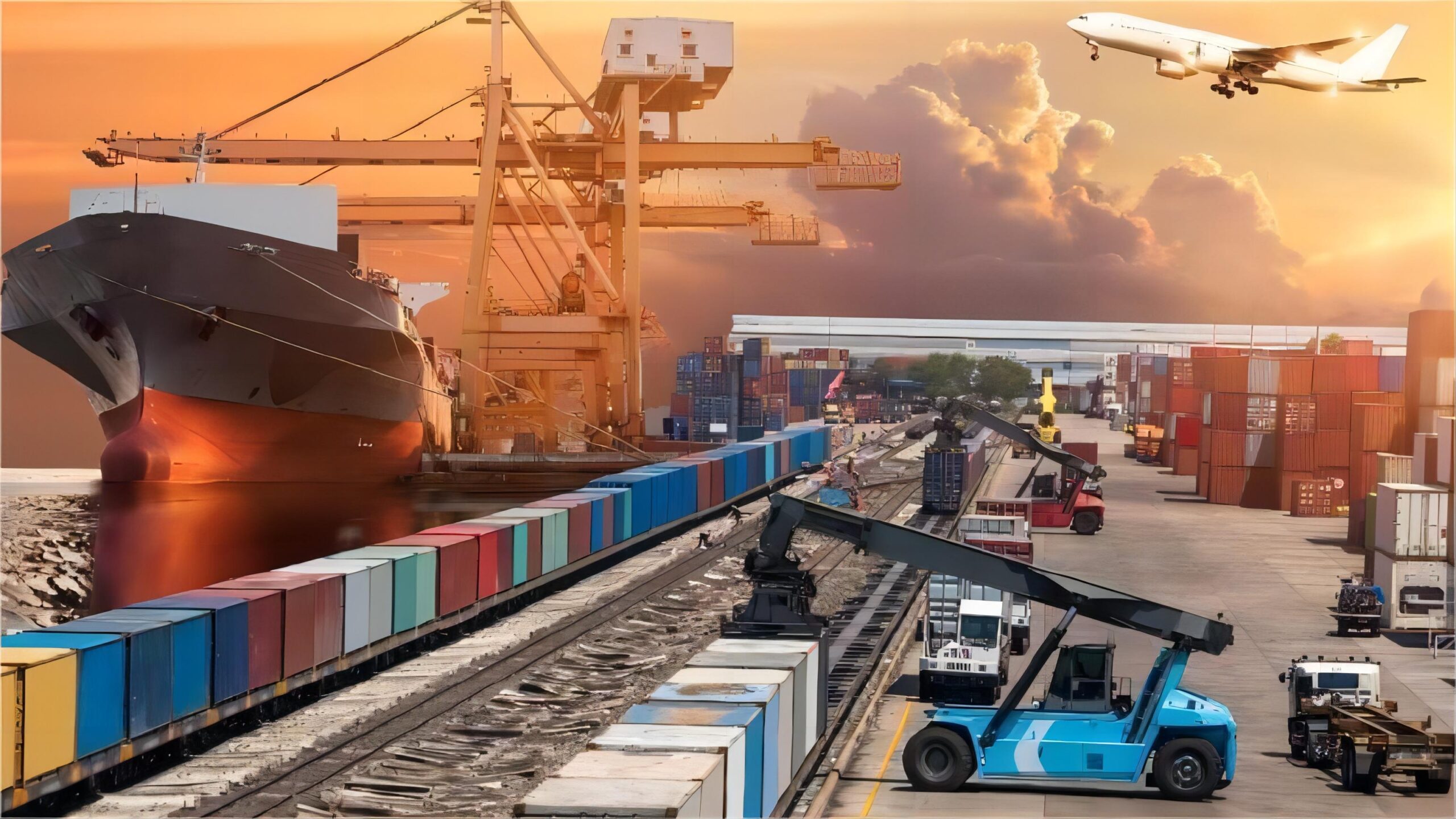
Shipping goods via the ocean remains the most cost-effective method for moving large volumes of inventory between these two economic powerhouses. Moreover, the proximity of major Chinese ports to Japanese coastal cities allows for relatively short transit times compared to long-haul routes. Consequently, businesses can maintain a steady flow of goods without the high premiums associated with air transport.
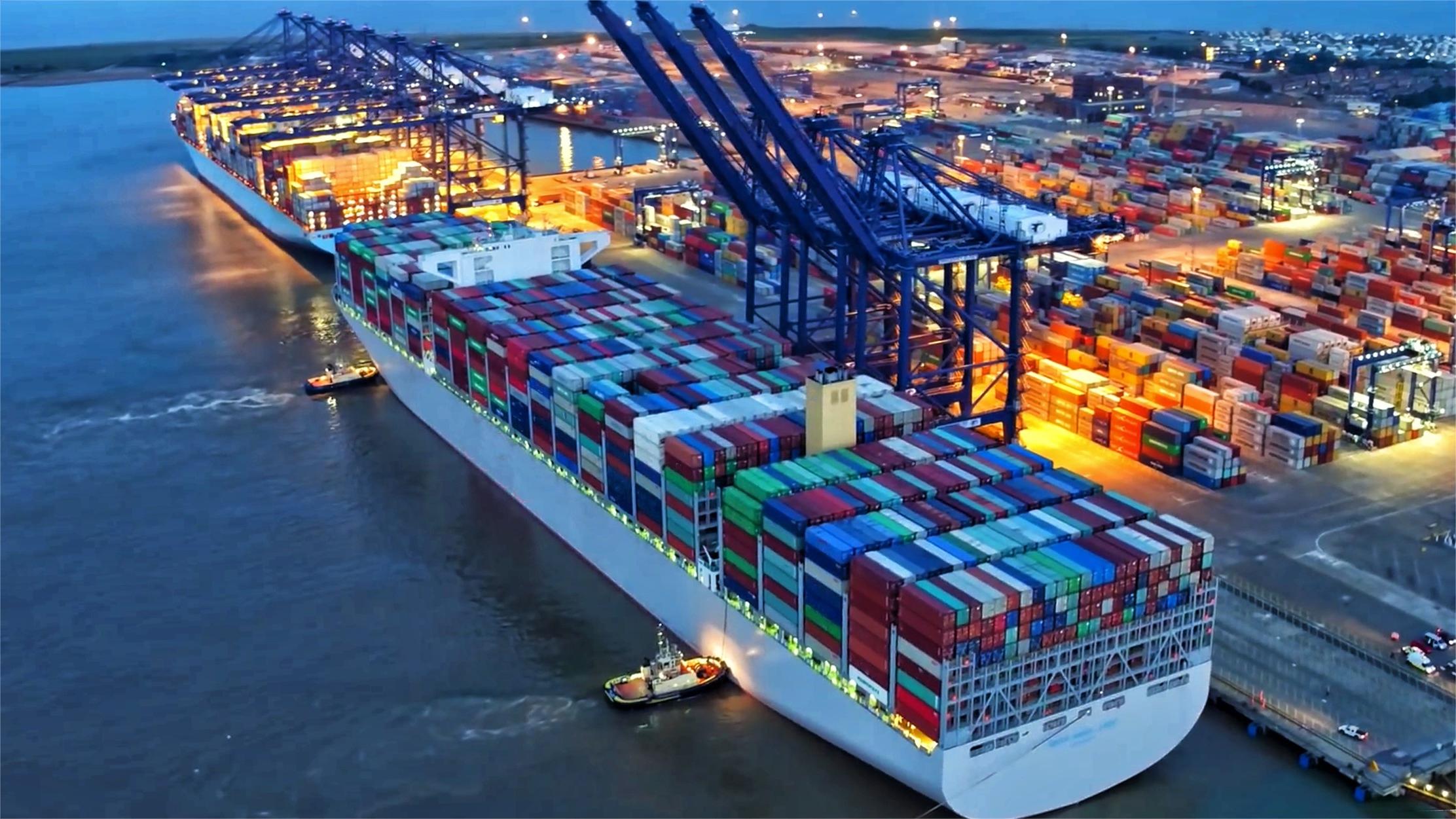
Furthermore, sea freight offers unparalleled capacity for oversized or heavy machinery that other methods cannot accommodate. Additionally, modern vessels utilize advanced tracking technology to provide real-time updates on your shipment status. As a result, importers can plan their warehouse distribution with higher precision and confidence.

Nevertheless, the choice between different maritime options depends on your specific cargo needs and budget constraints. For instance, high-value electronics might require different handling than bulk raw materials. Specifically, maritime logistics providers offer various specialized services to ensure every type of product receives the appropriate level of care during transit.
How Long Does Ocean Freight China to Japan Take for Delivery?
Transit times for this route are surprisingly fast due to the geographical closeness of the two nations. Typically, a direct shipment from Shanghai to Tokyo takes between 5 to 9 days under normal conditions. However, factors such as port congestion or seasonal weather patterns can occasionally extend this duration by several days.
In addition, choosing a door-to-door service adds time for inland transportation at both the origin and destination. Meanwhile, transshipment through intermediate ports might be necessary for certain regional routes, which naturally increases the total schedule. Consequently, shippers should always factor in a buffer of 2-3 days for unexpected delays in the logistics chain.
Notably, different ports in Japan have varying processing speeds and infrastructure capabilities. For example, the Port of Tokyo often handles higher volumes than the Port of Nagoya, which can influence the time required for vessel berthing. Therefore, selecting the optimal port of discharge is a critical step in streamlining your maritime operations.
| Origin Port | Destination Port | Average Transit Time | Frequency |
|---|---|---|---|
| Shanghai | Tokyo | 5-7 Days | Daily |
| Ningbo | Osaka | 6-8 Days | 3-4 times/week |
| Shenzhen | Yokohama | 8-11 Days | Weekly |
| Qingdao | Nagoya | 4-6 Days | Daily |
What Are the Current Rates for Ocean Freight China to Japan?
Freight rates for the China-Japan corridor fluctuate based on fuel prices, container availability, and seasonal demand. As of early 2025, the market has stabilized, though peak seasons still command higher prices. Specifically, shipping a 20-foot container (FCL) generally costs between 800 and 1,200 USD depending on the specific port pair.
On the other hand, Less than Container Load (LCL) shipments are priced per cubic meter, making them ideal for smaller batches. For instance, LCL rates currently range from 40 to 70 USD per CBM, excluding local handling fees. Consequently, small and medium enterprises can access global markets without the need to fill an entire container.
Note: Freight rates are subject to change based on fuel costs, carrier capacity, and seasonal demand. Contact us for a current quote tailored to your specific shipment.
How Does Ocean Freight China to Japan Compare to Other Shipping Options?
While ocean freight is the most common choice, businesses must evaluate it against alternatives like air freight or express services. Indeed, air transport provides unmatched speed for urgent deliveries but comes at a significantly higher price point. Therefore, the decision usually hinges on the trade-off between cost and time-to-market requirements.
Furthermore, express service is best suited for documents or very small parcels under 100 kilograms. In contrast, ocean freight becomes increasingly economical as the weight and volume of the cargo increase. As a result, most supply chain managers prefer a hybrid approach, using sea for bulk stock and air for emergency replenishment.
Moreover, the environmental impact of maritime transport is considerably lower than that of air travel. Consequently, companies focused on sustainability often prioritize sea routes to meet their corporate social responsibility goals. Specifically, the carbon footprint per ton-mile for a container ship is a fraction of that for a cargo plane.
| Shipping Method | Cost Range | Transit Time | Best For |
|---|---|---|---|
| Ocean Freight | 800 – 1,500 USD | 6-12 Days | Bulk / Heavy Goods |
| Air Freight | 3.50 – 6.00 USD/kg | 1-3 Days | High-value / Urgent |
| Express | 6.00 – 9.00 USD/kg | 1-2 Days | Small Parcels |
Which Option Should You Choose for Your Specific Needs?
Selecting the right method requires a clear understanding of your business priorities and cargo characteristics. If your primary goal is budget optimization, ocean freight is undoubtedly the superior choice for shipments over 2 cubic meters. However, if you are launching a new product with a tight deadline, the speed of air transport might justify the additional expense.
Additionally, businesses shipping to Japanese fulfillment centers should consider specialized Amazon FBA logistics. These services are tailored to meet strict delivery windows and labeling requirements mandated by major e-commerce platforms. Consequently, choosing a provider with experience in Japanese retail standards can prevent costly rejections at the warehouse.
In summary, consider the following framework for your decision: use sea freight for standard inventory, air for high-margin perishables, and express for samples. Furthermore, always consult with a logistics expert to identify potential cost-saving opportunities through cargo consolidation. Indeed, a well-planned strategy can provide a significant competitive advantage in the Japanese market.
What Documentation Is Needed for Ocean Freight China to Japan?
Navigating the legal requirements for international trade is essential for a smooth customs experience. Specifically, you will need a commercial invoice, a detailed packing list, and a bill of lading to clear your goods. Furthermore, a Certificate of Origin may be required to benefit from regional trade agreements between China and Japan.
In addition, utilizing a professional customs brokerage service can help you avoid common pitfalls such as incorrect tariff classification. Notably, Japan has strict regulations regarding food products, chemicals, and electronics that require specialized permits. Therefore, verifying all compliance documents before the vessel leaves the Chinese port is a vital step.
Consequently, any errors in documentation can lead to significant delays and expensive storage fees at the Japanese port. Meanwhile, some shipments may be subject to random inspections by Japanese customs officials to ensure safety and security. Thus, maintaining transparent and accurate records is the best way to facilitate a rapid clearance process.
Understanding FCL vs LCL for Ocean Freight China to Japan
Full Container Load (FCL) is the preferred method for large shipments where the importer has enough goods to fill a 20-foot or 40-foot container. Because the container is dedicated to one shipper, it generally involves less handling and a lower risk of damage. Additionally, FCL shipments often move faster because they do not require the consolidation process at the warehouse.
Conversely, Less than Container Load (LCL) allows multiple shippers to share space within a single container. This is an excellent solution for businesses with smaller volumes that do not justify the cost of an entire unit. However, LCL shipments may take slightly longer due to the time needed for loading and unloading various cargoes at the container freight station.
Therefore, the choice between FCL and LCL often comes down to a cost-benefit analysis based on your total volume. Generally, if your shipment exceeds 15 cubic meters, switching to FCL becomes more economical. Meanwhile, smaller shipments benefit from the flexibility and lower entry cost that LCL provides to growing businesses.
Real-World Case Studies for Ocean Freight China to Japan
Case Study 1: Electronics from Shenzhen to Osaka. A tech company needed to ship 15 CBM of consumer electronics. They chose LCL shipping to manage their inventory levels without overstocking. The total cost was 1,850 USD, including all local charges, and the goods arrived in 11 days. This allowed the client to meet their seasonal launch deadline efficiently.
Case Study 2: Furniture from Shanghai to Tokyo. A retail chain imported a full 40HQ container of home furniture. By using a direct sea route, they achieved a total landed cost of 2,400 USD. The sea transit took only 7 days, and customs clearance was completed in 48 hours. Consequently, the retailer maintained high profit margins by minimizing logistics overhead.
Case Study 3: Industrial Parts from Qingdao to Nagoya. A manufacturing firm shipped 20 tons of steel components via 20GP container. They utilized a specialized maritime carrier to ensure heavy load stability. The shipment cost 1,150 USD and arrived in 5 days. Notably, the proximity of Qingdao to Japan allowed for a transit time that rivaled some air services at a fraction of the cost.
How to Optimize Your Logistics for Ocean Freight China to Japan
Optimization starts with early booking to secure space on the most efficient vessels. Moreover, consolidating multiple small orders into a single FCL shipment can lead to significant savings on per-unit transport costs. Additionally, optimizing your packaging to maximize container space utilization reduces the amount of ‘dead air’ you pay for.
Furthermore, staying informed about Japanese holiday schedules, such as Golden Week, is crucial for avoiding port closures. In contrast, shipping during the off-peak season can often result in lower freight rates and faster processing times. Therefore, a proactive approach to scheduling can prevent the stress of last-minute logistics hurdles.
Finally, always invest in comprehensive cargo insurance to protect your investment against unforeseen maritime risks. While modern shipping is very safe, the unpredictable nature of the sea means that accidents can happen. Indeed, the peace of mind provided by insurance is well worth the small additional premium for high-value shipments.
Final Thoughts on Shipping from China to Japan
In conclusion, mastering ocean freight china to japan is a fundamental skill for any business involved in East Asian trade. By understanding the differences between FCL and LCL, and knowing when to use sea versus air, you can build a resilient supply chain. Moreover, the 2025 market offers numerous opportunities for those who partner with experienced logistics providers. Therefore, take the time to plan your routes, prepare your documentation, and choose the most efficient maritime solutions for your needs.
Ready to streamline your logistics?
For personalized support and competitive rates on your next shipment, contact our expert team today. We provide tailored solutions for ocean freight china to japan to ensure your business stays ahead of the competition. Visit Top China Freight to request a free quote and start optimizing your supply chain now.
Request Quote