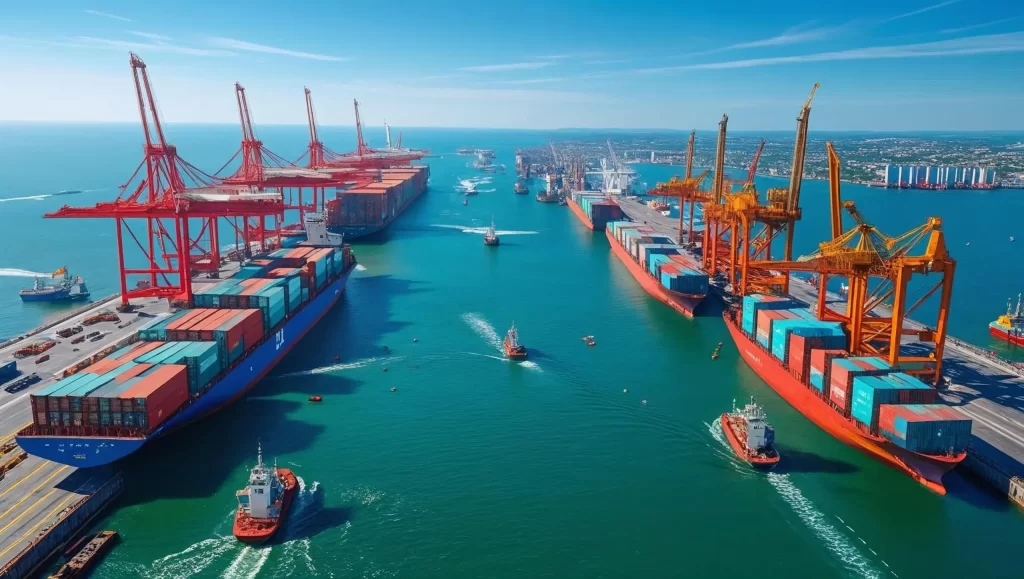
Global trade depends on efficient logistics, and ocean freightfrom China remains the most widely used shipping option worldwide. Although air freight offers faster delivery, businesses still rely heavily on sea shipping for cost efficiency, scalability, and flexible cargo options. Understanding freight costs, container types, transit times, and customs procedures helps importers optimize supply chains and stay competitive.
Why Do Importers Rely on Ocean Freight from China?
Ocean freight dominates international trade because of its unique advantages:
Lower cost per unit compared with air or courier services.
Capacity for bulk shipments, moving large quantities at once.
Multiple container choices, including FCL and LCL.
Moreover, container shipping allows companies to plan production cycles and inventory levels with predictable schedules.
How Much Does Ocean Freight from China Cost?
Pricing depends on route, port congestion, container size, and market conditions.
Container Pricing (2025 Estimates)
Route (China → US)
20GP
40GP
40HQ
Shanghai → LALB
$2,200–$2,600
$3,900–$4,300
$4,200–$4,600
Ningbo → NYC
$3,600–$4,100
$6,700–$7,200
$7,000–$7,500
Shenzhen → Miami
$3,800–$4,400
$6,900–$7,400
$7,200–$7,700
Accordingly, planning early and comparing multiple carriers helps avoid seasonal surcharges.
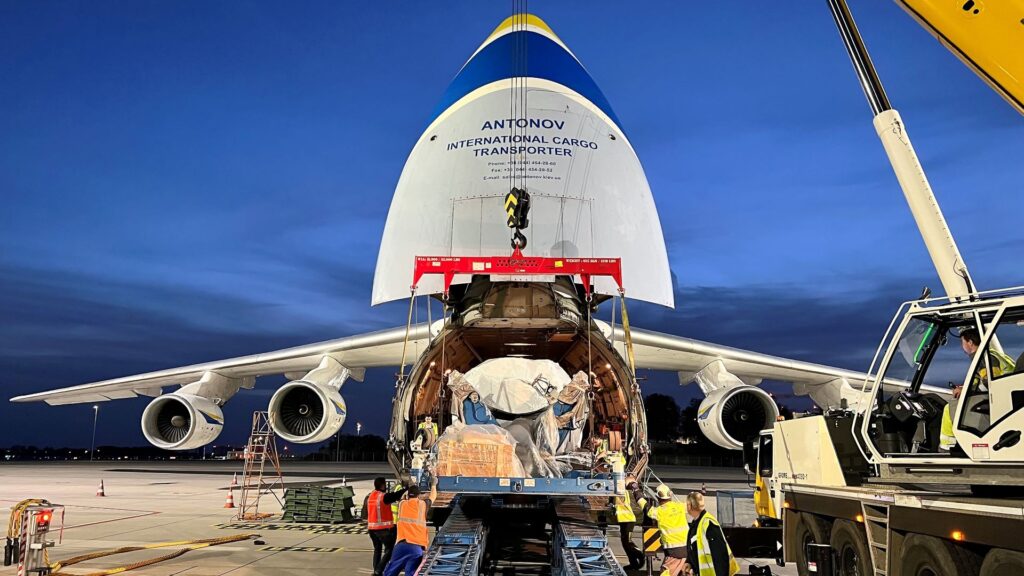
On the other hand, air freight remains essential for urgent, high-value cargo.
How to Lower Ocean Freight Costs
Strategies include:
Book shipments early before peak season.
Consolidate cargo to maximize container space.
Negotiate contracts with forwarders for stable rates.
Optimize packaging to avoid volumetric waste.
Use alternate ports to bypass congestion.
Indeed, proactive planning is key to reducing total landed costs.
Why Work with Freight Forwarders?
Forwarders bring several advantages:
Access to competitive wholesale rates.
Priority space reservations during peak months.
Expertise in customs clearance.
Multimodal shipping solutions for flexibility.
Consequently, even small importers benefit from their support in international trade.
Conclusion
To summarize, ocean freight from China offers the most affordable and scalable logistics solution for importers. While slower than air transport, sea shipping enables cost-effective bulk transport across major trade lanes. By selecting the right container type, preparing customs documents carefully, and working with experienced freight forwarders, businesses can lower expenses and avoid delays. Ultimately, managing ocean freight from China effectively ensures competitive advantage in global supply chains.
Consult TJ China Freight Forwarding for the lowest quote. They will provide you with reliable, cost-effective service.