


Open Top FCL demurrage prevention for lighting from China to France
Shipping oversized lighting fixtures often requires specialized equipment to ensure safe delivery across international borders. Achieving successful Open Top FCL demurrage prevention for lighting from China to France requires meticulous planning and a deep understanding of maritime logistics. By partnering with Top China Freight, importers can navigate the complexities of container management and avoid unnecessary port storage fees.

What is Open Top FCL Demurrage and Why Does It Matter?
Demurrage refers to the charges that occur when a container remains inside a port terminal beyond the allotted free time. For specialized equipment like open top containers, these daily rates are significantly higher than standard dry vans. Consequently, failing to move your cargo quickly can lead to thousands of dollars in unexpected expenses.
Moreover, the specialized nature of lighting equipment often complicates the discharge process. Because these items frequently exceed standard container heights, they require crane handling that must be scheduled in advance. Therefore, understanding the distinction between demurrage and detention is vital for any business importing from China.
Detention occurs once the container has left the port but is not returned to the carrier within the agreed timeframe. Indeed, both charges can accumulate simultaneously if the supply chain is not tightly managed. Meanwhile, French ports like Le Havre and Marseille have strict regulations regarding how long oversized cargo can sit on the dock.
Why Lighting Shipments from China to France Face High Demurrage Risks
Lighting fixtures are often fragile and bulky, necessitating the use of sea freight solutions that accommodate non-standard dimensions. Open top containers are ideal for these products, yet they are in shorter supply than standard containers. As a result, any delay in the return of the equipment causes a ripple effect through the carrier’s network.
Furthermore, the customs clearance process in France can be rigorous for electrical goods. Customs officials may require specific certifications such as the CE mark or detailed technical drawings before releasing the goods. Consequently, if these documents are not prepared in advance, the container will sit idle at the port.
Additionally, the physical transport of open top containers requires specialized trailers. If your local haulier in France does not have the correct chassis available on the day of arrival, you will inevitably face port storage fees. Nevertheless, most of these issues are preventable with proactive communication.
How Does Open Top FCL Compare to Other Shipping Options?
Evaluating different transport modes is essential for finding the most cost-effective solution for your specific cargo volume. While open top FCL provides maximum security for oversized lighting, other methods might offer more flexibility or lower risk of port-side delays. For instance, smaller shipments might benefit from different consolidation strategies.
On the other hand, air freight offers the fastest transit times but comes at a significantly higher price point. For high-value designer lighting, the speed of air transport might justify the cost by eliminating the risk of maritime demurrage entirely. However, for bulk commercial orders, sea transport remains the standard choice.
In contrast, rail freight has become a viable alternative for shipments moving from China to Europe. While it is faster than the sea route, it has limitations regarding the height of the cargo due to tunnel clearances. Accordingly, you must verify that your lighting fixtures fit within the rail gauge before booking.
| Shipping Method | Cost Range (USD) | Transit Time | Best For |
|---|---|---|---|
| Open Top FCL | 3500 – 5500 | 35-45 Days | Oversized/Tall Cargo |
| Standard FCL | 2500 – 4000 | 35-40 Days | Standard Dimensions |
| Air Freight | 12000 – 18000 | 5-10 Days | Urgent/High Value |
| Rail Freight | 4000 – 6000 | 20-28 Days | Mid-sized Shipments |

Strategies for Open Top FCL Demurrage Prevention for Lighting from China to France
Negotiating extended free time with the shipping line is the first step toward effective cost control. Most carriers offer a standard 5 to 7 days of free time at the port of discharge. However, you can often request up to 14 or 21 days if you book through an experienced freight forwarder.
Another effective strategy involves utilizing customs brokerage services that specialize in French import regulations. By filing the entry before the vessel actually arrives, you can ensure that the cargo is cleared the moment it hits the dock. Indeed, pre-clearance is one of the most powerful tools in your logistics arsenal.
Furthermore, you should always have a backup haulier ready in France. If your primary trucking company experiences a breakdown or scheduling conflict, having a secondary partner prevents the container from sitting in the terminal. Consequently, this redundancy minimizes the risk of crossing the free-time threshold.
Essential Documentation to Avoid Customs Delays
Incomplete paperwork is the leading cause of container delays at French ports. You must ensure that the Commercial Invoice, Packing List, and Bill of Lading are perfectly synchronized. For example, any discrepancy in the weight or piece count can trigger a mandatory customs inspection.
Specifically for lighting, you must provide the correct HS codes to determine the applicable duties and taxes. France requires strict adherence to safety standards, so keep your CE certificates and test reports easily accessible. Additionally, a Certificate of Origin may be required to benefit from specific trade agreements.
Without a doubt, digital documentation management is the modern standard. Using a cloud-based platform to share files with your forwarder and the French customs office ensures that everyone has the latest versions. Therefore, you avoid the time-consuming process of mailing physical documents across continents.
| Document Name | Required By | Purpose | Timing |
|---|---|---|---|
| Bill of Lading | Carrier/Customs | Title of Goods | Before Arrival |
| Packing List | Port/Customs | Cargo Detail | At Loading |
| CE Certificate | EU Authorities | Safety Compliance | Pre-shipment |
| Import Declaration | French Customs | Tax Assessment | Pre-arrival |
Real-World Case Studies in Lighting Logistics
Examining actual shipping scenarios provides valuable insights into the challenges and solutions of the China-France route. These examples highlight how proactive planning can save significant amounts of money. Each case represents a typical challenge faced by importers of oversized lighting equipment.
Case Study 1: High-End Chandeliers from Guzhen to Paris. This shipment involved 12 oversized wooden crates containing delicate crystal chandeliers. By using a 40-foot open top container and securing 14 days of free time, the importer avoided $2,400 in potential demurrage when the French warehouse was temporarily over capacity.
Case Study 2: Industrial Floodlights from Ningbo to Lyon. The cargo was height-restricted and required top-loading via crane. Through efficient door to door coordination, the container was moved from the Port of Fos-sur-Mer to the final destination within 48 hours of discharge, resulting in zero extra fees.
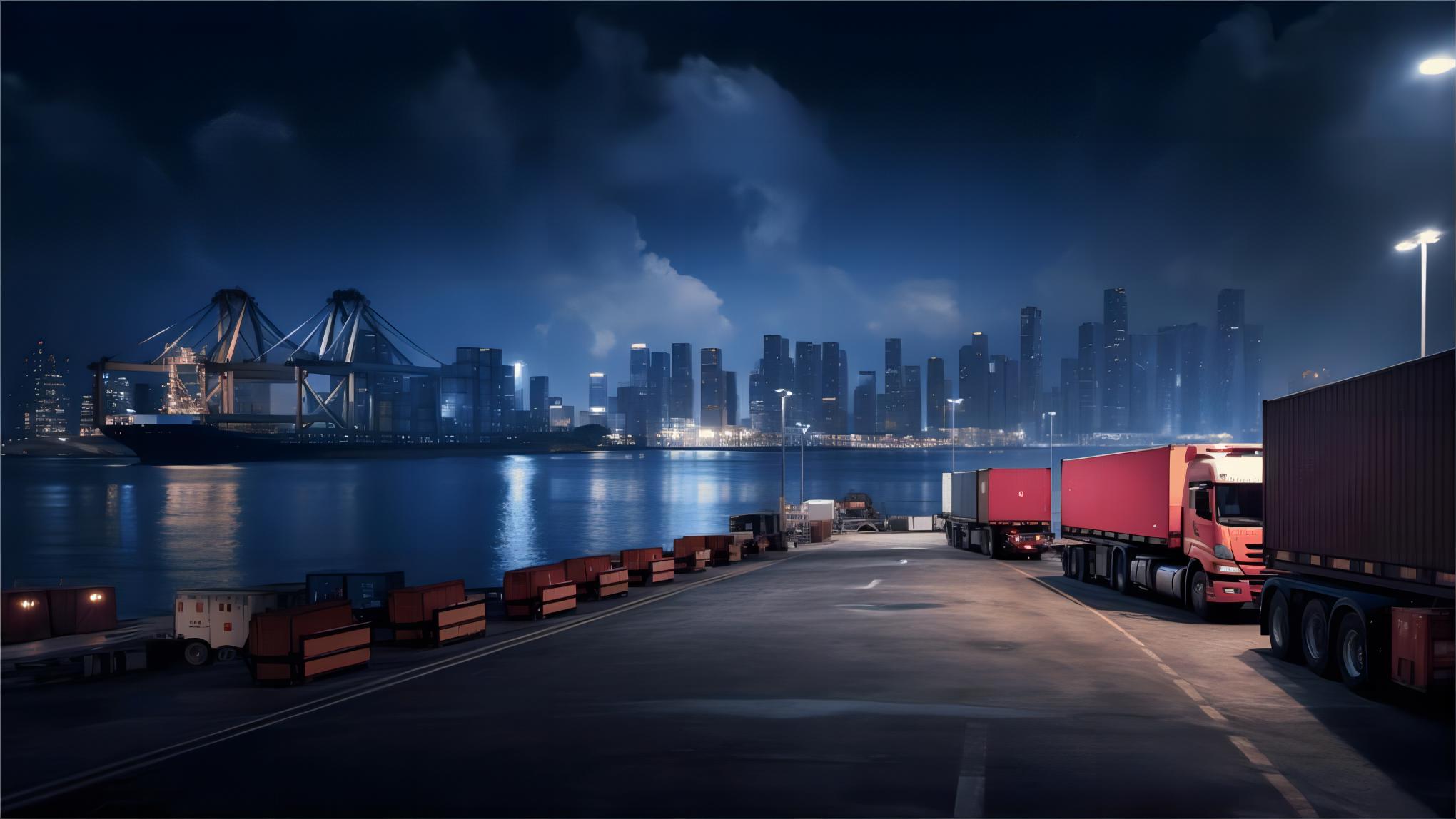
Case Study Details: Successful Lighting Deliveries
Case Study 1: Luxury Chandelier Project. Origin: Zhongshan, China. Destination: Paris, France. Cargo: 15 CBM of glass lighting. Method: 40OT FCL. Ocean Freight: $4,200. Transit Time: 38 days. Key Insight: Pre-negotiated free time allowed for a 3-day customs delay without penalty.
Case Study 2: Commercial Warehouse Lighting. Origin: Ningbo, China. Destination: Marseille, France. Cargo: 2800kg industrial LEDs. Method: 20OT FCL. Ocean Freight: $3,100. Transit Time: 34 days. Key Insight: Early submission of CE documents led to immediate release upon arrival.
Market data as of early 2025 suggests that rates for open top containers remain 20 percent higher than standard units due to equipment scarcity. Note: Freight rates are subject to change based on fuel costs, carrier capacity, and seasonal demand. Contact us for a current quote tailored to your specific shipment.
Decision Framework: Which Shipping Option Should You Choose?
Selecting the right container type and route depends on your specific priorities regarding cost and speed. If your lighting fixtures are over 2.6 meters tall, an open top container is likely your only sea freight option. However, if the items can be tilted or disassembled, a standard 40HQ container might save you over $1,000 per shipment.
Budget priority: If cost is your main concern, choose Sea FCL with a direct route to Le Havre. While it takes longer, the per-unit shipping cost is the lowest. Speed priority: If you have a strict installation deadline in France, consider a hybrid sea-air solution or direct air freight to Charles de Gaulle airport.
Volume thresholds: For shipments under 15 CBM, LCL might seem cheaper, but the risk of damage to fragile lighting is much higher. In contrast, FCL provides a dedicated environment for your goods. Consequently, most lighting importers prefer FCL even if the container is not completely full.
Mastering Logistics for Success
To summarize, achieving Open Top FCL demurrage prevention for lighting from China to France is a matter of preparation and partnership. By focusing on documentation accuracy, negotiating free time, and choosing the right transport mode, you can protect your profit margins. Furthermore, staying informed about market trends and port conditions in France will help you anticipate potential hurdles.
Ultimately, the goal is to create a seamless flow of goods from the Chinese factory to the French consumer. While challenges like port congestion and equipment shortages will always exist, a proactive strategy minimizes their impact. Indeed, successful importers are those who treat logistics as a core part of their business strategy rather than an afterthought.

Ready to streamline your logistics?
Are you ready to optimize your supply chain and ensure Open Top FCL demurrage prevention for lighting from China to France? Our team of experts is standing by to provide a customized quote and help you navigate the complexities of international shipping. Visit our website today to learn more about our specialized logistics solutions and secure your next shipment with confidence.
Request Quote