


Open Top FCL freight rate for lighting from China to Poland
Securing a competitive Open Top FCL freight rate for lighting from China to Poland requires a deep understanding of specialized equipment costs and seasonal market fluctuations. Importers often face challenges when transporting oversized chandeliers or industrial lighting fixtures that do not fit into standard containers. By partnering with Top China Freight, businesses can navigate these complexities while ensuring their fragile cargo arrives safely at its Polish destination. This guide provides a comprehensive breakdown of current pricing, alternative shipping methods, and essential logistics tips for the European market.

What determines the Open Top FCL freight rate for lighting from China to Poland?
Several critical factors influence the final cost of shipping oversized lighting via open top containers. Firstly, the availability of special equipment like 20-foot or 40-foot open top units fluctuates significantly based on port inventory in China. Consequently, these containers often command a premium over standard dry vans due to their unique loading capabilities.
Fuel surcharges and carrier capacity also play a major role in monthly price adjustments. For example, during peak manufacturing seasons in Guangdong, demand for space on vessels heading to Gdansk or Gdynia spikes. Therefore, shippers must account for these variables when calculating their total landed cost for lighting projects.
Moreover, the specific dimensions and weight of the lighting fixtures dictate whether a 20OT or 40OT is more cost-effective. Indeed, larger industrial units might require specialized lashing and securing, which adds to the overall handling fees at the port of loading. Understanding these nuances is essential for any business importing from China to Europe.
Finally, the choice of shipping route impacts the base rate significantly. Direct services usually cost more but offer faster transit, while transshipment options can lower the price at the expense of time. Accordingly, balancing budget and speed is a fundamental part of the logistics planning process.
Why use Open Top containers for lighting equipment?
Open top containers provide the necessary flexibility for loading tall or awkwardly shaped lighting components from above using a crane. Specifically, high-end architectural lighting often exceeds the height limits of a standard 40HQ container. Furthermore, these units allow for easier access to fragile glass or crystal elements that require vertical placement.
Additionally, using sea freight with open top equipment ensures that oversized items remain protected by a removable tarpaulin. This setup prevents damage from environmental factors while maintaining the structural integrity of the cargo. Most importantly, it simplifies the unloading process at Polish warehouses that utilize overhead lifting gear.
Nevertheless, shippers must ensure that the cargo is properly crated to withstand the stresses of ocean transit. Without a doubt, professional packing is as important as the container choice itself. Therefore, investing in high-quality wooden crates can prevent costly insurance claims and delivery delays.
How Does Open Top FCL Compare to Other Shipping Options?
While open top containers are ideal for oversized lighting, other methods might be more suitable depending on the shipment size and urgency. For instance, air freight offers unmatched speed for urgent project deadlines but at a significantly higher cost. On the other hand, rail freight provides a middle ground for transit time and budget.
The following table illustrates how different shipping methods compare for the China to Poland route. It is important to note that these figures are averages and can vary based on specific cargo requirements. Consequently, evaluating all options is vital for optimizing your supply chain efficiency.
| Method | Cost Range | Transit Time | Best For |
|---|---|---|---|
| Open Top FCL | $3,200 – $4,800 | 30-40 Days | Oversized/Tall Cargo |
| Standard FCL | $2,200 – $3,800 | 30-35 Days | Bulk Standard Boxes |
| Rail Freight | $4,500 – $6,500 | 16-22 Days | Mid-range Speed |
| Air Freight | $15,000+ | 5-8 Days | Urgent Samples |
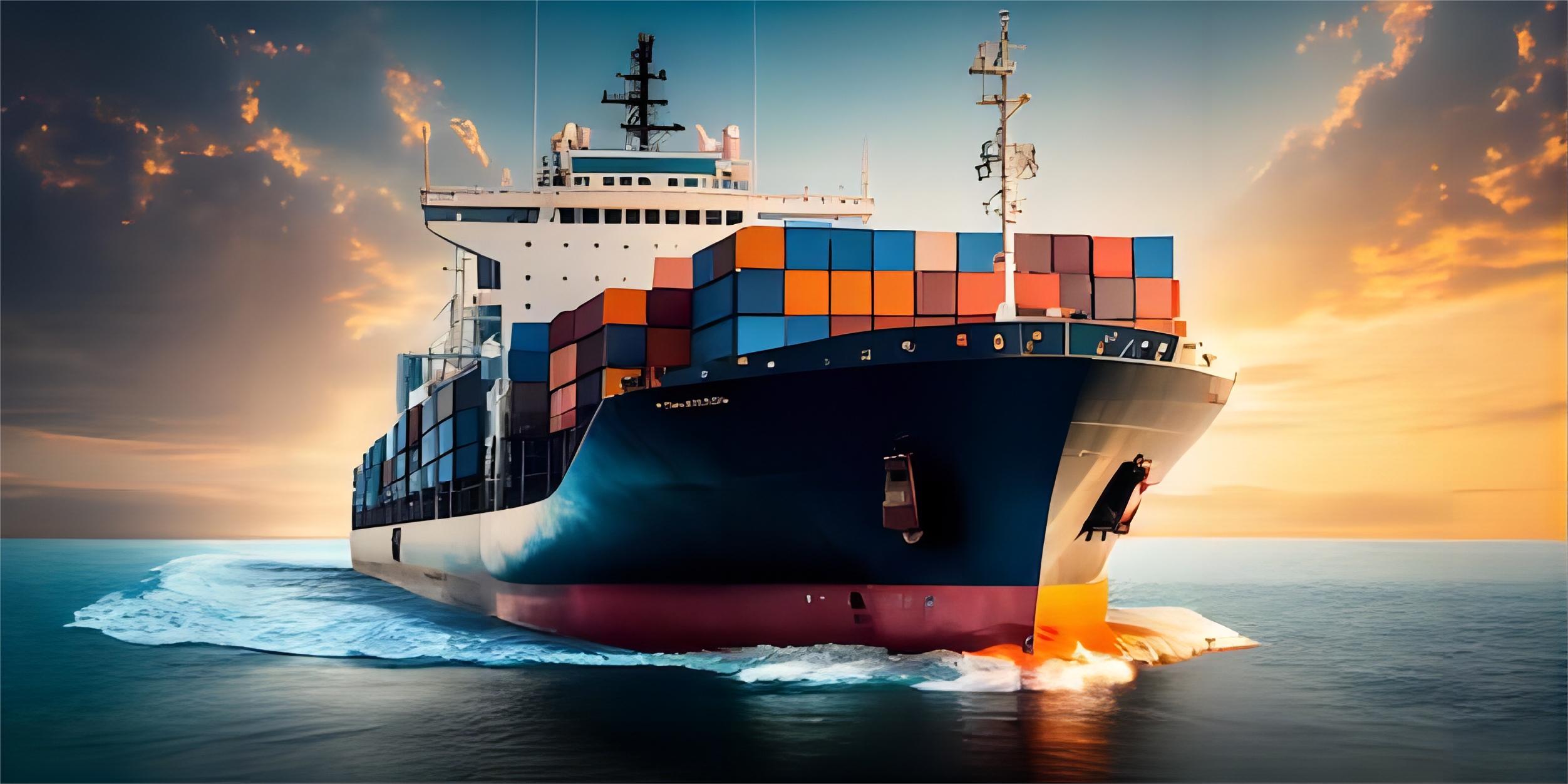
Typical Open Top FCL freight rate for lighting from China to Poland and transit times
As of early 2025, the Open Top FCL freight rate for lighting from China to Poland has seen moderate stabilization compared to previous years. Generally, a 40-foot open top container from Shenzhen to Gdansk ranges between $3,500 and $4,500. Meanwhile, smaller 20-foot units typically cost about 70 percent of the larger container rate.
Transit times remain relatively consistent, with most vessels taking approximately 32 to 38 days to reach Poland from major Chinese ports. However, port congestion or weather conditions can occasionally extend this window by several days. Therefore, we recommend booking at least three weeks in advance to secure equipment and space.
Shipping from China to Europe involves navigating various maritime corridors, including the Suez Canal. Any disruptions in these areas can lead to surcharges or rerouting, which ultimately affects the final freight rate. Indeed, staying informed about global maritime trends is crucial for accurate budgeting.
| Port of Loading | Port of Discharge | Container | Est. Rate |
|---|---|---|---|
| Shanghai | Gdansk | 40OT | $3,800 – $4,600 |
| Shenzhen | Gdynia | 40OT | $3,600 – $4,400 |
| Ningbo | Gdansk | 20OT | $2,700 – $3,300 |
| Xiamen | Gdynia | 40OT | $3,900 – $4,700 |
Essential Customs Documentation for Poland Imports
Importing lighting into Poland requires strict adherence to European Union customs regulations. Specifically, the customs brokerage process involves verifying CE certification for all electrical components. Furthermore, failure to provide accurate documentation can lead to expensive storage fees at the port.
In addition to standard invoices, you must provide a detailed packing list and a Bill of Lading. For lighting, a Certificate of Origin may also be required to determine eligibility for certain trade agreements. Consequently, working with a knowledgeable forwarder ensures all paperwork is prepared correctly before the ship arrives.
Note: Freight rates are subject to change based on fuel costs, carrier capacity, and seasonal demand. Contact us for a current quote tailored to your specific shipment.
| Document | Purpose | Requirement |
|---|---|---|
| Commercial Invoice | Value Declaration | Mandatory |
| Packing List | Cargo Description | Mandatory |
| CE Certificate | Safety Compliance | Mandatory for LED |
| Bill of Lading | Title of Goods | Mandatory |
Alternative Strategies for Shipping Lighting to Poland
If the Open Top FCL freight rate for lighting from China to Poland exceeds your budget, several alternative strategies exist. For example, rail freight offers a faster alternative for shipments that do not require specialized top-loading. Specifically, the New Silk Road connects major Chinese hubs directly to Małaszewicze in Poland.
Another option is to disassemble larger lighting fixtures to fit into standard 40HQ containers. This approach significantly reduces freight costs but increases labor requirements for reassembly at the destination. Moreover, it minimizes the risk of damage associated with open-top tarpaulins during long sea voyages.
For smaller shipments, Less than Container Load (LCL) might be feasible if the items are not oversized. However, for lighting projects involving multiple large units, FCL remains the most secure and cost-effective choice. Ultimately, the best strategy depends on your specific balance of cost, time, and cargo safety.
Which Option Should You Choose?
Selecting the right shipping method depends on your primary business objectives. If your priority is minimizing costs and your cargo fits standard dimensions, then standard FCL is the logical choice. On the other hand, if you are handling oversized luxury chandeliers, the open top container is indispensable.
For those requiring door to door delivery with a tight deadline, rail freight provides a reliable alternative to sea transit. Additionally, consider the volume of your shipment; once you exceed 15 CBM, FCL usually becomes more economical than LCL. Without a doubt, consulting with a logistics expert can help you identify the most efficient route.
Furthermore, businesses should consider the total landed cost rather than just the ocean freight rate. This includes inland trucking in China, port charges, and final delivery in Poland. By analyzing these factors holistically, you can make a data-driven decision that supports your bottom line.
Real Case Studies: Shipping Lighting via Open Top Container
Case Study 1: Large Industrial Pendant Lights. Route: Guzhen to Warsaw. Cargo: 12 oversized industrial pendants, 35 CBM. Container: 40OT. Shipping Details: Direct sea freight via Gdansk. Cost Breakdown: Ocean Freight $4,200, Origin Charges $450, Destination Charges $600. Timeline: 36 days total. Key Insight: Top-loading saved 4 hours of labor and prevented damage to the fragile frames.
Case Study 2: Architectural LED Installations. Route: Ningbo to Gdansk. Cargo: Custom LED strips and frames, 18 CBM. Container: 20OT. Shipping Details: Transshipment via Singapore. Cost Breakdown: Ocean Freight $2,900, Origin Charges $380, Destination Charges $550. Timeline: 42 days total. Key Insight: Using a 20OT was 20 percent cheaper than a 40OT despite the longer transit time. Based on Q4 2024 market rates.

Final Thoughts on Lighting Freight to Poland
Successfully managing the Open Top FCL freight rate for lighting from China to Poland requires proactive planning and a clear understanding of market dynamics. By choosing the right container type and shipping method, importers can protect their fragile cargo while controlling costs. Moreover, staying updated on customs requirements and alternative routes will ensure a smoother supply chain experience.
Whether you prioritize speed via rail or cost-efficiency through sea freight, the key is to work with a partner who understands the nuances of oversized lighting logistics. As the market evolves in 2025, maintaining flexibility in your shipping strategy will remain a competitive advantage. Contact us today to start your next successful import journey from China to Poland.

Ready to streamline your logistics?
Are you ready to optimize your logistics and secure the best Open Top FCL freight rate for lighting from China to Poland? Contact Top China Freight today for a customized quote and expert guidance on your next shipment. Visit our website to learn more about our specialized cargo solutions.
Request Quote