Open Top FCL shipping cost for electronics from China to Seattle
Navigating the complexities of international logistics requires a deep understanding of specialized equipment costs. Determining the Open Top FCL shipping cost for electronics from China to Seattle is essential for businesses transporting oversized manufacturing machinery or sensitive high-tech components that cannot fit in standard containers. By partnering with a reliable provider like Top China Freight, importers can manage these unique requirements while maintaining budget efficiency. This guide explores the variables influencing freight rates and provides actionable insights for your Pacific Northwest supply chain.
What Defines Open Top FCL for Electronics Shipments?
Open top containers feature a removable tarpaulin roof rather than a solid steel top. This design facilitates the loading of oversized cargo that exceeds the height of a standard unit. Electronics manufacturers often use these containers for heavy machinery, large server racks, or industrial cooling units.
Choosing a full container load (FCL) ensures that your sensitive electronics remain isolated from other shippers’ goods. Consequently, this reduces the risk of physical damage during the transit from China to Seattle. Furthermore, the ability to load from the top using cranes is often a necessity for specialized production equipment.
Standard dimensions for these units typically mirror 20-foot and 40-foot containers. However, the lack of a permanent roof necessitates careful lashing and securing to prevent movement during sea swells. Therefore, understanding the structural limitations is the first step in calculating your total logistics spend.
Primary Factors Influencing Open Top FCL shipping cost for electronics from China to Seattle
Ocean freight rates for open top equipment are generally higher than standard dry vans. This price gap exists because open top units are less common in a carrier’s inventory. Additionally, carriers often charge a premium for the specialized handling required at both the port of loading and the port of discharge.
Out-of-gauge (OOG) surcharges represent a significant portion of the total expense. If your electronic cargo exceeds the height of the container walls, it prevents other containers from being stacked on top. Consequently, the shipping line loses potential slot space, and they pass this lost revenue cost to the shipper.
Seasonal demand also plays a critical role in pricing fluctuations. During the peak season from August through October, rates to the US West Coast often spike due to increased consumer electronics volume. Moreover, fuel surcharges and currency adjustment factors can shift the final invoice amount significantly.
The Impact of Port Congestion and Labor
Port efficiency in Seattle and Tacoma directly affects your landed cost. Delays in berthing can lead to demurrage and detention fees, which accumulate daily. To mitigate these risks, many shippers utilize sea freight experts who can negotiate better free-time terms.
How Does Open Top FCL Compare to Other Shipping Options?
Evaluating alternative methods is vital for optimizing your logistics budget. While open top containers offer specialized access, they are not always the most economical choice for every electronics shipment. For instance, if the cargo can be disassembled, a standard 40HQ container might save thousands of dollars.
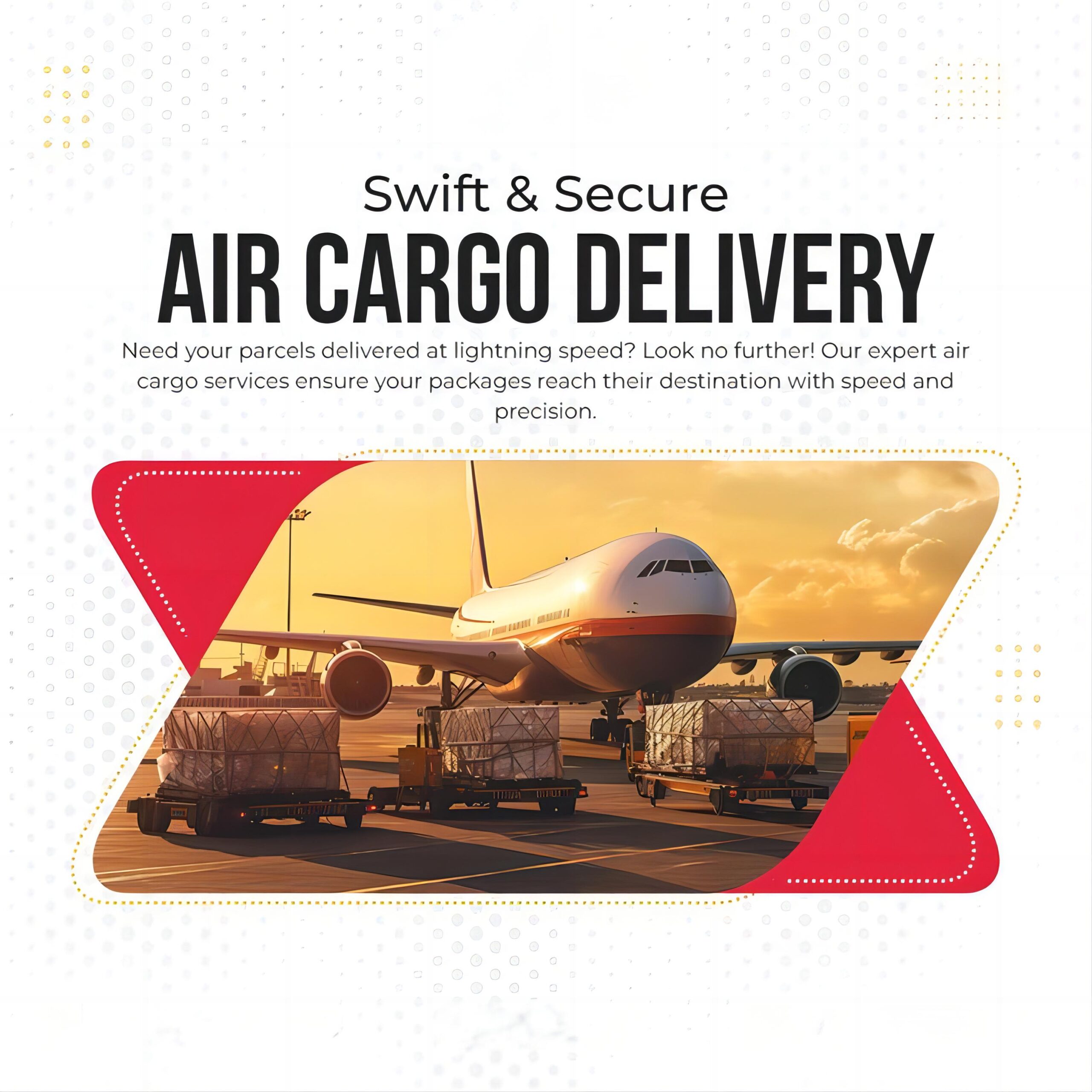
Air freight remains the fastest option but carries a prohibitive price tag for heavy machinery. In contrast, flat rack containers are used for cargo that is both over-height and over-width. Selecting the right equipment requires a balance between speed, safety, and total expenditure.
| Open Top FCL | $3,500 – $6,500 | 15-20 Days | Over-height machinery |
| Standard FCL | $2,500 – $4,500 | 14-18 Days | Boxed electronics |
| Flat Rack | $4,500 – $8,000 | 18-22 Days | Oversized/Wide units |
| Air Freight | $15,000+ | 3-7 Days | Urgent components |
Route Specifics: China to Seattle Logistics
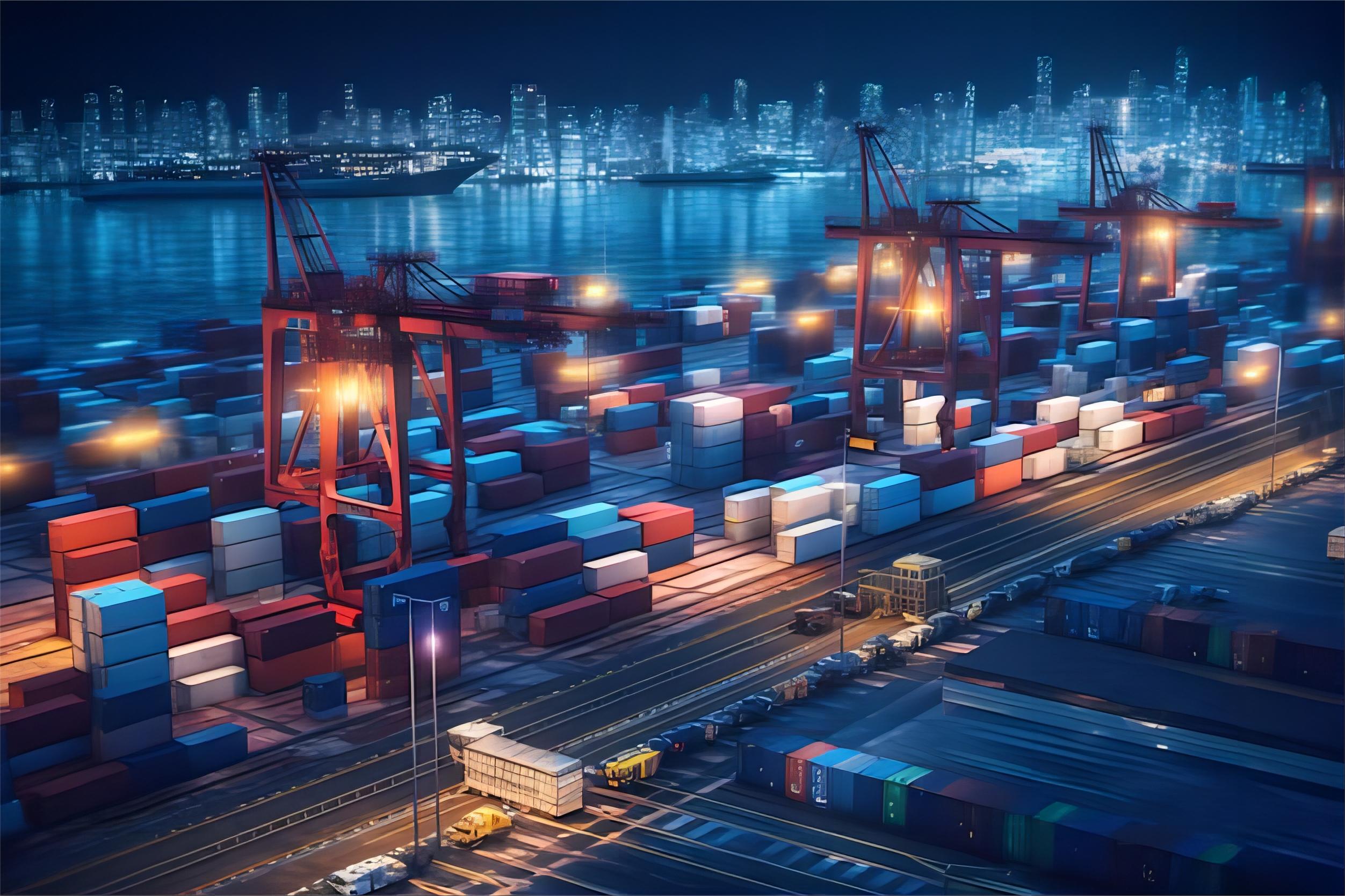
Shipping from major hubs like Shenzhen or Shanghai to Seattle offers some of the fastest transit times to the United States. Most direct services arrive at the Port of Seattle within 14 to 18 days. This route is a primary gateway for North America trade, benefiting from robust infrastructure.
Seattle’s proximity to major tech corridors makes it an ideal discharge point for electronics destined for the Pacific Northwest or even the Midwest via rail. However, shippers must account for the specific terminal handling charges (THC) at the Northwest Seaport Alliance. These costs vary depending on the carrier and the complexity of the OOG cargo.
Case Study 1: Semiconductor Assembly Line
Route: Shanghai to Seattle. Cargo: High-precision semiconductor assembly machinery, 28 CBM, 12,500 kg. Container: 40ft Open Top (Over-height).
Shipping Details: The cargo was loaded at the Port of Shanghai via a direct carrier service. Because the equipment stood 30cm above the container rim, OOG surcharges were applied. Ocean Freight cost approximately $5,800, with origin and destination charges totaling $1,200.
Timeline: Total door-to-door transit took 24 days, including 16 days at sea. Successful delivery was attributed to precise lashing and early booking during the Q1 slack season, saving the client 15% compared to peak rates.
Case Study 2: Industrial 3D Printing Units
Route: Shenzhen to Seattle. Cargo: Industrial-grade 3D printers for aerospace, 18 CBM, 8,000 kg. Container: 20ft Open Top.
Shipping Details: This shipment utilized door to door service to simplify the transition from the factory to the final lab. The total landed cost reached $4,600, including customs clearance and local drayage in Seattle.
Timeline: The sea transit was completed in 15 days. Key insight: Using a 20ft open top instead of a 40ft unit reduced the ocean freight portion by $1,100 while still providing the necessary top-loading capability.
Customs and Documentation for Electronics Imports
Importing electronics into the United States requires strict adherence to CBP regulations and FCC compliance. You must provide an accurate commercial invoice, packing list, and a bill of lading. Additionally, specialized machinery may require specific HTS codes that determine the duty rate.
Engaging a professional customs brokerage service is highly recommended for OOG cargo. Because open top containers often contain high-value industrial assets, they are more likely to undergo intensive examinations. Proper documentation ensures that your shipment clears the Port of Seattle without costly storage delays.
| Commercial Invoice | Exporter | Valuation and Duty | High |
| Packing List | Exporter | Cargo verification | High |
| Bill of Lading | Carrier | Title to goods | High |
| FCC Form 740 | Importer | Radio frequency compliance | Medium |
Strategic Cost-Saving Approaches
Consolidating smaller components into standard containers while reserving open tops for only the oversized pieces can lower costs. Furthermore, booking your shipment at least 3-4 weeks in advance allows for better rate negotiation. Carriers are more likely to offer competitive pricing when they can plan their equipment imbalance in advance.
Negotiating ‘All-In’ rates can prevent surprise surcharges later in the process. Ensure that your quote includes the tarping fee and any crane charges at the terminal. Moreover, for e-commerce businesses, exploring Amazon FBA logistics models might provide alternative distribution paths if the cargo can be broken down.
Which Option Should You Choose?
Budget priority: If cost is your main concern, try to modify the packaging to fit a standard 40HQ container. This eliminates OOG surcharges and equipment premiums. However, if the electronics cannot be tilted or disassembled, the Open Top FCL remains the safest choice.
Speed priority: For urgent manufacturing deadlines, air freight is the only viable solution despite the high cost. For a balance of speed and cost, direct sea routes to Seattle are superior to transshipment options through Busan or Yokohama. Typical rates as of early 2025 suggest that direct West Coast services remain stable but sensitive to fuel fluctuations.
| Cost Saving | Standard FCL | Lowest freight rate | Requires disassembly |
| Cargo Safety | Open Top FCL | No tilting required | Higher equipment fee |
| Maximum Speed | Air Freight | Fastest delivery | Highest price point |
Mastering Your Electronics Logistics to Seattle
Successfully managing the Open Top FCL shipping cost for electronics from China to Seattle requires a combination of early planning and expert execution. By understanding the nuances of OOG surcharges and port operations, businesses can significantly reduce their landed costs. Furthermore, choosing the right equipment ensures that high-value electronics arrive in Seattle safely and ready for operation.
Market conditions in 2025 continue to favor those who utilize data-driven logistics strategies. Whether you are shipping semiconductor tools or large-scale server infrastructure, the Port of Seattle remains a premier destination for efficiency. Note: Freight rates are subject to change based on fuel costs, carrier capacity, and seasonal demand. Contact us for a current quote tailored to your specific shipment.
Ready to streamline your logistics?
Ready to optimize your supply chain and secure the best Open Top FCL shipping cost for electronics from China to Seattle? Contact our expert team today for a customized quote that meets your specific technical requirements. Visit Top China Freight to get started now.
Request Quote