
Open Top FCL tracking for textiles from China to Chicago Guide
Shipping high-volume textiles requires a specialized approach to ensure safety and efficiency. When you partner with Top China Freight, you gain access to premium logistics expertise. Managing Open Top FCL tracking for textiles from China to Chicago is essential for maintaining supply chain visibility and meeting tight delivery schedules. This guide explores how to optimize your textile shipments using open top containers while ensuring real-time data accuracy.
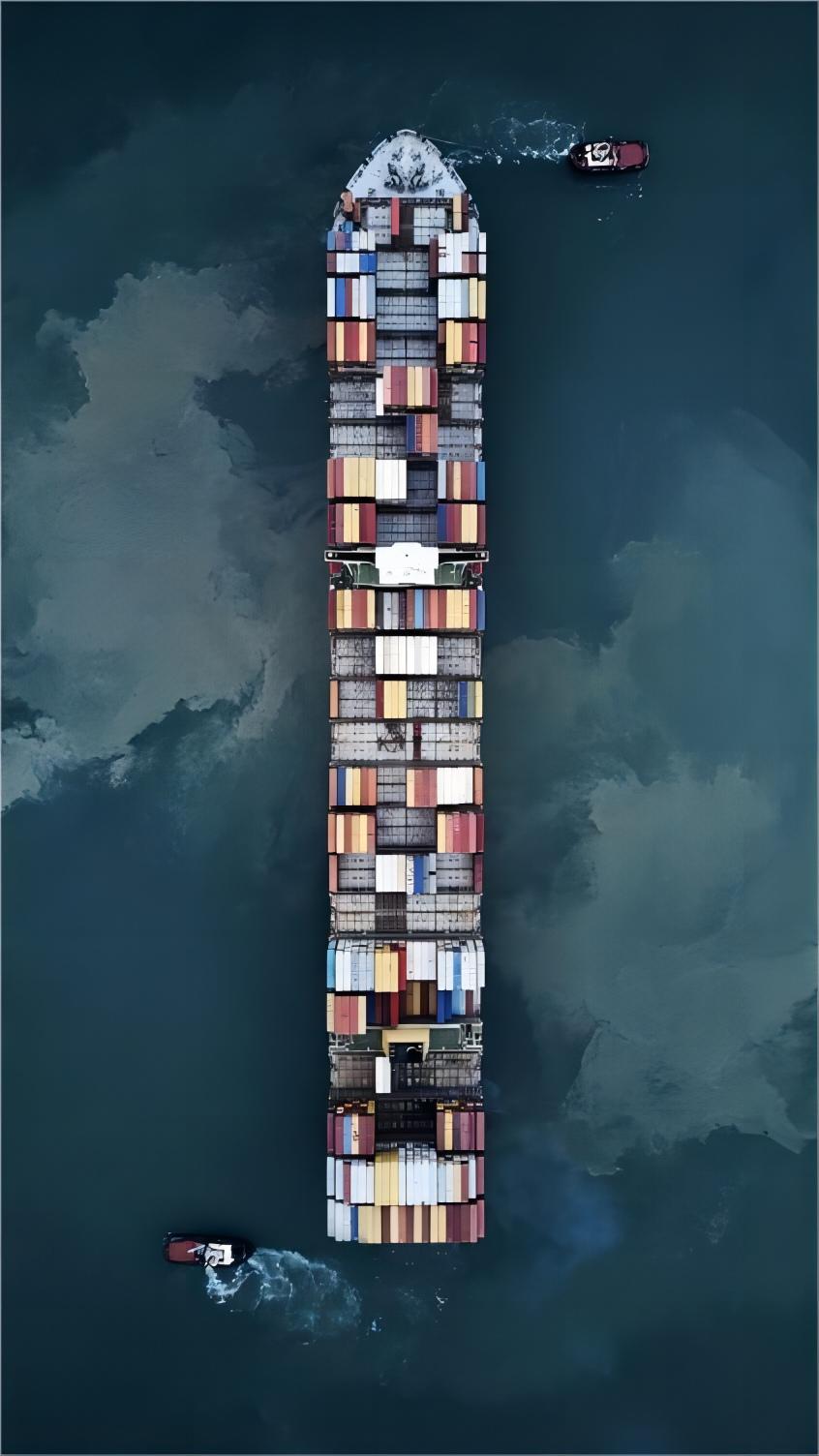
What is Open Top FCL tracking for textiles from China to Chicago?
Open top containers are specifically designed for cargo that is too tall to fit in standard containers. These units feature a removable tarpaulin top rather than a solid roof, allowing for easy overhead loading.
Consequently, Open Top FCL tracking for textiles from China to Chicago involves monitoring these specialized units throughout their journey. This process ensures that oversized fabric rolls or industrial textiles remain secure during transit.
Moreover, tracking provides businesses with the necessary data to manage inventory effectively. By using advanced GPS and carrier-integrated systems, importers can see exactly where their textile cargo is located at any moment.
Furthermore, this visibility helps in predicting potential delays at major hubs like the Port of Shanghai or the Chicago rail terminals. Accurate tracking is the backbone of modern textile supply chain management.
Why Choose Open Top Containers for Textile Shipments?
Textile manufacturers often produce oversized rolls that exceed the height of a standard 40HQ container. Therefore, utilizing sea freight with open top equipment is the most practical solution for these dimensions.
Additionally, these containers simplify the loading and unloading process at the factory and the warehouse. Cranes can lift heavy textile bundles directly into the container from above, reducing the risk of material damage.
However, it is important to note that open top containers require careful lashing and securing. Because the top is covered by a soft tarp, the cargo must be protected against moisture and shifting during the long ocean voyage.
Indeed, choosing the right container type is a critical decision that impacts both shipping costs and the safety of your goods. Open top containers provide the flexibility needed for non-standard textile dimensions.

Key Steps in the Tracking Process from China to Chicago
The tracking journey begins the moment the container is gated into the port of loading. Specifically, the carrier issues a Bill of Lading which contains the unique container number used for all tracking updates.
Meanwhile, our customs brokerage team monitors the documentation status to prevent any hold-ups at the border. You can track milestones such as vessel departure, transshipment arrival, and final discharge.
Subsequently, once the vessel reaches the US West Coast, the container is often moved via rail to Chicago. This intermodal segment is a vital part of the tracking chain that requires constant monitoring.
Nevertheless, modern logistics platforms integrate these different stages into a single dashboard. This allows you to see the transition from ocean carrier to rail operator without switching between different websites.
How Does Open Top FCL Compare to Other Shipping Options?
When planning your logistics strategy, it is vital to compare different transport modes. While Open Top FCL is ideal for oversized textiles, other methods like standard FCL or LCL might be cheaper for smaller rolls.
For instance, standard containers are more readily available and generally have lower freight rates. In contrast, open top equipment often incurs a surcharge due to its specialized nature and the complexity of handling.
Furthermore, air freight offers the fastest delivery schedule but at a significantly higher cost. For most textile importers, the balance of cost and capacity makes sea freight the preferred choice.
To summarize the differences, we have provided a comparison table below to help you evaluate the best fit for your specific cargo requirements.
| Shipping Method | Cost Range | Transit Time | Best For |
|---|---|---|---|
| Open Top FCL | $3,500 – $5,500 | 25 – 35 Days | Oversized textile rolls |
| Standard FCL | $2,500 – $4,200 | 25 – 35 Days | Standard palletized fabric |
| LCL Shipping | $80 – $150/CBM | 30 – 40 Days | Small textile samples |
| Air Freight | $5 – $9/kg | 5 – 8 Days | Urgent fashion launches |
Which Option Should You Choose?
Choosing the right method depends on your budget, timeline, and cargo volume. If your priority is budget, we recommend using standard sea freight FCL whenever the textile rolls can be oriented to fit.
On the other hand, if your cargo is over 2.6 meters high, Open Top FCL is the only viable sea option. For shipments that are extremely time-sensitive, air freight remains the top recommendation despite the expense.
Additionally, consider door to door services to simplify the entire process. This option manages everything from the China factory to your Chicago warehouse, including the tracking of all segments.
Without a doubt, analyzing your volume thresholds is essential. If you are shipping more than 15 CBM, a full container is usually more economical than multiple LCL shipments.

Navigating Customs and Documentation for Chicago Imports
Importing textiles into the United States requires strict adherence to customs regulations. Specifically, you must provide a commercial invoice, packing list, and a certificate of origin for all shipments from China.
Moreover, textiles are often subject to specific duties and quotas. Shipping to North America involves navigating the complex Harmonized Tariff Schedule (HTS) codes.
Consequently, ensuring your tracking data matches your customs filings is crucial. Any discrepancy between the tracked container weight and the declared weight can lead to intensive inspections and delays.
Accordingly, we recommend working with an experienced freight forwarder to manage these details. Proper documentation ensures that your Open Top FCL tracking for textiles from China to Chicago remains on schedule.
| Document Name | Required By | Purpose | Timing |
|---|---|---|---|
| Bill of Lading | US Customs | Title of goods | At departure |
| Commercial Invoice | Customs/Bank | Value declaration | Before shipping |
| Packing List | Warehouse | Cargo details | At loading |
| ISF (10+2) | US Customs | Security filing | 24hrs before loading |
Real Case Studies: Textile Shipments to Chicago
Case Study 1: Large Scale Textile Roll Transport
+———————————————————+
| Route: Shanghai, China to Chicago, USA |
| Cargo: Industrial Fabric Rolls, 55 CBM, 14,000 kg |
| Container: 40HQ Open Top |
| |
| Shipping Details: |
| – Carrier: COSCO |
| – Port of Loading: Shanghai |
| – Port of Discharge: Prince Rupert (Rail to Chicago) |
| – Route Type: Intermodal |
| |
| Cost Breakdown: |
| – Ocean Freight: $4,900 |
| – Origin Charges: $450 |
| – Destination Charges: $600 |
| – Customs and Duties: $1,200 |
| – Total Landed Cost: $7,150 |
| |
| Timeline: |
| – Booking to Loading: 4 days |
| – Sea Transit: 16 days |
| – Rail and Customs: 8 days |
| – Total Door-to-Door: 28 days |
| |
| Key Insight: Using the Prince Rupert gateway saved |
| 4 days compared to the Port of Long Beach. |
+———————————————————+
Case Study 2: High-Value Specialized Textiles
+———————————————————+
| Route: Shenzhen, China to Chicago, USA |
| Cargo: Luxury Upholstery Fabric, 25 CBM, 7,500 kg |
| Container: 20GP Open Top |
| |
| Shipping Details: |
| – Carrier: Maersk |
| – Port of Loading: Yantian |
| – Port of Discharge: Savannah (Rail to Chicago) |
| – Route Type: All-Water to East Coast then Rail |
| |
| Cost Breakdown: |
| – Ocean Freight: $3,800 |
| – Origin Charges: $350 |
| – Destination Charges: $550 |
| – Customs and Duties: $2,500 |
| – Total Landed Cost: $7,200 |
| |
| Timeline: |
| – Booking to Loading: 5 days |
| – Sea Transit: 28 days |
| – Rail and Customs: 6 days |
| – Total Door-to-Door: 39 days |
| |
| Key Insight: All-water routes can be slower but avoid |
| West Coast port congestion during peak seasons. |
+———————————————————+
Note: Freight rates are subject to change based on fuel costs, carrier capacity, and seasonal demand. Contact us for a current quote tailored to your specific shipment.
Final Thoughts on Textile Logistics
In conclusion, managing Open Top FCL tracking for textiles from China to Chicago requires a combination of the right equipment and robust digital tools. By understanding the benefits of open top containers and the nuances of intermodal transport, you can significantly improve your supply chain efficiency.
Furthermore, staying informed about market trends and customs requirements will help you avoid costly delays. Whether you are shipping industrial fabrics or luxury textiles, visibility remains the key to success in the competitive Chicago market.
Therefore, prioritize clear communication with your freight forwarder and utilize real-time tracking to maintain control over your inventory. With the right strategy, your textile business can thrive through reliable and transparent international shipping.
Ready to streamline your logistics?
Are you ready to streamline your textile logistics? Contact Top China Freight today for a customized quote on Open Top FCL tracking for textiles from China to Chicago. Our team is standing by to ensure your cargo arrives safely and efficiently. Visit our website to send an inquiry now.
Request Quote