


Open Top FCL transit time for medical equipment from China to New Jersey
Shipping complex medical devices across the ocean requires meticulous planning and a deep understanding of global logistics networks. When calculating the Open Top FCL transit time for medical equipment from China to New Jersey, stakeholders must account for port efficiency and vessel availability. Visit Top China Freight to explore comprehensive solutions that streamline your international supply chain operations today. This guide provides a detailed breakdown of what to expect when moving oversized medical technology from Chinese manufacturing hubs to the United States East Coast.
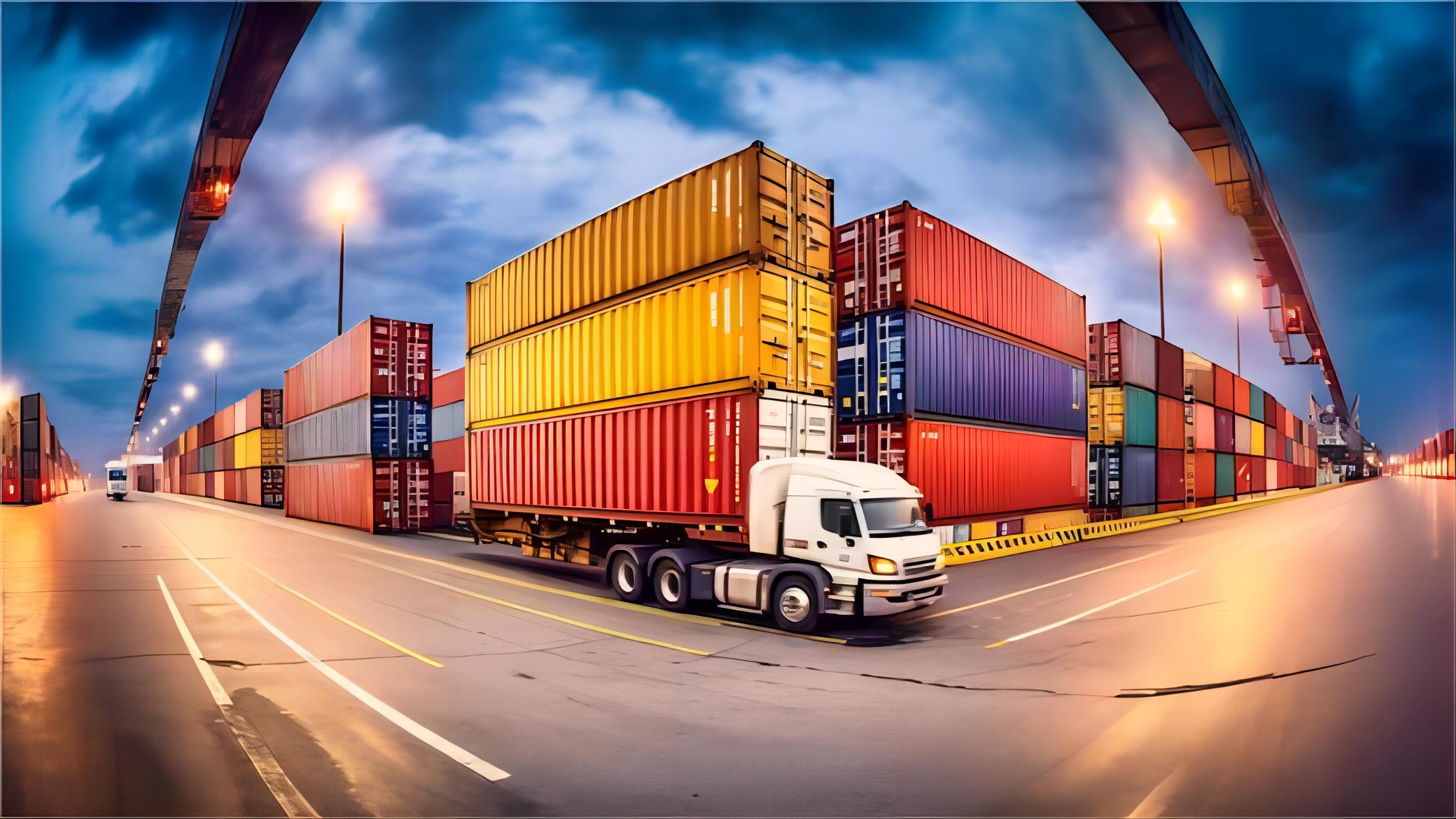
Understanding Open Top FCL transit time for medical equipment from China to New Jersey
Determining the exact duration of your shipment involves analyzing several distinct phases of the maritime journey. Generally, the sea transit from major Chinese ports like Shanghai or Ningbo to New Jersey takes between 30 and 42 days. However, this timeframe does not include the pre-carriage and post-carriage activities required for specialized medical machinery.
Moreover, open top containers often require additional handling time at the terminal due to their out-of-gauge nature. Consequently, the total door-to-door timeline might extend to 50 or 55 days depending on the inland destination. Shippers must prioritize early booking to secure space on vessels that accommodate specialized equipment types.
Additionally, the complexity of medical devices necessitates careful bracing and lashing within the container. These safety measures ensure that the equipment remains stable during the long Pacific crossing and through the Panama Canal. Therefore, allow at least three to five days for professional packing and loading at the origin warehouse.
Factors Influencing Open Top FCL transit time for medical equipment from China to New Jersey
Several external variables can significantly alter your shipping schedule without much warning. Weather conditions in the South China Sea or the Atlantic Ocean frequently cause delays of several days for heavy container ships. Furthermore, seasonal peaks in demand during the third quarter often lead to port congestion and slower vessel turnarounds.
Utilizing sea freight services remains the most cost-effective method for bulky medical scanners and laboratory units. Nevertheless, you should monitor the operational status of the Panama Canal, as water levels can impact the transit speed of East Coast routes. Indeed, any restriction in canal throughput forces carriers to take longer paths or reduce cargo loads.
Notably, the choice of carrier plays a vital role in determining the reliability of your arrival dates. Some premium carriers offer direct services to the Port of New York and New Jersey, which significantly reduces the risk of transshipment delays. Conversely, budget-friendly options might involve multiple stops in Southeast Asia or the Caribbean, extending the timeline by a week or more.
Port Selection and Regional Logistics Hubs
Choosing the right departure point in China is essential for optimizing your logistics flow. Shanghai and Ningbo-Zhoushan are the primary gateways for medical exports destined for North America due to their frequent sailings. Meanwhile, shipments originating from southern China often utilize the Port of Shenzhen to access fast trans-Pacific routes.
Upon arrival in New Jersey, the cargo typically enters through the Port of Elizabeth or the Port of Newark. These facilities are well-equipped to handle out-of-gauge containers and heavy-lift medical equipment. Consequently, the speed of offloading and terminal processing will depend on the current labor availability and crane scheduling at these specific terminals.
Furthermore, the proximity of the New Jersey ports to major medical distribution centers makes this route highly efficient. Once the container clears the terminal, local trucking companies can deliver the machinery to hospitals or clinics within hours. Shippers should coordinate with local drayage providers well in advance to ensure a chassis is available for the specialized container.
How Open Top FCL Compares to Other Shipping Options
While open top containers are ideal for tall medical machinery, other methods might suit different business needs. For instance, standard 40HQ containers are more affordable if the equipment can be disassembled to fit within height constraints. In contrast, air freight offers unmatched speed but comes at a significantly higher price point for heavy items.
Moreover, flat rack containers provide an alternative for cargo that is both over-height and over-width. However, open top FCL is generally preferred for medical equipment because it offers better protection from the elements via a heavy-duty tarpaulin. To summarize, the choice between these methods depends on your budget, the cargo dimensions, and the urgency of the delivery.
Specifically, for shipments weighing more than 10,000 kilograms, sea-based solutions are almost always the only viable choice. Air transport for such heavy medical gear would be cost-prohibitive for most healthcare providers. Therefore, planning for the longer sea transit time is a necessary part of the procurement cycle for large-scale medical technology.
| Shipping Method | Cost Range | Transit Time | Best For | Limitations |
|---|---|---|---|---|
| Open Top FCL | $5,000 – $7,500 | 32-45 Days | Tall Medical Scanners | Higher equipment surcharges |
| Standard 40HQ | $4,000 – $6,000 | 30-42 Days | Standard Lab Equipment | Strict height restrictions |
| Air Freight | $15,000 – $30,000 | 5-10 Days | Urgent Spare Parts | Extremely high cost |
| LCL Shipping | $150 – $300/CBM | 40-50 Days | Small Medical Consumables | Longer consolidation time |
Cost Analysis and Budgeting for Medical Cargo
Budgeting for specialized shipping requires an understanding of various surcharges that apply to non-standard containers. Carriers typically charge an equipment imbalance fee and a premium for the open top unit itself. Additionally, you must factor in the cost of customs brokerage to ensure all medical certifications are processed correctly.
As of early 2025, freight rates have stabilized, but fuel surcharges remain a volatile component of the total price. Shippers should also prepare for destination charges, including terminal handling and port security fees in New Jersey. Consequently, the total landed cost will be significantly higher than the base ocean freight rate quoted by the carrier.
Furthermore, insurance premiums for high-value medical equipment are higher than for general merchandise. Because these machines are sensitive to vibrations and moisture, premium coverage is essential for protecting your investment. Without a doubt, neglecting comprehensive insurance can lead to massive financial losses if the cargo is damaged during the month-long voyage.
Real Case Studies for Medical Equipment Shipping
Case Study 1: MRI Machine Delivery. Route: Ningbo, China to Elizabeth, NJ. Cargo: 12,500 kg MRI unit. Container: 40ft Open Top. Shipping Details: Direct service via Maersk. Ocean Freight: $5,800. Timeline: 34 days sea transit, 48 days door-to-door. Key Insight: Early booking secured the specialized container during a peak season equipment shortage.
Case Study 2: Laboratory Automation System. Route: Shanghai, China to Newark, NJ. Cargo: High-precision lab gear, 18 CBM. Container: 40ft HQ (standard). Shipping Details: Transshipment via Busan. Ocean Freight: $4,900. Timeline: 39 days sea transit, 52 days door-to-door. Key Insight: Disassembling the unit saved $1,200 in equipment surcharges compared to an open top quote.
Note: Freight rates are subject to change based on fuel costs, carrier capacity, and seasonal demand. Contact us for a current quote tailored to your specific shipment.
Logistics Trends and Market Context for 2025
Market data suggests that freight rates from China to the US East Coast have entered a period of relative stability in Q1 2025. While the Red Sea disruptions of 2024 caused significant ripples, the Pacific routes have largely normalized. Nevertheless, industry averages for transit times remain slightly higher than pre-pandemic levels due to slower vessel speeds used to reduce carbon emissions.
Moreover, the integration of digital tracking technologies allows shippers to monitor their medical equipment in real-time. This visibility is crucial for hospitals that need to coordinate the arrival of installation teams with the delivery of the machinery. Consequently, choosing a forwarder with robust digital platforms can significantly reduce the stress of managing long-distance logistics.
Additionally, environmental regulations are forcing carriers to update their fleets, which may lead to temporary capacity constraints. Shippers should stay informed about these trends to adjust their procurement schedules accordingly. Ultimately, a proactive approach to market intelligence is the best way to mitigate the risks associated with international shipping.

Documentation Requirements for Medical Imports
Importing medical technology into the United States requires strict adherence to FDA regulations and customs protocols. You must provide a detailed commercial invoice, a packing list, and a Bill of Lading for every shipment. Furthermore, utilizing door to door services can simplify this process by having a single entity manage the entire documentation chain.
Specifically, medical devices often require a 510(k) clearance or a Premarket Approval (PMA) depending on their classification. Failure to provide the correct registration numbers will result in the cargo being held at the Port of New Jersey indefinitely. Therefore, verify all compliance documents with your legal team before the vessel departs from China.
In addition, the ISF (Importer Security Filing) must be submitted at least 24 hours before the cargo is loaded onto the ship in China. Missing this deadline leads to significant fines and increased scrutiny from US Customs and Border Protection. Consequently, maintaining a disciplined documentation schedule is just as important as the physical transport of the goods.
Which Option Should You Choose?
If your primary goal is cost-efficiency and the cargo exceeds standard container height, Open Top FCL is your best choice. However, if the equipment is extremely urgent and fits within a cargo plane, air freight is the logical alternative. For those with flexible timelines, standard FCL remains the most economical path if the cargo can be safely dismantled.
Budget priority: Choose standard FCL and invest in professional disassembly and reassembly. Speed priority: Opt for air freight or a premium direct sea service with guaranteed space. Cargo safety priority: Use Open Top FCL with professional crating and moisture-resistant wrapping to ensure the machinery arrives in pristine condition.
Regardless of the method, always partner with an experienced freight forwarder who understands the nuances of the China to New Jersey route. They can provide alternative strategies, such as shipping to a West Coast port and using rail transport to reach New Jersey, which might save time during East Coast port strikes.
Final Thoughts on Shipping Medical Equipment to New Jersey
Navigating the complexities of international logistics requires a balance of speed, cost, and cargo safety. Understanding the Open Top FCL transit time for medical equipment from China to New Jersey is the first step toward a successful import operation. By considering factors like port congestion, carrier reliability, and documentation compliance, you can ensure your critical healthcare technology reaches its destination on schedule.
Moreover, staying informed about market trends and maintaining a flexible shipping strategy will help you overcome unforeseen challenges. Whether you choose sea freight or air transport, the key is meticulous planning and professional execution. Ultimately, a well-managed supply chain is a competitive advantage in the fast-paced medical industry.

Ready to streamline your logistics?
Are you ready to optimize your medical equipment logistics? Our team specializes in managing the Open Top FCL transit time for medical equipment from China to New Jersey with precision and care. Contact Top China Freight today for a customized quote and expert guidance on your next shipment. Visit our website or send an inquiry to get started: Visit https://Top China Freight.com/contact-us/
Request Quote