


Professional LCL Shipping from China to Australia: Expert Logistics Guide
Navigating the complexities of international trade requires a reliable logistics partner like Top China Freight to streamline your operations. When your business requires professional LCL shipping from China to Australia, selecting a method that balances cost and speed is paramount. This guide explores how Less than Container Load services can optimize your supply chain, reduce overhead, and ensure consistent delivery schedules to major Australian ports.
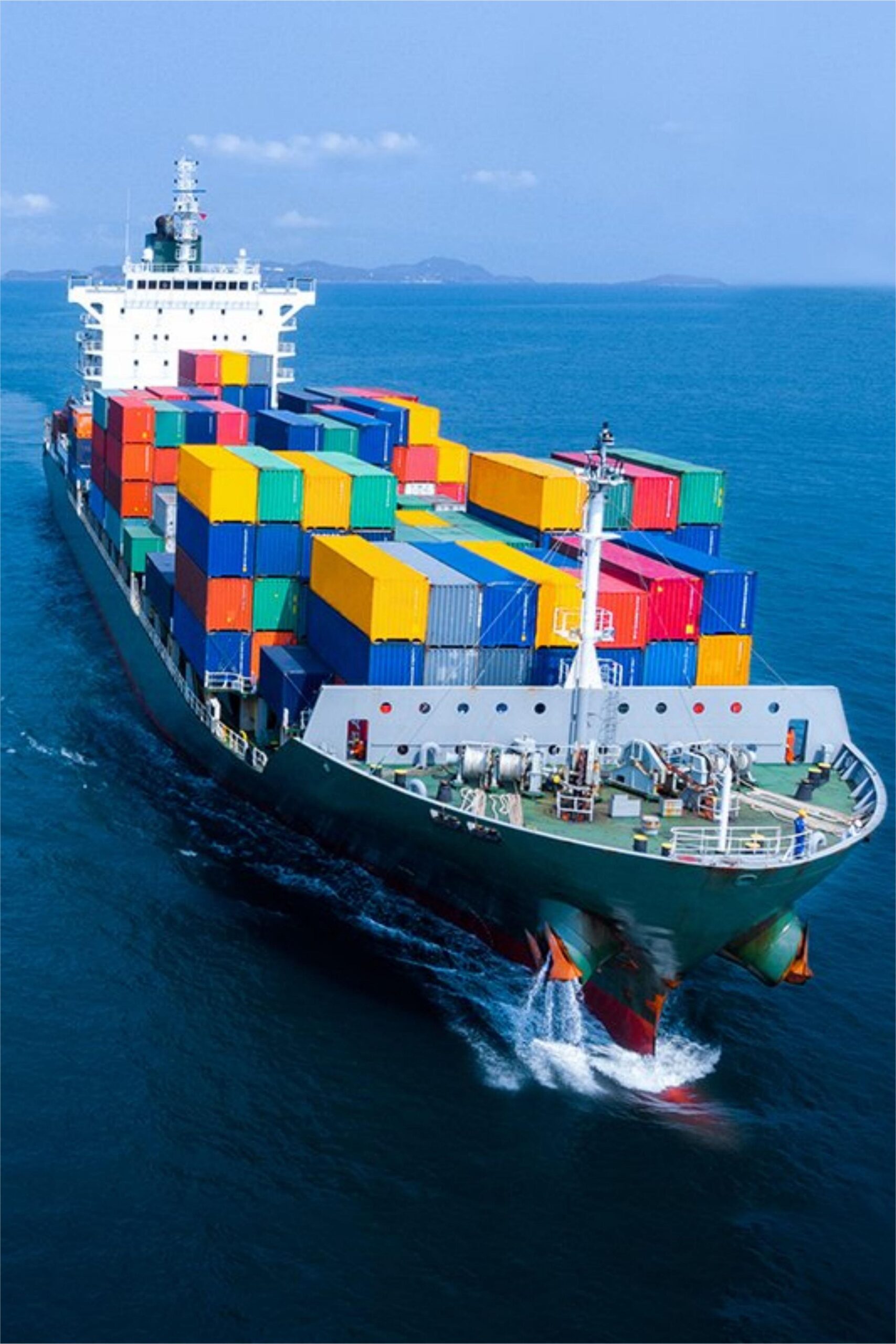
How Does Professional LCL Shipping from China to Australia Compare to Other Options?
Choosing the right transport method involves evaluating budget, volume, and urgency. While sea freight remains the most popular choice for Australian importers, the specific mode depends on your cargo volume.

Furthermore, professional LCL shipping from China to Australia allows businesses to share container space, which significantly lowers costs for smaller shipments. Consequently, this method is ideal for companies that do not have enough goods to fill a 20ft or 40ft container.
Nevertheless, air freight remains the fastest alternative for time-sensitive goods. In contrast, LCL provides a middle ground between high-cost air transport and high-volume FCL shipments.
| Shipping Method | Cost Range | Transit Time | Best For |
|---|---|---|---|
| LCL Sea Freight | $80 – $150 per CBM | 15 – 25 Days | Shipments 1-15 CBM |
| FCL Sea Freight | $1,200 – $2,000 per 20GP | 12 – 20 Days | Large volumes over 15 CBM |
| Air Freight | $4.50 – $8.00 per KG | 3 – 7 Days | High value or urgent items |
| Express Service | $7.00 – $12.00 per KG | 2 – 5 Days | Small parcels and samples |
Key Factors Influencing LCL Shipping Costs to Australia
Determining the final landed cost involves more than just the ocean freight rate. Specifically, shippers must account for port handling fees, documentation costs, and inland trucking at both ends.
Additionally, the volume of your cargo measured in cubic meters (CBM) dictates the primary cost. Because LCL involves consolidating multiple shipments, the warehouse handling fees are typically higher per unit than FCL.
Moreover, seasonal demand fluctuations can impact rates during peak periods like the pre-Lunar New Year rush. Therefore, booking your shipment at least two weeks in advance is highly recommended to secure stable pricing.
Transit Times and Port Logistics for Australian Routes
Direct routes from major Chinese hubs like Shanghai or Shenzhen to Sydney usually take between 12 and 18 days. However, total door-to-door transit times often extend to 25 or 30 days due to consolidation and deconsolidation processes.
Regular shipping from China to Australia involves several logistical steps. Initially, goods are picked up and transported to a container freight station (CFS) for loading.
Subsequently, the vessel sails to major Australian ports including Melbourne, Brisbane, Fremantle, and Adelaide. After arrival, the container is moved to a local CFS for unloading and final distribution.
| Origin Port | Destination Port | Sea Transit | Total Door-to-Door |
|---|---|---|---|
| Shenzhen / Guangzhou | Sydney | 12 – 14 Days | 22 – 26 Days |
| Shanghai / Ningbo | Melbourne | 15 – 18 Days | 25 – 30 Days |
| Qingdao | Brisbane | 18 – 22 Days | 28 – 35 Days |
| Xiamen | Adelaide | 20 – 25 Days | 30 – 40 Days |
Essential Documentation and Customs Brokerage
Accurate paperwork is the cornerstone of a successful import strategy. Without a doubt, errors in the commercial invoice or packing list can lead to expensive delays and storage fees at the Australian border.
Utilizing a professional customs brokerage service ensures that all Australian Border Force requirements are met. Indeed, they manage the calculation of Goods and Services Tax (GST) and any applicable duties.
Furthermore, specific products may require quarantine permits or certificates of origin to qualify for preferential tariff rates under the China-Australia Free Trade Agreement (ChAFTA). Consequently, verifying these requirements before departure is essential.
Which Shipping Option Should You Choose?
Selecting the optimal logistics strategy depends on your specific business priorities. If your primary goal is cost reduction for a 5 CBM shipment, LCL is clearly the most efficient choice.
On the other hand, if you are moving a high-value product that requires maximum security and minimum handling, FCL or air freight might be preferable. For e-commerce sellers, integrating Amazon FBA logistics can simplify the entire process.
Additionally, many businesses now opt for door-to-door shipping to minimize the complexity of managing multiple vendors. This comprehensive service covers everything from the factory floor in China to the final warehouse in Australia.
Real-World Case Studies: LCL Shipping Success Stories
Analyzing real-world scenarios helps importers understand the practical application of these services. Below are two examples of typical LCL shipments handled for Australian clients.
[Case Study 1: Electronics Distribution] +———————————————————+ | Route: Shenzhen, China to Melbourne, Australia | | Cargo: Consumer Electronics, 4.5 CBM, 1,200 kg | | Method: LCL Sea Freight | | | | Shipping Details: | | – Carrier: COSCO Shipping | | – Port of Loading: Shenzhen | | – Port of Discharge: Melbourne | | | | Cost Breakdown: | | – Ocean Freight: $580 | | – Origin Charges: $210 | | – Destination Charges: $350 | | – Total Landed Cost (excl. duties): $1,140 | | | | Timeline: | | – Sea Transit: 16 days | | – Total Door-to-Door: 28 days | | | | Key Insight: Consolidation saved the client $900 | | compared to booking a full 20GP container. | +———————————————————+
[Case Study 2: Furniture Retailer] +———————————————————+ | Route: Ningbo, China to Sydney, Australia | | Cargo: Flat-pack Furniture, 8.0 CBM, 2,500 kg | | Method: LCL Sea Freight | | | | Shipping Details: | | – Carrier: OOCL | | – Port of Loading: Ningbo | | – Port of Discharge: Sydney | | | | Cost Breakdown: | | – Ocean Freight: $920 | | – Origin Charges: $280 | | – Destination Charges: $480 | | – Total Landed Cost (excl. duties): $1,680 | | | | Timeline: | | – Sea Transit: 14 days | | – Total Door-to-Door: 25 days | | | | Key Insight: ChAFTA documentation reduced the import | | duty to zero, significantly lowering the total cost. | +———————————————————+
Note: Freight rates are subject to change based on fuel costs, carrier capacity, and seasonal demand. Contact us for a current quote tailored to your specific shipment.
Market Trends and Alternative Strategies for 2025
Market data suggests that freight rates from China to Australia have stabilized in early 2025. However, fuel surcharges remain a variable factor that shippers must monitor closely.
One alternative strategy involves sea-air hybrid solutions for shipments that are too slow for sea but too expensive for air. Specifically, cargo can be shipped to a hub like Singapore by sea and then flown to Australia.
Another cost-saving tactic is to consolidate multiple suppliers into a single LCL shipment. Instead of paying multiple minimum handling fees, you can combine orders at a central warehouse in China to maximize efficiency.
Mastering Your Australian Import Strategy
In summary, professional LCL shipping from China to Australia provides a flexible and cost-effective solution for businesses of all sizes. By understanding the cost drivers, transit times, and documentation requirements, you can avoid common pitfalls and ensure smooth cargo handling.
Successful importing relies on selecting the right partners and staying informed about market trends. Whether you are shipping small electronics or large furniture orders, the Less than Container Load model offers the scalability needed to grow your business in the Australian market.
Ready to streamline your logistics?
Streamline your supply chain today with professional LCL shipping from China to Australia. Contact our logistics experts at Top China Freight to receive a competitive quote and personalized shipping plan. Send Inquiry: info@Top China Freight.com
Request Quote