


Professional Sea Freight from China to USA: 2025 Logistics Guide | Best Professional Sea Freight from China to USA Servi
Shipping goods across the Pacific requires precision and expertise to ensure your supply chain remains uninterrupted. If you are looking for professional sea freight from China to USA, understanding the nuances of ocean logistics is the first step toward reducing costs. This guide explores everything from container types to customs clearance to help you navigate the complexities of international trade effectively. Moreover, we provide actionable insights to help you choose the right shipping partner and optimize your delivery schedule.
Why Choose Professional Sea Freight from China to USA?
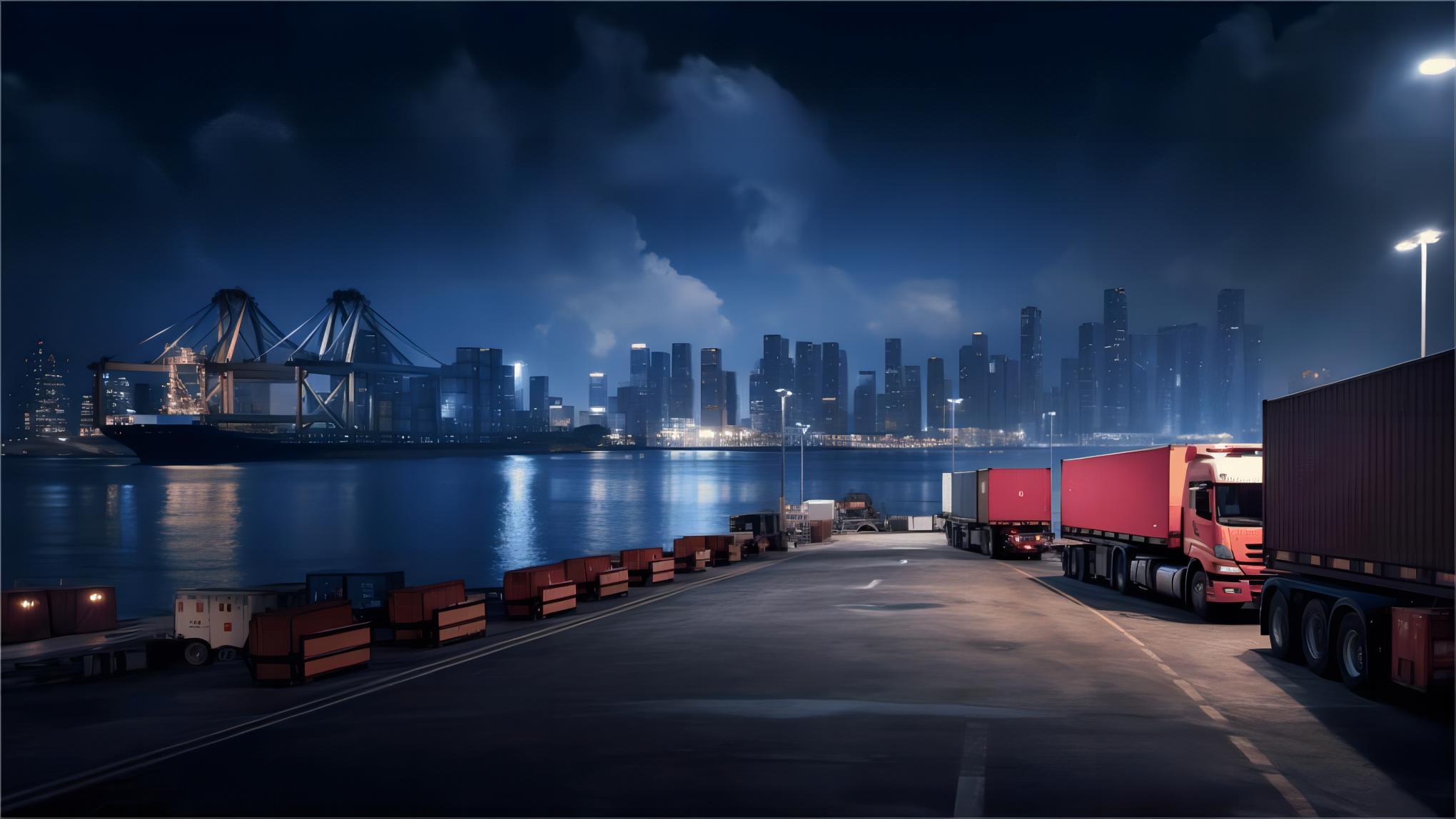
Professional sea freight from China to USA remains the most cost-effective solution for businesses moving large volumes of inventory. Although air transport is faster, ocean freight offers a significant reduction in shipping costs for heavy or bulky items. Consequently, most global importers rely on sea routes to maintain their profit margins while scaling their operations.

Reliability in the supply chain depends on selecting a freight forwarder that understands the specific requirements of trans-Pacific routes. Furthermore, professional logistics providers offer specialized cargo handling services that protect your goods from damage during long voyages. Indeed, the right partner can mitigate risks associated with port congestion and seasonal fluctuations in freight rates.

Consistency in delivery schedules is another primary benefit of using established ocean carriers. Meanwhile, modern tracking technologies allow you to monitor your container’s location in real-time, providing transparency throughout the journey. Therefore, investing in professional sea freight from China to USA is a strategic move for any serious importer.
Economic Benefits of Ocean Transport
Ocean shipping allows for economies of scale that are simply impossible with other methods. For example, a single 40HQ container can hold thousands of individual products, lowering the per-unit cost of transportation significantly. Additionally, sea freight is less sensitive to fuel price spikes compared to air transport, leading to more stable long-term pricing.
How Does Sea Freight Compare to Other Shipping Options?
Comparing different transportation modes is essential for determining the most efficient strategy for your business. While air freight provides unmatched speed for urgent shipments, it often costs five to ten times more than ocean transport. On the other hand, sea freight is the clear winner for non-urgent, high-volume cargo that requires a lower landed cost.
Rail freight is a viable alternative for shipments to Europe, but it is not an option for the China-USA route due to geographical constraints. Specifically, the Pacific Ocean necessitates either sea or air solutions for direct transport between these two major trading partners. Consequently, importers must balance their need for speed against their available budget when planning their logistics.
| Shipping Method | Cost Range | Transit Time | Best For |
|---|---|---|---|
| Sea Freight (FCL) | $2,500 – $4,500 | 15 – 35 Days | Bulk inventory and heavy goods |
| Sea Freight (LCL) | $50 – $150 per CBM | 20 – 40 Days | Small shipments under 15 CBM |
| Air Freight | $5.00 – $12.00 per KG | 3 – 7 Days | Urgent or high-value items |
| Express Service | $8.00 – $18.00 per KG | 2 – 5 Days | Samples and small parcels |
FCL vs LCL: Choosing the Right Container Strategy
Understanding the difference between Full Container Load (FCL) and Less than Container Load (LCL) is vital for optimizing sea freight expenses. FCL involves renting an entire 20ft or 40ft container for your exclusive use, which is ideal for larger shipments. Conversely, LCL allows you to share container space with other shippers, making it more affordable for smaller volumes.
Selecting FCL often results in faster transit times because the container does not need to be deconsolidated at the destination port. Furthermore, FCL provides a higher level of security since the container is sealed at the origin and only opened after it reaches your warehouse. However, if your shipment is under 15 CBM, LCL might be the more economical choice despite the additional handling requirements.
When to Switch from LCL to FCL
Importers should consider switching to a 20GP container once their shipment volume reaches approximately 13 to 15 cubic meters. At this threshold, the flat rate for an entire container often becomes cheaper than the per-CBM charges of LCL. Additionally, FCL reduces the risk of damage because your goods are not handled alongside cargo from other suppliers.
Factors Influencing Professional Sea Freight from China to USA Costs
Several variables impact the final price you pay for professional sea freight from China to USA services. For instance, seasonal demand during the peak period from August to October often leads to significant price hikes. Additionally, fuel surcharges and port congestion fees can fluctuate monthly, affecting your overall landed cost calculation.
Distance also plays a critical role, as shipping to the US East Coast is generally more expensive than shipping to the West Coast. Moreover, choosing door to door services will include inland trucking costs, which vary based on the distance from the port to your final destination. Indeed, understanding these cost drivers allows you to negotiate better rates with your freight forwarder.
| Route Type | 20GP Container | 40HQ Container | Typical Transit |
|---|---|---|---|
| China to US West Coast | $1,500 – $2,200 | $2,800 – $3,800 | 14 – 18 Days |
| China to US East Coast | $2,500 – $3,500 | $4,500 – $6,000 | 30 – 35 Days |
| China to US Gulf Coast | $2,300 – $3,200 | $4,200 – $5,500 | 28 – 32 Days |
Transit Times and Major Shipping Routes
Transit times for ocean freight vary significantly depending on the specific ports of loading and discharge. Specifically, shipments from Shenzhen or Ningbo to Los Angeles are among the fastest routes across the Pacific. However, if your cargo is heading to New York or Savannah via the Panama Canal, you should expect a longer journey of 30 days or more.
Weather conditions and port productivity can also influence the delivery schedule of your cargo. For example, winter storms in the North Pacific or labor strikes at major ports can cause unexpected delays. Therefore, it is always wise to include a buffer of 5 to 7 days in your supply chain planning to account for these potential disruptions.
| Origin Port | Destination Port | Service Type | Est. Days |
|---|---|---|---|
| Shanghai | Long Beach | Direct Fast Boat | 12 – 15 Days |
| Shenzhen | Seattle | Standard Ocean | 18 – 22 Days |
| Ningbo | New York | All Water Route | 32 – 38 Days |
| Qingdao | Houston | Transshipment | 35 – 42 Days |
Essential Documentation and Customs Brokerage
Navigating the US customs clearance process requires a thorough understanding of federal regulations and documentation requirements. Specifically, you must provide a Commercial Invoice, Packing List, and a Bill of Lading for every shipment. Utilizing a professional customs brokerage service ensures that your paperwork is filed correctly to avoid costly penalties.
Incorrect HTS codes are a common cause of delays and unexpected duties at the border. Consequently, working with an experienced broker helps you classify your products accurately and take advantage of any available trade agreements. Furthermore, your broker will handle the payment of duties and taxes on your behalf, streamlining the entire import process.
The Importance of the ISF Filing
Importers must complete the Importer Security Filing (ISF) at least 24 hours before the ship departs from China. Failure to file this document on time can result in fines starting at $5,000 per violation. Therefore, ensuring your freight forwarder handles the ISF filing promptly is a critical step in your logistics workflow.
Real-World Logistics Case Studies
Case Study 1: Electronics from Shenzhen to Los Angeles. A consumer electronics brand needed to ship 2,400 units of tablets. They chose a 40HQ container via a direct carrier. The ocean freight cost was $3,250 based on Q3 2024 rates. Total door to door transit time was 19 days, including 3 days for customs and final delivery. This successful shipment allowed the client to meet their product launch deadline.
Case Study 2: Furniture from Ningbo to New York. A boutique furniture retailer imported 8 CBM of handmade chairs using LCL shipping. The ocean freight cost was $680, with origin and destination charges adding another $450. The shipment took 36 days to arrive at the New York port. Despite the longer transit time, the low shipping cost per unit allowed the retailer to maintain a 50 percent profit margin.
Case Study 3: Textiles from Shanghai to Savannah. A clothing manufacturer shipped a 20GP container of organic cotton fabric. The total landed cost was $4,100, including ocean freight and US duties. Transit time via the Panama Canal was 31 days. Using a professional forwarder ensured that all textile certificates were in order, preventing any customs holds upon arrival.
Cost-Saving Strategies for Importers
Reducing your shipping expenses requires a proactive approach to logistics management and planning. For example, consolidating multiple smaller orders from different suppliers into a single FCL shipment can save thousands of dollars annually. Additionally, booking your shipments at least 3 to 4 weeks in advance helps you secure lower rates before capacity tightens.
Optimizing your packaging to reduce wasted space within the container is another effective way to lower costs. Furthermore, many e-commerce sellers utilize Amazon FBA specialized shipping to streamline their distribution. By sending goods directly to FBA warehouses, you eliminate redundant handling and reduce the time your inventory spends in transit.
Which Shipping Option Should You Choose?
Deciding on the best shipping method depends on your specific business priorities and cargo characteristics. If budget is your primary concern and you have a high volume of goods, sea freight is undoubtedly the best choice. However, if you are shipping high-value electronics that need to reach the market quickly, air freight might justify the higher expense.
Hybrid solutions like sea-air combinations can offer a middle ground for shipments that are not quite urgent enough for pure air freight. Specifically, your cargo travels by sea to a hub like Dubai or Korea and is then flown to the USA. This strategy can save up to 40 percent compared to standard air freight while being twice as fast as traditional ocean shipping.
Decision Framework for Importers
Budget priority: Choose Sea Freight LCL or FCL. Speed priority: Choose Air Freight or Express. Small volume (under 1 CBM): Choose Express Service. Large volume (over 15 CBM): Choose Sea Freight FCL. Hazardous materials: Choose specialized sea freight services for safety and compliance.
Mastering Your Ocean Freight Strategy
Navigating the complexities of professional sea freight from China to USA is essential for any business involved in international trade. By understanding the differences between FCL and LCL, monitoring market trends, and preparing accurate documentation, you can significantly reduce your logistics risks. Remember that the cheapest rate is not always the best value if it leads to delays or damaged cargo.
Successful importing requires a reliable partner who can provide transparent pricing and consistent communication. As global trade continues to evolve, staying informed about transit times and customs regulations will keep your business competitive. Start planning your next shipment with confidence by applying the strategies outlined in this guide.
Ready to streamline your logistics?
Ready to optimize your supply chain with professional sea freight from China to USA? Contact Top China Freight today for a customized quote and expert logistics support. Visit our website to learn more about our comprehensive shipping solutions. Send Inquiry at https://Top China Freight.com/
Request Quote