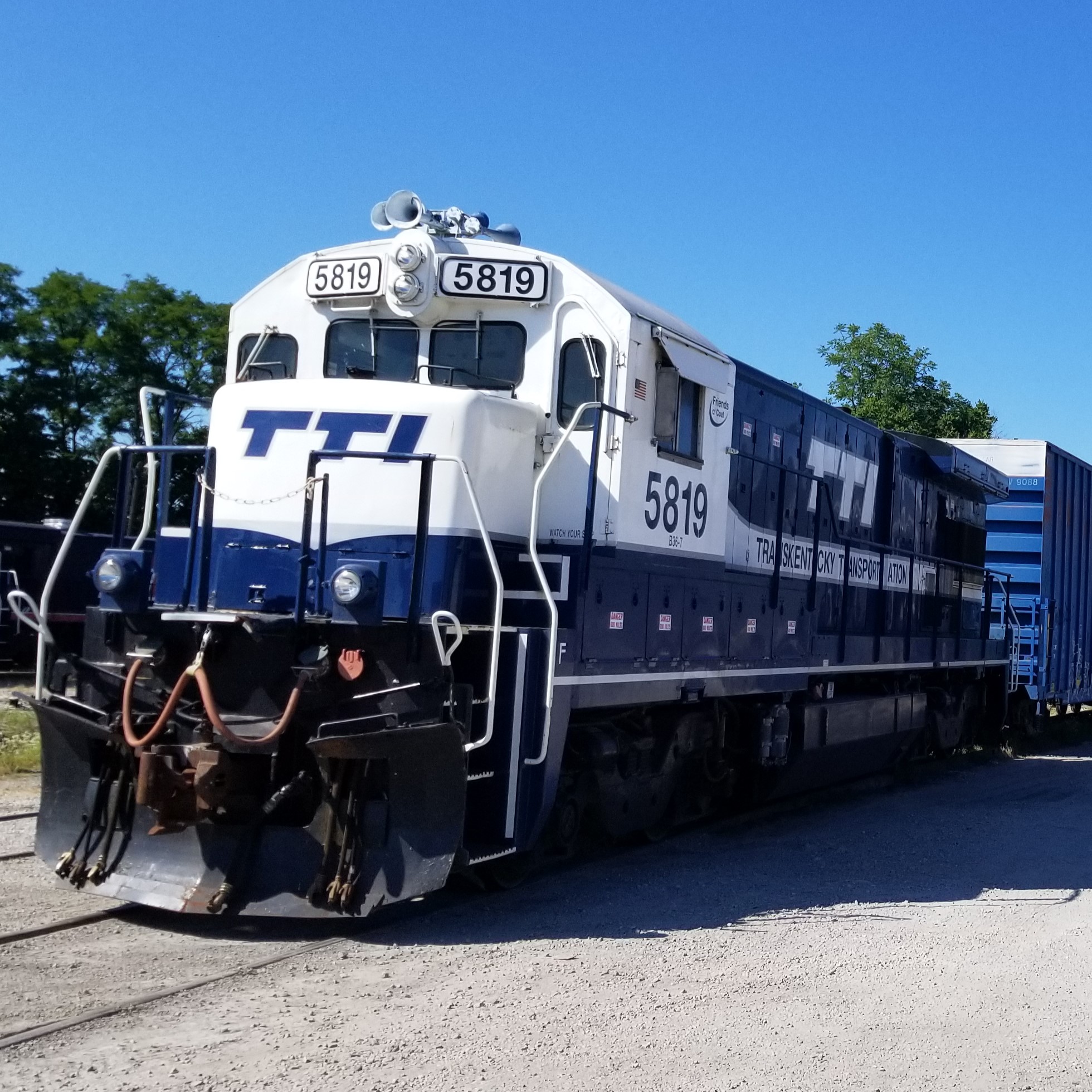
Choosing rail freight from China to Europe is becoming increasingly popular for importers seeking a balance between speed and cost. While ocean shipping remains the cheapest, and air freight the fastest, rail transport offers a greener, quicker, and more reliable option for cross-continental trade. Consequently, businesses can cut costs, improve delivery times, and strengthen supply chain resilience.
What Factors Influence Rail Freight from China to Europe?
Several factors determine pricing and delivery schedules:
Route selection: Northern, Central, or Southern corridors.
Cargo size and type: Full Container Load (FCL) or Less than Container Load (LCL).
Customs duties and clearance times.
Fuel prices and surcharges.
Seasonal demand and rail capacity.
Additionally, delays can occur due to border inspections or rail congestion.
How Much Does Rail Freight from China to Europe Cost?
Service Type
Cost Estimate
Transit Time
Best For
FCL (20GP)
$5,000–$6,500
18–20 days
Bulk shipments
FCL (40GP)
$8,000–$10,500
18–20 days
Large volumes
FCL (40HQ)
$8,500–$11,000
18–20 days
Oversized cargo
LCL
$80–$120 per CBM
20–24 days
Small shipments
Note: Prices vary depending on route, customs, and market conditions.
Transit times are shorter than sea freight (30–40 days) but longer than air freight (3–7 days).
Which Documents Are Required for Rail Freight Customs?
Document
Purpose
Rail Waybill
Proof of shipment
Commercial Invoice
Declares cargo value
Packing List
Details goods and weight
Certificate of Origin
Confirms source country
Customs Declaration
Required by EU authorities
Import Licenses (if needed)
For restricted goods
Correct documentation avoids border delays and fines.
Why Choose Rail Freight Over Sea or Air?
Rail freight is increasingly chosen for its cost-speed balance and environmental benefits. Although sea freight remains cheaper, rail is much faster and produces lower emissions than air freight. Additionally, the Belt and Road Initiative has expanded capacity and routes, improving connectivity.
DAP (Delivered at Place): Seller covers freight, buyer handles duties.
FOB is most common for transparency and competitive rates.
Should You Consider Door-to-Door Rail Freight?
Door-to-doorrail freight from China to Europe simplifies logistics by combining pickup, rail transport, customs, and delivery in Europe. Although more expensive than terminal-to-terminal, it saves time and avoids coordination errors.
How Do Freight Forwarders Lower Rail Freight Costs?
Forwarders support businesses by:
Consolidating LCL shipments.
Negotiating lower rates with rail operators.
Handling customs documentation.
Offering warehousing and insurance.
Moreover, they ensure compliance with EU and Chinese regulations, preventing costly mistakes.
Do Peak Seasons Affect Rail Freight?
Yes. Chinese New Year, Golden Week, and Europe’s Christmas peak raise demand and prices by up to 30%. Booking in advance ensures space and stable rates.
Conclusion
Using rail freight from China to Europe offers importers a smart alternative to air and sea. With costs lower than air and transit times shorter than ocean shipping, it provides an excellent middle ground. By leveraging forwarders, securing space early, and choosing the right Incoterms, businesses can streamline operations, cut costs, and strengthen global trade reliability.
Consult TJ China Freight Forwarding for the lowest quote. They will provide you with reliable, cost-effective service.