

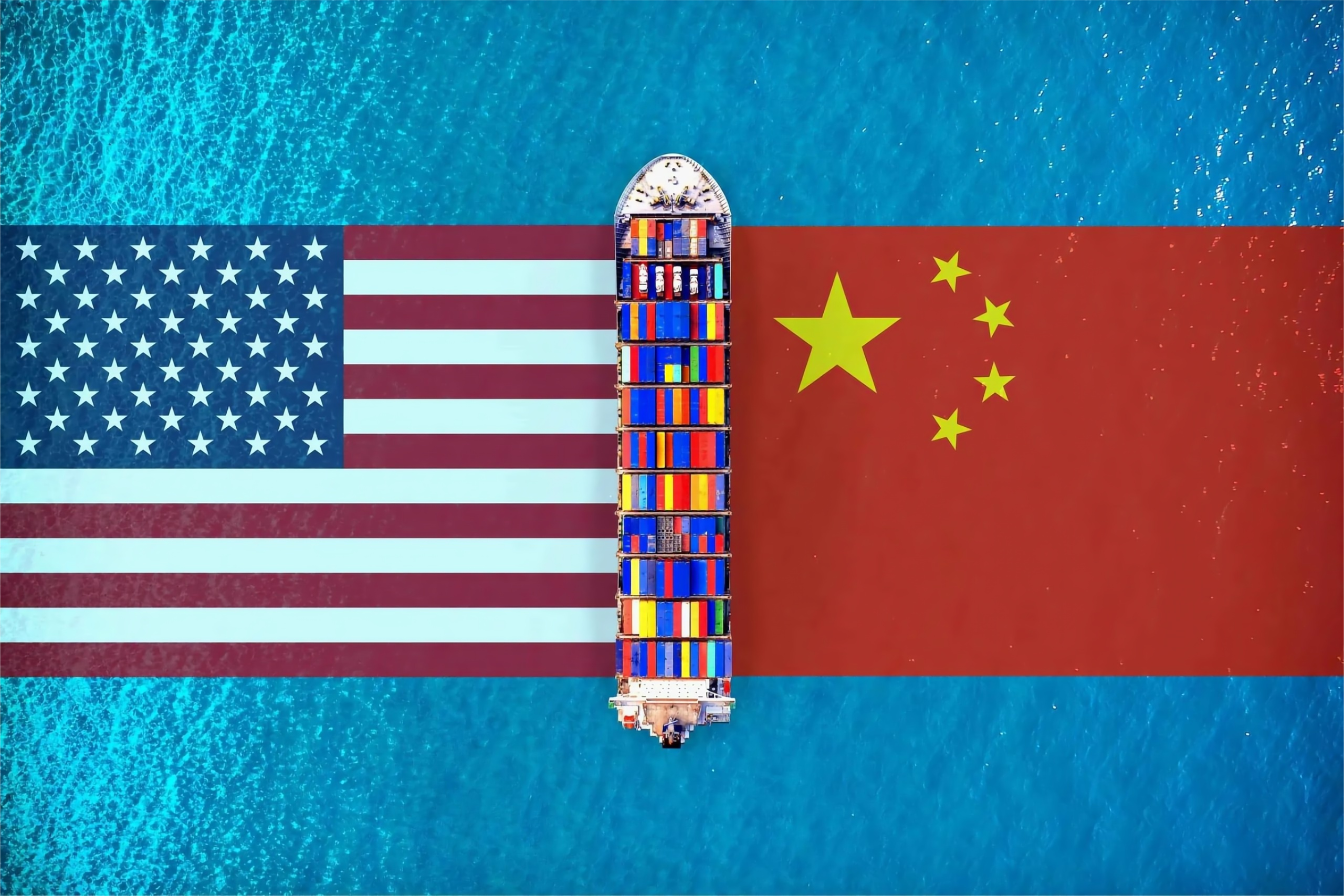
Reefer FCL best route for solar panels from China to Miami
Finding the Reefer FCL best route for solar panels from China to Miami is essential for maintaining equipment integrity during long sea voyages. Top China Freight specializes in managing these complex logistics requirements for renewable energy companies. This guide explores the most efficient paths to ensure your cargo arrives safely and on schedule.

Why Choose Reefer FCL for Solar Panel Shipments?
Solar panels are sensitive electronic components that can suffer from extreme temperature fluctuations and high humidity during ocean transit. Consequently, many importers now prefer temperature-controlled environments to prevent micro-cracks and moisture ingress. Reefer containers provide a stable climate that protects the delicate photovoltaic cells from the harsh conditions of the Pacific and Atlantic oceans.
Moreover, choosing a full container load ensures that your goods are not handled multiple times during the journey. This reduction in cargo handling significantly lowers the risk of physical damage. Professional logistics trends suggest that specialized equipment is becoming the standard for high-end renewable energy technology.
Additionally, Reefer FCL allows for precise control over ventilation and humidity levels. Therefore, your shipment remains in a pristine state from the moment it leaves the factory in China until it reaches the warehouse in Miami. This level of care is vital for maintaining manufacturer warranties and performance guarantees.
Evaluating the Reefer FCL best route for solar panels from China to Miami
The most efficient route for shipping solar panels from China to Miami typically involves transit through the Panama Canal. Specifically, vessels depart from major ports like Shanghai, Ningbo, or Shenzhen and head east across the Pacific Ocean. This direct water route avoids the need for expensive cross-country trucking from West Coast ports like Los Angeles.
Furthermore, sea freight remains the most cost-effective solution for large-scale solar projects. While the Panama Canal route is subject to seasonal draft restrictions, it remains the primary choice for Florida-bound cargo. Most major carriers offer weekly departures to ensure a consistent supply chain flow.
In addition, some carriers may opt for the Suez Canal route depending on global maritime conditions and congestion levels. However, the Panama Canal route is generally faster for shipments originating from Southern Chinese ports. Consequently, importers should consult with their freight forwarder to determine the current best path based on live carrier schedules.

How Does Reefer FCL Compare to Other Shipping Options?
While Reefer FCL offers the highest level of protection, other methods exist for different business needs. For instance, standard dry containers are cheaper but offer no climate control. In contrast, air freight is incredibly fast but carries a price tag that is often prohibitive for bulky solar panels.
Consequently, businesses must weigh the cost of potential equipment degradation against the higher freight rates of refrigerated units. For smaller shipments, less than container load options might seem attractive. Nevertheless, the increased handling in LCL environments often poses too much risk for fragile solar glass.
To summarize, Reefer FCL represents a premium middle ground that balances safety with relative cost-efficiency. It is particularly suitable for high-efficiency panels that are more susceptible to heat damage. The following table illustrates the primary differences between these common shipping methods.
| Shipping Method | Cost Range | Transit Time | Best For |
|---|---|---|---|
| Reefer FCL | $4,500 – $6,500 | 30-35 Days | High-value Solar |
| Standard FCL | $3,500 – $5,000 | 30-35 Days | Standard Panels |
| Air Freight | $15,000+ | 5-7 Days | Urgent Samples |
| LCL Shipping | $150 – $300/CBM | 40-45 Days | Small Batches |
Cost Factors for Shipping Solar Panels to Florida
Several variables influence the final shipping costs from China to the United States. Firstly, the distance between the port of loading and Miami plays a major role in fuel surcharges. Secondly, the demand for refrigerated containers fluctuates based on seasonal produce exports, which can impact availability for industrial goods.
Moreover, when shipping to North America, importers must account for terminal handling charges and documentation fees. These origin and destination costs can add several hundred dollars to the base ocean freight rate. Consequently, getting an all-in quote is essential for accurate budgeting.
Additionally, peak season surcharges often apply from August through October as retailers prepare for the holiday season. During this time, space on vessels becomes limited and rates typically increase by 15 to 25 percent. Therefore, planning your solar panel logistics several months in advance can lead to significant savings.
Note: Freight rates are subject to change based on fuel costs, carrier capacity, and seasonal demand. Contact us for a current quote tailored to your specific shipment.
Customs Brokerage and Import Requirements in Miami
Navigating the legalities of solar panel imports requires a deep understanding of current trade policies. Specifically, the U.S. government often imposes anti-dumping and countervailing duties on solar products originating from certain regions. Utilizing a professional customs brokerage service is the best way to avoid unexpected fines.
Furthermore, Miami port customs officials require specific documentation, including the commercial invoice, packing list, and bill of lading. Any errors in these documents can lead to lengthy delays and expensive storage fees at the terminal. Consequently, ensuring all paperwork is compliant before the vessel arrives is a top priority.
Indeed, the complexity of solar energy supply chain regulations means that specialized knowledge is required. Your broker will help classify your goods under the correct Harmonized System code to ensure accurate duty payments. In addition, they can advise on any available exemptions for renewable energy equipment.

Transit Times for the Reefer FCL best route for solar panels from China to Miami
The typical delivery schedule for ocean freight between China and Miami ranges from 30 to 40 days. Specifically, direct services from Shenzhen usually take around 32 days when passing through the Panama Canal. In contrast, transshipment routes via Singapore or Busan may extend the journey to 45 days or more.
Moreover, port congestion in either China or Florida can occasionally disrupt these timelines. Therefore, it is wise to include a buffer of at least one week in your project planning. Logistics trends for 2025 suggest that while schedule reliability is improving, global events can still cause sudden shifts in transit times.
Notably, the time spent in customs clearance at the Port of Miami must also be considered. While most shipments clear within 3 to 5 days, intensive examinations can take longer. Consequently, working with an experienced freight forwarder helps streamline the entire process from port to port.
| Origin Port | Transit Time | Frequency | Route Type |
|---|---|---|---|
| Shenzhen | 30-32 Days | Weekly | Direct |
| Shanghai | 33-35 Days | Weekly | Direct |
| Ningbo | 34-36 Days | Bi-weekly | Transshipment |
| Qingdao | 38-42 Days | Weekly | Transshipment |
Door to Door Logistics for Solar Projects
Managing the final mile of delivery is just as important as the ocean crossing. Our door to door service handles everything from the factory floor to the final installation site in Miami. This integrated approach eliminates the need for importers to coordinate with multiple different transport companies.
Furthermore, specialized trailers are often required to transport Reefer containers from the port to the warehouse. This ensures that the temperature-controlled environment is maintained until the very last moment. Consequently, the risk of thermal shock to the solar panels is virtually eliminated.
In addition, having a single point of contact simplifies communication and problem-solving. If a delay occurs at the port, your logistics provider can immediately adjust the inland trucking schedule. Therefore, door-to-door solutions offer the highest level of convenience and reliability for busy project managers.
Case Studies: Solar Panel Shipping Success
Practical examples help illustrate the effectiveness of specialized shipping routes. Below are two recent scenarios involving solar panel transport from China to Miami using Reefer FCL containers.
Case Study 1: Shanghai to Miami Solar Project ———————————————————– Route: Shanghai, China to Miami, USA Cargo: Monocrystalline Solar Panels, 65 CBM, 18,000 kg Container: 40HQ Reefer Shipping Details: – Carrier: Major carrier – Port of Loading: Shanghai – Port of Discharge: Miami – Route Type: Direct via Panama Canal Cost Breakdown: – Ocean Freight: $5,400 – Origin Charges: $450 – Destination Charges: $600 – Customs and Duties: $1,200 – Total Landed Cost: $7,650 Timeline: – Booking to Loading: 5 days – Sea Transit: 32 days – Customs Clearance: 3 days – Total Door-to-Door: 40 days Key Insight: Reefer settings successfully prevented humidity buildup during the tropical transit. ———————————————————–
Case Study 2: Shenzhen Urgent Solar Supply ———————————————————– Route: Shenzhen, China to Miami, USA Cargo: Bifacial Solar Modules, 60 CBM, 17,500 kg Container: 40HQ Reefer Shipping Details: – Carrier: Premium Express Service – Port of Loading: Yantian – Port of Discharge: Miami – Route Type: Direct Cost Breakdown: – Ocean Freight: $6,100 – Origin Charges: $500 – Destination Charges: $650 – Customs and Duties: $1,350 – Total Landed Cost: $8,600 Timeline: – Booking to Loading: 3 days – Sea Transit: 30 days – Customs Clearance: 2 days – Total Door-to-Door: 35 days Key Insight: Using a premium carrier reduced transit time by 5 days for a time-sensitive project. ———————————————————–

Which Option Should You Choose for Your Supply Chain?
Selecting the right shipping method depends on your specific project priorities. If your primary goal is budget optimization, standard FCL might be the best choice for less sensitive equipment. However, if you are importing high-efficiency modules for a major utility project, the protection of Reefer FCL is well worth the investment.
Furthermore, consider the volume of your shipment before making a final decision. For large orders exceeding 15 cubic meters, FCL is almost always more economical than LCL. In contrast, very small sample orders should be handled via air freight to save time during the testing phase.
Ultimately, the best route is one that balances speed, safety, and cost. By analyzing current freight rates and carrier performance, you can build a resilient supply chain. Consult with a logistics expert to tailor a shipping strategy that meets your specific business objectives.
Mastering Solar Logistics from China to Miami
Successfully navigating the Reefer FCL best route for solar panels from China to Miami requires a combination of strategic planning and expert execution. By choosing temperature-controlled containers and the direct Panama Canal route, you protect your investment from environmental risks. This approach ensures that your solar panels maintain their efficiency and longevity upon arrival in Florida.
In conclusion, working with an experienced freight forwarder like Top China Freight provides the peace of mind needed for international trade. From customs clearance to final mile delivery, every step of the process is managed to ensure success. Start planning your next solar shipment today to take advantage of the most efficient logistics routes available.
Ready to streamline your logistics?
Ensure your renewable energy project stays on track with the Reefer FCL best route for solar panels from China to Miami. Our expert team at Top China Freight is ready to handle your specialized cargo with the highest level of care. Contact us today to receive a comprehensive quote and secure your shipping space for 2025. Visit our website to start your inquiry now.
Request Quote