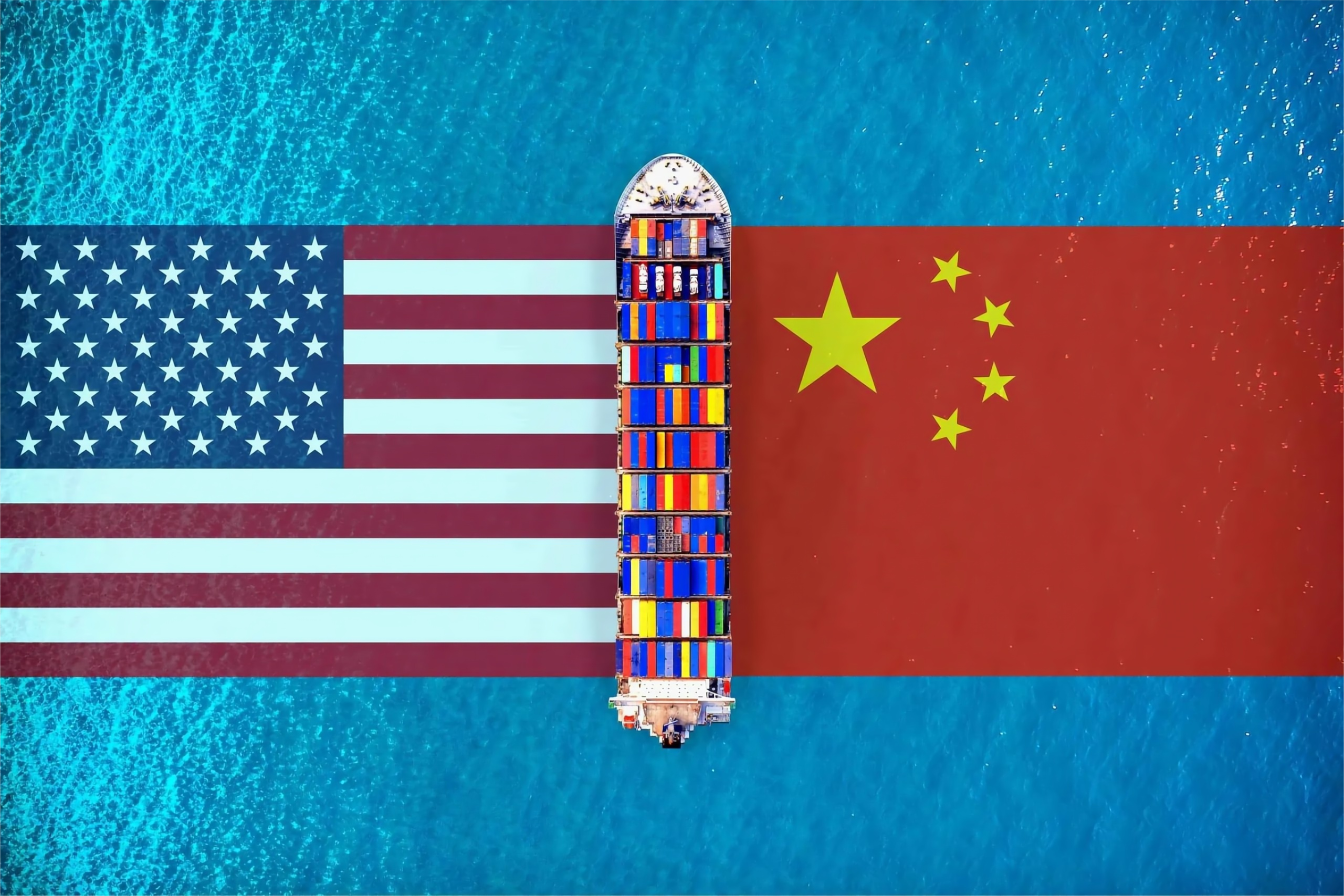
Open Top FCL container shortage solution for auto parts from China to Belgium
Finding a reliable Open Top FCL container shortage solution for auto parts from China to Belgium is increasingly critical for maintaining efficient automotive supply chains. Top China Freight provides specialized logistics expertise to help manufacturers overcome equipment deficits and ensure timely delivery to European hubs. Consequently, understanding the root causes of these shortages allows businesses to implement proactive strategies that safeguard their cargo against seasonal delays.
What Causes the Open Top FCL Container Shortage?
Equipment imbalances at major Chinese ports often result from high demand for specialized containers that do not return from Europe at the same frequency. Shipping lines prioritize standard dry vans because they are easier to stack and manage within high-volume vessel rotations.
Furthermore, the rapid growth of the electric vehicle sector has increased the need for specialized handling of large battery packs and chassis components. This surge in demand frequently outpaces the available supply of open top units in industrial zones like Shanghai and Ningbo.
Logistics trends suggest that port congestion and global transit disruptions further exacerbate the scarcity of specialized equipment. Therefore, shippers must look beyond traditional ocean freight to maintain their delivery schedules during peak manufacturing periods.
How Does Open Top FCL Compare to Other Shipping Options?
Identifying the most efficient mode of transport requires a detailed analysis of cost, speed, and equipment availability for the China-Belgium route. While open top containers offer easy overhead loading, their limited supply often necessitates exploring alternatives like flat racks or multimodal transport.
Moreover, the choice between sea and rail depends heavily on the urgency of the automotive production line in Belgium. Specifically, rail options can significantly reduce transit times although they come at a higher price point compared to standard waterborne routes.
| Shipping Method | Cost Range | Transit Time | Best For |
|---|---|---|---|
| Sea Freight (OT) | $4,200-$6,500 | 32-40 Days | Heavy/Tall Parts |
| Rail Freight | $6,500-$9,000 | 18-24 Days | Urgent Shipments |
| Flat Rack (FR) | $5,000-$7,500 | 32-40 Days | Over-width Parts |
| LCL Shipping | $80-$150/CBM | 35-45 Days | Small Components |
Alternative Strategies for Shipping Auto Parts
Utilizing sea freight with flat rack containers serves as a viable alternative when open top units are unavailable. Flat racks allow for side and top loading, making them suitable for oversized engines or structural frames that exceed standard dimensions.
Additionally, many companies are now pivoting toward rail freight to bypass ocean equipment shortages. The China-Europe Railway Express connects major Chinese hubs directly to Liege or Antwerp, offering a middle ground between air and sea transit.
Hybrid solutions involving sea-to-road transport can also provide relief when direct port-to-port equipment is scarce. By shipping via less congested ports and using specialized trucking, importers can maintain a steady flow of essential automotive components.
Navigating Customs and Compliance for Belgium Imports
Professional customs brokerage is essential for ensuring that all automotive parts meet stringent European Union safety and environmental standards. Belgian customs authorities require precise documentation, including certificates of origin and detailed commercial invoices, to process imports efficiently.
Specifically, the TARIC code classification for auto parts determines the applicable duties and taxes at the Port of Antwerp. Consequently, any errors in paperwork can lead to expensive storage fees and further supply chain bottlenecks.
Implementing a robust compliance strategy helps mitigate the risks associated with international trade regulations. Therefore, working with an experienced freight forwarder ensures that your cargo clears customs without unnecessary delays or legal complications.
Implementing Door to Door Logistics Solutions
Adopting door to door services simplifies the complex logistics involved in moving heavy auto parts across continents. This comprehensive approach covers everything from factory pickup in China to final delivery at a Belgian warehouse or assembly plant.
Streamlining the entire process reduces the number of touchpoints, which minimizes the risk of damage during cargo handling. Indeed, integrated logistics providers manage the transition between different transport modes, ensuring a seamless journey for specialized containers.
Ultimately, this strategy allows automotive businesses to focus on their core operations while experts handle the intricacies of international freight. Choosing a single-source provider enhances visibility and accountability throughout the entire shipping lifecycle.
Market Intelligence: China to Belgium Freight Trends
Recent market data indicates that shipping rates to Europe have stabilized in early 2025, though equipment availability remains a concern. Industry analysts observe that Belgian ports like Zeebrugge are expanding their capacity to handle specialized automotive RO-RO and containerized cargo.
Historically, the Q4 peak season leads to a 20 percent increase in freight costs due to higher consumer demand. Accordingly, savvy importers are booking their open top containers at least six weeks in advance to secure equipment and lower rates.
Note: Freight rates are subject to change based on fuel costs, carrier capacity, and seasonal demand. Contact us for a current quote tailored to your specific shipment.
| Departure Port | Arrival Port | Avg. Transit | Capacity Level |
|---|---|---|---|
| Shanghai | Antwerp | 34 Days | Moderate |
| Ningbo | Zeebrugge | 36 Days | High |
| Shenzhen | Antwerp | 30 Days | Tight |
| Qingdao | Antwerp | 38 Days | Stable |

Real Case Studies for Auto Parts Shipping
Case Study 1: Shanghai to Antwerp Engine Shipment. A major manufacturer faced a severe shortage of 40ft open top containers for high-performance engines. By switching to a flat rack solution and adjusting the lashing protocols, they maintained their production schedule with only a 10 percent cost increase.
Case Study 2: Shenzhen to Zeebrugge Chassis Transport. An automotive supplier utilized rail freight to transport oversized chassis components when sea freight equipment was unavailable. This decision reduced their transit time by 14 days, allowing them to fulfill a critical contract on time despite higher initial freight costs.
Case Study Details: Shanghai to Antwerp
Route: Shanghai, China to Antwerp, Belgium. Cargo: 15 Automotive Engines, 28 CBM, 12,000 kg. Container: 40ft Open Top (Substituted with Flat Rack). Shipping Details: Carrier: Major Ocean Carrier. Port of Loading: Shanghai. Port of Discharge: Antwerp. Route Type: Direct.
Cost Breakdown: Ocean Freight: $5,400. Origin Charges: $450. Destination Charges: $600. Customs and Duties: $1,200. Total Landed Cost: $7,650. Timeline: Booking to Loading: 7 days. Sea Transit: 34 days. Customs Clearance: 3 days. Total Door-to-Door: 44 days.
Key Insight: Using a flat rack as a substitute for an open top container prevented a three-week production delay. Based on Q4 2024 market rates.
Which Option Should You Choose? Decision Framework
Budget priority dictates that sea freight remains the primary choice if the production timeline allows for a 40-day window. If equipment is unavailable, look for flat rack availability as the closest functional alternative for oversized parts.
Speed priority requires a shift to rail freight, which offers consistent schedules and faster arrival in Belgium. While the cost is higher, the reduction in inventory carrying costs often offsets the increased freight expenditure for high-value auto parts.
Volume thresholds also play a role; for smaller shipments, consider LCL shipping or consolidating cargo with other automotive suppliers. This approach maximizes container utilization and reduces the individual cost per unit during equipment shortages.
Strategic Solutions for Automotive Logistics
Summarizing the current landscape, finding an Open Top FCL container shortage solution for auto parts from China to Belgium involves a mix of early booking and alternative equipment usage. By leveraging rail freight and flat rack options, manufacturers can avoid the pitfalls of equipment scarcity at major Chinese ports.
Experience shows that flexibility in transport modes is the most effective way to manage global supply chain disruptions. Ultimately, partnering with a knowledgeable freight forwarder ensures that your auto parts reach Belgium safely, efficiently, and within budget.
Ready to streamline your logistics?
Optimizing your automotive supply chain requires a proactive Open Top FCL container shortage solution for auto parts from China to Belgium. Contact our logistics experts today to receive a customized freight quote and secure your equipment for the upcoming season. Visit our website to learn more about our specialized shipping services.
Request Quote