


Reefer FCL booking process for hardware tools from China to Czech Republic
Navigating the Reefer FCL booking process for hardware tools from China to Czech Republic requires a strategic approach to maintain product integrity. Partnering with an experienced freight forwarder like Top China Freight ensures your sensitive hardware arrives in perfect condition. This comprehensive guide details every step of the logistics journey to help you optimize your supply chain.
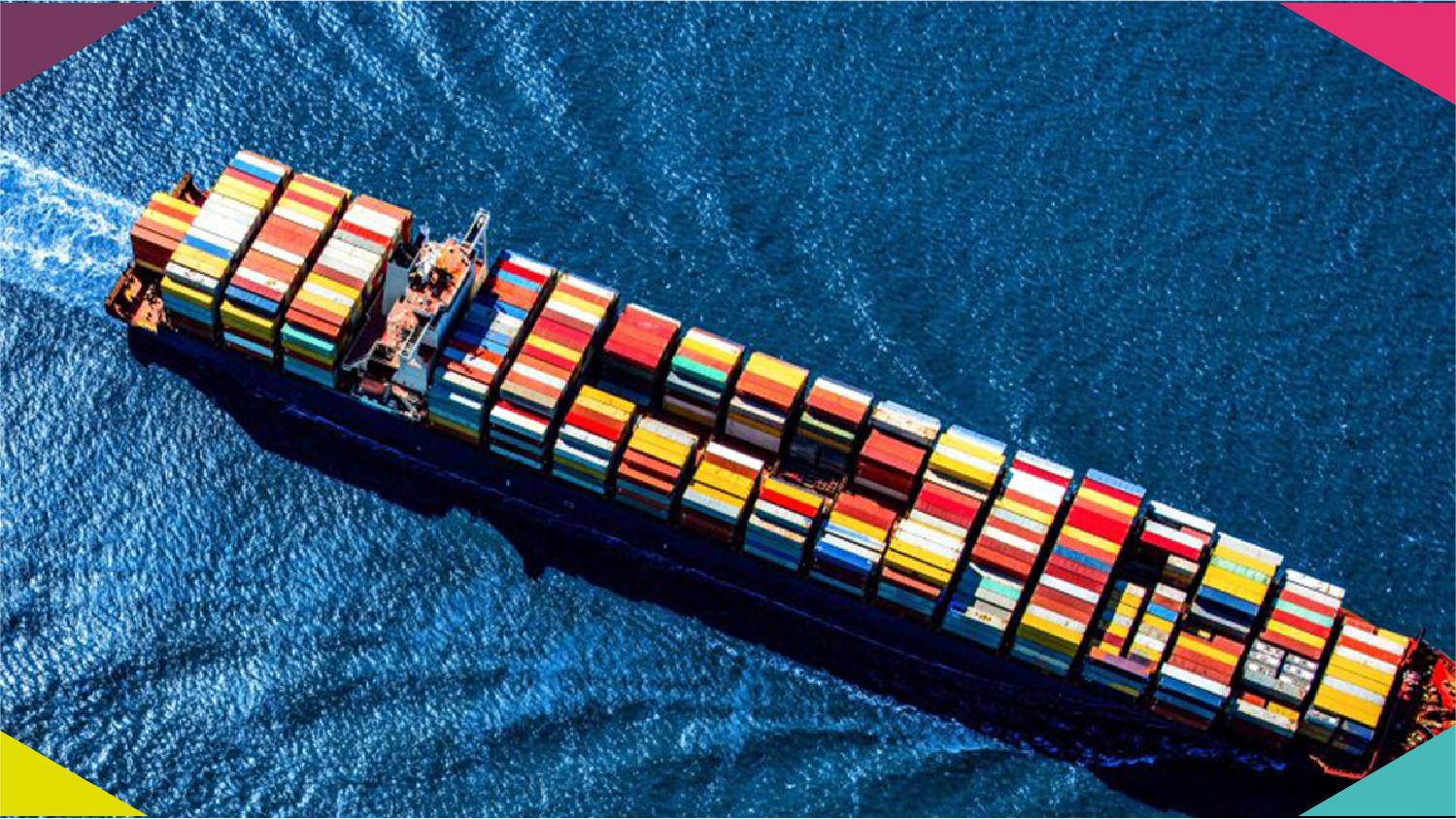
Why Choose a Reefer FCL booking process for hardware tools from China to Czech Republic?
Hardware tools often feature sensitive coatings or electronic components that react poorly to extreme humidity. Moreover, the long maritime journey from China to Central Europe exposes containers to significant temperature fluctuations. Consequently, choosing a refrigerated container prevents rust, corrosion, and condensation damage.
Precision tools and high-end power equipment require a stable environment to maintain their calibration. Therefore, the Reefer FCL booking process for hardware tools from China to Czech Republic becomes a necessity for quality assurance. Indeed, investing in climate control reduces the risk of expensive product returns and insurance claims.
Standard dry containers can reach temperatures exceeding 60 degrees Celsius while crossing the Suez Canal or the Indian Ocean. Meanwhile, reefer units maintain a consistent temperature range, typically between 10 to 20 degrees Celsius for hardware. This specialized sea freight solution protects your investment throughout the voyage.
Step-by-Step Reefer FCL booking process for hardware tools from China to Czech Republic
The first step involves providing your freight forwarder with precise cargo specifications and desired temperature settings. Additionally, you must specify the humidity levels required to prevent moisture buildup on metal surfaces. As a result, the carrier can allocate the appropriate equipment for your specific hardware types.
Carriers require a detailed packing list and commercial invoice to initiate the booking. Furthermore, you should confirm the Port of Loading, such as Shanghai or Ningbo, and the final destination in the Czech Republic. For instance, Prague and Brno are common delivery points for industrial hardware shipments.
Once you accept the freight quote, the forwarder secures space on a vessel and arranges for the empty reefer container. Consequently, the container is pre-cooled to the required temperature before it arrives at your factory. This proactive measure ensures the cold chain remains unbroken from the very beginning of the journey.
How Does Reefer Sea Freight Compare to Other Shipping Options?
Selecting the right transport mode depends on your budget, urgency, and cargo volume. While sea freight is the most common choice, rail freight offers a faster alternative for landlocked destinations like the Czech Republic. Nevertheless, reefer containers are available for both maritime and rail routes.
Air freight remains the fastest option but comes with significantly higher costs that might not suit heavy hardware. On the other hand, sea freight provides the best balance of cost and capacity for large-scale tool imports. To summarize, each method has unique advantages depending on your specific supply chain requirements.
| Shipping Method | Cost Range | Transit Time | Best For |
|---|---|---|---|
| Reefer Sea FCL | 3,200 – 4,500 USD | 35 – 45 Days | Bulk hardware orders |
| Reefer Rail FCL | 5,500 – 7,500 USD | 18 – 24 Days | Urgent seasonal stock |
| Air Freight | 15,000+ USD | 5 – 8 Days | High-value prototypes |
| LCL Sea Freight | 80 – 150 USD/CBM | 40 – 50 Days | Small trial shipments |
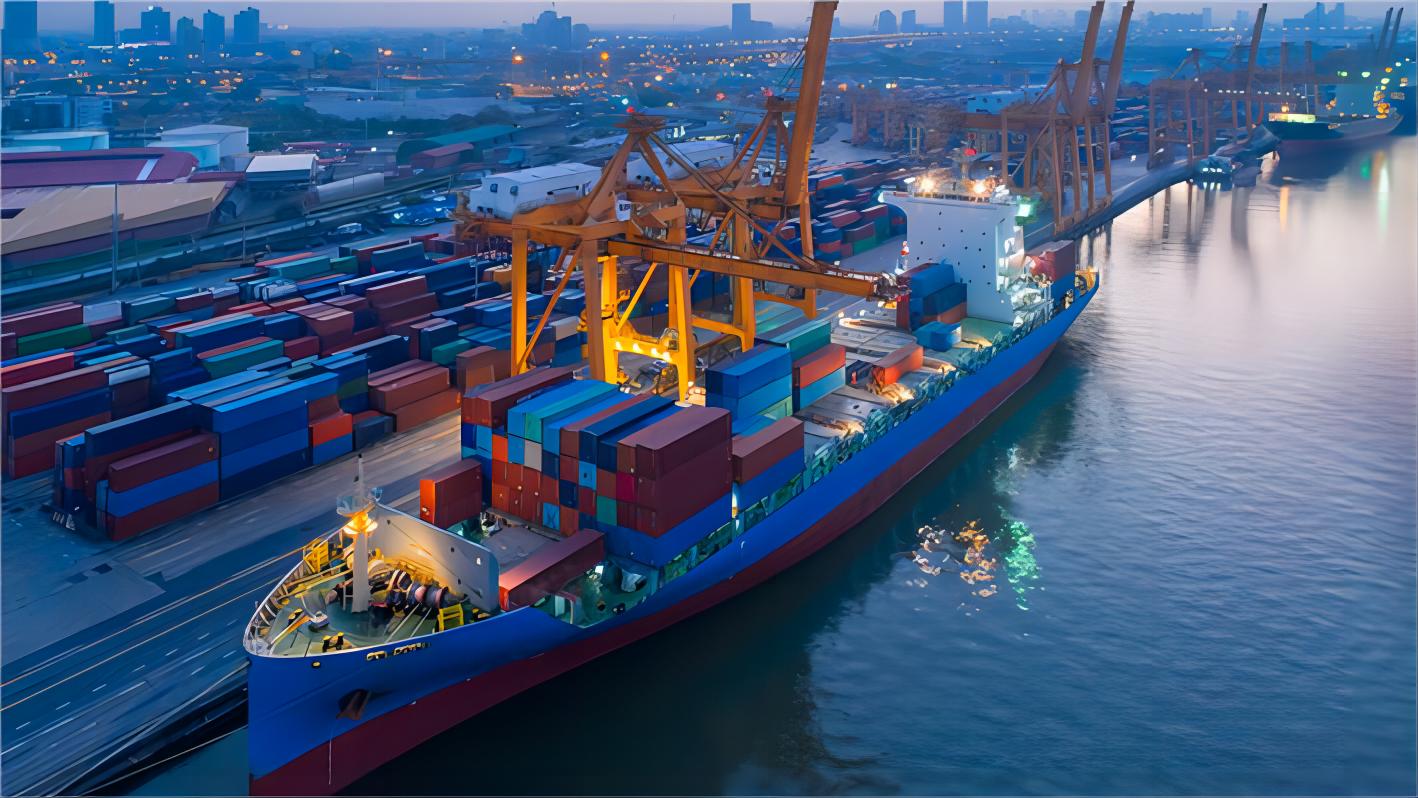
Customs Documentation and Compliance for Czech Republic Imports
Importing hardware into the European Union requires strict adherence to customs regulations and safety standards. Specifically, you must provide a valid EORI number and a comprehensive Bill of Lading. Additionally, some hardware tools may require CE certification to prove they meet EU safety directives.
Using a professional customs brokerage service simplifies the clearance process at the Port of Hamburg or Rotterdam. After the cargo clears the port, it usually travels by truck or rail to the final warehouse in Czechia. Indeed, accurate documentation prevents costly delays and potential fines from customs authorities.
The Czech Republic applies the EU’s Common External Tariff to goods arriving from China. Consequently, you must verify the specific HS codes for your hardware tools to calculate duties accurately. For example, hand tools and power tools often fall under different tariff classifications with varying tax rates.
Market Rates and Cost Factors for 2025
Freight rates from China to Europe fluctuate based on seasonal demand and fuel surcharges. As of early 2025, reefer container rates have stabilized but remain higher than standard dry containers. Furthermore, peak seasons like the pre-Chinese New Year period often see price spikes of 20 percent or more.
Port congestion and equipment availability also play a significant role in determining final shipping costs. For instance, choosing a direct route might cost more upfront but saves money by reducing transit time. To summarize, getting a real-time quote is essential for accurate budgeting in the current market environment.
| Route Type | 20GP Reefer | 40HQ Reefer | Transit Days |
|---|---|---|---|
| Shanghai to Prague | 3,400 USD | 4,200 USD | 38 Days |
| Ningbo to Brno | 3,550 USD | 4,350 USD | 40 Days |
| Shenzhen to Prague | 3,300 USD | 4,100 USD | 35 Days |
Case Study 1: Shipping Precision Measuring Tools to Prague
A Czech importer needed to transport high-precision measuring tools from Ningbo to a warehouse in Prague. Because these tools are highly sensitive to humidity, they opted for a 20ft reefer container. The shipment followed the Reefer FCL booking process for hardware tools from China to Czech Republic strictly.
Route: Ningbo to Prague via Hamburg. Cargo: Precision calipers and gauges, 18 CBM, 4,500 kg. Container: 20ft Reefer. Shipping Details: Major carrier, direct sea route. Ocean Freight: 3,450 USD. Origin Charges: 450 USD. Destination Charges: 600 USD. Customs Duties: 1,200 USD. Total Landed Cost: 5,700 USD. Timeline: 42 days total. Key Insight: Maintaining 15 degrees Celsius prevented all surface oxidation.
Case Study 2: Seasonal Power Tool Expansion in Brno
A retail chain in Brno ordered a large volume of lithium-battery-powered drills for the spring season. They utilized a 40HQ reefer container to ensure the batteries remained stable during the transit through hot climates. This case highlights the importance of temperature control for electronic hardware components.
Route: Shenzhen to Brno via Koper. Cargo: Cordless drills, 65 CBM, 12,000 kg. Container: 40HQ Reefer. Shipping Details: Transshipment via Singapore. Ocean Freight: 4,100 USD. Origin Charges: 550 USD. Destination Charges: 750 USD. Customs Duties: 3,800 USD. Total Landed Cost: 9,200 USD. Timeline: 36 days total. Key Insight: Using the Port of Koper reduced inland trucking time to Czechia.
Which Option Should You Choose for Your Hardware?
Budget priority: If cost is your main concern, select sea freight with transshipment options. However, be prepared for longer transit times that can exceed 45 days. In contrast, if you need to replenish stock quickly, rail freight is the superior choice despite the higher price tag.
Cargo type considerations: For standard hand tools, a dry container with moisture absorbers might suffice. Nevertheless, for high-value power tools or precision instruments, the Reefer FCL booking process for hardware tools from China to Czech Republic is the only way to guarantee quality. Volume thresholds also matter, as shipments over 15 CBM are usually more economical in a full container.
Alternative Strategies for Cost-Saving
One effective strategy involves using a non-operating reefer (NOR) if temperature control is not strictly required but you need a container. Carriers often offer lower rates for NORs to move equipment back to high-demand areas. Additionally, consolidating shipments from multiple suppliers into one FCL can significantly reduce per-unit costs.
Another approach is to utilize a sea-air hybrid solution for urgent components while the bulk travels by sea. This allows you to meet immediate demand without paying air freight rates for the entire inventory. Furthermore, booking your shipment at least 3-4 weeks in advance helps secure lower contract rates before they expire.
Managing the Last Mile Delivery in Czech Republic
The final leg of the Reefer FCL booking process for hardware tools from China to Czech Republic involves inland transport. Most containers arrive at northern ports like Hamburg or southern ports like Koper before moving by rail to Prague terminals. Consequently, you need a reliable local trucking partner for the final delivery to your warehouse.
Choosing a door to door service eliminates the hassle of coordinating multiple vendors. This integrated approach ensures that the temperature-controlled environment is maintained until the container is opened at your facility. Without a doubt, seamless communication between the sea carrier and the local trucker is vital for success.
Final Thoughts on Shipping Hardware from China to Czechia
Successfully managing the Reefer FCL booking process for hardware tools from China to Czech Republic requires careful planning and expert execution. By understanding the nuances of temperature control and customs compliance, you can protect your products and your profit margins. Remember that the cheapest option is not always the most cost-effective if it results in damaged goods.
As market conditions evolve in 2025, staying informed about freight trends and alternative routes will give your business a competitive edge. Whether you choose sea, rail, or a hybrid solution, prioritizing the safety of your hardware tools is paramount. Partner with a trusted forwarder to ensure your supply chain remains resilient and efficient.

Ready to streamline your logistics?
Ready to streamline your Reefer FCL booking process for hardware tools from China to Czech Republic? Contact our logistics experts today for a customized quote and professional guidance. Visit Top China Freight to start your inquiry. Send Inquiry: https://Top China Freight.com/contact-us/
Request Quote