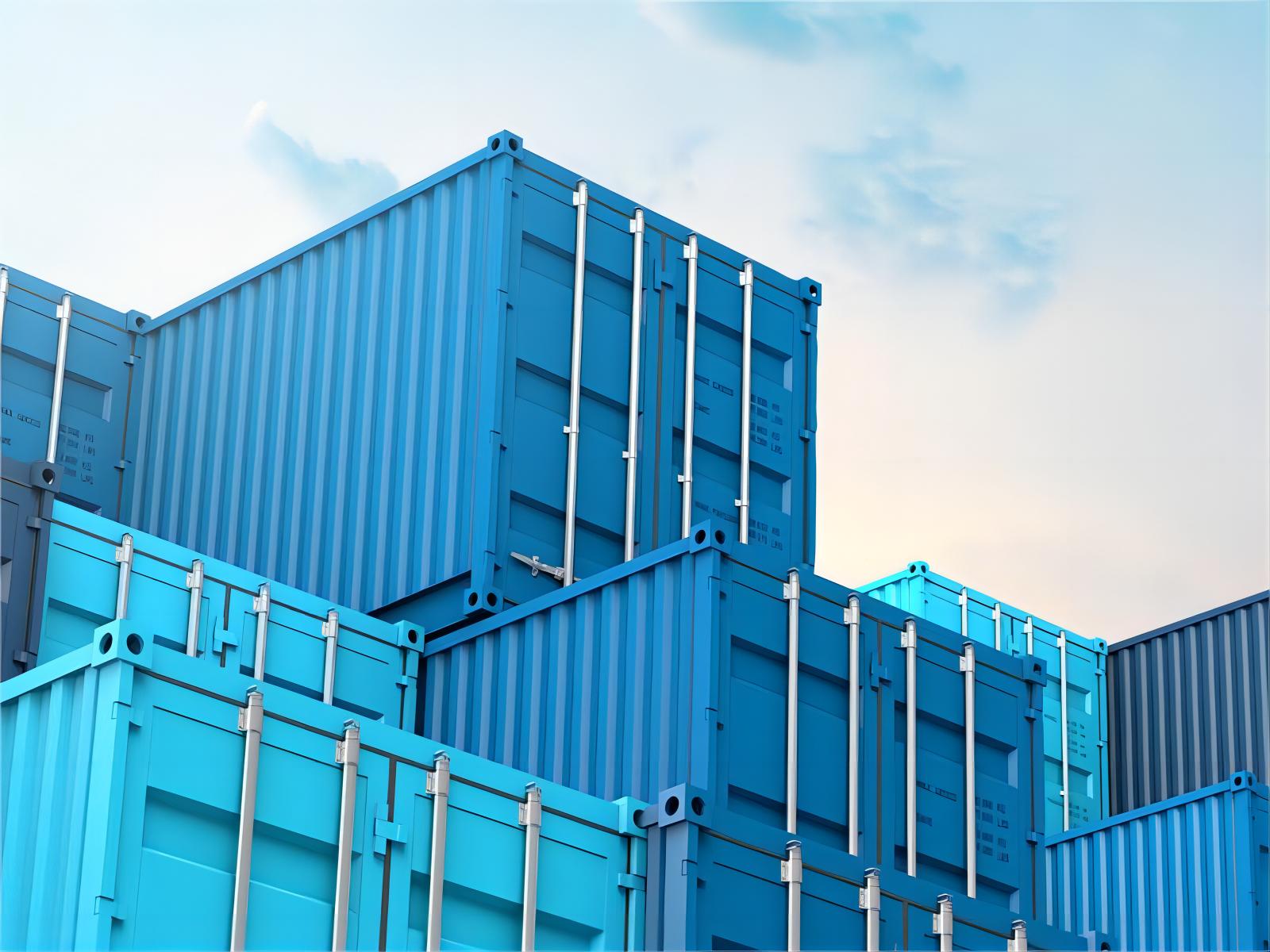
Reefer FCL container shortage solution for hardware tools from China to UK
Finding a reliable Reefer FCL container shortage solution for hardware tools from China to UK has become a top priority for global supply chain managers. Recent market volatility has made equipment availability unpredictable for many importers. By partnering with Top China Freight, you can navigate these logistics challenges with expert guidance and diverse shipping options.

What is the Current State of the Reefer FCL Container Shortage?
Global trade routes are currently experiencing significant equipment imbalances that affect hardware tool exporters in China. Consequently, reefer containers are often repurposed for dry goods, leading to a localized shortage for specialized shipments. Therefore, importers must understand the underlying causes to develop a resilient logistics strategy.
Supply chain disruptions in the Red Sea have forced many carriers to take longer routes around the Cape of Good Hope. As a result, the turnaround time for containers has increased by several weeks. This delay effectively reduces the available pool of reefer units in major Chinese hubs like Ningbo and Shanghai.
Moreover, seasonal demand for perishable goods often competes with industrial hardware for the same temperature-controlled equipment. Indeed, when fruit and pharmaceutical exports peak, hardware manufacturers find it increasingly difficult to secure bookings. Nevertheless, proactive planning and diverse routing can mitigate these equipment scarcity risks.
How Does Reefer FCL Compare to Other Shipping Options?
Choosing the right shipping method requires a careful balance between cost, speed, and cargo protection requirements. While sea freight remains the most common choice, it is not the only option available. Furthermore, understanding the trade-offs between different modes of transport is essential for maintaining a healthy bottom line.
Reefer containers provide an added layer of protection against humidity and temperature fluctuations that can cause rust on precision hardware. However, when these units are unavailable, importers must consider alternative strategies to keep their supply chains moving. Additionally, the following table provides a clear comparison of the primary shipping methods currently available for the China-UK route.
| Shipping Method | Cost Range | Transit Time | Best For |
|---|---|---|---|
| Sea Freight FCL | $3,200 – $4,500 | 30-40 Days | Large bulk orders |
| Air Freight | $12,000 – $18,000 | 5-8 Days | Urgent inventory |
| Rail Freight | $5,500 – $7,500 | 18-24 Days | Mid-range urgency |
| Sea-Air Hybrid | $7,000 – $9,500 | 15-20 Days | Cost-speed balance |
Why Should You Use Reefer Containers for Hardware Tools?
Hardware tools, especially those made of high-carbon steel, are highly susceptible to oxidation and corrosion during long sea voyages. Consequently, the controlled environment of a reefer container prevents moisture buildup caused by dramatic temperature shifts. Without a doubt, this protection is vital for maintaining the quality of premium tool sets.
Standard dry containers often experience ‘container rain’ when passing through different climate zones. For example, a ship traveling from the humid tropics of Southeast Asia to the cooler North Atlantic can see significant condensation inside the box. Therefore, a reefer FCL container shortage solution for hardware tools from China to UK must address these environmental risks.
Furthermore, utilizing specialized equipment ensures that your products arrive in retail-ready condition. If you cannot find reefer units, you might consider using high-quality desiccants and moisture-barrier packaging in standard containers. However, this alternative requires additional labor and material costs at the point of origin.
Can Rail Freight Solve the Container Shortage Problem?
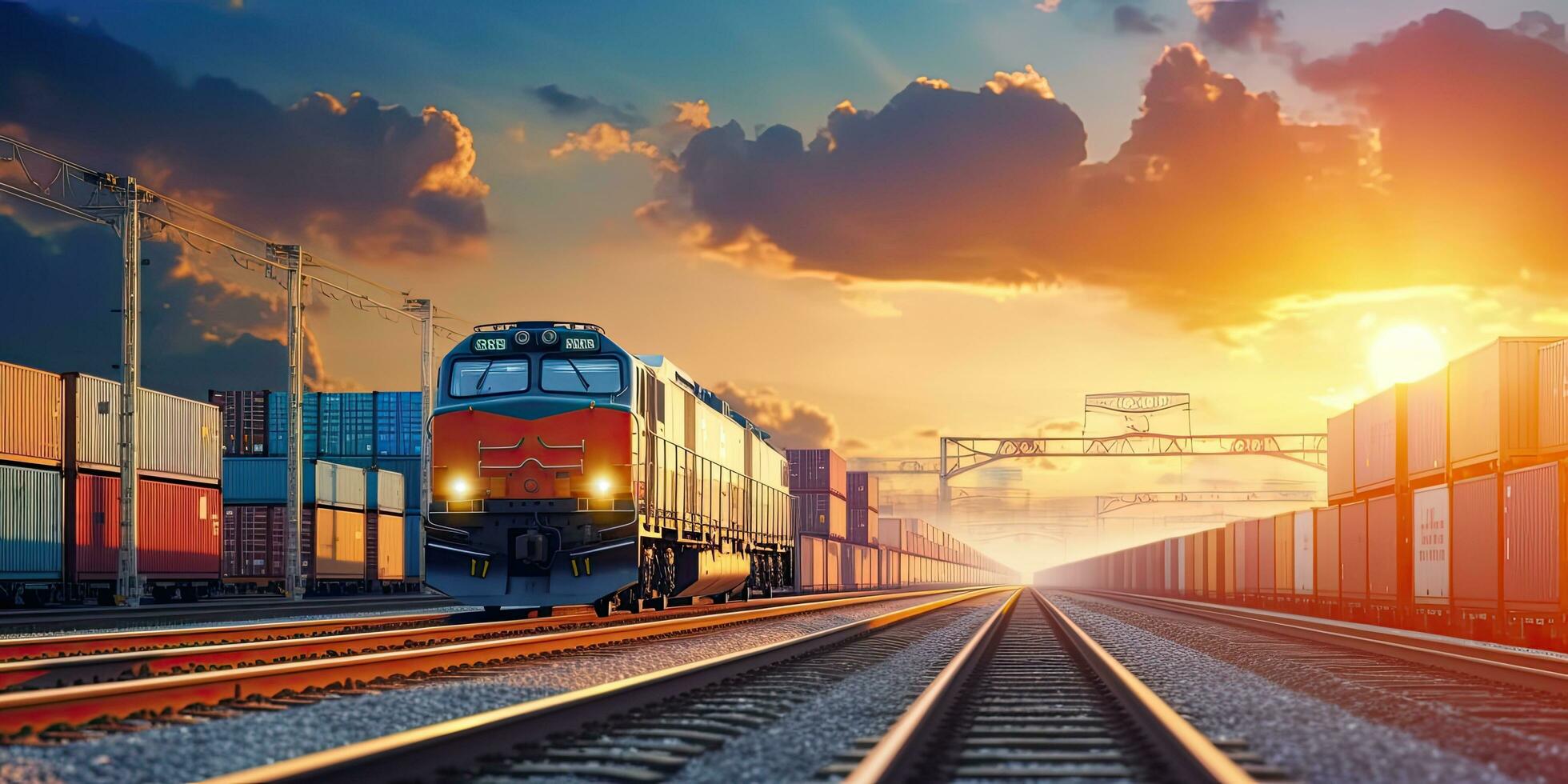
When sea ports are congested and containers are scarce, rail freight offers a viable middle ground for UK importers. Indeed, the China-Europe Railway Express has become a cornerstone of modern transcontinental logistics. Moreover, rail transit times are significantly shorter than traditional ocean voyages via the Suez Canal.
Railway platforms often have different equipment pools than ocean carriers, which may provide relief during a maritime reefer shortage. Additionally, the stable environment of a train car reduces the mechanical stress on the cargo compared to the rolling motion of a container ship. Consequently, many hardware brands are shifting a portion of their volume to rail to diversify their risk.
Nevertheless, it is important to note that rail freight costs are typically higher than sea freight. For instance, you might pay a 30% to 50% premium for the speed and reliability of the rail network. Accordingly, this method is best suited for high-value hardware tools or seasonal promotions that cannot afford sea delays.
Is Air Freight a Realistic Alternative for Hardware Tools?
For critical stockouts or high-priority product launches, air freight provides the ultimate speed. Although the cost per kilogram is much higher, the drastically reduced transit time can save a business from losing market share. Furthermore, air shipping involves less handling and a much lower risk of environmental damage.
Importers often use air transport as a tactical supplement to their main sea freight shipments. For example, you might fly 10% of your order to meet immediate demand while the remaining 90% travels by sea. As a result, you maintain a consistent supply chain without the massive expense of flying the entire inventory.
Typical air transit times from major Chinese airports like PVG or SZX to London Heathrow range from 5 to 7 days. In contrast, sea freight can take upwards of 40 days during periods of port congestion. Consequently, the time savings are substantial for businesses operating on tight production schedules.
How to Implement a Door to Door Strategy During Shortages?
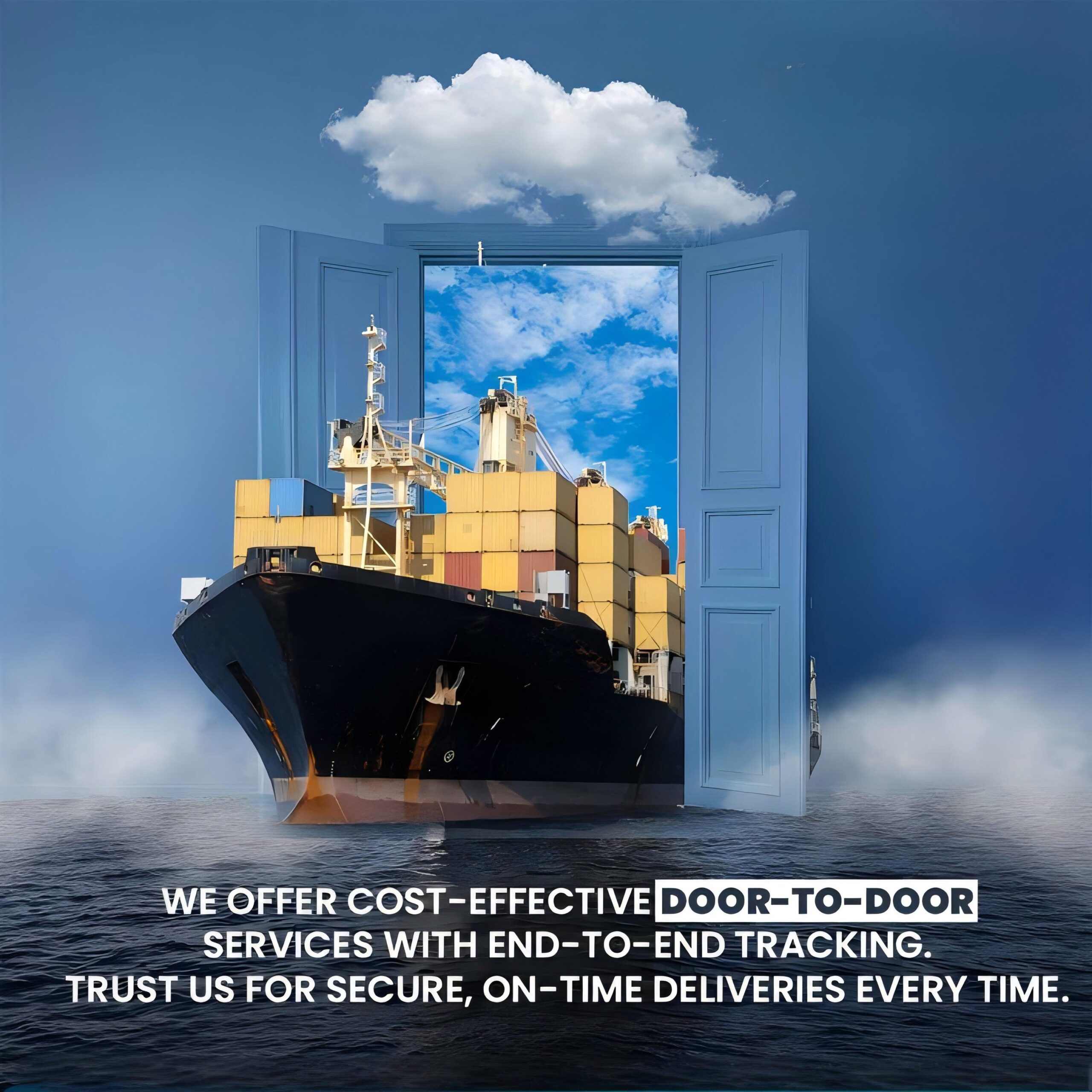
A comprehensive door to door service simplifies the complexity of managing multiple logistics providers during a crisis. By centralizing the process, you gain better visibility into where your hardware tools are at any given moment. Therefore, a single point of contact can quickly pivot your strategy if a specific port or container type becomes unavailable.
Integrated logistics providers have the network to find equipment in inland depots that larger ocean carriers might overlook. For instance, they can arrange trucking from a shortage-hit port like Ningbo to a less congested one like Qingdao. Additionally, they manage the final mile delivery in the UK, ensuring the goods reach your warehouse promptly.
Furthermore, door-to-door solutions often include consolidated billing and tracking, which reduces administrative overhead. Consequently, your team can focus on sales and marketing rather than chasing freight updates. Without a doubt, this level of service is invaluable when navigating a Reefer FCL container shortage solution for hardware tools from China to UK.
Real-World Case Studies: Overcoming Logistics Hurdles
Examining real-world scenarios helps importers understand the practical application of these logistics strategies. Below are two examples based on typical market conditions in late 2024 and early 2025.
Case Study 1: Strategic Port Diversification
Route: Ningbo, China to Felixstowe, UK. Cargo: Professional Power Tool Sets, 28 CBM, 14,000 kg. Container: 40HQ (Substituted for Reefer due to shortage).
Shipping Details: Carrier: Major Carrier. Port of Loading: Ningbo. Port of Discharge: Felixstowe. Route Type: Direct via Cape of Good Hope.
Cost Breakdown: Ocean Freight: $3,850. Origin Charges: $450. Destination Charges: $600. Customs and Duties: $1,200. Total Landed Cost: $6,100.
Timeline: Booking to Loading: 10 days. Sea Transit: 38 days. Customs Clearance: 2 days. Total Door-to-Door: 50 days. Key Insight: Using high-grade desiccants in a 40HQ allowed the shipment to proceed despite the reefer shortage.
Case Study 2: Rail Freight for Urgent Inventory
Route: Xi’an, China to London (via Rail), UK. Cargo: Precision Hand Tools, 15 CBM, 8,500 kg. Container: LCL Rail.
Shipping Details: Service: China-Europe Railway Express. Port of Loading: Xi’an Inland Terminal. Port of Discharge: London Gateway. Route Type: Trans-Siberian Route.
Cost Breakdown: Rail Freight: $5,200. Origin Charges: $300. Destination Charges: $550. Customs and Duties: $900. Total Landed Cost: $6,950.
Timeline: Booking to Loading: 5 days. Rail Transit: 22 days. Customs Clearance: 3 days. Total Door-to-Door: 30 days. Key Insight: Rail freight provided a 20-day advantage over sea freight during the peak equipment shortage.
Which Shipping Option Should You Choose?
Deciding on the best Reefer FCL container shortage solution for hardware tools from China to UK depends on your specific business priorities. If your primary concern is the lowest possible cost, then waiting for a standard sea freight booking is likely your best path. However, you must be prepared for longer lead times and potential equipment delays.
For those who prioritize speed and have high-margin products, air freight is the clear winner. On the other hand, rail freight offers a balanced compromise for mid-range budgets. Use the following criteria to guide your decision-making process:
Budget priority: Recommend Sea Freight FCL with moisture protection. Speed priority: Recommend Air Freight or Sea-Air hybrid. Cargo safety priority: Recommend Reefer FCL or Rail Freight for stability. Volume thresholds: For shipments under 15 CBM, consider LCL instead of waiting for a full container.
The Importance of Professional Customs Brokerage
Navigating UK import regulations requires expert knowledge, especially when dealing with hardware tools that may have specific tariff classifications. Consequently, a professional customs brokerage service is essential for avoiding costly delays at the border. They ensure that all documentation, such as the Bill of Lading and Commercial Invoice, is perfectly aligned.
UK customs authorities are particularly strict regarding the classification of power tools and battery-operated equipment. Therefore, having a broker who understands the latest post-Brexit trade agreements can save you thousands in potential fines. Additionally, they can help you navigate VAT deferral schemes to improve your company’s cash flow.
Indeed, many logistics delays occur not on the ocean, but in the customs office. For instance, an incorrect HS code can lead to a cargo hold lasting several weeks. Accordingly, integrating customs expertise into your shipping plan is a critical component of any successful Reefer FCL container shortage solution for hardware tools from China to UK.
Summary of Logistics Strategies for Hardware Tools
Successfully managing a Reefer FCL container shortage solution for hardware tools from China to UK requires a multi-faceted approach. By combining early booking, port diversification, and alternative transport modes like rail or air, you can maintain a consistent flow of goods. Moreover, utilizing professional services for customs and door-to-door delivery reduces the risk of unexpected delays.
As market conditions continue to evolve in 2025, staying informed about logistics trends is more important than ever. Whether you choose the cost-efficiency of sea freight or the speed of rail, the key is flexibility. Partnering with a reliable freight forwarder ensures that your hardware tools reach the UK market in perfect condition, regardless of equipment availability.
Ready to streamline your logistics?
Are you struggling to find a Reefer FCL container shortage solution for hardware tools from China to UK? Contact Top China Freight today to secure your space and optimize your supply chain with our expert logistics services. Visit our website to request a custom quote and keep your business moving forward.
Request Quote