

Reefer FCL container shortage solution for lighting from China to Europe
Navigating the complexities of international trade requires a robust partner like Top China Freight to ensure your goods arrive safely. Recent market shifts have made finding a Reefer FCL container shortage solution for lighting from China to Europe a top priority for global importers. This guide explores innovative strategies to maintain your supply chain integrity despite equipment scarcity and rising demand.
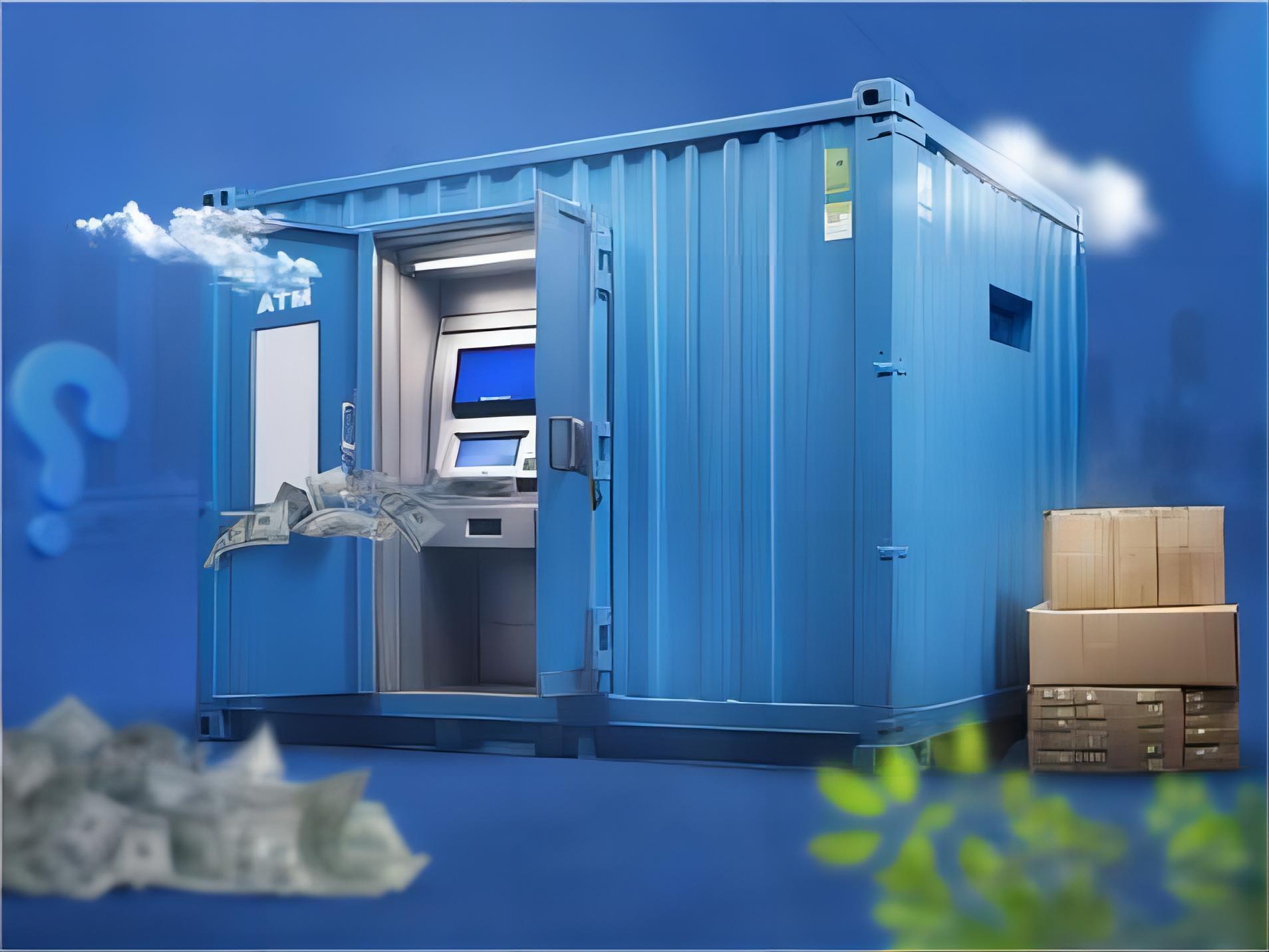
What is causing the reefer FCL container shortage for lighting from China to Europe?
Global logistics networks currently face unprecedented pressure due to equipment imbalances and regional port congestion. Specifically, the Reefer FCL container shortage solution for lighting from China to Europe has become essential as carriers prioritize high-margin perishable goods. Consequently, lighting manufacturers often find themselves competing for limited temperature-controlled units during peak seasons.
Equipment availability often fluctuates based on seasonal agricultural exports from the Southern Hemisphere back to China. Furthermore, the Red Sea disruptions have forced vessels to take longer routes around the Cape of Good Hope. As a result, containers remain on ships for longer periods, significantly reducing the effective global capacity.
Industry data suggests that the demand for LED lighting logistics has grown by 15 percent annually. Meanwhile, the production of new reefer containers has not kept pace with this rapid expansion. Therefore, shippers must adopt proactive strategies to secure space in a tightening market using sea freight options.
Why lighting products need reefer containers during transit
Modern lighting equipment, especially high-end LED systems, contains sensitive electronic components that react poorly to extreme heat. For instance, temperatures inside a standard dry container can exceed 60 degrees Celsius when crossing the equator. Such conditions can degrade the lifespan of capacitors and delicate circuit boards.
Moisture and humidity also pose significant risks to high-value electronics during the long voyage to European ports. Nevertheless, reefer containers provide a stable environment with controlled humidity levels to prevent corrosion. Additionally, these units offer superior insulation compared to standard boxes, protecting cargo from external temperature spikes.
Many European buyers now demand strict quality assurance for their imports to comply with local warranty standards. Accordingly, using temperature-controlled shipping is no longer a luxury but a necessity for premium lighting brands. Without a doubt, maintaining a stable climate ensures that the product arrives in the same condition it left the factory.
How does sea freight compare to other shipping options?
Choosing the right transport mode depends on your specific budget and the urgency of the delivery schedule. While ocean transport remains the most cost-effective method for bulk shipments, it currently faces the most significant equipment challenges. However, the cost difference between sea and air remains substantial for large lighting projects.
Rail transport has emerged as a middle-ground solution, offering faster transit times than the ocean while remaining cheaper than air. Moreover, rail containers are often easier to source during peak maritime shortages. On the other hand, air freight provides the ultimate speed for urgent replacements or high-priority product launches.
To help you decide, we have compiled a comparison of the primary shipping methods available for this route. Consider your inventory turnover and the total landed cost before committing to a specific logistics strategy.
| Shipping Method | Cost Range (USD) | Transit Time | Best For |
|---|---|---|---|
| Sea Freight (40HQ) | $3,000 – $4,500 | 30 – 45 Days | Bulk LED orders |
| Rail Freight | $5,500 – $7,500 | 18 – 22 Days | Mid-range urgency |
| Air Freight (1000kg) | $4,500 – $6,500 | 5 – 8 Days | Urgent samples |
| Sea-Air Hybrid | $3,500 – $5,000 | 15 – 20 Days | Cost-speed balance |
Utilizing Non-Operating Reefers as a viable alternative
A highly effective Reefer FCL container shortage solution for lighting from China to Europe involves using Non-Operating Reefers (NOR). Essentially, these are refrigerated containers where the cooling mechanism is turned off to carry dry cargo. Carriers often offer these at a discount to reposition equipment where it is needed for perishable exports.
NOR units provide excellent insulation even without the cooling unit running, which protects lighting from extreme heat. Furthermore, because carriers are eager to move these containers back to Europe, availability is often higher than standard dry boxes. Consequently, this strategy can save money while ensuring equipment is ready for your cargo.
You should work closely with a partner experienced in customs brokerage to ensure all documentation correctly identifies NOR units. This prevents delays at the port of discharge where inspectors might otherwise expect perishable goods. Indeed, proper labeling is the key to a smooth NOR shipment.
Can rail freight solve your equipment shortage issues?
When maritime equipment is scarce, rail freight offers a reliable alternative for moving lighting components. The China-Europe Railway Express connects major manufacturing hubs like Suzhou and Chengdu directly to European rail terminals. Consequently, this route avoids the current congestion at major Chinese seaports.
Rail transit times are typically 50 percent faster than sea freight, which helps reduce capital tied up in inventory. Additionally, the temperature fluctuations on the rail route through Central Asia are often less extreme than the sea route through the tropics. Therefore, you may find that standard rail containers provide enough protection for your lighting products.
Nevertheless, the capacity of rail services is lower than that of mega-vessels, so early booking is essential. Shippers should plan their production schedules at least four weeks in advance to secure rail space. Without a doubt, rail remains a powerful tool in a diversified logistics portfolio.
Case Study 1: Resolving a lighting shortage for a German retailer
Case Study 1: LED Panel Shipment Success Route: Shenzhen, China to Hamburg, Germany Cargo: LED Office Panels, 65 CBM, 12,000 kg Container: 1 x 40HQ (NOR Strategy) Shipping Details: – Carrier/Service: Major Carrier via NOR – Port of Loading: Yantian (Shenzhen) – Port of Discharge: Hamburg – Route Type: Direct via Cape of Good Hope Cost Breakdown: – Ocean Freight: $3,250 – Origin Charges: $450 – Destination Charges: $600 – Customs and Duties: $1,200 – Total Landed Cost: $5,500 Timeline: – Booking to Loading: 5 days – Sea Transit: 38 days – Customs Clearance: 2 days – Total Door-to-Door: 45 days Key Insight: Using a Non-Operating Reefer saved $400 compared to a standard dry box during a peak equipment shortage period.
Note: Freight rates are subject to change based on fuel costs, carrier capacity, and seasonal demand. Contact us for a current quote tailored to your specific shipment.
How to optimize your supply chain with door to door services
Managing multiple vendors for trucking, shipping, and customs can lead to communication gaps and delays. Instead, many successful importers are switching to door to door solutions to streamline their operations. This approach places the entire responsibility for the Reefer FCL container shortage solution for lighting from China to Europe on a single provider.
Door-to-door services often include inland drayage from the factory to the port, which is a common bottleneck in China. Furthermore, your logistics partner can manage the final mile delivery from European ports to your warehouse. As a result, you gain better visibility and more accurate delivery windows for your lighting projects.
By centralizing your logistics, you can focus on sales and marketing rather than tracking containers. Moreover, a single point of contact simplifies the resolution of any issues that might arise during transit. Indeed, this holistic approach is often the most efficient way to handle complex international shipments.
Case Study 2: Urgent decorative lighting for a French project
Case Study 2: High-Priority Decorative Lighting Route: Ningbo, China to Le Havre, France Cargo: Designer Chandeliers, 28 CBM, 4,500 kg Container: 1 x 20GP (Standard with insulation liners) Shipping Details: – Carrier/Service: Premium Express Sea Service – Port of Loading: Ningbo – Port of Discharge: Le Havre – Route Type: Direct Cost Breakdown: – Ocean Freight: $2,400 – Origin Charges: $380 – Destination Charges: $550 – Customs and Duties: $950 – Total Landed Cost: $4,280 Timeline: – Booking to Loading: 3 days – Sea Transit: 32 days – Customs Clearance: 1 day – Total Door-to-Door: 36 days Key Insight: Implementing thermal insulation liners in a standard container provided a cost-effective alternative to a reefer during the shortage.
Note: Freight rates are subject to change based on fuel costs, carrier capacity, and seasonal demand. Contact us for a current quote tailored to your specific shipment.
Which option should you choose for your lighting shipment?
Deciding on the best Reefer FCL container shortage solution for lighting from China to Europe requires a clear understanding of your priorities. If your primary goal is cost reduction, sea freight via NOR is likely your best path. However, if you are facing a strict project deadline, rail or air freight may be necessary.
Consider the volume of your shipment as well. For orders under 15 CBM, LCL (Less than Container Load) shipping might be more available than a full reefer container. Additionally, always factor in the value of the goods; high-margin designer lighting can often absorb the higher costs of air or rail transport.
Use the following decision framework to help guide your choice based on current market conditions in 2025. This framework considers budget, speed, and equipment availability to find the most balanced solution for your business.
| Priority | Recommended Method | Key Benefit | Trade-off |
|---|---|---|---|
| Lowest Cost | Sea Freight (NOR) | Significant savings | Longer transit |
| Maximum Speed | Air Freight | Arrives in days | Highest price |
| Reliability | Rail Freight | Stable schedule | Limited capacity |
| Flexibility | LCL Sea Freight | No full box needed | Handling risks |
Strategic planning to avoid future supply chain disruptions
Long-term success in the lighting industry requires more than just reactive fixes to equipment shortages. Specifically, you should consider diversifying your port of loading to include smaller terminals that may have better equipment availability. Furthermore, building a buffer of safety stock in European warehouses can mitigate the impact of transit delays.
Technology also plays a vital role in modern logistics management. For example, using real-time tracking allows you to adjust your inventory plans based on actual vessel locations. Additionally, maintaining strong relationships with multiple carriers ensures you have options when one line is overbooked.
Market data suggests that rates typically increase by 15 to 25 percent during the August to October peak season. Consequently, booking your shipments well in advance of these periods can save thousands of dollars. Without a doubt, proactive planning is the most effective way to manage international shipping costs.
Final thoughts on lighting logistics from China to Europe
In summary, while the current market presents challenges, finding a Reefer FCL container shortage solution for lighting from China to Europe is possible with the right strategy. By utilizing alternatives like Non-Operating Reefers, rail freight, and strategic planning, importers can maintain a steady flow of goods. Moreover, partnering with a knowledgeable freight forwarder helps navigate the complexities of customs and carrier negotiations.
As we move through 2025, staying informed about logistics trends and equipment availability will remain crucial for your success. Remember to balance cost, speed, and safety when choosing your shipping method to ensure your lighting products arrive in perfect condition. Consequently, your business will be better positioned to thrive in the competitive European market.
Ready to streamline your logistics?
Securing a Reefer FCL container shortage solution for lighting from China to Europe requires expert guidance and a reliable network. Our team specializes in finding creative equipment solutions to keep your lighting projects on schedule and within budget. Visit https://Top China Freight.com/contact-us/ to request a personalized quote and optimize your supply chain today.
Request Quote